
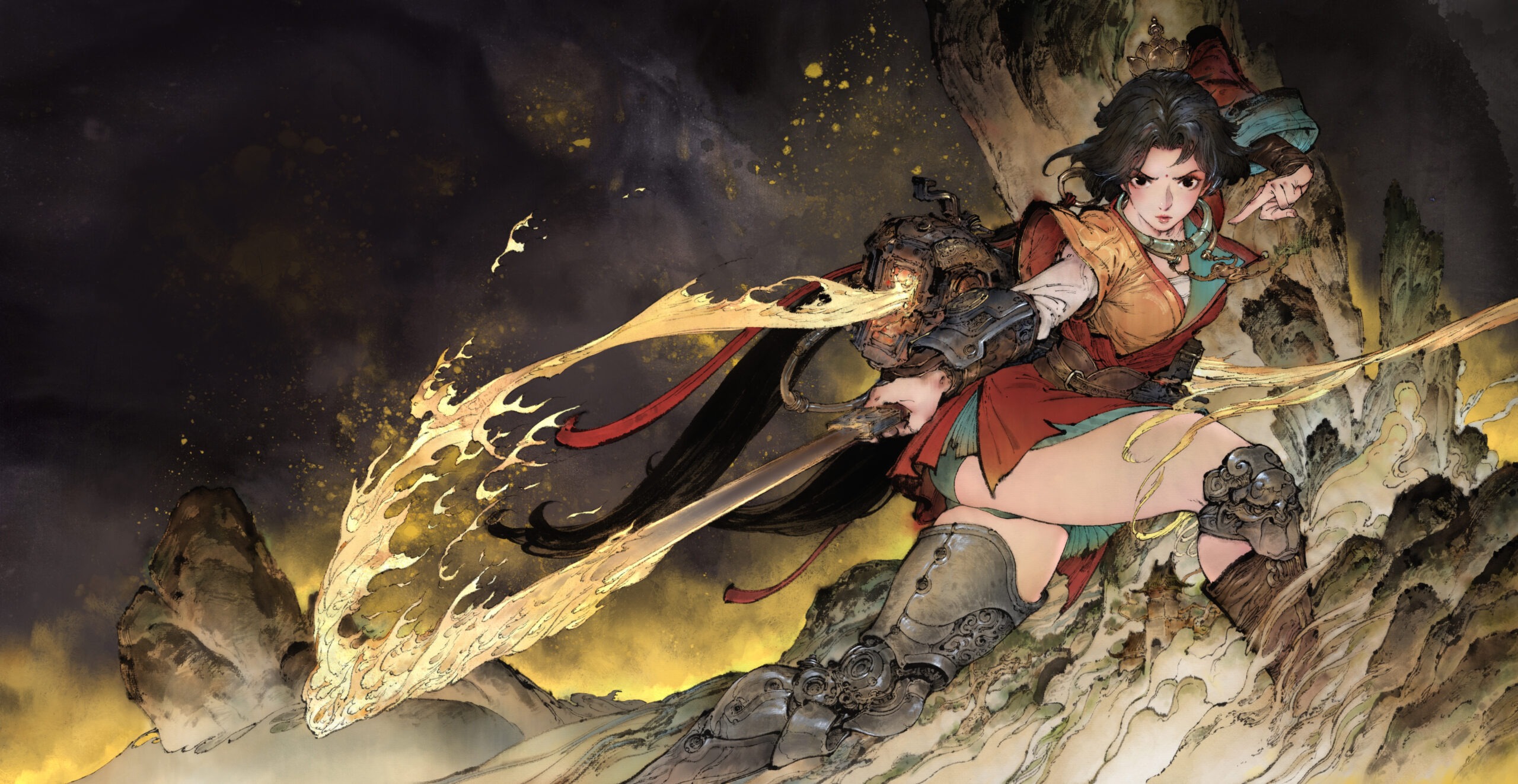

At this year’s Gamescom, publisher 4Divinity made a pretty strong showing with five fantastic titles, and we had the chance to test out, well, basically all of them. What’s highly fascinating is that all five games hail from China, developed by studios founded over the past few years. I remember a few years ago, before Black Myth: Wukong, whenever we mentioned China and gaming, it all boiled down to mobile nonsense (if I can even call it that) or failed attempts. But in the last couple of years, that has shifted so drastically that Chinese games are slowly taking the lead in the Western market. And it’s no wonder, considering the sheer number of talented programmers and artists in the world’s most populous country. When you throw in a rich history and a wealth of source material into the mix, the result is a massive incubator blending brilliant ideas and excellent execution, delivering stories that, in some cases, are finally getting the visibility they deserve in the West.
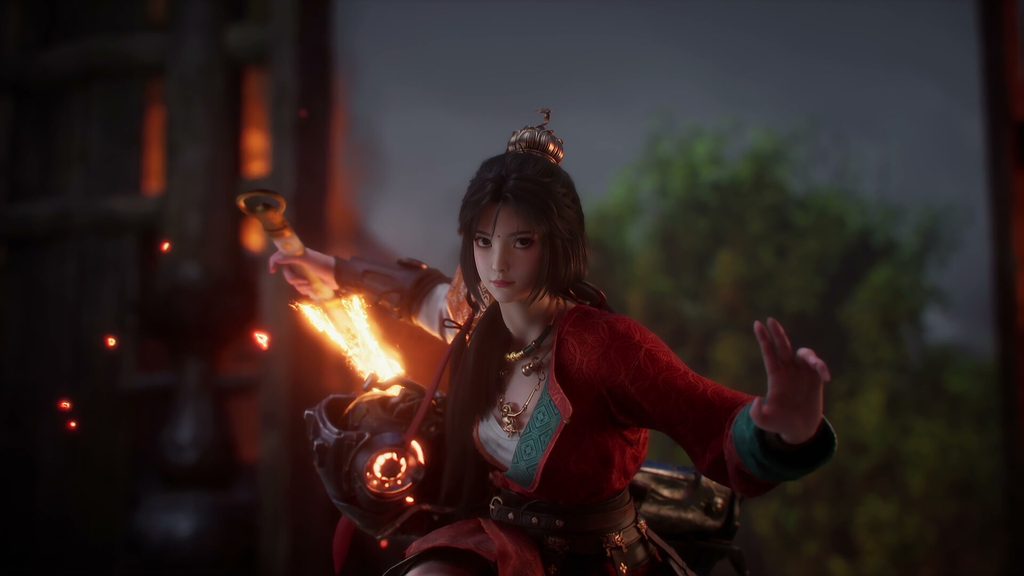
All in all, the first game we tested goes by the name Sword Sage: Awakening, a title developed by a 25-person studio called Sword Panda Games. Now, some might wonder: why did I blindly want to check out every single 4Divinity game? Because each one brings something different to the table, a new form of something familiar, in this case, the soulslike approach to gameplay. And after playing this title for an hour, I have to admit I wasn’t wrong to do so.
I didn’t delve too deeply into the game’s story, at least not from the demo I played, as I used the opportunity to chat with my hosts at 4Divinity about how the game was built and what it offers players. But fundamentally, you take on the role of Pei Sanniang, who is tasked with tracking down unearthed heavenly books that have plunged all regions of ancient China into chaos.
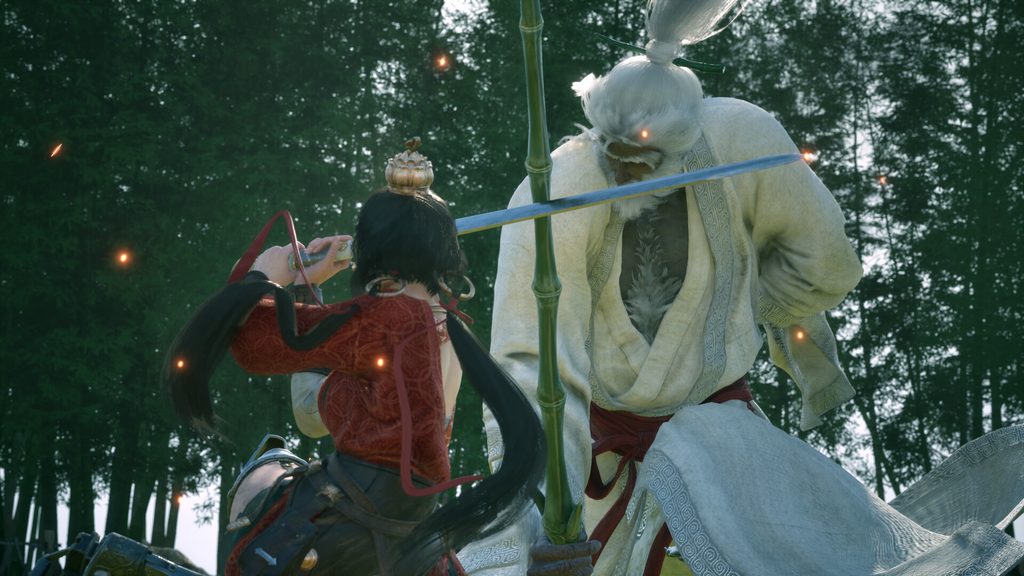
As I said, this is primarily a soulslike game, or rather, yet another attempt to inject something new into this highly acclaimed subgenre. And I have to admit, it doesn’t just feel like a mere attempt, but a genuine success from a tiny studio. Because as confusing as the game seemed to me at the start, I absolutely loved it once everything clicked.
Unlike existing soulslike games where you have a dodge, roll, parry, deflect, or simply all four, the situation here is a bit different. I must confess I spent the first 15 minutes struggling to figure out how to evade enemy attacks, because I saw that there was only a block, which, to be honest, isn’t all that effective when enemies start wailing on you. Considering a standard enemy can kill you in just a couple of hits, that block simply felt useless. I struggled early on until I accidentally nudged the left stick while holding the block button (LB). And then, magic: Pei executed a perfect dodge, but from a standing position, shifting just enough to evade the strike. At first glance, I thought, “Uh, okay, this seems complicated,” but as I got used to the mechanic, it all started to feel incredibly natural.
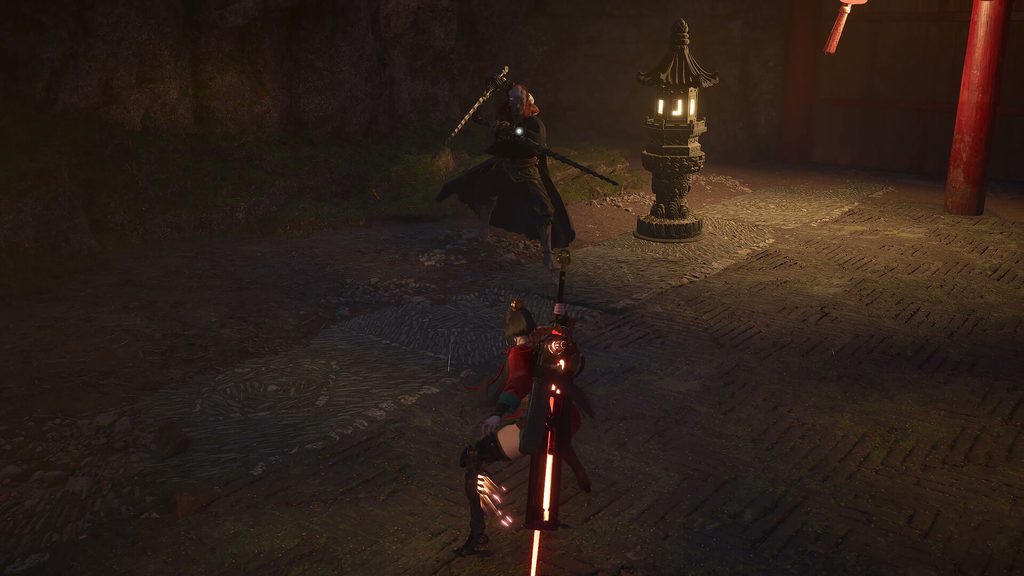
It felt exactly the way it should. Because if someone swings a massive weapon at you in real life, you aren’t going to jump and do a barrel roll instantly; you only have time to react by shifting your body. That’s exactly how it works here, and the best part is that the move is highly responsive mid-combat. Honestly, I have no idea how no one thought of this sooner. I was even more thrilled when I realized that pressing any of the four directions on the analog stick while holding block evades attacks in that specific direction.
Now, we’ve had similar mechanics before, but usually for attacking, not defending. For instance, For Honor has a similar system when you want to block incoming strikes from specific directions, but not for evading, and it doesn’t require absolutely perfect timing. In Sword Sage: Awakening, the game demands precision, akin to the parry mechanic in Sekiro, perhaps even with the exact same timing window. Naturally, this makes the game difficult, but simultaneously incredibly fun, forcing you to adapt and master this mechanic as you progress.
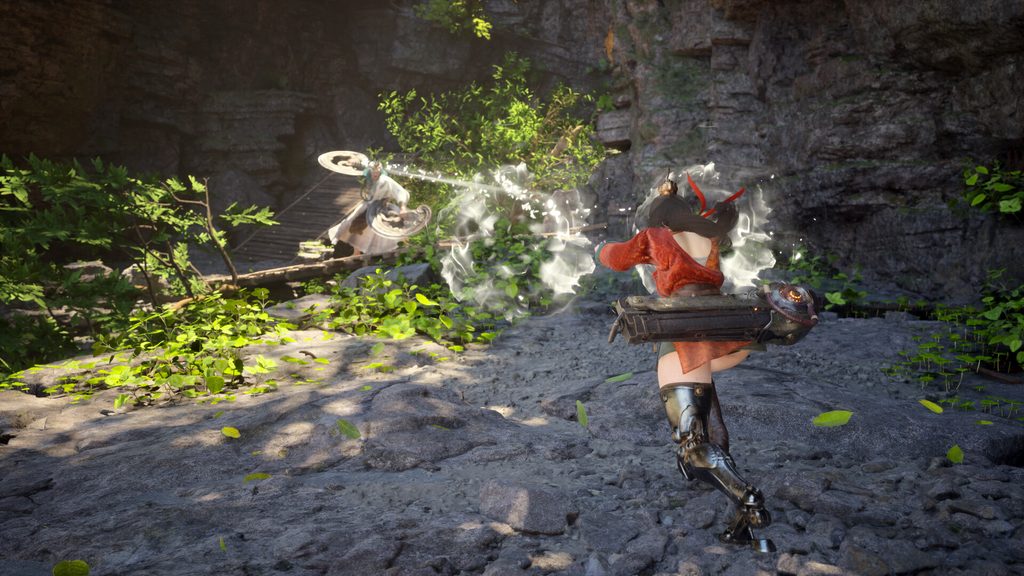
But once it clicks, everything falls into place, and every fight looks like a dance. Pei’s animations look fantastic, and every dodge leaves a faint trail behind you, making you feel like Neo from The Matrix dodging bullets, only in this case, you’re dodging swords. The game nicely introduces you to this system by giving you weak opponents early on, but as you learn the mechanic, much more aggressive enemies appear, capable of unleashing several rapid strikes in a fraction of a second. That’s when the real fun begins. At least, that’s how it was in this demo, but I believe the full game will feature a similar learning curve.
However, that isn’t the only brilliantly executed mechanic. There is also the attack system. You essentially wield two weapons that “break” quite quickly through your attacks. Once they degrade, you deal almost no damage to the enemy, requiring you to either “refresh” the weapon you are using or swap to the secondary one you always carry. The concept feels very similar to reloading a rifle in an FPS game. I have to admit I didn’t quite grasp this at first either, I didn’t see what was so interesting about it. But as time went on, I realized this is just another mechanic designed to make that on-screen dance between Pei and her enemies even more graceful, captivating, beautiful, engaging, and thrilling.
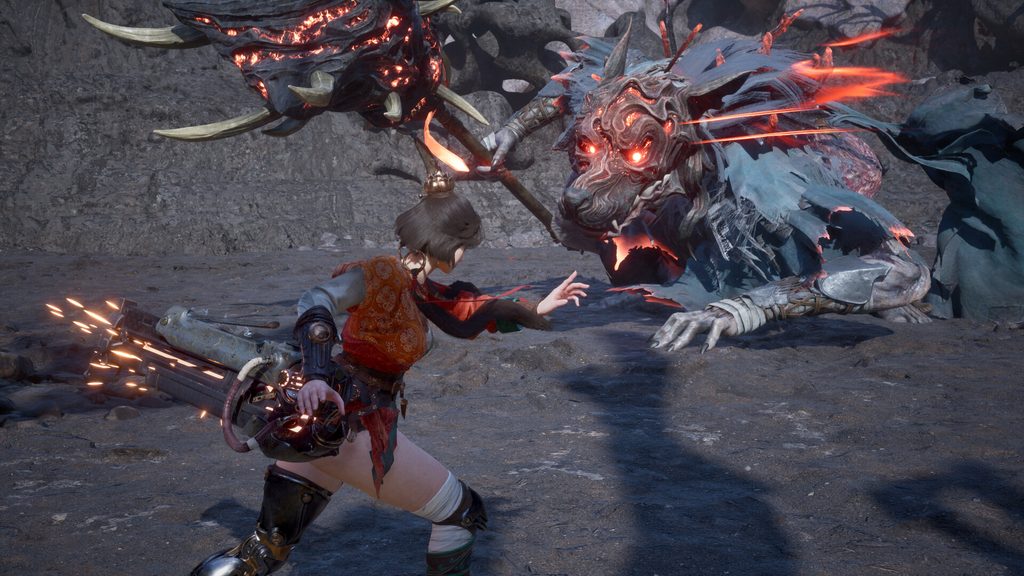
When these two mechanics click exactly as they should, the game transforms into a mini spectacle of everything happening on screen, and your fingers simply dance across the controller.
Furthermore, the level design in Sword Sage: Awakening strongly reminded me of Dark Souls titles. This isn’t an open world, but a world intertwined with paths you need to discover, shortcuts you can unlock, and tucked-away corners that always hide something valuable you can use during your playthrough. The same goes for the enemy design. I’m honestly not too familiar with the mythological lore here, but every enemy looks fantastic, both the human foes and the mythical beasts you will encounter and fight.
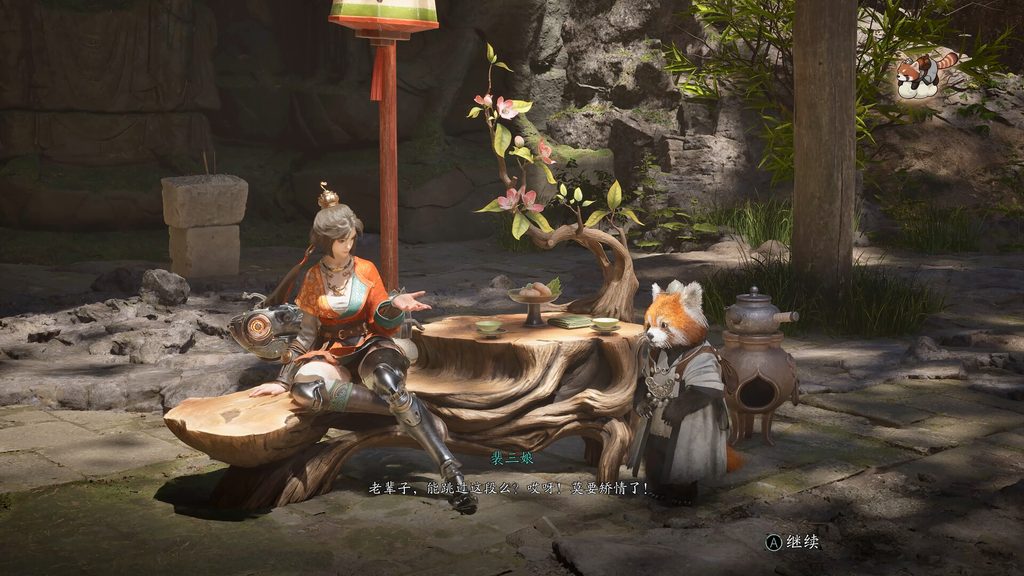
Even though this was the first 4Divinity game I played, it set an incredibly high standard and raised my expectations for every subsequent title I was scheduled to see and try at this year’s Gamescom. I was even more blown away when I found out that only 25 people are working on the game. The main guy in charge is actually a swordsman (specializing in Chinese sword dance, I guess) in real life, so the man has a ton of experience and a clear vision of what this game should be. And if what I saw is any indication, this is going to be a brilliant title when it finally sees the light of day.
