
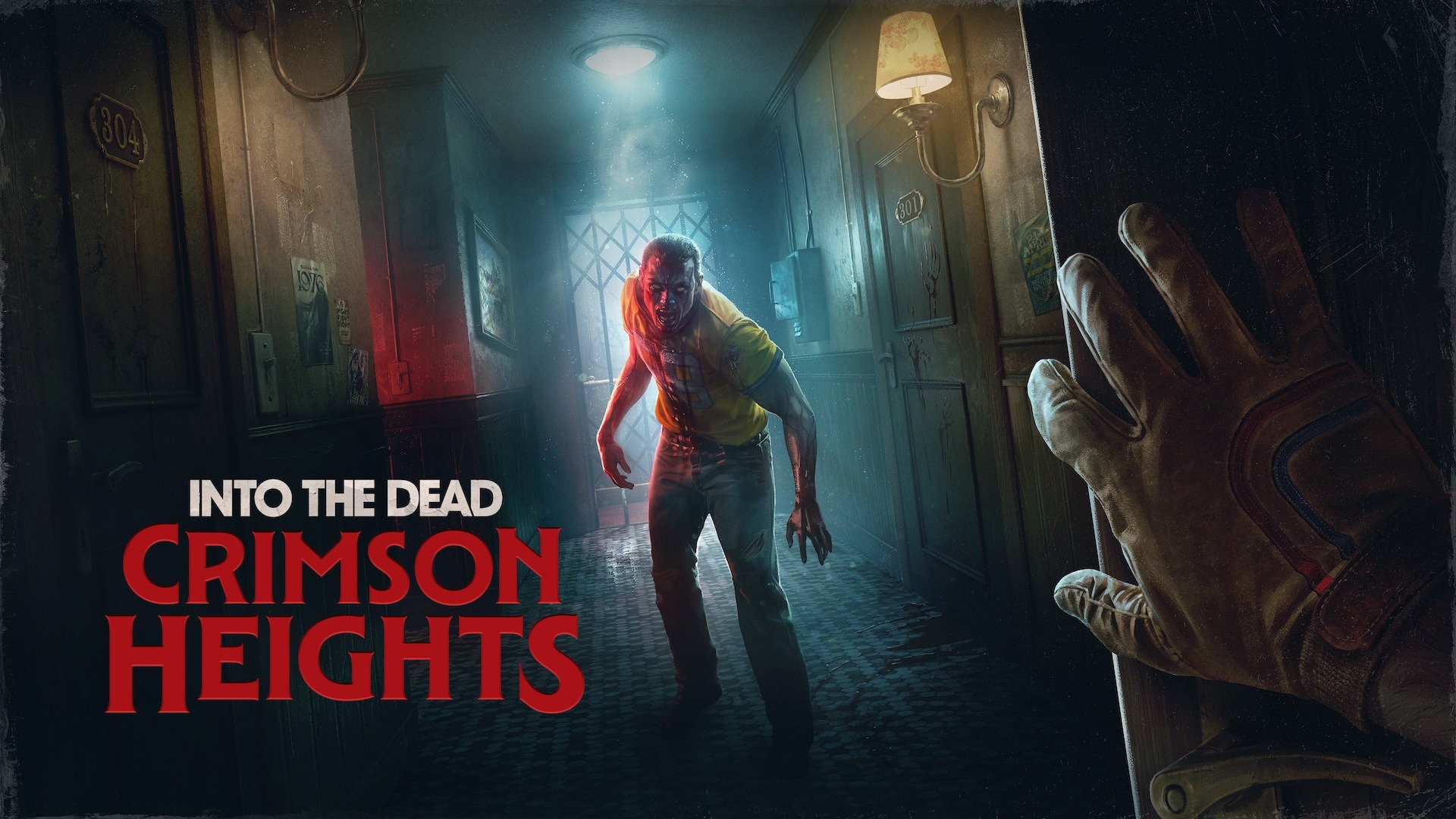

I have to admit that I saw plenty of VR games at Gamescom this year trying to convince me that their specific tech is what will permanently change how we play. However, Into the Dead: Crimson Heights came with a remarkably simple argument. It doesn’t just try to put you inside a virtual world; it tries to pull the virtual world into your actual room. Once you realize what PikPok is actually doing with this game, the concept becomes vastly more fascinating than just another VR zombie shooter.
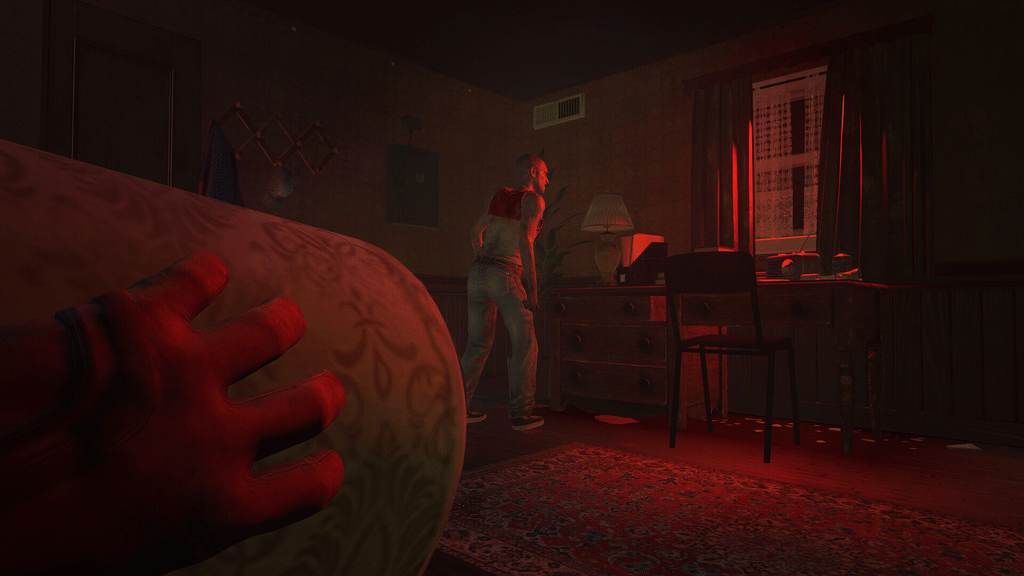
Into the Dead: Crimson Heights is a new survival horror entry in the Into the Dead franchise, set during the opening hours of the zombie outbreak in Walton City. The narrative chronologically ties into the universe PikPok began building with Into the Dead: Our Darkest Days, but the perspective shifts entirely. Instead of classic flat-screen survival gameplay, Crimson Heights wants to force you to physically step into a building crumbling before your eyes. And it does this not just by having you strap on a headset and look around. The game actively utilizes the physical space you are standing in, morphing it into part of the level itself. I got to see this exact principle in action at Gamescom. The demo started relatively peacefully, which was honestly far more crucial than just tossing me straight into a horde of dozens of zombies. First, I had to explore the space, get a feel for the environment, and understand where I even was. The game uses your physical room as the foundation for the virtual level, meaning the furniture and obstacles around you literally become part of the building you are exploring.
That specific moment is vital, and it proves why this technology is so much more than a cheap technical gimmick. When you play a standard VR horror game, somewhere in the back of your mind, you always know the wall in front of you is purely virtual. You can clip your controller through it, but the physical world around you remains unchanged. Crimson Heights attempts to erase that boundary by turning your actual desk, couch, or other furniture into tangible parts of the virtual environment. Suddenly, the object in front of you isn’t just set dressing, it’s something you can physically hide behind, physically walk around, and something that actively alters how you perceive the space. PikPok calls this system “Hyper Reality” and pitches it as the game’s flagship technological feature. The game scans your physical room and maps it directly into the world of Crimson Heights. The goal is for the virtual environment to be highly reactive and adaptive to the player’s real-world play space. Consequently, two players with differently shaped rooms will potentially experience entirely different level layouts, even when playing the exact same segment of the campaign.
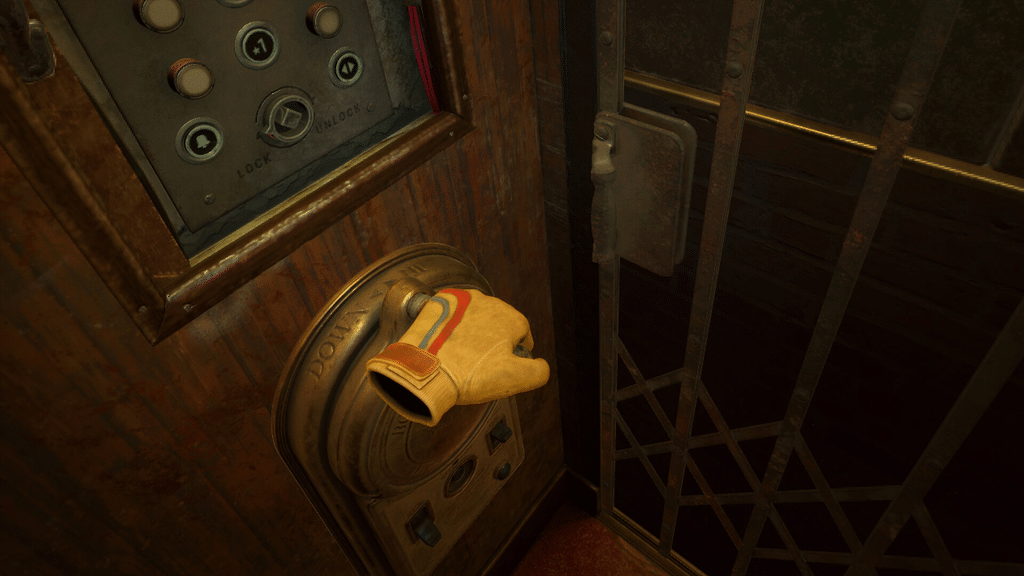
I must admit, I initially struggled to adapt to this environment. Everything took place in a virtual room mapped identically to the physical, roughly 6×4 meter room where I was testing the demo. The game scanned the space, and as I mentioned, the real couch became an in-game couch, the actual walls framed the in-game world, and everything else was populated with Into the Dead assets. Returning to my initial struggle: your brain simply isn’t hardwired to unconditionally trust virtual reality like this. I couldn’t fully accept that the game had flawlessly mapped the room and its objects, so early on, I kept carefully peeking out of immersion to ensure I wouldn’t smash into real-world furniture, which, of course, never happened, because those obstacles were perfectly mirrored in the game.
It took about ten minutes for me to fully embrace this “hyper” reality and actually start trusting the game and what I was seeing through the lenses. What was incredibly fascinating was how the game didn’t just use my room to place static objects; it actively generated corridors and navigational elements. So, you are essentially creeping down virtual hallways while physically walking around your actual room. Because you know your room has been transformed into the Into the Dead universe, you become incredibly cautious not to lean on a wall or bump into something, regardless of the fact that the extra hallways are “fake” (i.e., part of the VR simulation). Even just walking around the room, you genuinely start to feel like you belong in this world and are physically part of it. If you ask me, achieving that level of immersion is a massive triumph for a VR title.
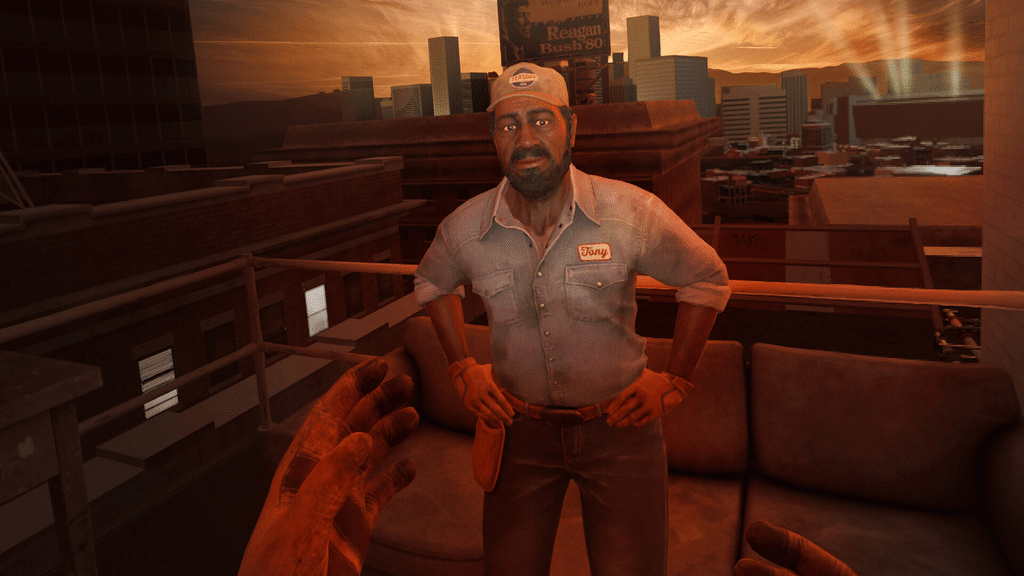
The Gamescom demo left me with the distinct impression that PikPok is leveraging this tech strictly to enhance gameplay, not just for the novelty of bragging about room-mapping capabilities. That is a vital distinction. If physical furniture serves as tangible cover during a zombie encounter, your actual living space becomes a tactical asset. If you have to physically squeeze past a real-world obstacle to evade an enemy lurking in the virtual world, the boundary between reality and the game begins to blur in a profoundly interesting way. Then we get to the core game itself, which leans far more into survival horror than a standard zombie gallery shooter. PikPok defines it through three core pillars: stealth, tactical exploration, and combat. That means you shouldn’t expect to just sprint down every hallway blasting anything that twitches. On the contrary, the idea is to scavenge for resources, hunt for weapons, and figure out how to survive as the apartment complex steadily devolves into a labyrinth full of danger.
The game puts you in the shoes of the new building manager at Crimson Heights. Early on, you learn how the building operates, meet the tenants, and slowly realize something is going terribly wrong. Once the outbreak spreads, the hallways and apartments that previously felt like safe havens transform into highly hostile environments. That stark contrast is crucial for the atmosphere. Crimson Heights doesn’t try to bombard you with action right out of the gate. Instead, it relies on a classic survival horror trope: the better you know a space, the more horrifying it feels when you realize you can no longer move freely within it. An apartment you casually explored a few minutes ago without a second thought can suddenly become a tension-filled nightmare as you try to creep through it dead-silent, listening to a zombie shuffling just around the corner.
This is exceptionally effective in VR because spatial audio and depth perception play a vastly more significant role. When you know something is right behind you, your natural reaction isn’t just to flick an analog stick, it’s to physically turn your head. When a threat approaches from an adjacent room, you instinctively try to pinpoint the audio source before physically leaning to peek around the corner. In flat-screen gaming, we often just accept these things as part of the presentation. In VR, they become fundamental gameplay mechanics.
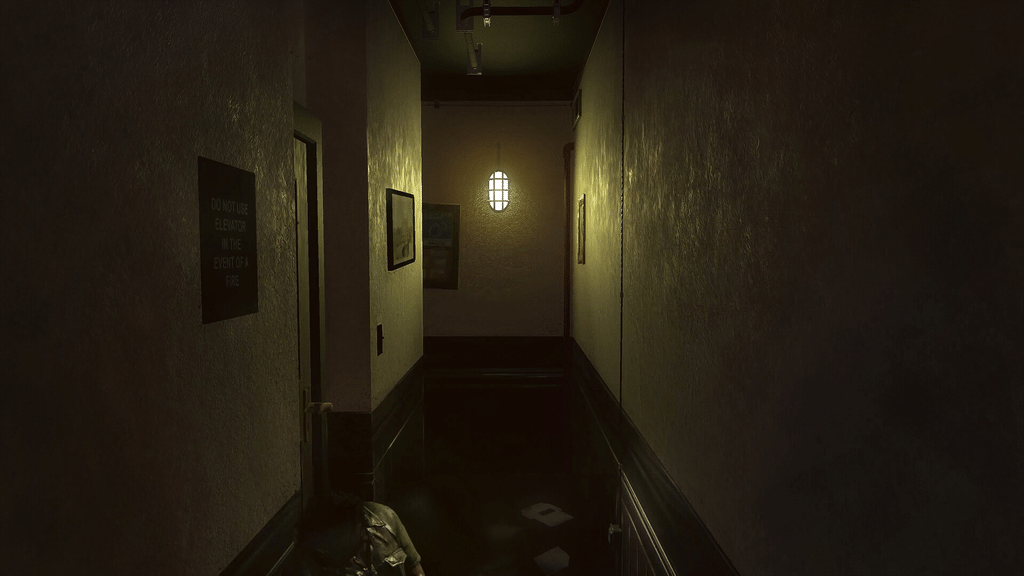
In the specific demo I played, there was no actual gunplay or direct combat with zombies. It ended the exact second the first infected appeared, wrapping up the world-building, tenant introductions, and basic environmental tutorials. I have to admit, I absolutely loved everything I saw. It is genuinely unbelievable what PikPok has achieved here. I know many will immediately dismiss this as just another VR gimmick, but the sheer “feel” of it, that unspoken mental negotiation between you and the game, is fascinating. The game actively tries to convince you to trust it, to trust its spatial calculations of your physical environment, while your brain instinctively resists. But once you finally let go and relax into it, you realize just how brilliantly executed it all is.
Into the Dead: Crimson Heights completely blew me away. This isn’t a game where you just stand in one spot flailing your arms; you will physically walk around your room, scavenge for supplies, and uncover new storylines. That silent psychological tug-of-war where the game forces you to trust its boundaries is just the icing on the cake. Honestly, I can’t wait to play the full release, though I know I’ll have to find a play space slightly larger than my current living room to truly get the most out of it. If you are a dedicated VR enthusiast, this is exactly the kind of boundary-pushing innovation we love to highlight for our readers at VR Kutak. Keep this title firmly on your radar.
