


It is always incredibly difficult when a development team is tasked with creating a sequel better than the original. What do you change, what do you fix, what do you replace, and what do you leave exactly as it was? Capcom had a near-impossible task with Dragon’s Dogma 2, especially considering just how special the original game was for fans of the genre. The original, while far from perfect, possessed a unique magic and delivered beautiful moments that utterly captivated players. No matter how flawed it was in certain aspects, the experience was unforgettable. Precisely because of that, replicating that lightning in a bottle was no easy feat, but Capcom somehow managed it. Dragon’s Dogma 2 isn’t just a sequel, nor is it a mere reskin of the original, which is exactly what I suspected during my first few hours. It is an aggressively upgraded version of practically everything that made the first game great, packed with a slew of new tricks and fascinating mechanics that you won’t even notice until you are dozens of hours deep. These new additions are woven into the game so beautifully and subtly, for the most part, that they deeply enrich the overall experience for all players, not just for veterans of the first game who might have doubted Capcom’s ability to top it. As similar as the game initially appears to the first installment, it diverges wildly once you scratch just beneath the surface. And that is when the real shock sets in, after which you simply surrender to the joy of playing it.
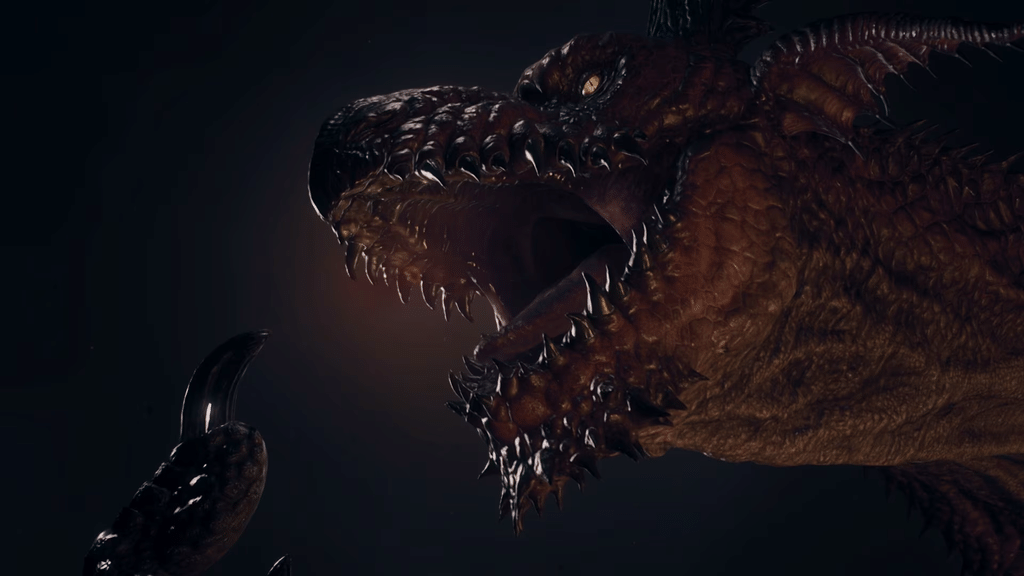
So, why are we opening this review with this kind of introduction? Because Dragon’s Dogma 2 finally has a brand-new audience, as the game has officially launched on a Nintendo console, specifically, the Nintendo Switch 2. Because of this, we will be diving into every single aspect of Dragon’s Dogma 2: Dark Arisen. We’ll discuss the base game, the massive Dark Arisen expansion, and everything else you can lose yourself in across this fantastic world. Let’s start from the beginning.
Dragon’s Dogma 2 unfolds across the lands of Vermund and Battahl, a world that acts as a sort of parallel universe to the original game. While the setting is different, the destiny of the Arisen remains the bloody thread connecting the two titles. In both instances, a colossal dragon rips out the heart of an individual, thrusting them into the role of the Arisen. And that individual is you! Your heart has been stolen, and your objective is painfully clear: get it back. Along the way, you will face relentless hardships, encounter false Arisens, and uncover vastly more about the world surrounding you than you ever anticipated. Then there is the mysterious Dragonsplague, a highly dangerous affliction that can have catastrophic consequences for your main Pawn, and even entire settlements, if you fail to spot the warning signs. The world is bursting with secrets you can actively hunt down, or completely ignore if you prefer some mysteries to remain buried forever. The consequences of your actions, your ability to meddle in political intrigue and shape the fate of the human kingdom of Vermund, as well as the relationships you forge with the people you meet, are all vital pillars of the Arisen’s journey. The path you walk, the alliances you strike, and the sacrifices you make will ultimately forge your destiny. Your survival is never guaranteed, but a wild adventure awaits around almost every corner.

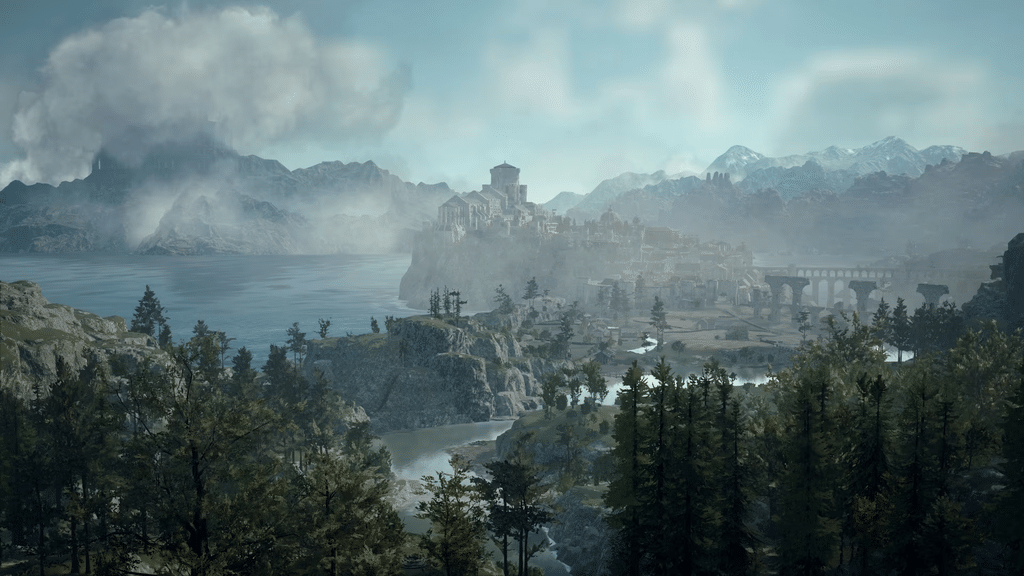
All of this is designed and executed so brilliantly that once you start playing, you simply cannot stop. This gorgeous, deeply intriguing world will effortlessly suck you in, and you will quickly lose track of how many hours you’ve actually spent exploring. The magnificent dark fantasy setting of Dragon’s Dogma 2 practically begs to be explored. Dense forests, dusty cliff sides, abandoned settlements, and treacherous mountain passes await anyone brave enough to wander. Cryptic clues and fascinating characters litter the landscape, both visually and mechanically, while the world is packed with secrets that will remain hidden forever if you don’t put in the effort to seek them out and solve them. The sense of pure adventure is stellar, and the open-world design fosters a state of almost controlled chaos. Yes, the game is weird. Sometimes it feels as if its individual systems belong to completely different video games, yet somehow, they all mesh together incredibly well. Perhaps it works exactly because certain elements are deliberately unpolished. If you were to isolate and analyze each system individually, you could definitely poke holes in them. But as a cohesive whole, when you step back and look at the big picture, Dragon’s Dogma 2 has virtually no real weaknesses. That doesn’t mean it’s flawless, but the highly reactive way all these mechanics intersect is precisely what makes the game so profoundly special.
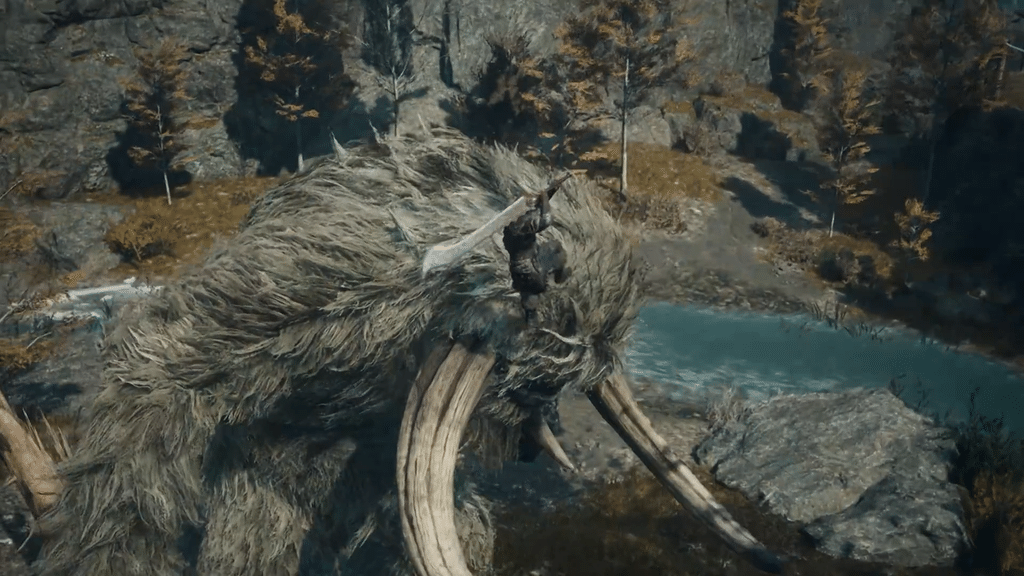
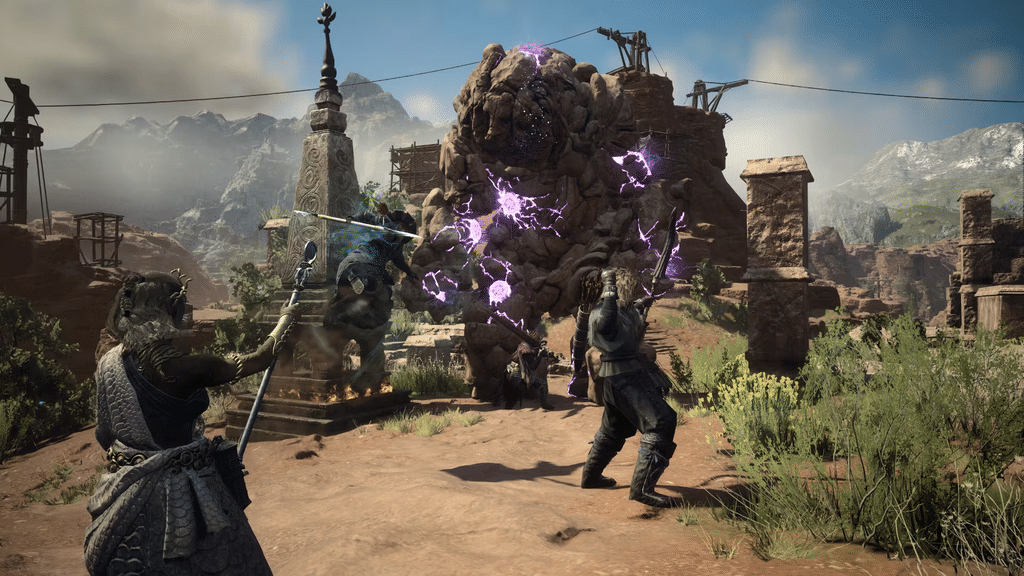
Combat in Dragon’s Dogma 2 is a spectacular dance of steel and sorcery. Every Vocation (class) boasts highly specific combat techniques, from the blindingly fast, stealthy strikes of the Thief to the devastating, heavy blows of the Fighter. The Mage can unleash destructive spells, while the Sorcerer wields even more cataclysmic magical artillery capable of completely shifting the tide of a battle. The magic system is deep and highly engaging, and its effects dynamically impact not just your enemies, but the environment itself. You will face a massive variety of foes, from towering Chimeras to elusive Harpies, each possessing distinct strengths and crippling weaknesses. Dragon’s Dogma 2 retains the wildly unique combat system of its predecessor, meaning you will once again find yourself physically climbing onto flying Griffons, desperately stabbing them as they try to buck you off their backs mid-air. Furthermore, the implementation of the RE Engine allows for a vastly superior physics system, which becomes incredibly fun once you realize just how much the environment can dictate a fight. The new engine encourages highly creative and unorthodox approaches to slaughtering your enemies. The dynamic environment actively begs players to exploit it. For example, you can shatter a dam to violently flood an entire canyon, cripple a massive monster’s legs to topple it off a cliff, or detonate an explosive barrel to unleash a torrent of water that sweeps away everything in its path. These scenarios even allow the Arisen and their Pawns to use the bodies of massive felled monsters as makeshift bridges while the beasts cling desperately to the edge of a ravine. This physics system breathes incredible life into the Pawns, enemies, and NPCs, generating countless unpredictable, unscripted moments during gameplay.
During combat, you must constantly evaluate your party’s composition and abilities, the surrounding terrain, and the specific weaknesses of the monstrosity in front of you. Crucially, you have to meticulously manage your Stamina, as exhaustion can have fatal consequences, especially when wrestling with massive bosses. One of the defining mechanics of the Dragon’s Dogma franchise is the ability to physically grab onto massive enemies and scale them to inflict targeted damage up close. This is absolutely vital when facing towering foes, as you will frequently need to locate their weak point and exploit it for massive damage. Fighting a standard Goblin is vastly different from trying to topple a colossal Cyclops that can literally punt you across the map with a single swing. It is exactly these dynamic situations that make the combat so fiercely engaging, because you rarely feel like a fight is playing out according to a rigid, pre-scripted scenario.
The Vocations serve as your character classes, and while they cover similar archetypes as the original game, every single option has been heavily redesigned. There is now significantly less mechanical overlap between the Vocations, giving each one a highly distinct identity and making it much easier to grasp their specific pros and cons. During my playthrough, I swapped Vocations several times, and every single time I hesitated to do it because I was having so much fun with my current setup. The new approach aggressively highlights their unique abilities and combat potential, meaning swapping classes doesn’t just mean equipping a different weapon and learning a couple of new combos, it fundamentally changes how you play the game.
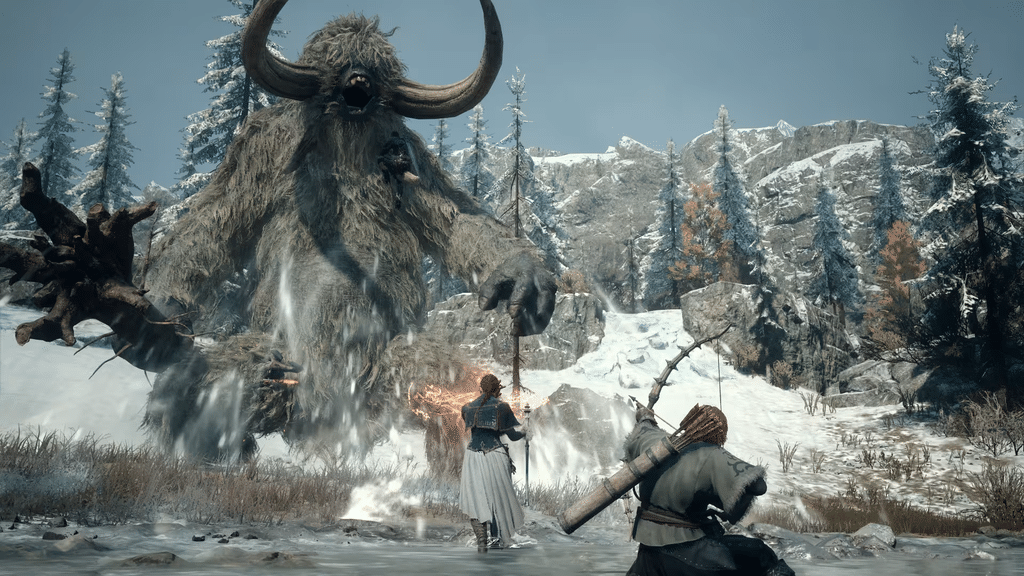
This emphasis on Vocation distinction is especially apparent with the brand-new options, namely the Mystic Spearhand and the Trickster. The Mystic Spearhand flawlessly blends the sheer aggression of physical melee with potent magic, standing out by wielding a duospear, a highly unique weapon. The combination of blistering mobility and impenetrable magical barriers turns this class into an overwhelming offensive powerhouse that practically never stops attacking, only pausing briefly to refresh its shields. It is ridiculously powerful! The Trickster, on the other hand, plays like absolutely nothing else in the game. As a Trickster, you conjure illusions and lay traps for enemies, forcing you to adopt a completely different, highly cerebral approach to combat. Instead of relying on raw damage output, you have to think three steps ahead and manipulate your enemies into doing exactly what you want. It is a fascinating change of pace compared to the other Vocations, and I absolutely love that Capcom didn’t try to force every class into a purely offensive mold.
Every Vocation offers enough unique tools that I genuinely wanted to max out every single one. Thankfully, Dragon’s Dogma 2 heavily encourages experimentation by completely overhauling how stat growths work. In the original game, your equipped Vocation permanently dictated your stat increases upon leveling up. This meant that switching from a Mage to a Fighter late in the game could severely handicap your character. Here, you can freely swap Vocations without ever worrying about permanently ruining your stat distribution. Your base stats dynamically auto-adjust to perfectly match your currently equipped Vocation, allowing you to experiment freely without a second thought. While some might argue this slightly diminishes the hardcore RPG appeal of meticulously min-maxing a specific build over 100 hours, I think it is an incredibly smart decision for a game that wants you to freely explore its sandbox. Especially when you consider just how outrageously fun some of these Vocations are; it would be an absolute tragedy to lock yourself out of trying them all.
After customizing your Arisen at the start of the game, you get to create your own personal main Pawn. While the first game featured this system, the sequel expands upon it with such staggering detail that you are essentially creating a fully-fledged secondary protagonist. Your main Pawn will follow you from the prologue to the end credits, assisting you in practically everything you do. They never feel like a generic, lifeless companion; Capcom somehow managed to breathe genuine life into them through highly advanced AI and dynamic interactions. When you aren’t playing, your Pawn can be hired by a friend on your list or a completely random player online. When they return from their expedition in another world, they will actively recount what they saw, where they went, what they fought, and even reveal hidden secrets or chest locations they discovered in the other player’s game that you haven’t found yet on your own map. These are phenomenal moments! I was absolutely blown away by how organic and natural interacting with them feels. Alongside your custom main Pawn, you can hire two additional support Pawns from the Rift, rounding out your four-person party.
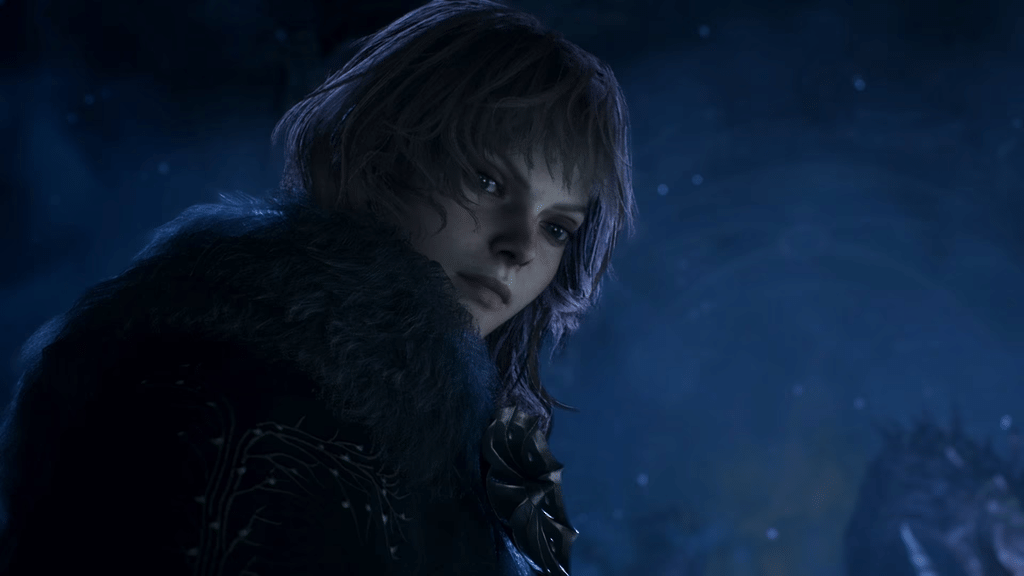
Hired Pawns still come and go, but they no longer feel nearly as disposable as they used to, largely due to how dynamically they chat with each other. When two of my Pawns started commenting on how flawlessly they were working together as a team, I actually felt a pang of genuine guilt knowing that one of them was now too low-level for my current area and I was going to have to dismiss them. However, if you travel with the same Pawn for too long, their persistent banter can become slightly repetitive, especially if you ignore their environmental advice. The phrase, “This ladder can take us to new heights!” became so aggressively grating every single time I entered Vernworth that I eventually just climbed the damn ladder purely to shut them up. Pawns also frequently react to environmental hazards simultaneously, resulting in a chaotic chorus of voices all expressing the exact same sentiment. This wild pendulum swing between genuine affection and mild irritation toward your Pawns is nothing new for long-time veterans of the franchise, and it’s incredibly easy to forgive those minor quirks when you are high-fiving your Pawn on top of a freshly slaughtered Ogre. It’s exactly these micro-interactions that elevate them far beyond standard NPC followers.
This gorgeous world is absolutely packed with lethal threats, and sometimes I genuinely wonder how average NPCs ever leave the safety of the city walls to get anything done. Griffons randomly dive-bomb from the sky, Cyclopes try to crush everything in their path, Goblins stage ambushes on almost every major road, and Harpies swoop down to literally snatch people off the ground. And that is barely scratching the surface of the horrors waiting to ruin your day. However, this is not a Souls-like game. While certain classes utilize dodge rolls or parries, combat is heavily rooted in strategy, relying on smart positioning, party synergy, and aggressively exploiting enemy weaknesses rather than purely relying on twitch reflexes or brute force. Even if you are severely under-leveled for a specific region, utilizing your knowledge can allow you to topple the most terrifying beasts. Learning that you must physically sever a specific monster’s tail before you can deal meaningful damage, that Goblins are terrified of fire, or that a Cyclops’s eye is its weak point (okay, that last one is pretty obvious) makes the combat vastly more engaging and rewarding. The exact same rule applies when you are over-leveled: arrogance and carelessness will easily result in a random pack of wolves stunlocking and slaughtering you by the side of the road in seconds.
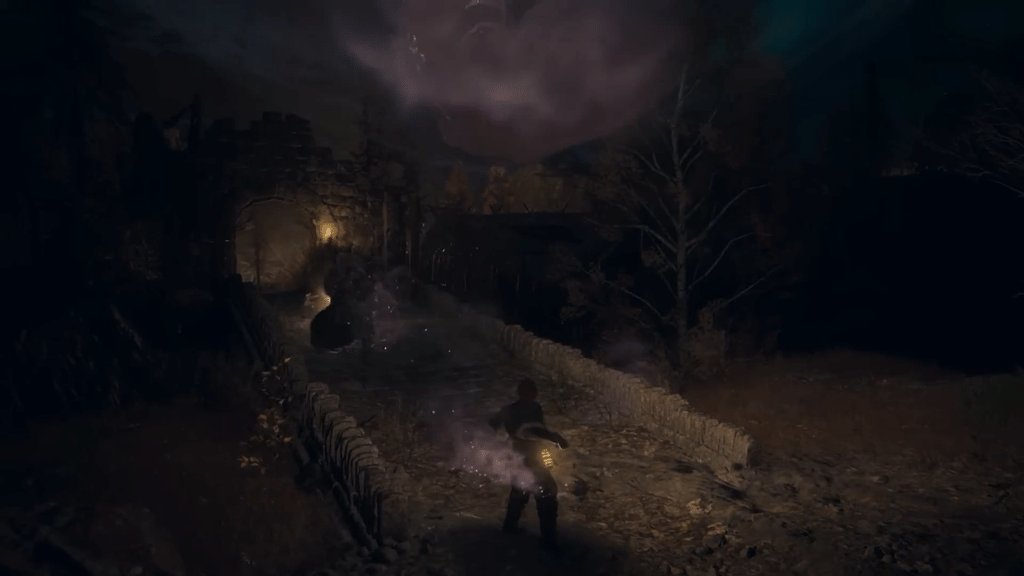
When night falls across this open world, it becomes an entirely different game. The night is pitch-black, like spilled ink, and even your lantern only illuminates a tiny, terrifying radius around your character. Yet, this is one of the game’s greatest triumphs. Entirely new horrors, mostly of the spectral and undead variety, crawl out of the shadows, joining the usual packs of beasts and bandits. Some enemies are actively drawn to your lantern light like moths to a flame, meaning even keeping your light on carries a massive inherent risk. Because of this, traveling at night demands intense focus and careful planning. There are frequent moments where you will genuinely ask yourself if it is worth pushing forward, or if you should just find a campsite, pitch a tent, and wait for sunrise. These terrifying nocturnal treks significantly amplify the game’s atmosphere and the pervasive sense of danger that shadows your every step.
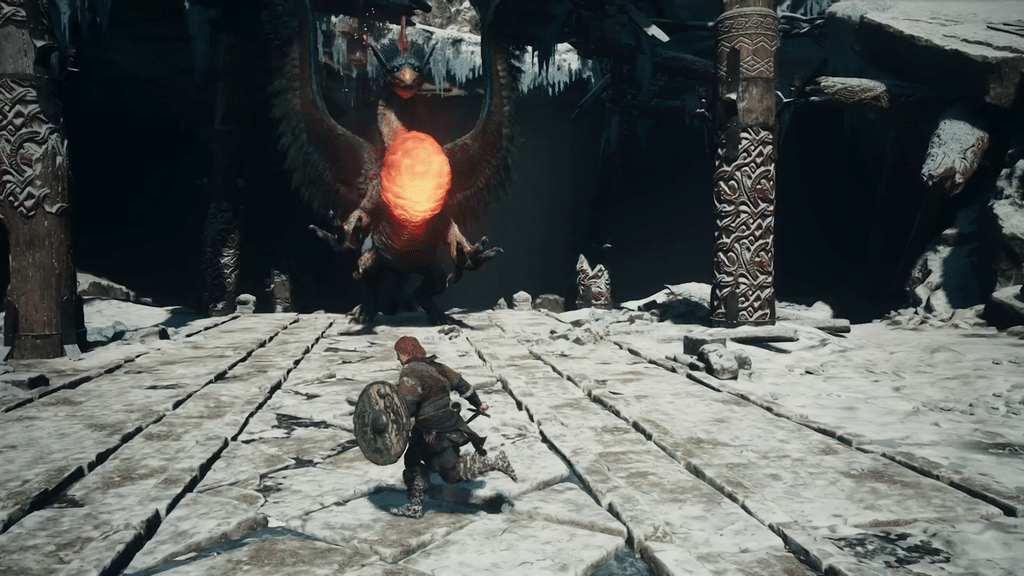
And then we get to the massive addition: Dragon’s Dogma 2: Dark Arisen, the brand-new expansion that aggressively expands an already staggering world. While the name will immediately trigger nostalgia for veteran fans who played the Dark Arisen expansion of the first game, this is entirely new content built specifically for the sequel. Capcom wisely decided not to fix what wasn’t broken, instead giving players a massive incentive to return to this world with a brand-new narrative, a completely fresh region, terrifying new enemies, and brutal challenges that will push your combat mastery to its absolute limits. The crown jewel of this expansion is undoubtedly Norgan, a harsh, northern region that has long been abandoned and practically erased from history. This is exactly where the tale of a new Arisen begins, an emergence that triggers a catastrophic chain of events leading you straight to a mysterious, seemingly immortal dragon. Naturally, absolutely nothing in the Dragon’s Dogma universe is ever straightforward, meaning you will have to dig deep to uncover the dark truth behind this immortal threat.
Norgan offers a drastically different biome compared to the lush forests of Vermund or the arid canyons of Battahl. Instead of sunny vistas and dusty trails, you are thrust into frozen wastelands, buried settlements, ancient ruins, and crumbling castles practically swallowed by the ice. The dynamic weather system heavily amplifies the oppressive atmosphere; you will frequently find yourself caught in blinding blizzards where visibility drops to near zero, leaving you completely blind to whatever is lurking just a few meters ahead. This isn’t merely a cosmetic palette swap; it’s a mechanical shift designed to constantly remind you just how hostile this frozen hellscape is to anyone foolish enough to explore it. Naturally, the region is packed with new threats, including lethal, ice-infused variants of familiar foes like Ogres and Drakes, alongside entirely original monstrosities and grueling new boss encounters. Some of these new bosses look and fight like they were ripped straight out of Monster Hunter, which is incredibly cool once you realize how drastically their combat loops differ from the encounters in the base game.
Alongside the frozen north and the new storyline, Dark Arisen introduces the Lost Rites, a brutal gauntlet of 12 distinct dungeons scattered across the existing world map. This is an incredibly exciting addition because these aren’t just standard caves you clear out for some chest loot; they are highly curated challenge rooms that demand completely different tactical approaches and an absolute mastery of the combat mechanics. Certain dungeons enforce severe restrictions. For example, you might be forced to clear a gauntlet with only two weapon skills equipped, or you might be locked inside a gladiatorial arena where your Pawns are completely barred from helping you. There are even scenarios where physical attacks are rendered entirely useless in claustrophobic corridors, forcing you to rely entirely on magic and meticulous crowd control. All of this makes the Lost Rites a phenomenal piece of endgame content, especially for players who have already rolled the credits on the base game and crave encounters that force them to actively rethink their builds. Simply having a high-level character and top-tier gear isn’t enough here. You frequently have to completely overhaul your Vocation, skills, and party composition just to stand a fighting chance.
Dark Arisen also introduces powerful new abilities and expands the number of equippable weapon skills, vastly deepening an already stellar combat system. This is a highly welcome quality-of-life upgrade, because while the base game’s combat was phenomenal, the restrictive skill slots sometimes prevented players from fully unleashing the true potential of their chosen Vocation. Paired with the grueling new dungeon challenges and a brand-new difficulty tier, the expansion successfully provides a massive, punishing test even for players who have comfortably cleared New Game Plus. Speaking of which, the new Hard Mode is specifically tailored for veterans who felt the base game’s difficulty plateaued too early. However, do not make the mistake of thinking you can simply toggle Hard Mode on and coast through the game using your old tactics. The newly buffed enemies and increased aggression will violently punish you the second you get sloppy, even if you are running a max-level Arisen backed by a squad of hyper-optimized Pawns.
In addition to the massive expansion content, Capcom spent the last year rolling out several major free updates that fundamentally altered the base game. Crucially, all of these improvements are baked directly into Dragon’s Dogma 2: Dark Arisen on the Nintendo Switch 2, completely “out-of-the-box.” For the other consoles, these updates delivered much-needed performance patches, expanded save-file options, and vastly increased the availability of Portcrystals and the Eternal Ferrystone, making fast travel across the massive map infinitely less tedious. Capcom also directly addressed several controversial mechanics that caused immense frustration at launch. The infamous Dragonsplague is the prime example. Originally, this mechanic could wipe out an entire city of crucial NPCs if you failed to spot the subtle symptoms in your Pawn before resting at an inn. The game now provides much clearer, more accessible warnings, which will undoubtedly be a massive relief for players who felt the original implementation was overly punitive and frustrating. Still, I have to admit that softening these mechanics slightly diminishes the raw, terrifying unpredictability that made Dragon’s Dogma 2 so fiercely unique. The constant, gnawing anxiety of never knowing what catastrophic event was waiting around the corner was one of the game’s greatest strengths, so it is highly debatable whether watering down these systems was ultimately the right call for the game’s core identity.
When it comes to the Nintendo Switch 2 port, Capcom was handed a genuinely impossible task. Dragon’s Dogma 2 has been notorious for its crushing CPU demands since day one, and the severe performance issues that plagued the PS5 and Xbox Series X at launch did not inspire much confidence when a port for Nintendo’s new hybrid console was announced. However, the development team has somehow delivered a genuinely miraculous port, especially when you factor in the sheer scale of the open world, the density of the physics-based combat, and the myriad of complex AI systems running simultaneously. The game utilizes DLSS image reconstruction to achieve a 1080p output in Docked mode and a crisp 720p in Handheld mode. Visually, the final result is shockingly good; certain graphical elements, such as the shadowing, actually look cleaner and more stable here than in some of the original console releases. Of course, bringing a game this massive to a portable device requires inevitable compromises. The global illumination has been simplified, foliage density has been noticeably dialed back, and you will definitely spot aggressive LOD (Level of Detail) pop-in as environmental assets and shadows load in late while you sprint across the map.
Regarding performance, the Switch 2 version offers several graphical toggles. The default mode targets a capped 30 frames per second. Alternatively, you can unlock the framerate or enable Frame Generation, which uses AI interpolation to create the visual smoothness of 60 frames per second. Naturally, it is crucial to understand that this is not a native 60 FPS; the hardware is generating synthetic frames between the natively rendered ones. While this undeniably delivers a much smoother, fluid image in motion, it does introduce inherent visual artifacts. You will occasionally notice ghosting behind fast-moving characters, or slight visual tearing and artifacting around UI elements and the nameplates hovering above NPCs and your Pawns. I was incredibly skeptical about utilizing Frame Generation on the Switch 2, especially since it is doubling a base 30 FPS to 60 FPS, a scenario that, in theory, usually results in terrible input latency and severe visual smearing. But I have to admit, even with the minor artifacting I mentioned, the game looks absolutely phenomenal running at that interpolated 60 FPS. I am genuinely stunned by how incredibly smooth it feels, and the input lag is surprisingly negligible compared to the native 30 FPS mode. I’ve played other console titles utilizing 30-to-60 frame-gen, but Dragon’s Dogma 2: Dark Arisen easily boasts the best implementation I have seen so far. I actually ended up playing the vast majority of my 100-hour playthrough with Frame Generation turned on, something I never in a million years thought I would do, let alone genuinely enjoy.
Ultimately, the most important takeaway is that Capcom successfully crammed the complete, uncompromised Dragon’s Dogma 2 experience onto a portable console. The massive open-world exploration, the cinematic battles against towering mythical beasts, the complex Pawn management, and the chaotic, unscripted emergent gameplay are all fully intact. Naturally, if you are expecting the exact same visual fidelity and native performance you get on a high-end PC or a PS5, you have to accept that physical compromises were necessary. But realistically, the ability to take a sprawling, 100-hour AAA action RPG of this magnitude and play it flawlessly in handheld mode on a train is an absolutely massive triumph. I particularly love that the Switch 2 version doesn’t try to hide how ridiculously ambitious the game is; it preserves the core mechanical soul of the experience, even if it had to trim some visual fat to make it run.
We would like to thank Capcom for providing us with a copy of the game for review purposes.
Dragon's Dogma 2: Dark Arisen (Nintendo Switch 2)
When you draw the bottom line, Dragon’s Dogma 2: Dark Arisen is objectively a phenomenal video game, easily standing as a top-tier contender for the greatest action RPG experience currently available on the market. The base game was already a masterpiece, but the inclusion of the massive Dark Arisen expansion elevates this package into absolute must-play territory for literally any fan of the genre. Subjectively, sure, some players might bounce off the deliberate, physics-heavy combat, the slower, methodical pace of travel, or the unapologetically obtuse mechanics that demand genuine patience to learn. And yes, the visual compromises required to get it running on the Switch 2 make it look slightly different than its more powerful console siblings, but that doesn't make it an inferior game in any mechanical sense. I can comfortably say that Capcom pulled off a staggering, seemingly impossible port. When you step back and look at the sheer volume of content, the intoxicating freedom it gives the player, and how brilliantly the disparate mechanics synergize to create emergent chaos, it is impossible not to be completely blown away. Every single moment in Dragon’s Dogma 2 has the potential to become a wildly unforgettable, completely unscripted cinematic spectacle that you simply couldn't have planned if you tried. That is exactly what separates this title from every other safe, heavily scripted RPG on the market. You genuinely never know what is waiting for you over the next ridge, what terrifying monster is going to ambush your camp, or what hilarious disaster you and your Pawns are about to stumble into. And honestly, that relentless unpredictability is exactly why Dragon’s Dogma 2: Dark Arisen is an absolute, once-in-a-generation masterpiece.
