
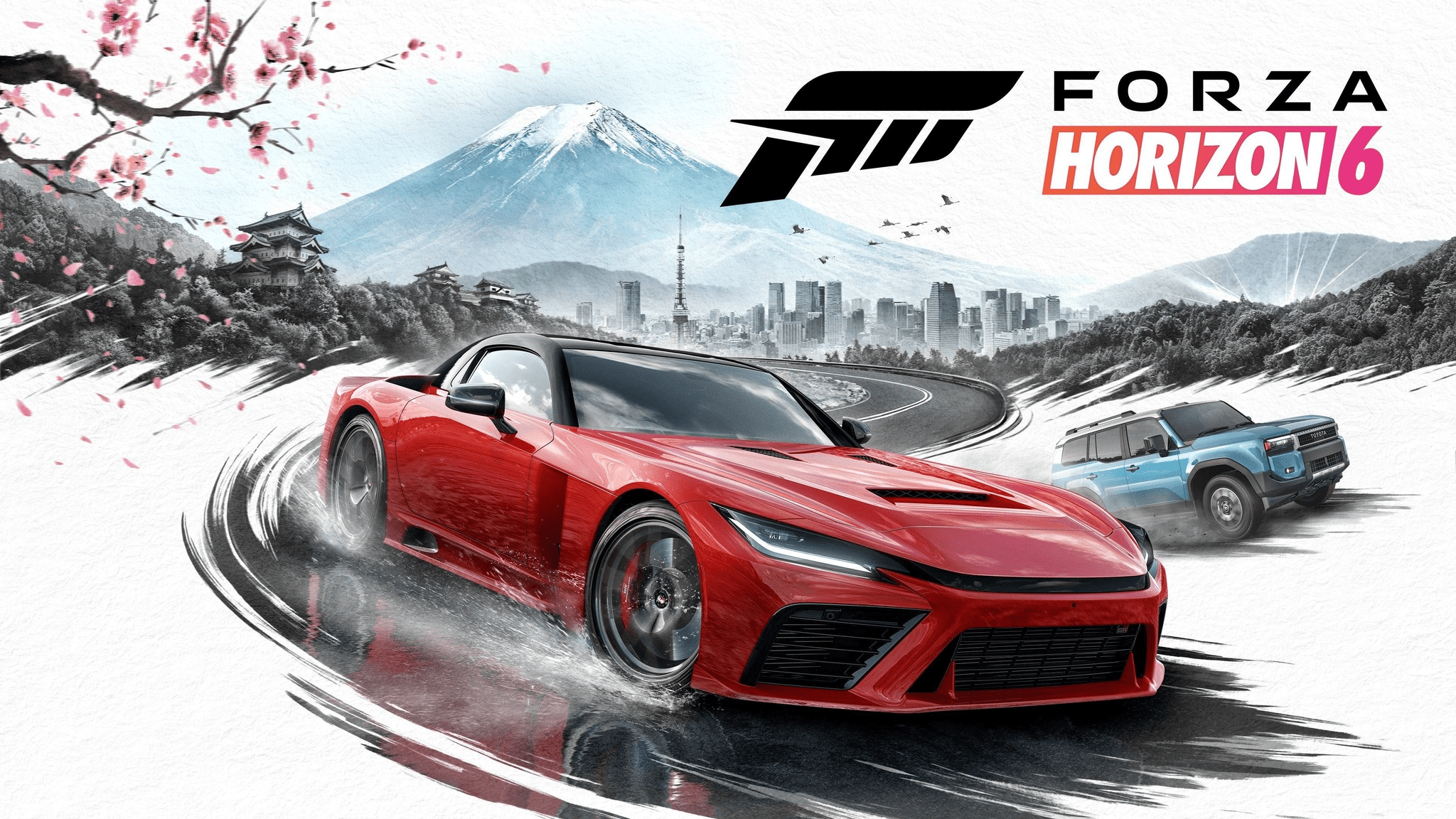

I don’t think Forza Horizon really needs some grand introduction anymore. From the very first game, Playground Games set the gold standard for arcade racing in the industry. Every new instalment simply brought more of everything, more cars, more spectacular events, more breathtaking locations. And at no point has the franchise stumbled, not even slightly. That’s exactly why the launch of each new Horizon title feels like a genuine celebration in the gaming world, and that’s absolutely the case with Forza Horizon 6.
If we’re being completely honest, this might be the most exciting entry yet, because Playground Games has finally delivered the setting fans have been begging for. Fourteen years later, the Horizon Festival has arrived in Japan. And the best part? You’re not some pre-crowned superstar, you’re just an ordinary tourist who suddenly becomes the centrepiece of this massive automotive celebration in a country where car culture has been deeply rooted since the mid-20th century and woven into everyday life.
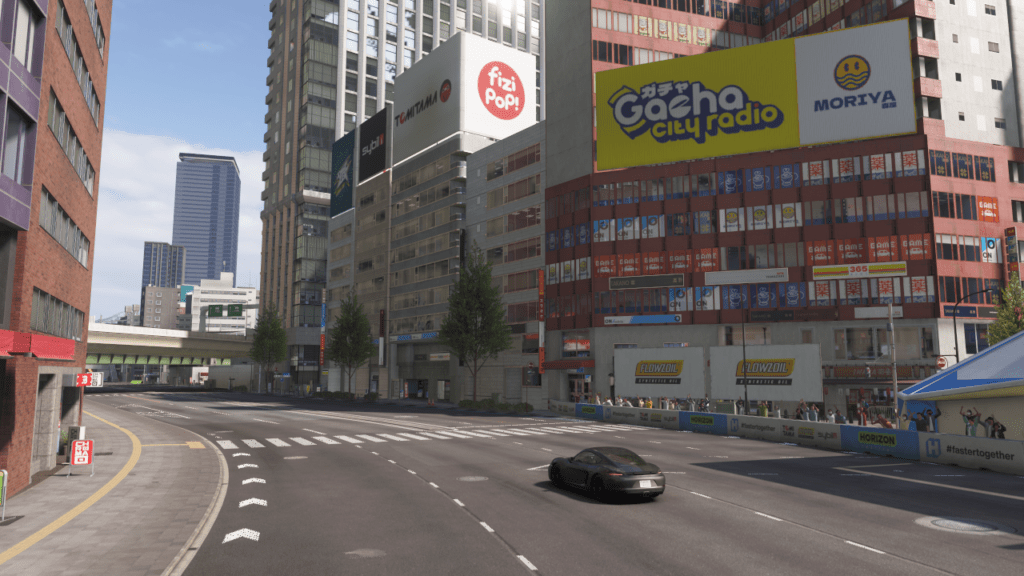
Over the past ten days, we’ve spent around fifty hours exploring this stunning recreation of Japan, a place where modern life and futuristic architecture blend seamlessly with centuries-old tradition, both culturally and within the automotive world. And honestly, what else is there to say except that this is arcade racing perfected for today’s standards. But let’s start from the beginning.
Forza Horizon 6 doesn’t revolve around a massive central storyline. At its core, you’re simply a tourist who arrives in Japan to admire its automotive scene and, by chance, becomes one of the key figures of the Horizon Festival while it’s being hosted there. As you progress, you gradually take on a bigger role among your friends, proving yourself race after race. The dialogue sequences between major events, especially those tied to earning your Wristbands, constantly remind you how impressed everyone is with your driving. They push you forward, encouraging you to see just how far you can go.
What really stood out to me, though, was how the game presents Japan itself through the Discover Japan section, a separate progression path, almost like a mini-campaign within the main game. Essentially, there are two parallel routes for single-player progression. One revolves around Horizon Festival events, pushing the main campaign forward. The other focuses on Discover Japan, teaching you about the country’s automotive history, its traditions, neighbourhoods, unique landmarks, and the deep cultural roots of street racing, drifting, and touge battles. I have to admit, this part genuinely impressed me.
The Discover Japan path isn’t just about racing. Yes, you’ll compete in events, but you’ll also learn what those race types represent in Japanese car culture. Even better are the Story missions, segments that unfold almost like narrative-driven episodes, depending on the path you choose. You might drive through famous landmarks while a guide explains their significance, help a mechanic named Yuki select six vehicles for the Horizon Festival, or assist automotive photographer Larry Chen in capturing the perfect shots for a magazine spread.
These stories aren’t just there for entertainment, they educate you about Japan, its automotive industry, its street racing traditions, and its culture as a whole. The touge races quickly became my personal favorite. The way the game uses these race types, and even simple sightseeing drives or helping local community members, to showcase Japan is simply brilliant. Honestly, anyone playing Forza Horizon 6 should take the time to fully experience this side of the game. It’s fantastic. And the missions with Larry double as an extended tutorial for mastering Photo Mode, which is a really clever touch.
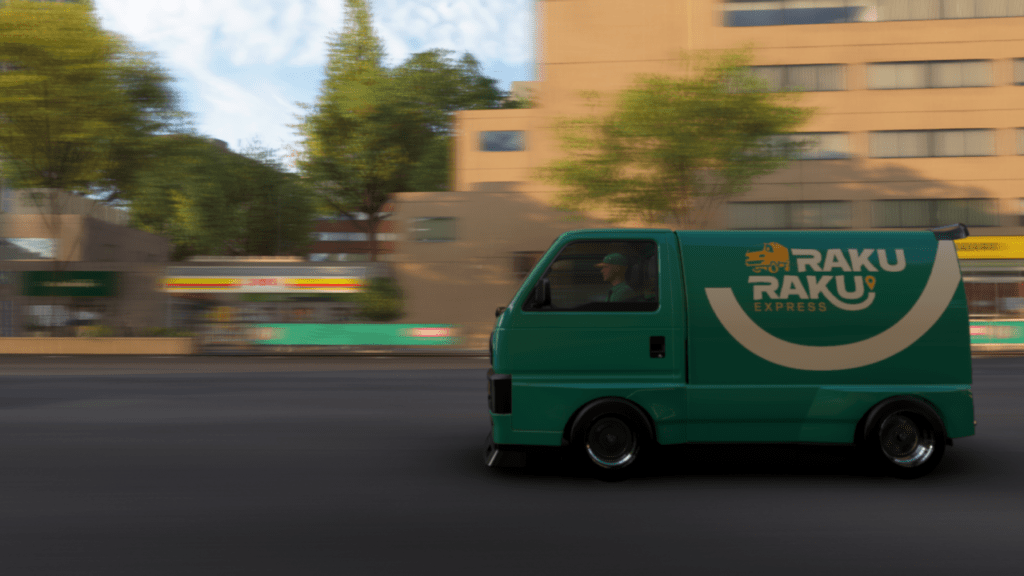
And yes, food delivery missions have returned, and they’re better than ever. Some require you to drift because the customer wants their milkshake “properly shaken,” others push you to hit high speeds so the food doesn’t get cold. In certain missions, you’ll handle multiple deliveries at once or race another courier to see who earns the biggest tip. There’s a surprising amount of variety here, complete with its own progression system. Honestly, how can that not be great?
On the other side, Horizon Festival races represent the core campaign experience. Wristbands are back, but they don’t function like they did in Forza Horizon 4, where they were tied directly to your driver level. They weren’t even present in Forza Horizon 5, since you were already treated like a superstar from the start. In Forza Horizon 6, however, Wristbands are central to progression. By collecting Horizon Points, you unlock major Wristband events, each serving as a spectacular culmination of a campaign chapter.
My only slight disappointment is that some showcase races feel more like visual spectacles than true competitive challenges. Many of them just need to be completed, though a few do require you to actually fight for first place or secure a podium finish. Still, I appreciated that you can’t simply unlock the orange or blue Wristbands by mindlessly ticking off random activities. The progression feels more focused this time. The game nudges you toward a clear path instead of letting you aimlessly drift from event to event.
That focus made the experience far more enjoyable for me. Even with the usual icon-heavy map chaos, I always knew what I needed to do next, where to go, and which event would push the campaign forward.
A big part of that clarity comes from the new “What’s Next” tab in the menu. With a single click, you’re presented with two recommended races that advance your campaign and two optional ones unrelated to main progression. It cuts down on the time spent scanning the map for the next event. It’s streamlined, but not in a restrictive way. Instead, it simply helps players navigate this massive world more efficiently.
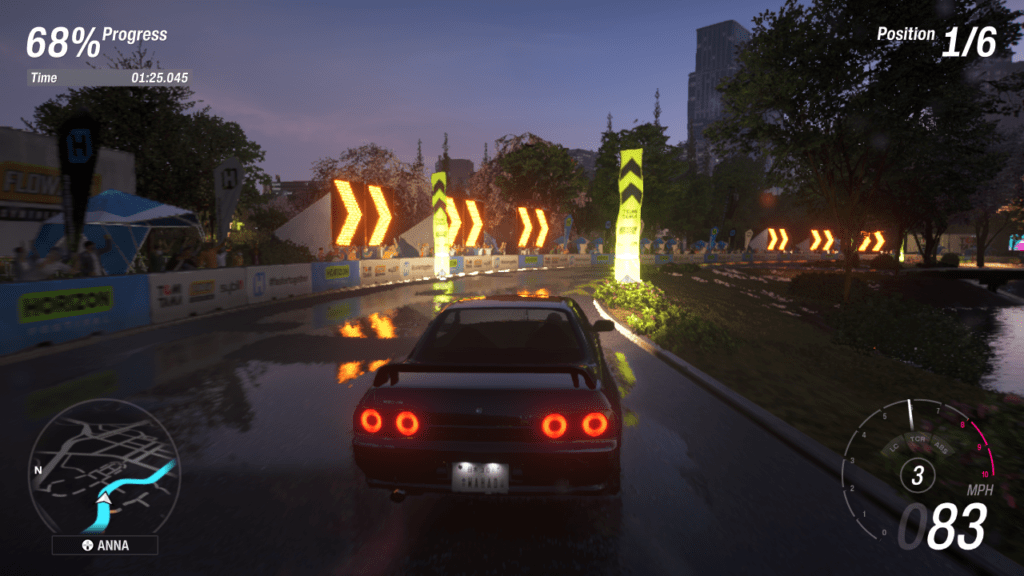
Interestingly, if you finish a race in second place, it might reappear in the “What’s Next” tab until you claim victory. The same goes for side activities, you’ll see them pop up again until you set the best time, top speed, or longest jump. Previously, we only had the virtual assistant Anna, who would highlight the nearest race without offering much choice. This new system feels like a thoughtful evolution and one that will genuinely benefit players of all types.
The third layer of progression is tied to Multiplayer, more specifically, the Horizon Play events. Alongside standard races, this mode brings the community together in shared activities, everything from car-based hide-and-seek across specific parts of the map to challenges where players try to beat set targets for maximum or average speed. Just like Discover Japan and Horizon Events, this progression path rewards you with all sorts of bonuses: not just credits for buying cars, but also stickers, icons, badges you can display next to your name, and plenty of other cosmetic touches.
And there’s a fourth one I almost forgot. This one is about car progression. More specifically, in the game, you earn skill points that you can invest into upgrading specific bonuses for your favourite vehicles. This isn’t about making the car handle better or improving its agility, strength, dexterity, or anything like that. Instead, the bonuses are strictly focused on things like earning more money, gaining more skill points while performing various stunts, and similar rewards. And by completing the skill tree for certain vehicles, you can even unlock a classic car.
When you look at all these progression systems combined, it’s clear the game has a lot to offer for every type of player. And that’s without even mentioning how wonderful it feels to simply cruise through virtual Japan in Forza Horizon 6. Which brings me to the part many have been waiting for in a Horizon title, the setting itself: Japan.
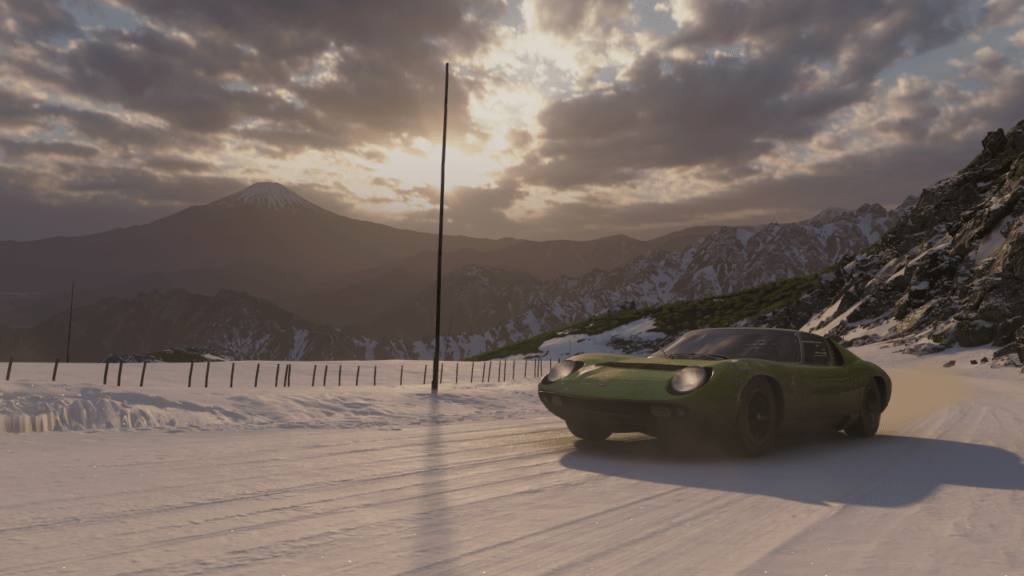
The entire country, or rather the map of Japan in Forza Horizon 6, has been crafted beautifully. Just like in real life, you’ll find everything from regions defined by long, breathtaking beaches to snow-covered mountains where roads are blanketed in ice and deep snow. Playground Games has once again delivered a map that feels carefully balanced, filled with a wide variety of road types, environments, and scenery that all coexist naturally within one cohesive world. And best of all, everything looks stunning. When you drive from the coast toward the mountains, the transition isn’t abrupt, it subtly emphasizes the shift from one region to another. Those natural blends between environments are genuinely beautiful to experience while driving. Even after finishing all the races, I often found myself recognizing certain areas tied to specific events and thinking how incredible it is that what once felt like a vertical slice for a single challenge now seamlessly melts into the broader world around it. It doesn’t feel like a game map, it feels like a (virtual) world. And really, isn’t that the goal?
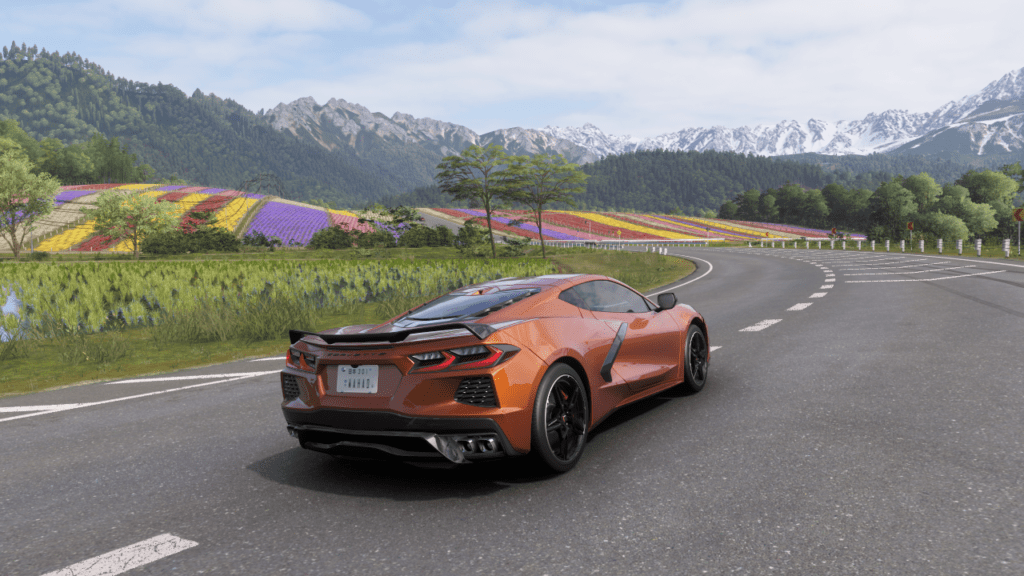
One location on the map stands out in particular: Tokyo City. The first thing I appreciated about its design, or rather about the game’s overall design philosophy, is that unlike previous entries, it doesn’t rely on exaggerated, overly saturated colors or flashy visual accents. Everything feels more grounded and realistic, from the environments you drive through to the buildings you see and the landscapes you admire. And then, just when you start thinking the visual tone is restrained, you stumble upon a flower valley that completely takes your breath away. Because honestly, how could flowers not impress absolutely everyone, even in a virtual world?
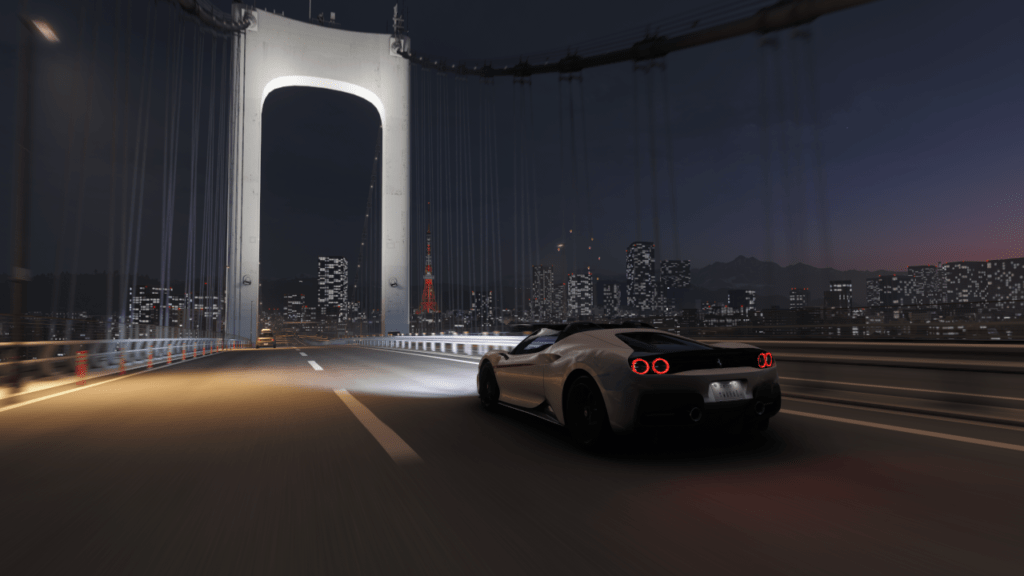
But back to Tokyo City. The most immediate difference compared to other cities in the series is its density. The city feels packed with detail, narrow side streets, highways connecting districts to surrounding regions, wider roads that glow at night during underground races. It all feels alive, authentic, as though Playground Games inserted you into a faithful, albeit scaled-down, version of Tokyo. There was always that concern about how such a massive city could be translated into a game without awkward transitions between urban zones and the countryside. I’m happy to say it’s handled masterfully. At no point does the city abruptly end, throwing you into open nature. Instead, the game gradually pulls you out of the Tokyo illusion. And if you don’t want to leave? The city is large enough that you can easily lose yourself in it time and time again.
Even after nearly 50 hours, I still hadn’t seen every small detail woven into Tokyo City. Everything iconic about the real-world metropolis has been represented, from architectural styles and major shopping centers to tiny alleyways lined with fast-food spots. You can stop almost anywhere and admire the craftsmanship.
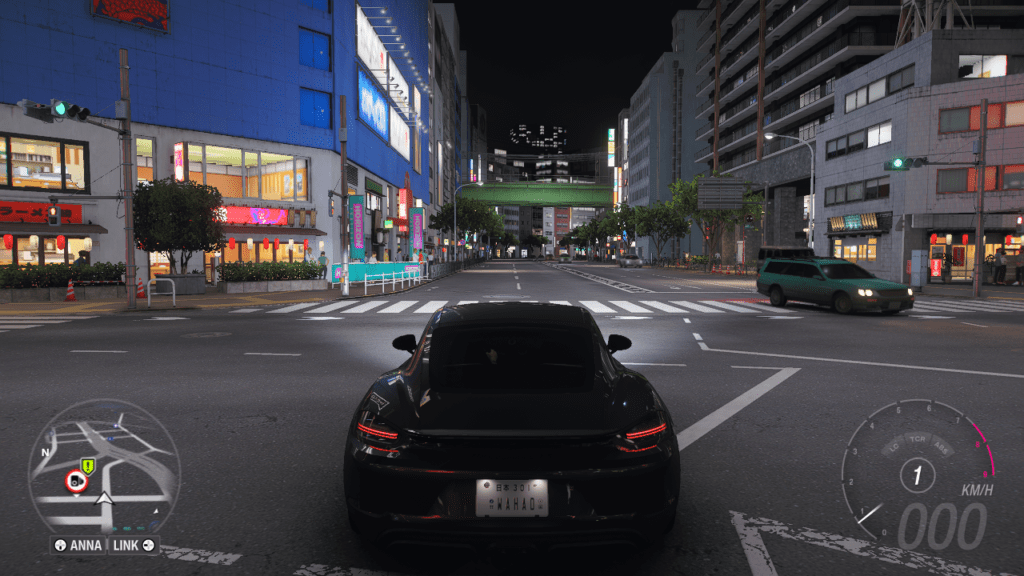
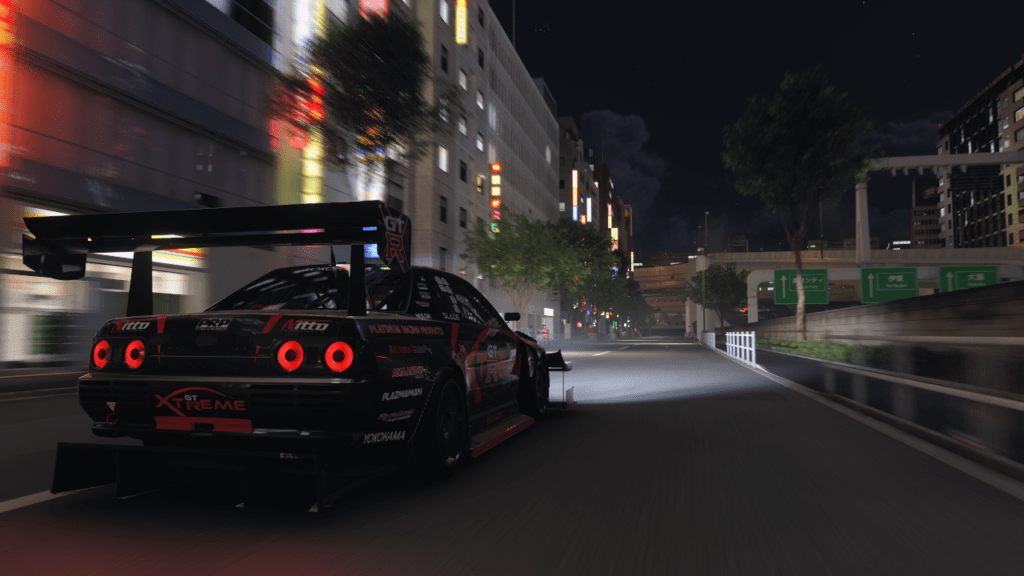
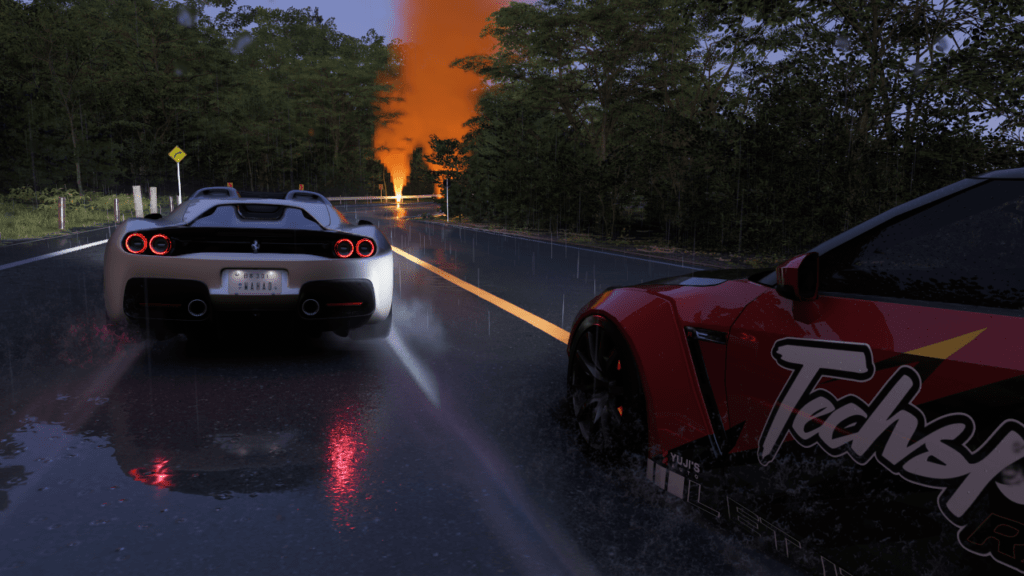
Another aspect I truly appreciated is how Tokyo is presented visually, which ties back to the game’s overall artistic direction. There are no overwhelming neon explosions during the day because Tokyo itself isn’t inherently loud in that way. It’s gray, and that tone dominates the cityscape. Until night falls. Then the streets light up with underground racing events, storefront advertisements glow under the dark sky, and the city transforms, not into a caricature of neon cyberpunk excess, but into something vibrant in a more believable way. Add rainy weather into the mix, with puddles reflecting the city lights along narrow streets as you drive through them, and it becomes genuinely breathtaking. In those moments, you’ll likely spend more time in Photo Mode than behind the wheel. You’ll search for the most atmospheric alleys, the liveliest districts, or even real-world landmarks recreated in the game, comparing them to photos you’ve seen online, or perhaps to memories if you’ve been lucky enough to visit Tokyo yourself.
What’s particularly refreshing is that Tokyo at night doesn’t look like the stereotypical neon-drenched version we often associate with Japan in other games. When many think of Tokyo, they immediately picture endless cyberpunk lighting at every corner. Here, the developers struck a careful balance between realism and visual appeal. That balance, between what feels authentic and what looks stunning in a game, is what impressed me the most. The overall approach is more grounded than in previous entries: more realistic colors, lighting, and environmental design. It’s easier on the eyes, and simply put, easier to enjoy.
Although there’s only one major city in the game, there are also smaller settlements rooted in Japanese tradition. One of them is Shirakawa-go, a real historical village in Japan known for its tall, steeply slanted thatched-roof houses. If you Google images of the village and compare them to the in-game version, you’ll struggle to spot meaningful differences. There are also Machiya, traditional wooden townhouses that most people would recognize visually, even if they didn’t know the name, which players can purchase in certain iconic parts of the map and use as their base of operations.
Beyond that, in and around Tokyo City, you’ll encounter just about everything you could imagine or have seen associated with the real metropolis. From penthouses and shopping malls to fast-food spots and traditional restaurants, from sprawling industrial districts packed with scattered shipping containers to abandoned warehouses repurposed as drift practice arenas. Nearly every corner of the map offers something that will either impress you outright or, even better, spark your curiosity and push you to explore further.
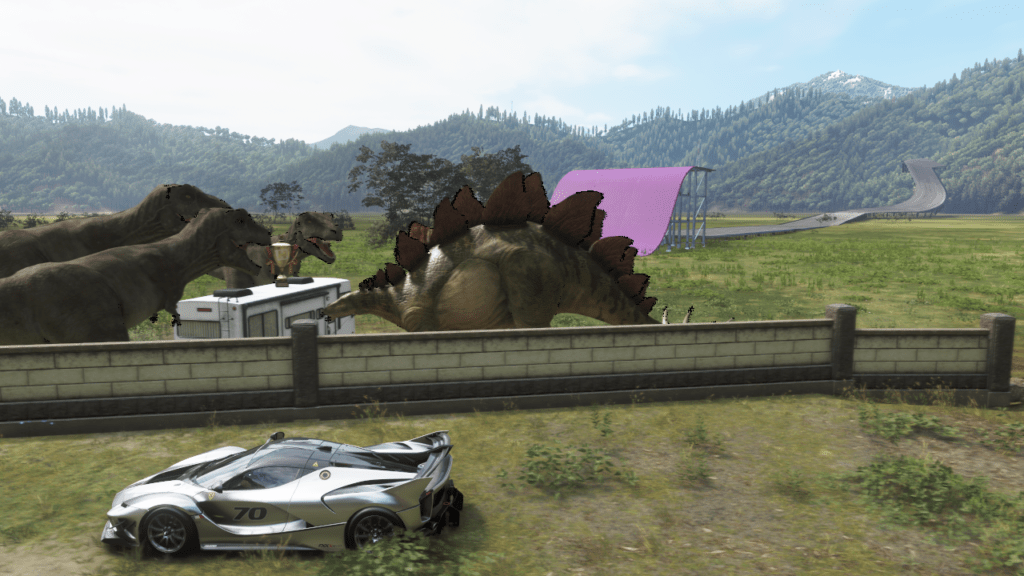
I mentioned the houses you can purchase, places where you can rest, admire your cars, plan your next move, and most importantly, set your spawn point each time you load into the game. Alongside these properties, there’s also Akiya, also known as The Estate, which serves as your main base of operations. It’s located in the northwestern part of the map, tucked away in an abandoned mountain valley that once belonged to someone else. And this is where things get really interesting. This location gives you an enormous amount of space. Space for what, you might ask? For creativity. One of the major new additions is the ability to build virtually anything you want on your estate. A small town? No problem. A wild Hot Wheels-style track packed with crazy loops and stunts? Absolutely. A forest circuit with dinosaurs lurking on the sides and some flying overhead? Yes, even that is possible. When it comes to this feature, the only real limits are your imagination and your patience, because building all of this with a controller can be painfully slow. I imagine it’s far more intuitive and enjoyable on PC with a mouse and keyboard.
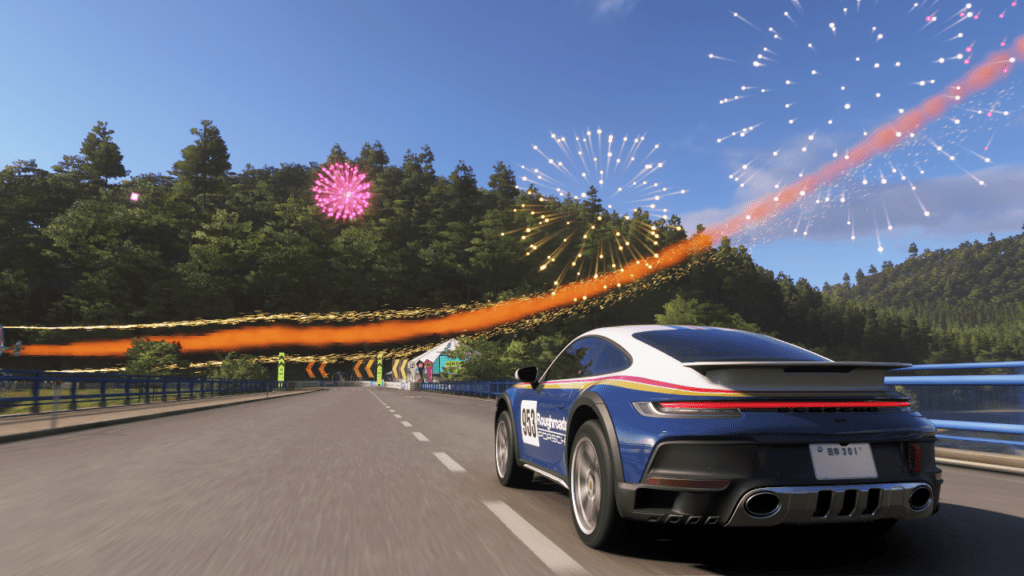
Another new addition comes in the form of Touge races, popular, illegal mountain battles deeply rooted in Japanese car culture. These are head-to-head duels between two cars racing downhill along narrow, steep, winding roads where you’ll often spend more time making sure you don’t fall into a ravine than worrying about your top speed. The key here is the perfect balance between control and pace, and of course, having a car that can attack corners aggressively and exit them without losing momentum. Personally, this was my favorite activity in the entire game. I genuinely wish there were more Touge events, because each one feels like its own spectacle.
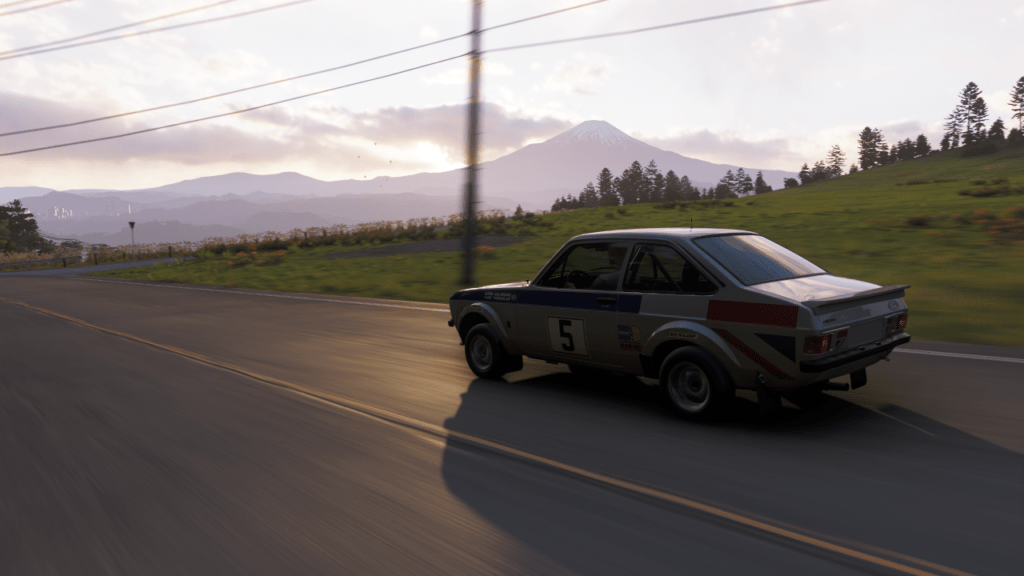
The rest of the races follow the traditional Forza Horizon formula, but there’s a stronger focus on drift activities this time around. On a personal note, Forza Horizon 6 would have been a fantastic game even without them. They simply didn’t click with me. Most of these events revolved around skill points at the end of the activity, and they were by far the most challenging for me. These were the only events where I consistently failed to earn three stars, often settling for two, and sometimes even just one.
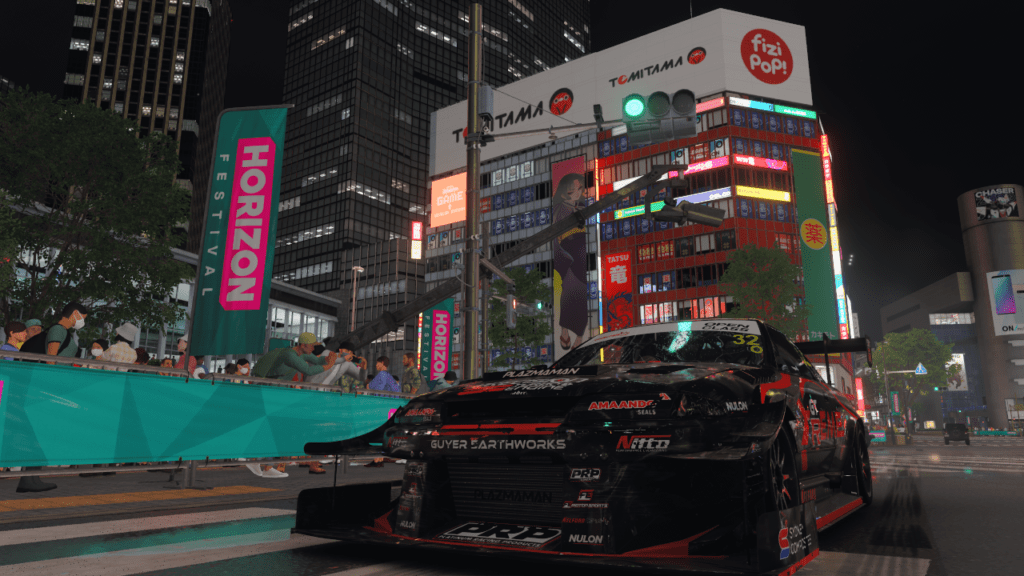
One aspect I haven’t touched on yet is vehicle handling, the feel of driving itself. And honestly, there’s not much to criticize here. Playground Games perfected their formula long before Forza Horizon 6, and what we have now feels like a natural evolution of that already refined system. The driving feels phenomenal. Vehicle control responds with near millimeter precision to your inputs. Of course, everything depends on the car you’re driving and its inherent capabilities. Some vehicles require time to master because each one behaves like a beast of its own. But after a few dozen hours, adaptation becomes second nature. You start to understand how each car “breathes,” what it’s capable of, and which track types suit it best.
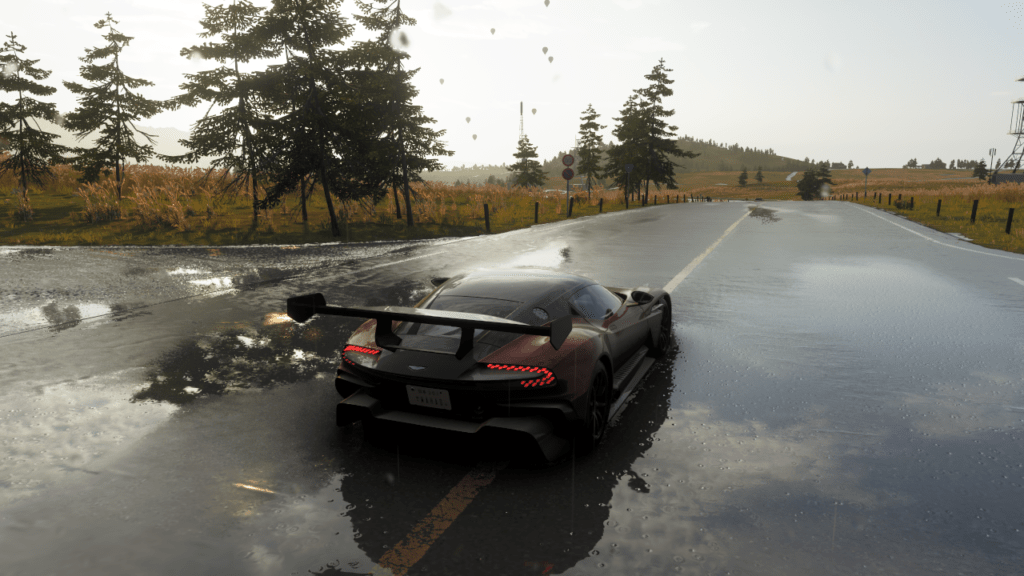
And while we’re on that subject, tuning returns as well. It’s not mandatory, and I suspect most players won’t dive too deeply into it. However, if you plan to play on higher difficulties, especially in later races, tuning becomes almost essential. Every car has hidden potential beyond its default setup, and that extra edge can be the deciding factor in tougher competitions.
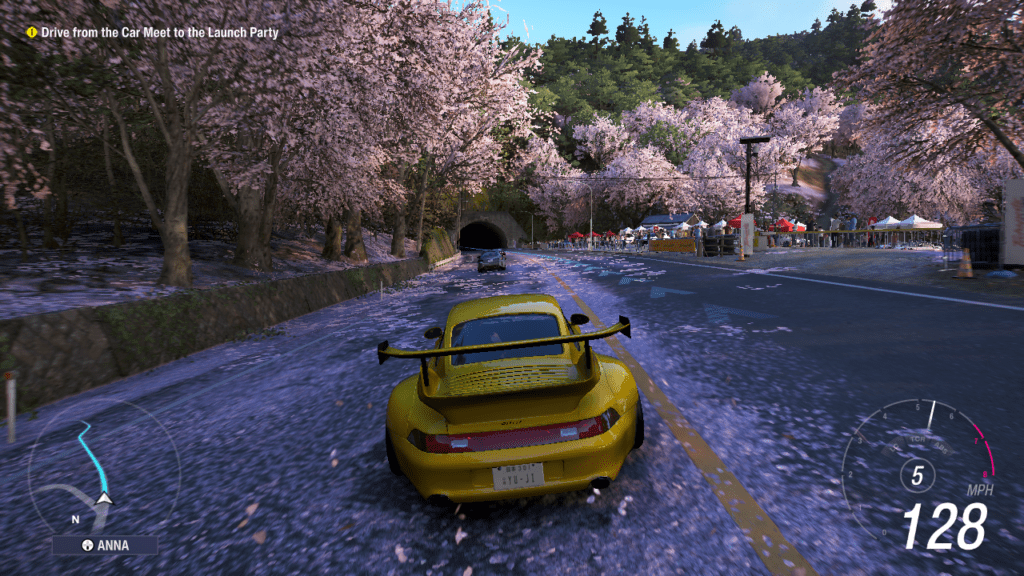
Another returning feature is the dynamic seasonal system. Much like in Forza Horizon 4 (if I remember correctly), seasons will rotate weekly after launch. That means you’ll have seven days to enjoy autumn, winter in Japan, spring when cherry blossoms bloom, or summer when high-speed drives are accompanied by welcome warm winds. During the review period, we had access to two seasons, spring and summer. I was especially excited to experience Forza Horizon 6 while cherry blossom petals drifted across the streets, only to be lifted into swirling vortexes by the speed of your car. Unfortunately for me, that seasonal shift ended just one day after we received the review code. I genuinely believe spring in this game will become what autumn was in Forza Horizon 4, a small but unforgettable spectacle. Each season will also introduce special events and races unique to that period, adding another layer of variety.
None of this would matter if the game weren’t well optimized. Believe it or not, I spent nearly 50 hours playing exclusively on the ASUS ROG Ally X PC handheld. I know what you’re thinking, why would you do that to yourself? I had the same thought before committing to the review, and I almost turned down the opportunity because of it. But to my surprise, the optimization is outstanding. I completed the entire game on High settings at 720p resolution with RT Reflections set to Low. The reason for that specific configuration is simple: even on Low, RT Reflections add depth and detail that simply aren’t present when using Screen Space Reflections on High. Performance was impressive. In the city, the lowest FPS I saw was 39, but it mostly hovered above 40, which feels great on a 120Hz display. Outside the city, frame rates reached as high as 70 FPS, often stabilizing around 55.
The default High preset actually performs even better, around 50 FPS in the city and consistently above 60 outside, but I personally preferred the added visual depth from ray-traced reflections. Anyone with a similar handheld PC can comfortably enjoy the game on it, or at the very least use it as a secondary platform if you also own an Xbox Series X, since this is an Xbox Play Anywhere title. I even tested Extreme settings with ray tracing enabled. Outside the city, it surprisingly held around 25 FPS, not playable, but visually stunning. It was fascinating to see just how much the game can deliver on high-end PC hardware. And even so, at no point was I disappointed with the High + RT Reflections Low combination. Because no matter the setting, this game looks breathtaking in virtually every scene. And just to mention, all screenshots in this review were taken on the ROG Ally X PC Handheld. And one more thing, I was playing Horza Horizon 6 exclusively while plugged in to the charger, 30w mode, with CPU Boost turned On.
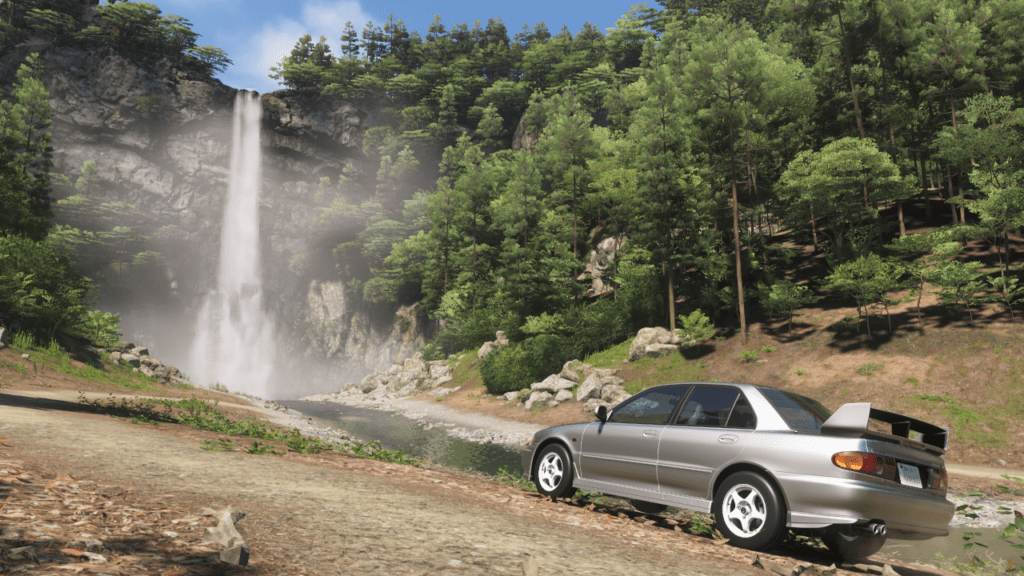
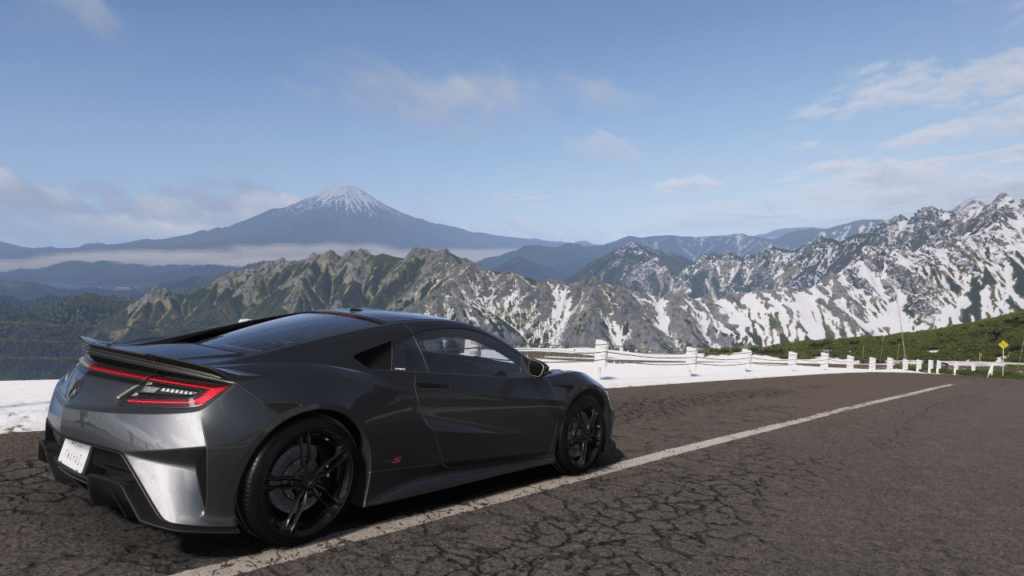
What truly sets this title apart for me is that it never felt exhausting or like a chore to keep playing, even with a review deadline hanging over my head. The game constantly pulled me back in. Whenever I wasn’t playing it, I was thinking about it and wanting to jump back behind the wheel. That feeling of entering a corner at 300 km/h with Mount Fuji towering in the background… racing downhill as trees blur past you while you chase yet another descent record… or carefully navigating tight Touge turns as the moon slowly rises over the horizon, those moments are simply unforgettable.
We would like to thank Xbox Game Studios for providing us with a copy of the game for review purposes.
Forza Horizon 6 (PC)
And with that, we reach the conclusion of this Forza Horizon 6 review. I’m not even sure a special closing statement is necessary, because Forza Horizon 6 is, without question, the best arcade racing game currently on the market—and I believe it will hold that title until the inevitable seventh installment arrives. It once again achieves what this series has consistently done for years: delivering breathtaking Showcase events, giving us countless reasons to pause and admire its stunning virtual world, and pulling us into such intense focus that hours pass by unnoticed as we effectively live inside this beautiful recreation of Japan. Anyone with a Game Pass subscription simply has to try it. And those who don’t should absolutely make room for it in their collection. Playground Games has once again proven with Forza Horizon 6 why they’re considered the gold standard when it comes to arcade racing experiences. Pure perfection.
