
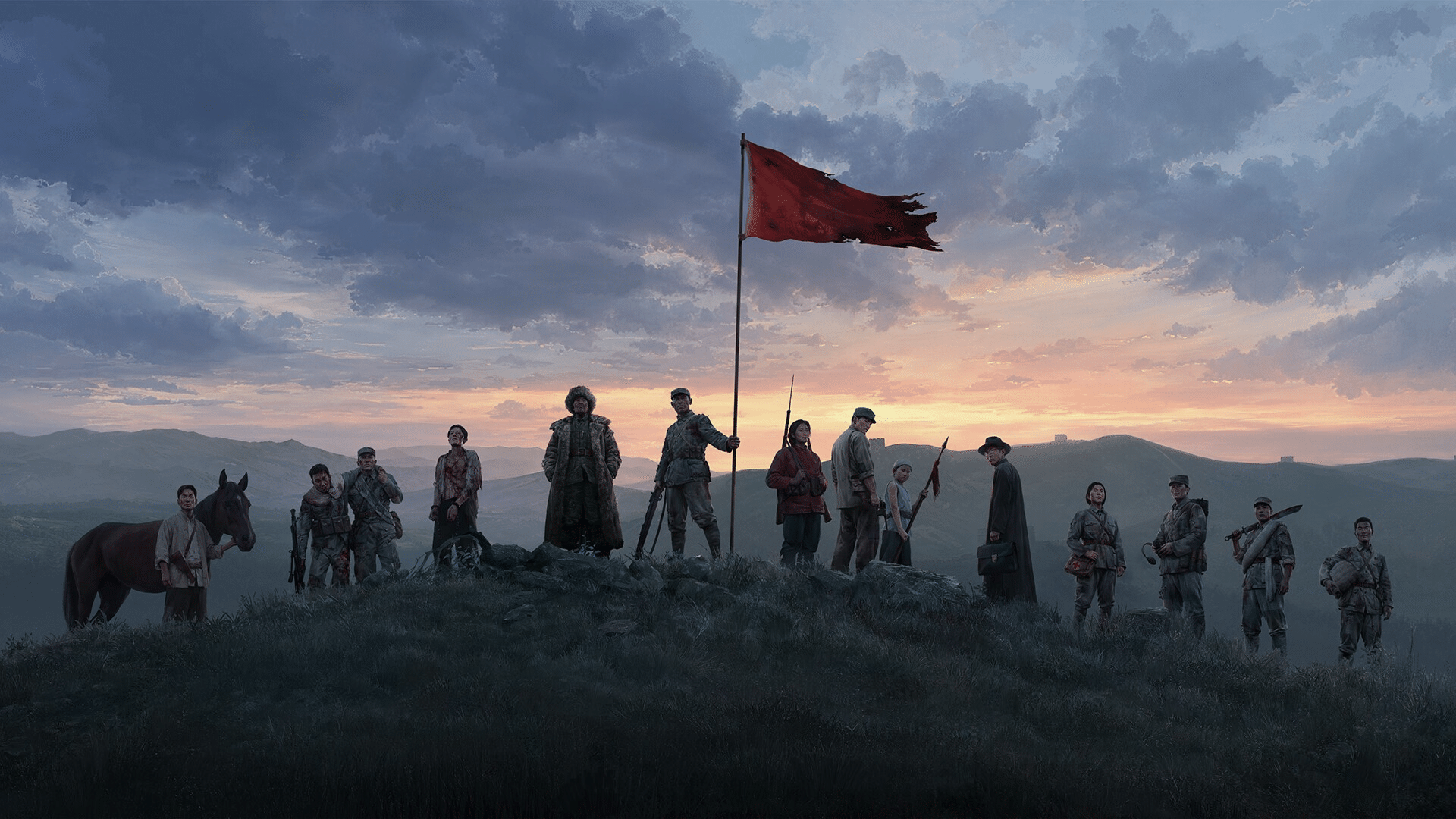

Another really good title we saw at this year’s Gamescom is The Defiant. But unlike other games that focus heavily on third-person melee combat, The Defiant is something completely different. It’s a first-person shooter set in World War II. However, unlike all the popular FPS games from this era, which, let’s be honest, have gotten incredibly stale, The Defiant actually moves its setting to China. Oh yes, World War II happened there too; it’s just that we are way too focused on what went down in Europe. Luckily, the Chinese gaming industry has started to bloom, meaning we will finally see other stories from this era, and The Defiant is actually the first title to do so (if I’m not mistaken).
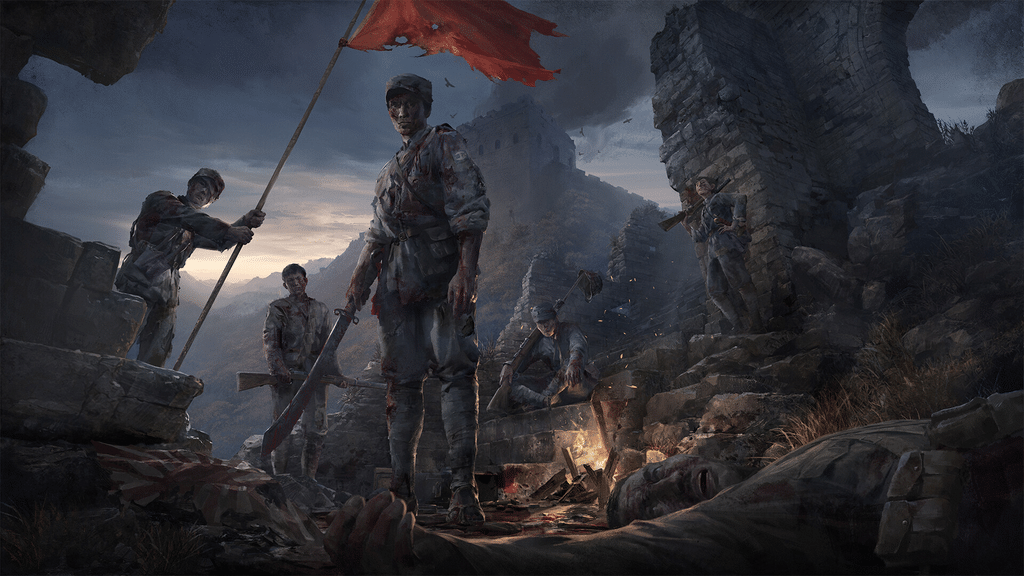
At first glance, The Defiant strongly resembles older Call of Duty games. You have linear sequences, plenty of scripted moments, AI allies following you through the level, intense firefights, and that familiar “something big is about to happen” feeling we used to get in almost every war FPS. However, the game doesn’t try to be a modern military shooter that constantly bombards you with mindless spectacle. Instead, the pacing can be much slower, the weapons feel heavier, and the enemies are dangerous enough that you’ll quickly realize simply sprinting out in front of a squad of soldiers with guns blazing isn’t exactly the best idea here. The Gamescom demo lasted about 15 minutes and showcased a slice of one of the game’s combat sections. What surprised me the most was how quickly The Defiant punishes carelessness. A few hits can be enough to force a reload from the beginning, or checkpoint, call it what you will, and when enemies surround you, there isn’t much room for playing the hero. HP doesn’t behave like in those classic shooters where you hoard medkits along the way; instead, you have to duck behind cover and wait for things to settle. On paper, it sounds like a minor detail, but during actual gameplay, it drastically changes how you approach combat. Although, if you’ve played CoD games, or really any modern FPS, you know exactly what I’m talking about.
I really loved that the game actively demands you use the terrain. Sprinting, crouching, and sliding into cover form the core of your movement, while firing from cover is a far safer bet than constantly charging forward. The weapons also lack the feel of modern assault rifles where you can just hold down the trigger. In the demo, there were plenty of situations where I had to actively think about when to shoot, when to pull back, and how much time I had to rack the bolt. Bolt-action rifles, in particular, give the combat a distinct pace, as a single miss can leave you completely exposed at a terrible moment. Naturally, this doesn’t mean The Defiant is some hardcore simulator. We are still talking about a highly cinematic FPS, packed with scripted sequences and massive battles clearly designed to leave an impression. At certain moments, enemies swarm from multiple directions, explosions and gunfire fill the screen, and your brothers-in-arms desperately try to hold the line. However, the game doesn’t feel like it wants to constantly hold your hand. Even the demo could get quite nasty, a trait several other players who tried it at Gamescom also highlighted as one of its defining characteristics.
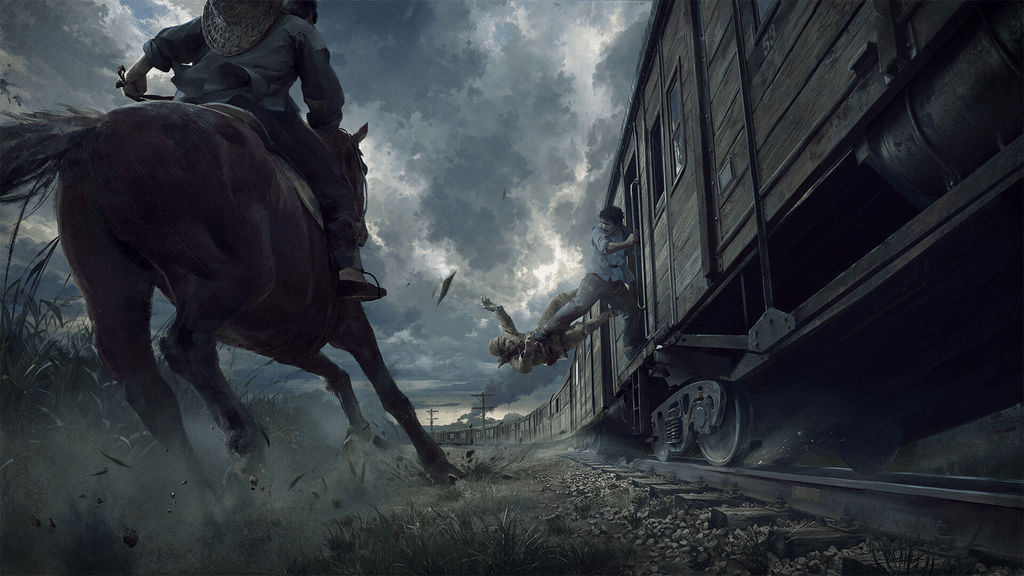
What is perhaps even more important is the fact that this won’t be a game made up exclusively of massive frontal assaults. The developers confirmed that the campaign will feature four chapters, with each presenting a separate story and a different theater of the conflict. The idea is to shift locations, seasons, characters, weapons, and playstyles. Alongside classic combat, we can expect infiltrations, espionage missions, sabotage, and other scenarios where you’ll have to think a bit more before pulling the trigger. According to the info the devs shared at Gamescom, the full campaign should clock in at around 10 to 12 hours. That is exactly why I’m so eager to see what the rest of the game looks like. The demo essentially showcased only one side of The Defiant, the militant, direct, and rather brutal one. However, we’ve already caught glimpses of sequences set in different environments, including urban zones and spy operations. If Hoothanes manages to create a substantial enough contrast between these chapters, The Defiant could avoid the chronic problem that linear war FPS titles often suffer from, where after a few hours everything boils down to “go there, shoot them, wait for the scripted explosion, and move on.”
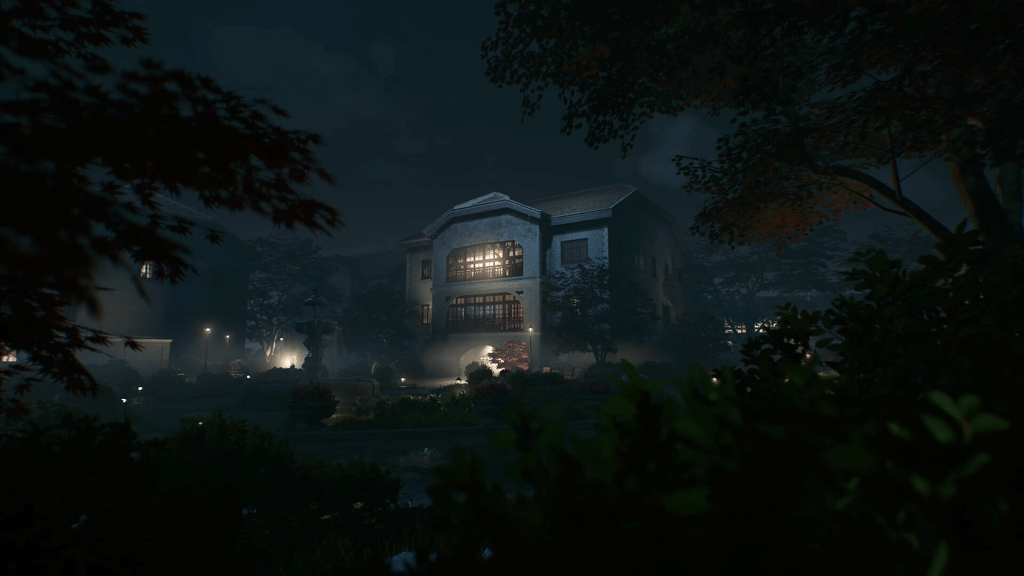
Visually, The Defiant utilizes Unreal Engine 5 and looks quite solid so far. I loved the atmosphere the most, particularly in scenes that leverage snow, fog, and smoke to further obscure your vision. This isn’t a game that tries to impress you purely through the sheer volume of on-screen details; rather, the environment serves as an active part of the gameplay. When you can’t clearly see what lies a few meters ahead, every shadow and twitch through the smoke is reason enough to pause before pushing forward.
Naturally, The Defiant isn’t currently in a state where I can call it flawless. The demo was clearly an early build, and certain systems and UI elements are still subject to change. Movement also feels a bit clunkier compared to some other popular FPS titles, and cover mechanics and collision detection didn’t always work perfectly. These aren’t things I would consider deal-breakers for now, but Hoothanes would do well to iron them out before launch. What is absolutely certain is that I expected far less from The Defiant than what I ultimately saw, or rather, what I got. When I first laid eyes on the game, it looked like just another attempt by a Chinese studio to clone the Call of Duty formula. But after playing the demo, this shows a ton of promise and gives the development team plenty of room to pour in their ideas. The combat is demanding enough that you can’t just sprint through the level, the historical context is an excellent choice, and the plan to shift locations and mission types across a four-chapter campaign could easily become the game’s greatest asset.
The Defiant currently do not have a release date, so it’s hard to say how much longer we’ll be waiting for the final version. Still, the Gamescom demo did exactly what every good demo is supposed to do: it sparked curiosity. If Hoothanes manages to maintain this caliber of combat, iron out the technical kinks, and truly deliver distinct chapters, we could be looking at one of the most compelling war shooters out there, one that doesn’t just regurgitate the exact same story we’ve seen dozens of times before.
