
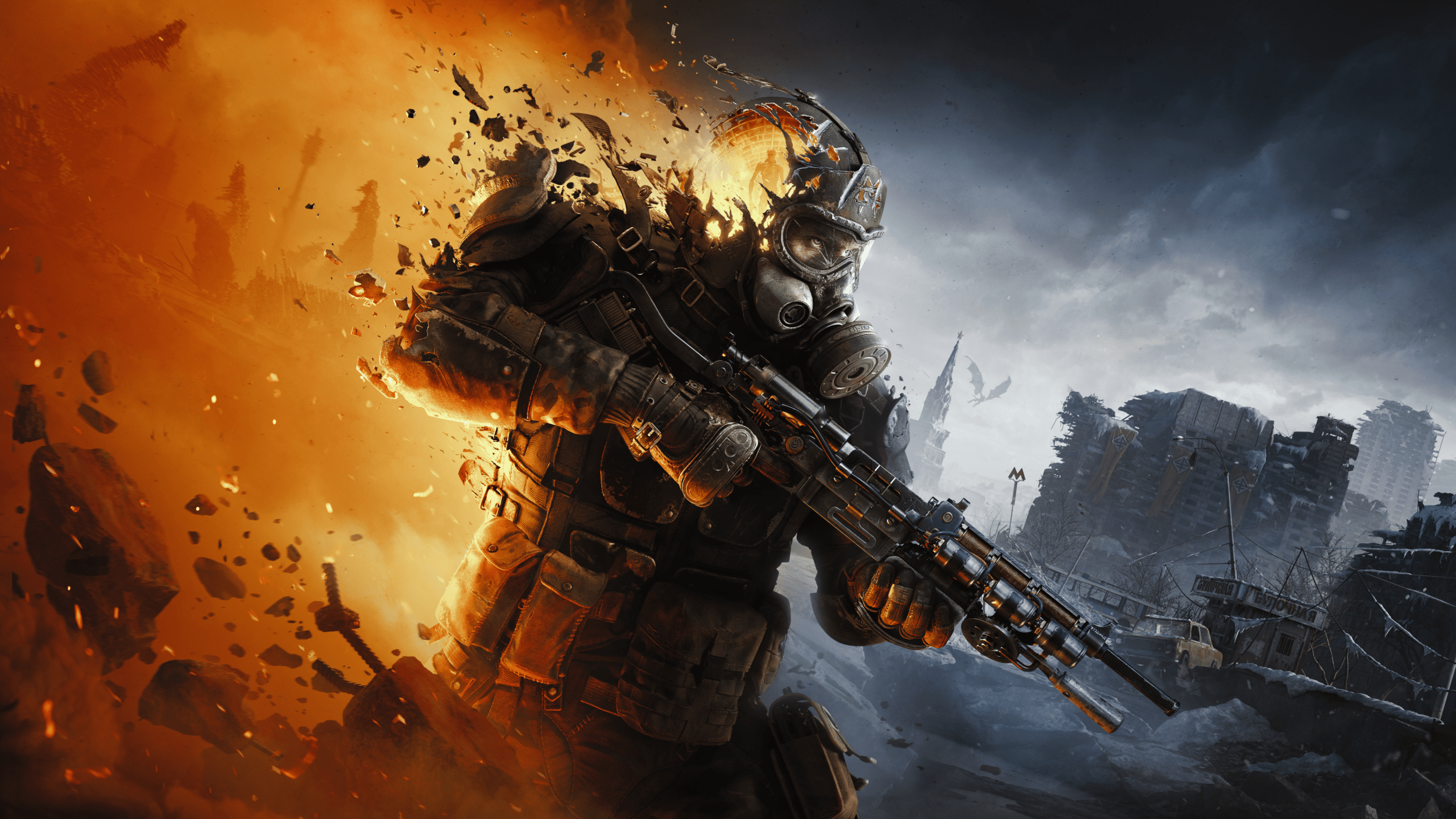

Metro 2039 is one of those games that really needs no introduction. Just hearing the name “Metro” gives you a pretty good idea of what to expect: dark tunnels, gas masks, limited ammo, mutants lunging from the shadows, makeshift weapons, and that constant, looming dread that something horrific is waiting right around the next corner. After Metro Exodus, which opened the series up to massive, semi-open environments for the first time, 4A Games is now taking a step back, but in the best possible way. Metro 2039 brings us back to Moscow, back to the tunnels, and once again puts survival and atmosphere above all else. At Gamescom, I finally had the chance to see how this idea translates when you actually get a controller in your hands. And I have to admit, my first impression was exactly what I wanted from a new Metro game. Metro 2039 slowly pulls you into its world, constantly reminding you that you are not the hunter, but the prey. Even with a weapon in your hands, the feeling of safety is practically non-existent.
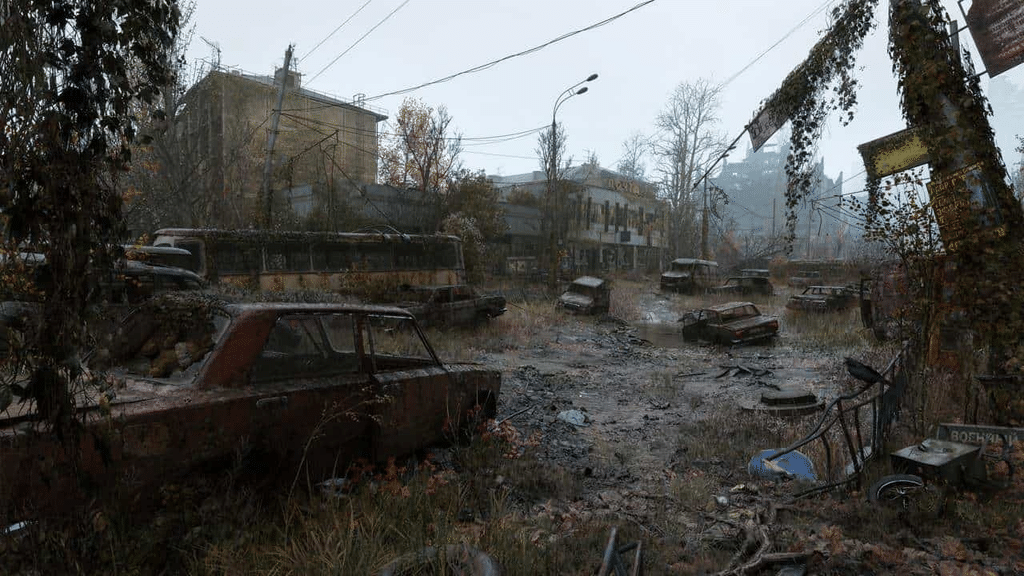
What I find particularly fascinating is how seriously 4A Games is returning to the franchise’s roots. Gone are the sprawling expanses of Exodus; here, the tunnels are once again narrow, pitch-black, and suffocatingly claustrophobic. Even when you venture to the surface, the sense of freedom isn’t the same. Moscow is now a colossal, irradiated ruin teeming with mutants and other hazards, making every trip topside feel more like a temporary expedition into a place you absolutely shouldn’t be. During the demo session, the transition between these contrasting spaces was one of the absolute highlights. One moment you’re navigating pitch-black tunnels, desperate not to draw attention, and the next, you step outside and realize just how horribly exposed you truly are. Radiation forces you to constantly manage your gear, while the open spaces offer more mobility, but exponentially more danger. The trick is that you don’t have to kill everything that moves; or rather, I got the distinct feeling that this isn’t how the game is meant to be played. If you try to play it like a standard shooter, you’ll quickly be forced to change your approach and become much more frugal and cautious. This is exactly where Metro 2039 starts echoing the older games in the series. You aren’t a super-soldier charging through a level with full magazines, gunning down anything with a pulse. Resources are painfully limited, enemies are lethal, and every firefight can cost you far more than you bargained for. When you stumble upon a pack of mutants, you’ll frequently ask yourself if it’s even worth engaging. If you can slip by unnoticed, you just might save the ammo and medkits you’ll desperately need for something far worse waiting a few minutes down the line.
Because of this, stealth is once again a crucial pillar of the experience. When you encounter human hostiles, you have to carefully observe their patrol routes, wait for the perfect opening, and try to silently eliminate a few guards before things inevitably devolve into a chaotic firefight. If you do get spotted, the game doesn’t fall apart; the required approach just instantly shifts. It’s fantastic how 4A Games has managed to (once again) seamlessly blend both playstyles, often within the exact same encounter. Everything can be quiet and calculated until you’re seen, and then it suddenly feels like you’re playing an entirely different game. It feels incredibly satisfying. Combat is brutal, and the gunplay itself is excellent. Weapons carry real heft, and enemies aren’t just static targets waiting to be shot, they move, they take cover, they actively try to flank and destroy the threat (you), and the environment frequently complicates the shootout. The new Shatun rifle is one of the more interesting additions, and you can also utilize silenced shots for precision stealth kills. Naturally, Molotov cocktails, the trusty Duplet shotgun, and various signature makeshift weapons return, fitting perfectly into that familiar Metro design philosophy.
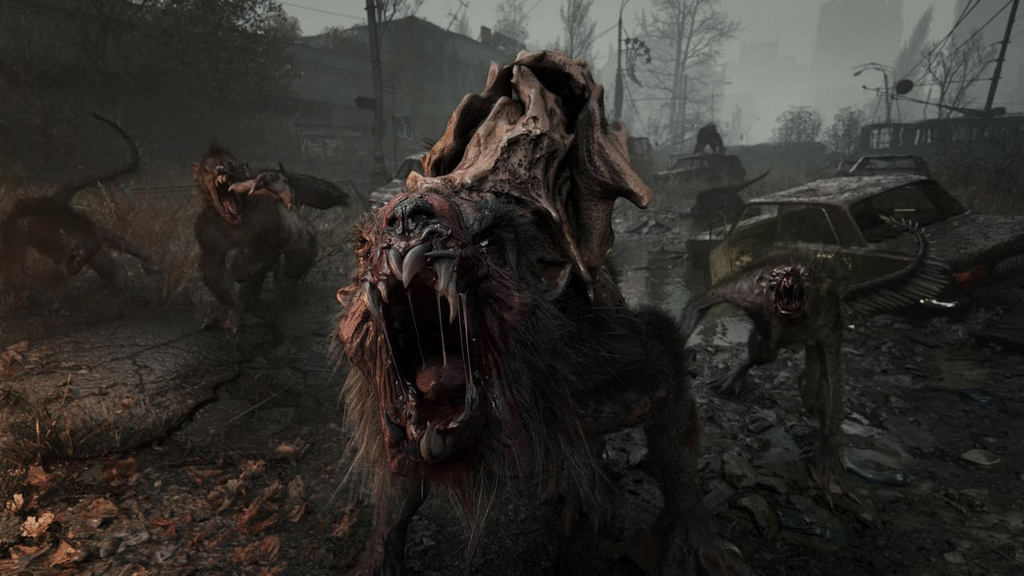
Another thing I noticed is that Metro 2039 fundamentally understands that horror doesn’t need to constantly jump in your face. Sometimes, it’s enough to just hear a noise echoing down a tunnel without knowing what made it. Sometimes, it’s enough to spot a fresh corpse on the ground, a few bloody drag marks, and an open door that was definitely shut when you walked past it a minute ago. 4A Games refers to this approach as “frozen stories”, micro-narratives baked directly into the environment. Instead of pausing to explain what happened, the game trusts you to piece together the events using the objects, bodies, and clues left behind. It goes without saying that 4A Games are absolute masters of atmosphere, but Metro 2039 feels even more immaculately presented than the previous entries, or even the VR spin-off we recently covered. The franchise has always leaned into its horror elements, but here, it feels like 4A Games actively wants to thrust them back into the spotlight. Not every mutant is just an enemy waiting to be shot. Not every problem can be solved by pulling a trigger. Sometimes you will explore, sometimes you will sneak, sometimes you will solve puzzles, and sometimes you will just desperately try to survive whatever is standing in front of you.
It is also fascinating how much emphasis the game places on exploration. At first glance, Metro 2039 might look like a strict return to the linear structure of the original games, but it isn’t quite that simple. The locations feature alternate routes, hidden rooms, and various ways to tackle specific scenarios. New equipment further expands your tactical options. For example, a breaching tool allows you to punch through weakened walls, while cutting through specific welded doors can carve out entirely new paths. The new UV flashlight can reveal camouflaged mutants, repel the swarming Insectalise, and help you uncover hidden codes to solve certain environmental puzzles. This is perhaps the best compromise 4A Games could have struck. Metro 2039 doesn’t try to replicate the massive open zones of Exodus, but it also never feels like a restrictive, on-rails ride down predetermined corridors. Instead, you are given meticulously crafted spaces with just enough freedom to decide how you want to progress. That’s exactly why every location holds immense replay value even after your first run.
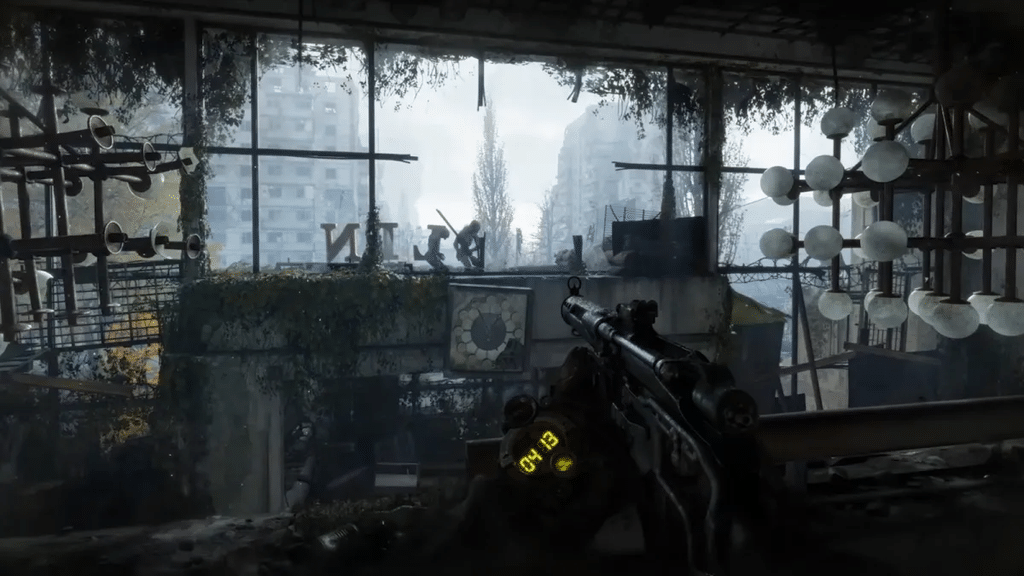
Visually, Metro 2039 looks like yet another massive leap forward for 4A Games. The studio is once again flexing its proprietary 4A Engine and pushing it to its absolute limits. The ruins of Moscow, the hyper-detailed interiors, the lighting, fog, smoke, and particle effects all combine to deliver that signature gritty, suffocating atmosphere the franchise is renowned for. Ray tracing is confirmed for consoles, alongside a Performance Mode targeting 60 frames per second on the PS5 and PS5 Pro. I’m not entirely sure which version we played (I suspect it was PC), but the demo ran flawlessly. Truth be told, I have to admit the game doesn’t look quite as flawless as that spectacular initial “gameplay” reveal from a few months ago; it looks much closer to the more recent gameplay deep dive. But even with all that technical prowess on display, Metro 2039 looks its absolute best when it is at its ugliest. When you are standing in a pitch-black tunnel, the only light source coming from your dying flashlight, hearing something skittering in the distance while the walls are smeared with the tragic remnants of previous inhabitants… that is a visual design that doesn’t just try to impress you with texture resolution, but with sheer, unadulterated atmosphere.
Walking away from Gamescom, Metro 2039 feels like an incredibly confident return to its roots. I’m not saying it will automatically be a “better” game than Metro Exodus, because Exodus brought something genuinely fresh to the series precisely due to its open structure. But if, like me, you finished that game yearning to spend just a little more time in the claustrophobic, terrifying tunnels beneath Moscow, then 4A Games is clearly making this game exactly for you.
