
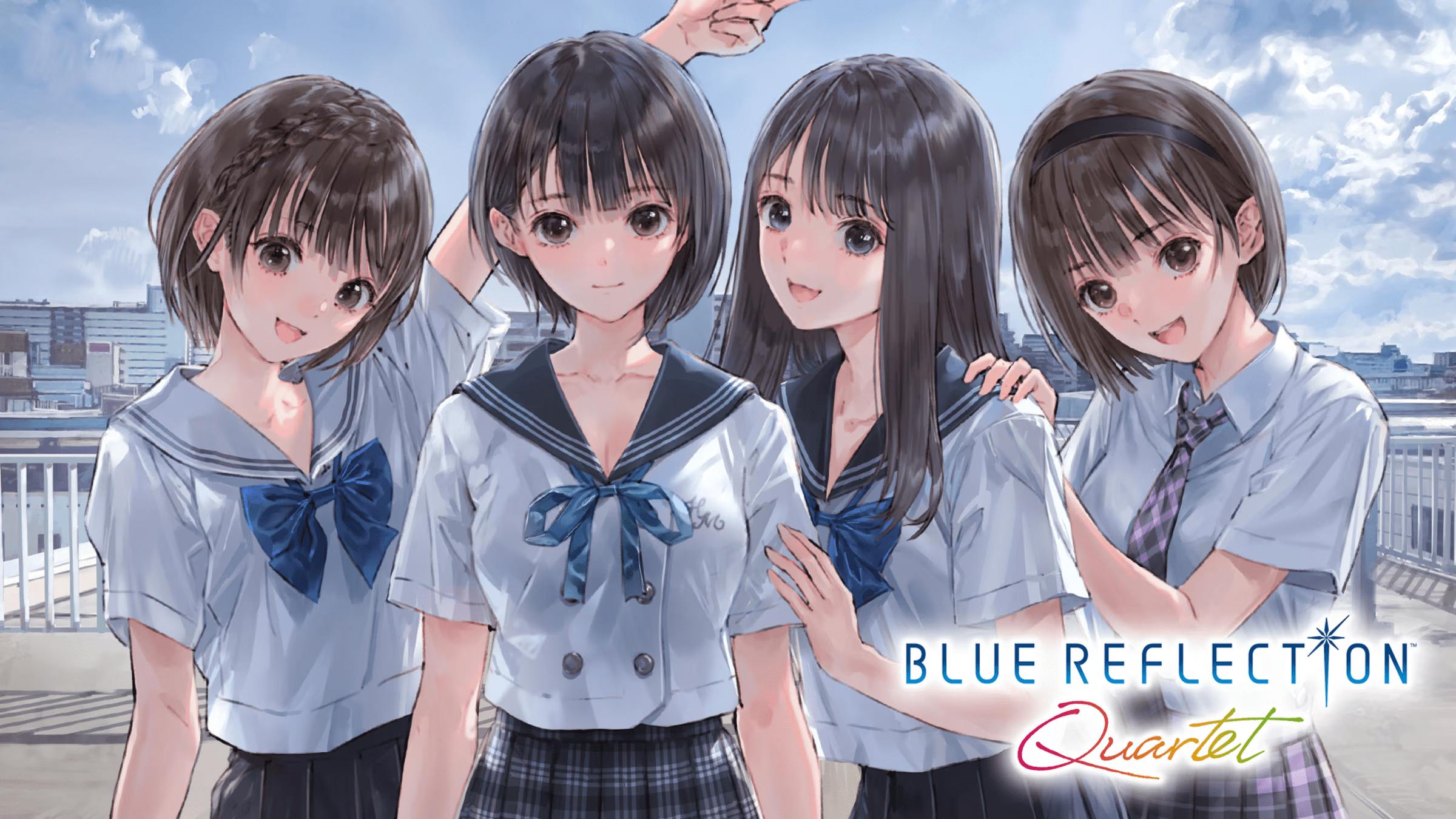

There are JRPG franchises that win their audience over with massive worlds, epic wars, and stories about saving entire continents. Then, there are those that try something entirely different, using small, personal stories, character relationships, and ordinary, everyday moments to show that sometimes the greatest adventures aren’t about fighting big, evil enemies, but rather about trying to understand yourself and the people around you (and okay, maybe occasionally trying to understand why you decided to play something like this in the first place). Blue Reflection, thankfully, amidst all the megalomaniacal JRPGs, has always belonged to this latter group. When the first game came out in 2017, many saw it as just another attempt by Gust to create a middle ground between their well-known Atelier games and modern high-school JRPGs like Persona. Honestly, that seemed like the logical progression to me too after playing them. However, you quickly change your mind and realize that Blue Reflection has a completely distinct, unique, and beautiful identity. This is a game that never tried to compete with the industry giants; its greatest strength has always been its atmosphere, its emotions, and the way it blends ordinary school days with a fantastic world full of mystery.
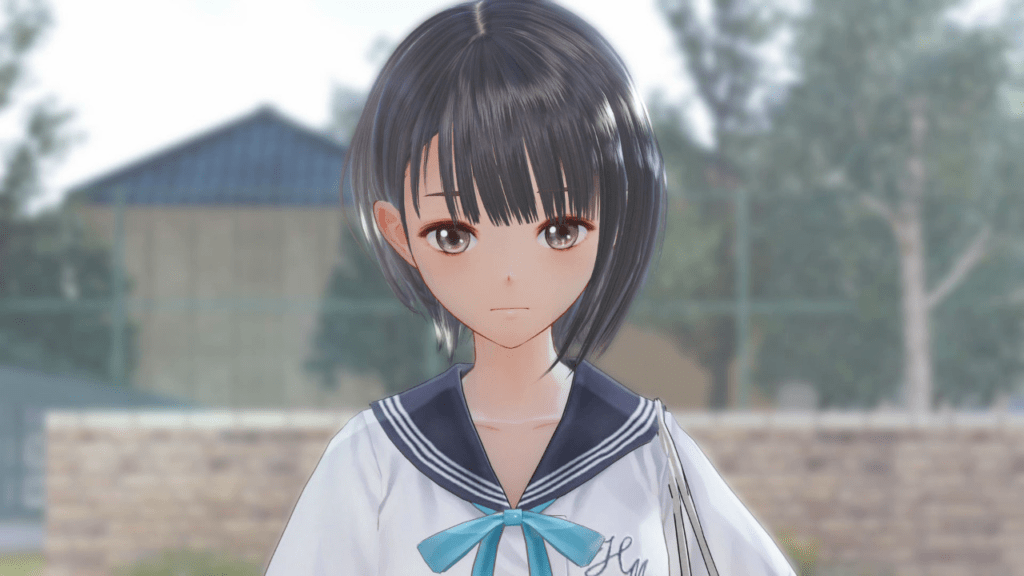
And now, almost 10 years after the release of the first game, we get Blue Reflection Quartet, in a way, a celebration of everything this franchise has represented and showcased over the years. Instead of being an entirely new game, this collection brings together the three main experiences from the Blue Reflection universe along with the anime storyline that further expands the world, giving players the chance to see the complete evolution of the series in one place. Seeing a collection like this is genuinely cool and fascinating, mainly because it clearly illustrates how much Gust tweaked and improved their core idea across these titles. The first Blue Reflection was an experiment, a title trying to find its footing between school life, magical girl themes, and classic turn-based RPG mechanics. Second Light then showed what happens when that idea is fully developed and executed with much more confidence. And Blue Reflection Sun, now adapted as an offline experience, represents yet another piece of this brilliant universe for those looking to immerse themselves in it. I have to admit, even as an online mobile gacha game, Blue Reflection Sun was highly addictive, and now that it has been freed from its monetization mechanics, it feels even better.
What makes Blue Reflection really special in the gaming world is the way it approaches its narrative. At first, it all sounds familiar: a group of girls gets special powers and has to fight mysterious enemies and threats. But then you slowly realize that behind this simple foundation lies a much more intimate story about emotions, traumas, insecurities, and the everyday struggles young people face. Here, emotions aren’t just tacked on as an afterthought or a decorative element; they are practically the foundation of the entire world, the very fabric it is built upon. Every enemy, every new location, and every conflict is tied to the characters’ inner feelings, and I have to admit, that concept is executed beautifully.
The Title That Sparked a Rush of Emotions and the Adventure Within
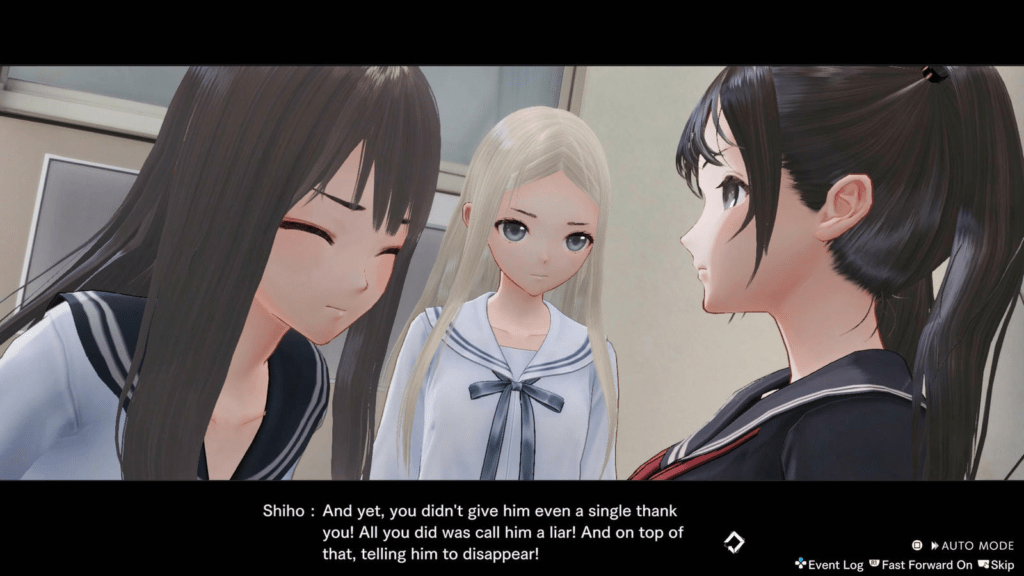
The first Blue Reflection demonstrates this idea best through the story of Hinako Shirai. After an injury ruins her ballet career, Hinako is left without the one thing that defined her entire life. It’s a beautifully crafted detail that she isn’t “born special” or a classic hero like in other games; she is simply a girl trying to figure out how to move forward and adapt to her new role in life. When she gains the power of a Reflector, and with it, the ability to enter alternate worlds connected to human emotions, her adventure becomes about much more than fighting enemies. It becomes a journey through other people’s problems, as well as her own fears. I absolutely loved this aspect of the game, and I believe it will win over many players because it genuinely does something different from other JRPGs. Best of all, Blue Reflection isn’t a game where you stumble into massive events at every turn; its story builds slowly through conversations, sweet little character moments, and everyday situations. You spend a large chunk of your time at school, meeting other characters, helping them with their issues, and gradually building relationships. For someone expecting a classic JRPG packed with constant action, the pacing here might feel quite slow. But if you let go and allow the game to simply pull you into its wonderful atmosphere, those quiet moments that might seem boring at first will actually be the very things driving you forward.
Gust struck an interesting balance here between what we’ve seen in other games and something entirely new. The school segment immediately evokes titles like Persona, but unlike Atlus’s series, Blue Reflection isn’t heavily focused on a strict daily life simulation. There is no overly complex schedule, heavy social obligations, or the constant pressure of choosing what to do next. Instead, the focus is squarely on character relationships and their emotional development. The point is to get to know the people around you, understand what they are going through, and watch how they change over the course of the story.

When it comes to combat, the first game features a fairly classic turn-based system, but with a few interesting twists that set it apart. As a Reflector, you don’t just use basic attacks; you have various abilities tied to your powers and your specific role in the team. Naturally, the system expands with new possibilities over time, making battles increasingly complex as you progress, even if they seem quite simple early on. It’s highly engaging that you have to tailor your own strategy and playstyle during combat sequences. Simply spamming your strongest attacks isn’t enough; you have to monitor the flow of the battle, prep the right abilities, and properly capitalize on the moment your opponent becomes vulnerable. That being said, while the first game is great, it does have some flaws in its combat system, flaws that the later entries in the franchise thankfully fix, which is a very nice and important evolution. The combat system just isn’t as deep as in some of the more “popular” JRPGs, and certain parts of the game can feel repetitive as you play. Exploration isn’t always on par with more modern JRPG titles either, and the mission structure can feel quite basic. However, what Blue Reflection might lack in gameplay complexity, it more than makes up for with its incredible atmosphere. There is a specific warmth and charm in how the game depicts the school, the student relationships, and the small moments that would merely be passing dialogue in any other game.
I have to admit that the music contributes massively to this entire experience. As with many of Gust’s games, the soundtrack isn’t just background noise; it is one of the core elements that forge the game’s identity. The melodies often carry a light, dreamy, almost nostalgic, tone and rhythm that perfectly matches the blend of everyday life and fantasy. It creates the sensation of being in a world that isn’t entirely real, yet holds a distinct beauty exactly because of that. The fantastic atmosphere and music are exactly why many players fell in love with Blue Reflection, and I believe it’s one of the main reasons they stuck with the franchise even when certain gameplay systems fell short.
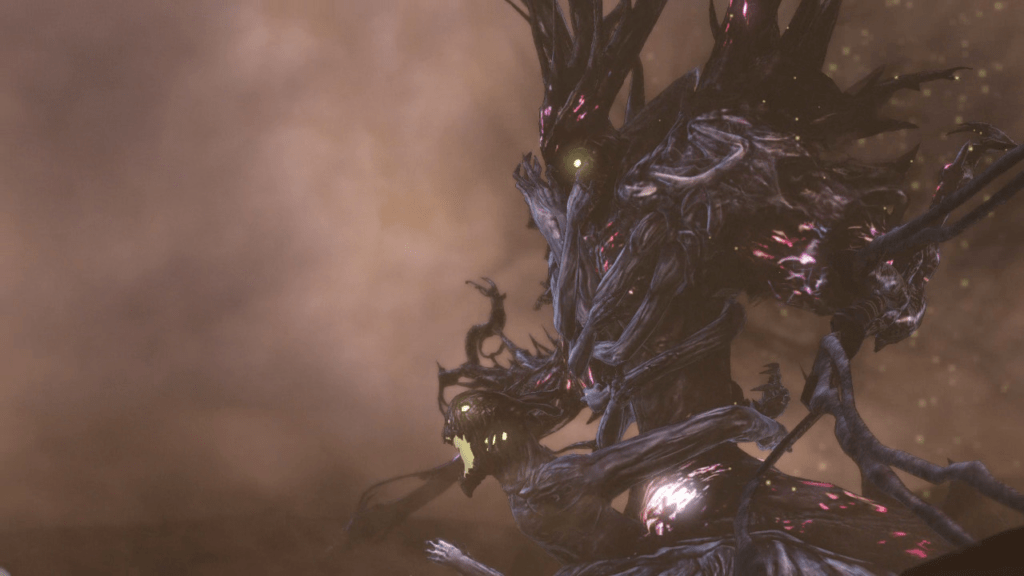
Looking back at the first game today, from a distance and as part of this collection, the most fascinating thing is seeing how well and clearly it laid the groundwork. Everything that Second Light would later improve upon is already here: the focus on emotions, the importance of character relationships, and the concept of inner worlds becoming actual explorable locations. The first game might not be perfect, but without it, we wouldn’t have one of the most interesting and unusual JRPG franchises of the last decade, one you absolutely shouldn’t miss if you’re a fan of the genre.
Second Light and Redefining the Core Idea
And it is precisely with Second Light that Blue Reflection finds its true form. The sequel isn’t just a bigger, prettier version of the original; it’s a game that fundamentally understands what the first part was trying to achieve and finally translates all those ideas into a much more complete experience. When Blue Reflection: Second Light launched, it was obvious how carefully Gust had listened to player and community feedback, and how much they wanted to improve absolutely every aspect of the original concept. While the first game felt more like an interesting experiment searching for its audience, Second Light arrived with a much clearer identity built upon the original’s foundations. It is still a story about emotions, friendship, and girls trying to figure themselves out, but now everything is bigger, deeper, and far more interconnected. Instead of a single school and a small cast, you get a mysterious, forgotten island that hardly anyone knows about, a group of girls with amnesia, and a lingering question that drives the whole adventure: what exactly happened, and why are they here?
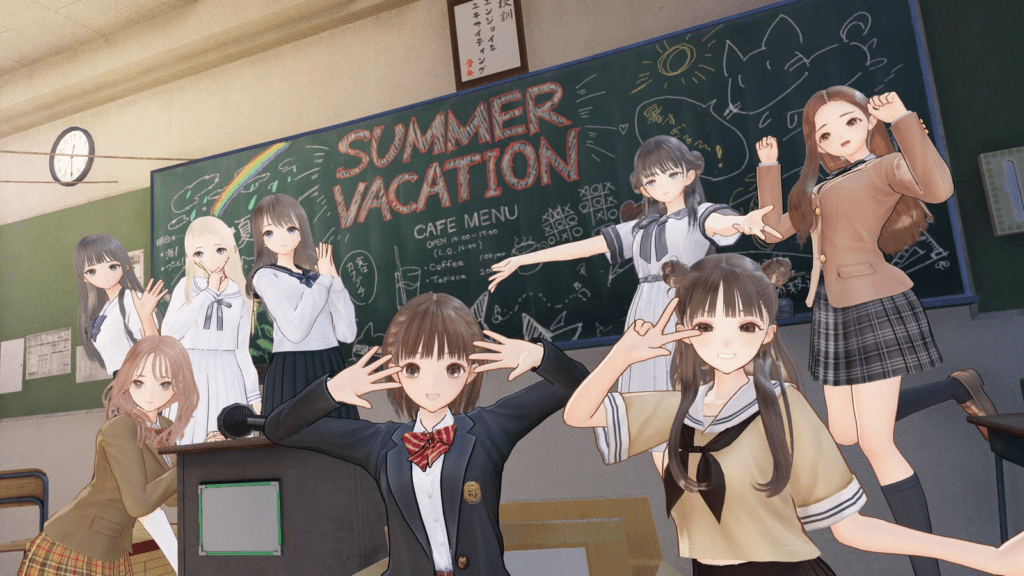
Second Light’s story kicks off when Ao Hoshizaki wakes up in an unknown place with absolutely no memory of her past or her current whereabouts. Together with a few other girls, she tries to find a way back to her world while simultaneously exploring the massive school located on the island. But as time passes, they realize there is a much greater mystery here, with far more secrets than they could have ever imagined. What initially seems like a simple quest for answers slowly evolves into an emotional narrative about self-acceptance, facing the past, and understanding what really defines us. One of the biggest changes from the first game is how relationships are built. In the original, you got to know everyone around you gradually, but Second Light takes that core idea and elevates it significantly. You spend a large chunk of the game at your base, a place that eventually becomes a true home for the main heroines. You don’t just talk to them there; you craft items together, decorate the space, build new facilities, and participate in small, everyday events.
One thing I found really interesting is that this base isn’t just an excuse for some tacked-on management system to pad out your playtime. In a way, the base is the central figure of your entire adventure. As you progress, you watch an empty space transform into an area brimming with life. The girls, who started out as a group of strangers, slowly become a real crew, and to be honest, it’s these little moments between the main story beats that will stick in your memory the most, not the specific details of the quests or missions you complete. Seeing the characters cook together, chat, work on projects, or simply hang out gives this whole adventure a cozy feeling that is sorely missing in many modern JRPGs.
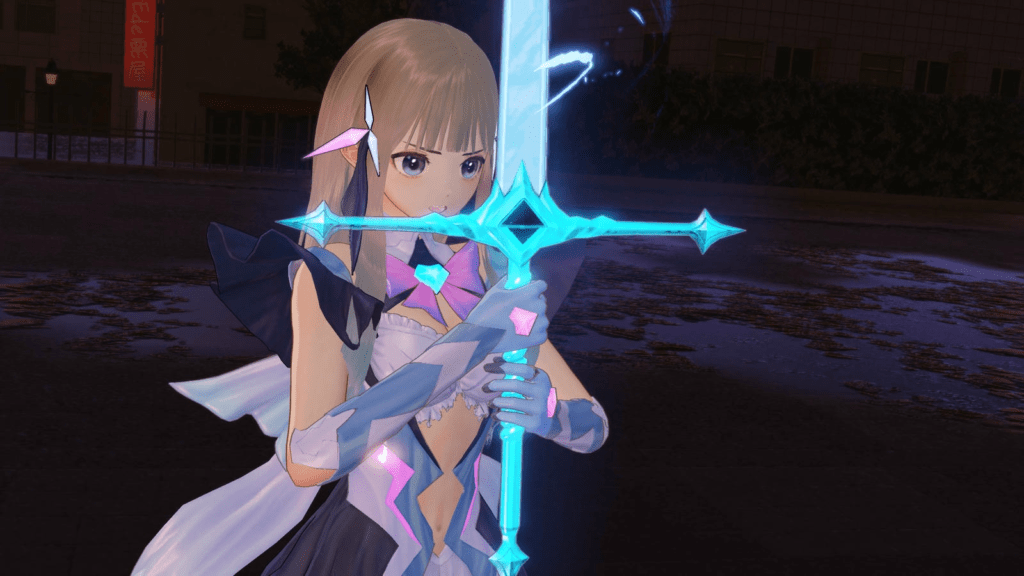
The gameplay, like everything else, underwent a fairly massive overhaul. The combat system is still turn-based, but it now feels much closer to what you’d expect from a modern JRPG. Battles are more dynamic, there’s far more room for planning, and utilizing specific abilities in the correct order becomes crucial for succeeding in these encounters. One of the most engaging elements is the Ether system, where you increase the tempo during combat, granting you more attack options, or rather, abilities, as the battle unfolds. Unlike many classic turn-based systems where you just wait your turn and pick an attack, Second Light constantly demands that you think a few steps ahead. Do you unleash your strongest attack immediately, or do you wait to build up the battle tempo so you can pull off something magical later? Do you focus down a single enemy or set the stage for a larger attack? Small decisions during combat often make a huge difference, especially in the later stages of the game when enemies start heavily punishing your mistakes.
Another massive change is how character progression and abilities are tied to relationships. Instead of a standard system where you just grind XP to unlock skills, Second Light heavily rewards the time you invest in your friendships with the rest of the cast. The better you get to know a specific person, the more you unlock: new options, abilities, and side stories that further flesh out their character. This is exactly where you see the biggest difference between Blue Reflection and many other JRPGs. The characters aren’t just party members who exist to provide different attacks. They are the reason you want to keep playing. Each of them has her own fears, issues, and coping mechanisms for the situation they’re in. When the moment comes for their story to unfold, or when they finally come to terms with something they’ve been suppressing for a long time, the impact is significantly stronger because you actually invested the time to get to know them beforehand.
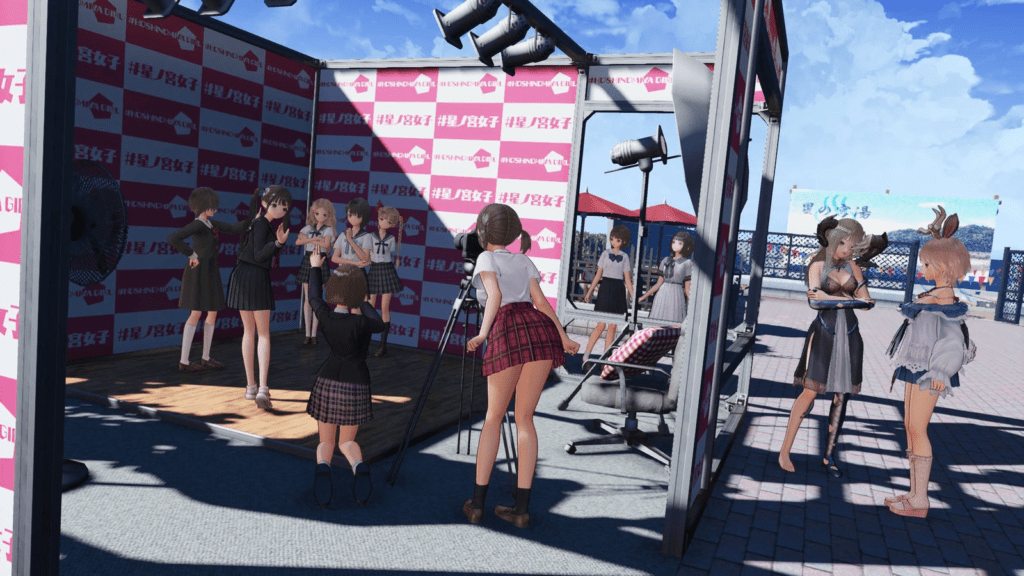
The crafting system is also much better realized than in the first game. Even though Blue Reflection honestly never tried to be a successor or a spin-off to the Atelier series, Gust’s signature touch is clearly visible in how the crafting works. You gather materials, craft useful items, and upgrade your team’s capabilities. However, unlike the Atelier games where alchemy is often the central mechanic, here it’s entirely contextualized around progression and creating a better life for the characters. World exploration is another area where Second Light proves how much it has evolved. The island and the various regions you visit aren’t just corridors you walk through between fights. Every location has its own atmosphere, hidden resources, and spots that encourage exploration. Naturally, you shouldn’t expect a massively scaled open world, but there is enough freedom to make you feel like you’re genuinely discovering something new.
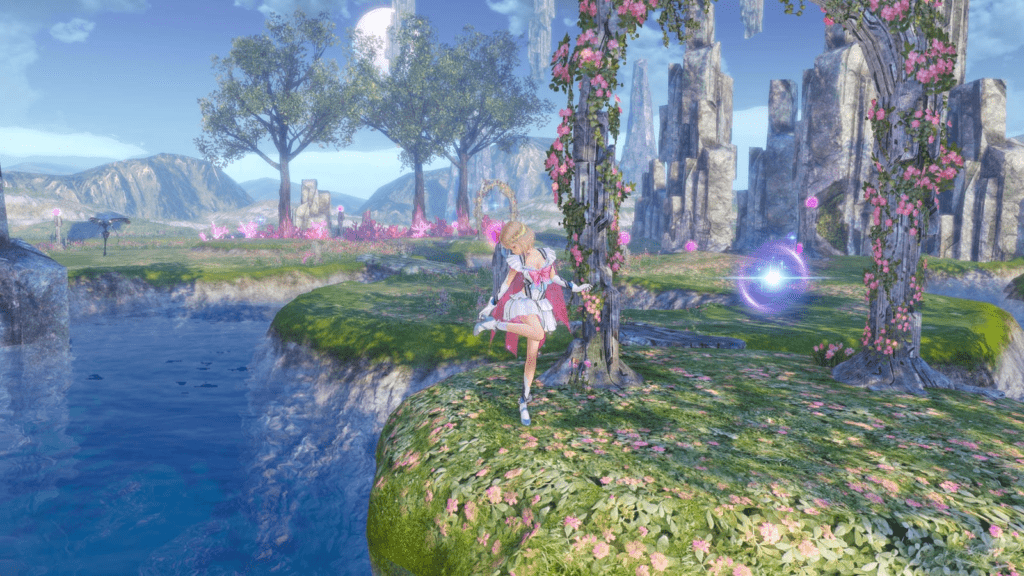
And something I absolutely loved were the Heartscapes, inner worlds connected to the emotions of individual characters. If you ask me, this might be one of the best ideas in the entire franchise, because it visually transforms the characters’ internal conflicts into actual, explorable spaces. Instead of just listening to someone tell a story about their problems, you literally step into the emotional manifestation of those issues and try to understand what lies beneath. It is through these segments that Blue Reflection best showcases its creativity. Many games talk about emotions through dialogue, but here, emotions are turned into something tangible. Fear, guilt, insecurity, or desires take physical shape in the world around you. This is arguably the prime example of how Gust manages to create something simultaneously simple and incredibly effective.
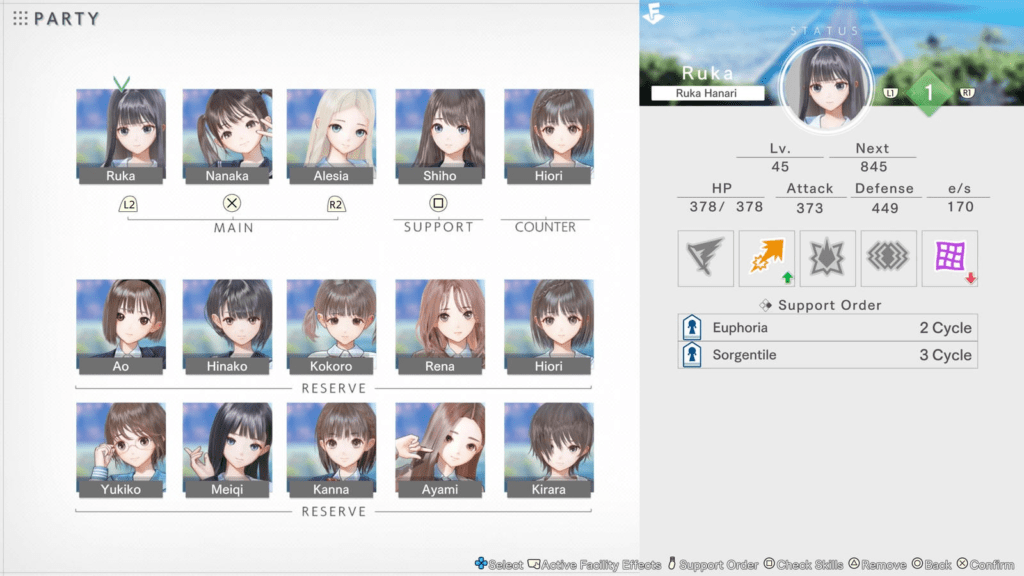
Yet, despite all the leaps forward compared to the original, you can still tell this isn’t a massive-budget game, which is sometimes most apparent in the animations, technical details, or the design of certain locations. Enemies aren’t always particularly creative in combat, and the game might feel too simple for players seeking a deep, highly complex battle system akin to top-tier JRPGs (I think I already mentioned this was a “problem” in the first game too). However, just like with the first entry, its greatest strength doesn’t lie in how flawless every system is, but in how they all come together to evoke a specific feeling. And that feeling is simply fantastic the moment you step into this wonderful world, especially if the first game didn’t quite manage to hook you.
From Game Straight to (Gamified) Anime
Beyond the games themselves, a large chunk of the universe was expanded through the anime series Blue Reflection Ray. Unlike the games, which are mostly focused on specific groups of characters, the anime tries to paint a broader picture of the world and offer a different perspective on the role of Reflectors. While the pacing and storytelling style might not click for everyone, especially if you’re expecting a classic action-heavy anime, Ray serves as an additional puzzle piece for fans who want to realize just how much wider the Blue Reflection world is compared to what we see in the games. The best way to approach Blue Reflection Ray is as a supplement, rather than a substitute for the games. Its true value shines when you already grasp the series’ core concepts and want to see how certain themes are explored through a different medium. Like the games, the anime heavily focuses on emotions, relationships, and what it really means to accept oneself.

Interestingly, the entire anime in this collection has been redesigned to feel like you’re actually playing a game, which is a really nice touch. Even though your interactive choices are limited, it’s great to see that this isn’t just a raw anime port you passively watch, but something you can engage with. Best of all, they’ve added a prologue and an epilogue to tie the whole narrative together, giving it a natural flow as you transition from one title to the next.
This is exactly why Blue Reflection Quartet works so much better than anyone might expect from a standard collection. When all the pieces come together, you witness the clear evolution of a single idea. The first game lays the foundation, Second Light turns it into something much grander, Ray expands the universe, and Sun attempts to offer yet another perspective on this world.
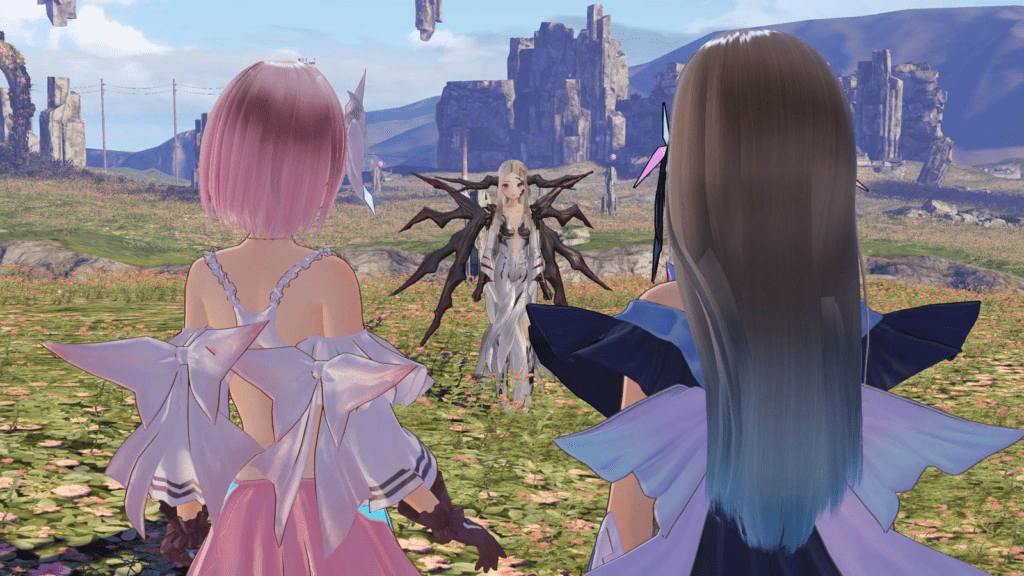
The Sun as the Final Stage of the Blue Reflection Adventure
When looking at the franchise as a whole, Blue Reflection: Second Light is undeniably the installment that improved the series the most, and for the majority of players, it will likely be the main reason they return to this universe. Despite that, Blue Reflection Sun serves as a highly fascinating final piece of the puzzle. Originally designed as a mobile title, Sun played a slightly different role within the series. Rather than being a direct sequel in the traditional sense, its purpose was to expand the world of Blue Reflection, introduce new characters, and demonstrate that the story of the Reflectors isn’t strictly limited to what we saw in the first two games.
The biggest change with this version is precisely that Blue Reflection Sun is no longer chained to its original mobile game model, or more specifically, its monetization and gacha mechanics, and now arrives as a completely offline experience. I have to admit, this was one of the best decisions they could have made. Since the game is no longer available on mobile devices, this is currently the definitive way for veteran players of the mobile version to return to it. On the flip side, it’s a fantastic game that new players can finally experience on their consoles. Instead of remaining a lost piece of franchise history, Sun now has the chance to exist as part of a complete narrative that new players can enjoy from start to finish.
Combat in Blue Reflection Sun is classic turn-based command combat, but with a few interesting details that make it quite fun. Your party consists of four characters plus one friend support, and the battles themselves are often split into multiple waves. The most crucial part of this entire battle system is the Break Gauge. This means that alongside standard HP, every enemy also has a dedicated Break bar. When you deplete it to zero, the enemy enters a Break state, which delays their turn and opens up a massive window for attacks. If you time things right, you can essentially keep the entire situation under control to the point where the enemy barely gets a turn.
Even though its basic structure differs slightly from the mainline games, Sun still manages to retain the core of what Blue Reflection is all about. The focus remains heavily on the characters, their emotions, and the relationships they forge through shared struggles. As with the previous titles, the point isn’t about who boasts the highest power level or who can defeat the deadliest enemy. The far more important question is why the characters are fighting, what they are trying to protect, and how they evolve throughout their journey. When viewed from the perspective of a player jumping straight in from Second Light, Sun will certainly feel a bit simpler and somewhat more modest. A different design, a different pace, and a different approach to game structure mean it won’t leave the exact same impression as the mainline titles. Second Light had the space to build its world through lengthy conversations, exploration, and daily activities, whereas Sun functions more as a supplementary look into the universe. And that is exactly why it’s so good that it’s included in this collection, as a piece of the bigger picture, rather than an attempt to replace what the main games accomplished.

Ultimately, when you look at the entirety of Blue Reflection Quartet, the most fascinating takeaway is how remarkably faithful the franchise has stayed to its core idea. Over the years, through different games and various approaches, Gust never lost sight of what made it special. At the center of it all, there are no worlds that need saving, no massive overarching conflicts, and no convoluted political dramas, just people trying to understand themselves and each other. And that might be the biggest distinction between Blue Reflection and many other JRPGs. In most games of this genre, characters become heroes because they are the “chosen ones,” because they wield a special power, or because destiny thrusts them into a specific role. The situation here is different. The power of a Reflector isn’t just a combat tool; it’s a metaphor for confronting one’s own problems. Every transformation and every battle represents something deeply personal, something the characters must either accept or overcome.
Because of this, Blue Reflection often leaves a very different impression compared to other JRPGs. It’s not a title that will win you over with an overwhelming number of systems, highly complex stats, or dozens of classes. The true value of these games comes from the atmosphere. From the feeling you get when you finish a character’s storyline and realize how much time you’ve spent with them. From the moments when a group that started out as merely a bunch of strangers turns into a genuine family. The visual style is another element tying the whole collection together. Gust has always had a recognizable approach to design, and Blue Reflection perhaps best showcases their ability to blend everyday life with fantasy. School hallways, ordinary classrooms, and quiet character moments stand in stark contrast to the massive, surreal spaces you explore as a Reflector. That combination of the familiar and the bizarre gives the franchise its distinct identity.
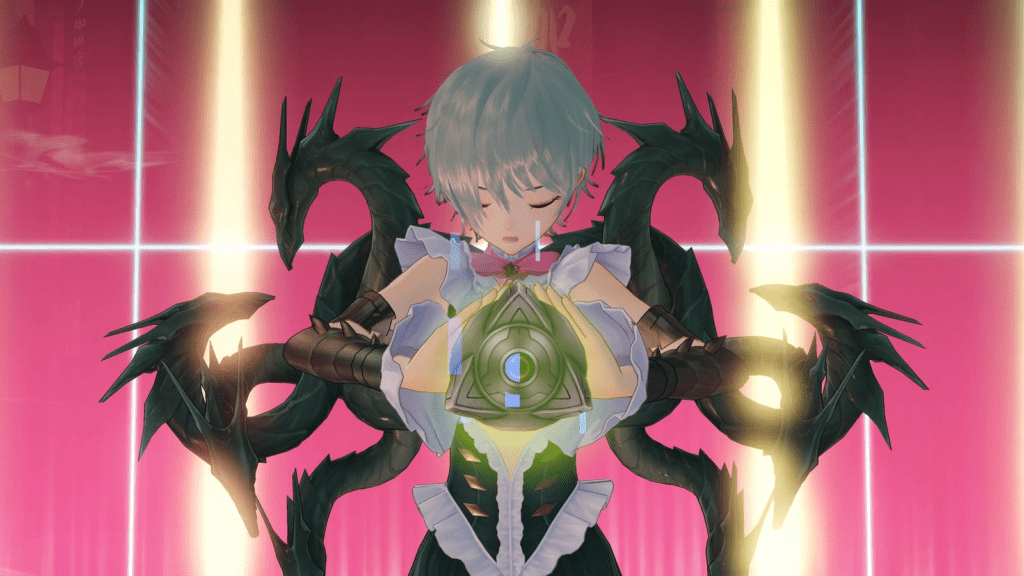
Of course, we shouldn’t forget the fact that these are not perfect games. Blue Reflection never had the budget of the biggest JRPG blockbusters, and occasionally, that shows. Some mechanics feel simpler than the competition, certain segments can drag, and players looking for extreme difficulty or incredibly complex combat might not find what they are looking for. This isn’t a franchise trying to beat the competition through sheer volume of content.
We would like to thank Koei Tecmo for providing us with a copy of the game for review purposes.
Blue Reflection Quartet (PlayStation 5)
But that brings us exactly to the reason why Blue Reflection has become so highly regarded among a specific audience. It doesn't try to be something it's not. Instead of chasing trends, Gust created a franchise with a very clear, distinct emotional core. There is a sense of peace in these games that is quite rare nowadays. Even when tackling serious themes, there is a pervasive feeling of warmth that keeps you pushing forward. Blue Reflection Quartet is therefore much more than a simple collection. Sure, the very idea of having three games and anime content bundled in one place is the biggest draw for new players, but the true strength of this collection is that it allows you to witness the evolution of a single idea over the years. You can clearly trace where the franchise started, where it found its true identity, and just how much Gust perfected the vision they initially set out to create.
