
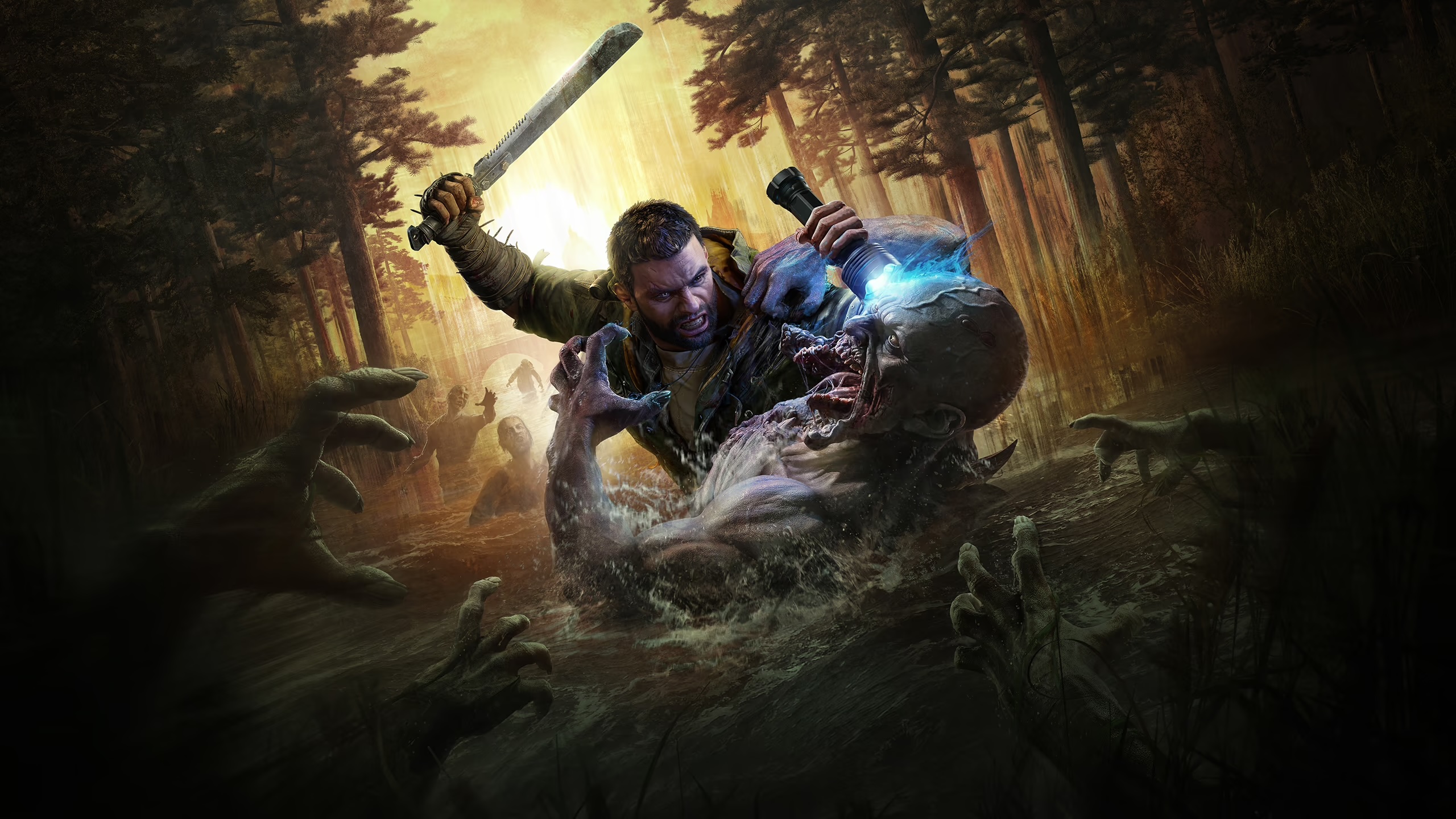

Techland has definitely stood out as a true master in the field of developing zombie and post-apocalyptic games, and not without reason. Ever since the original Dead Island, and later with the Dying Light series, this studio has proven it knows how to blend adrenaline-pumping action, survival elements, and fluid parkour freedom into one meaningful and addictive experience.
WHY The BEAST AND NOT “3”?
Dying Light: The Beast was originally planned as an expansion for Dying Light 2, which during its development grew into a separate standalone game. The reason, allegedly, was the overwhelming curiosity of the series’ fans, which led to almost the entire narrative of the then-DLC being leaked. As franchise director Tymon Smektała explained in an interview with GamesRadar, when the expansion’s story leaked, the studio found itself in a strange and not particularly enviable position. After weeks of internal talks at Techland, the team decided to reboot the expansion and bring back the original protagonist Kyle Crane as the story’s focal point. This opened up new opportunities and excitement within Techland’s developer circle, which quickly led to the game exploding and evolving into a standalone monster and experience of its own. The result is something in-between, yet also more of a Dying Light “3” than just an expansion — a full-blooded standalone entry and continuation within its own compact linear cage.
As mentioned, in Dying Light: The Beast you take on the role of the original protagonist, Kyle Crane. If you’ve played the first game and DLC, you’re probably wondering how that’s possible, since Kyle didn’t exactly have a “happy ending.” Thirteen years after what seemed to be his sealed fate, he awakens once again — this time captured by a mysterious figure known as “The Baron” in a grim, institution-like facility, where he’s been subjected to brutal and merciless experiments for years. Crane receives spliced DNA, making him half-human, half-beast — which forms the core dynamic of this game. His motivation is deeply personal: not only survival, but a vengeful crusade against those who exploited and experimented on him for years to serve their selfish goals.
PARKOUR THROUGH AN ALPINE IDYLL
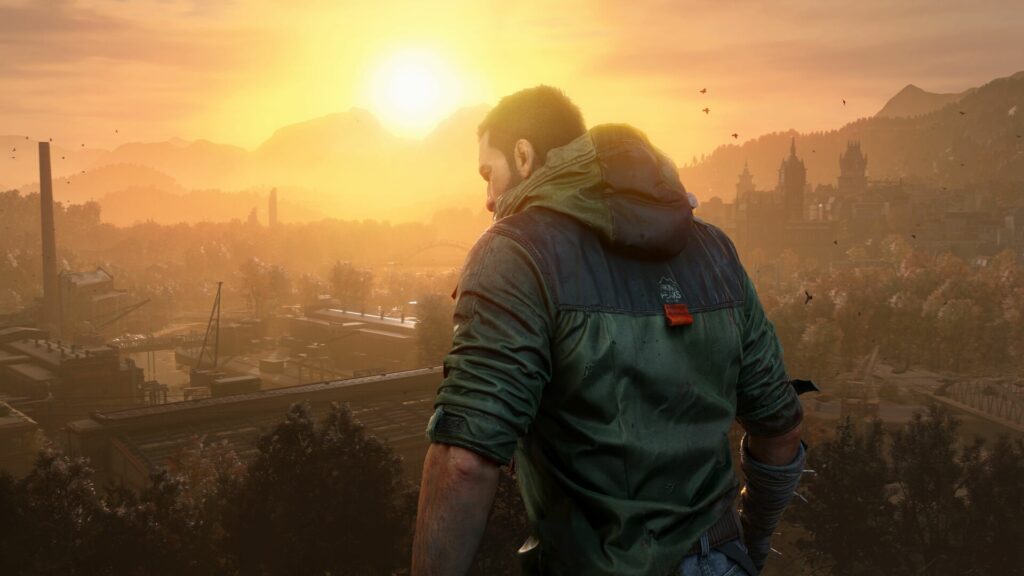
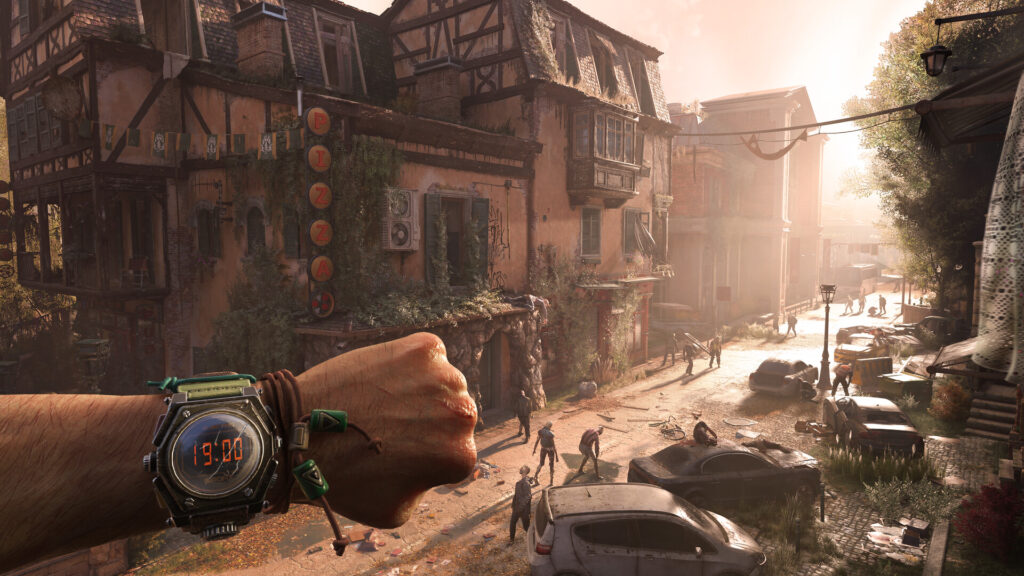
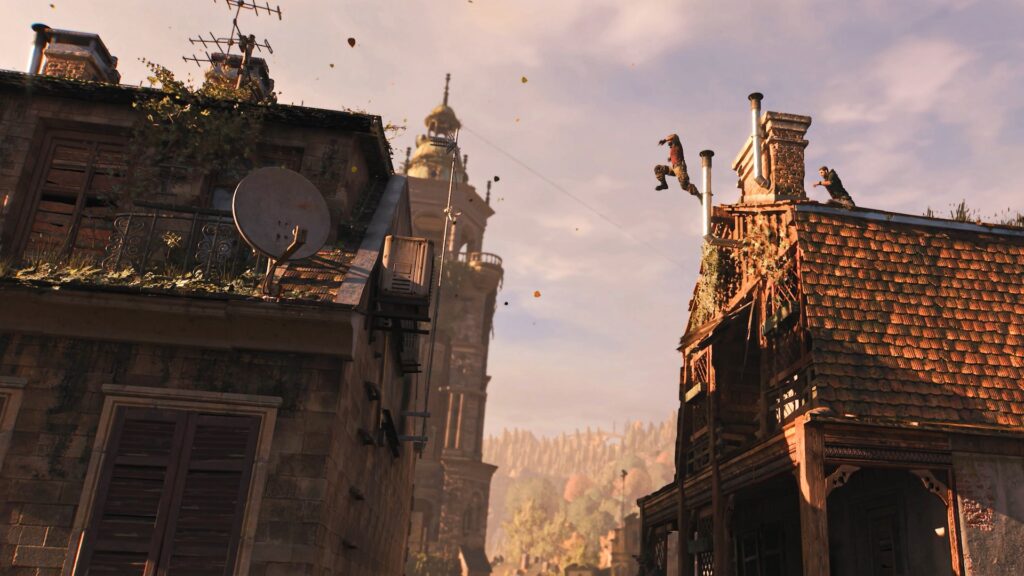
The Beast is set in an imaginary alpine tourist town — a national park — called Castor Woods. So, we’re not leaving the European continent as in the second game, but this time the environment is very different, full of contrasts. The old town of this seemingly Austrian or Swiss tourist hub is extremely claustrophobic. This very quickly affects the gameplay, as the settlement feels tighter, narrower, and darker. The streets resemble deep canals, while rooftops and the use of your parkour skills feel like a no-brainer, more logical than ever before. This gives the game a tone that feels much more intense and darker than its predecessor.
Castor Woods, however, doesn’t just mean an urban setting, but also the surrounding mountains, forests, meadows, caves, and various settlements and standalone complexes. Perhaps more than ever, you’ll find yourself sprinting across flat terrain, through fields and forests, or simply hopping into a vehicle to reach your destination faster. The map is large and, compared to its predecessor, consists mostly of “non-urban” elements. Yes, vehicles are a new and important addition to The Beast. But before getting to them, let’s first focus on the series’ trademark — parkour.
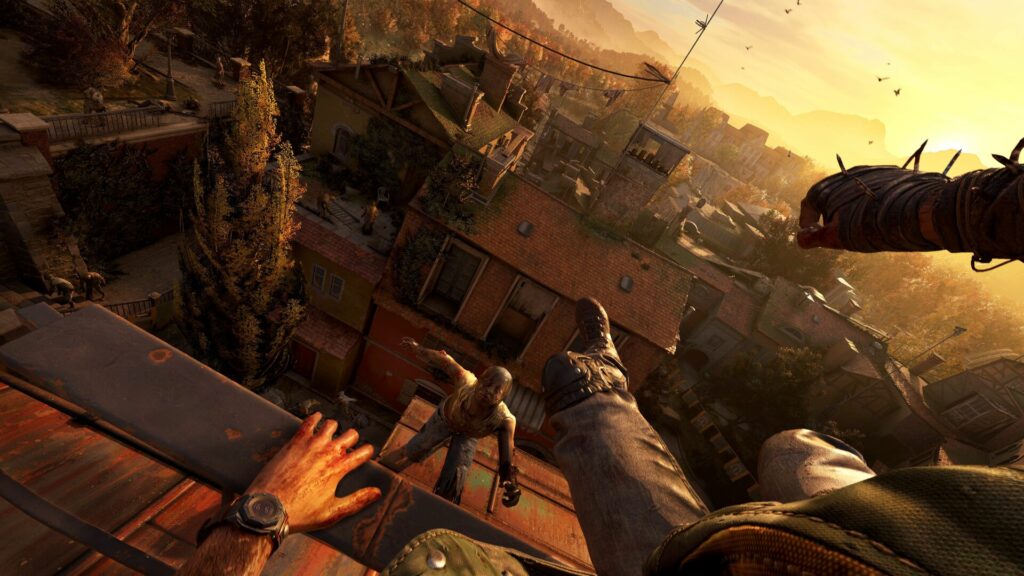
The parkour system is the cornerstone and heart of the Dying Light franchise, and here it’s been further refined and brought close to perfection. Kyle, our protagonist, practically soars across the map and rooftops of Castor Woods. Animations are smooth, fast, and precise. The map and terrain have also been designed to enable this movement. Every part of the map is meticulously crafted to allow for the smoothest possible traversal, thanks to numerous vertical routes, hidden passages, and urban obstacles that require creativity when choosing your path.
Of course, parkour isn’t the only way to get around. Since the map consists of vast non-urban territory, high-level parkour skills aren’t always useful. Vehicles scattered across the map become essential. They’re always available to you, limited only by fuel. Fuel is scarce at the start, and it’s up to you to find it and fill up if you want to keep driving through this alpine idyll. Driving physics are solid, controls are precise, which matters a lot given the narrow roads and limited maneuvering space. It’s oddly fun not worrying about deadly zombie hugs for a while, instead mowing them down and casually flicking on the windshield wipers to clear the blood.
BRUTALITY TAKEN TO THE NEXT LEVEL
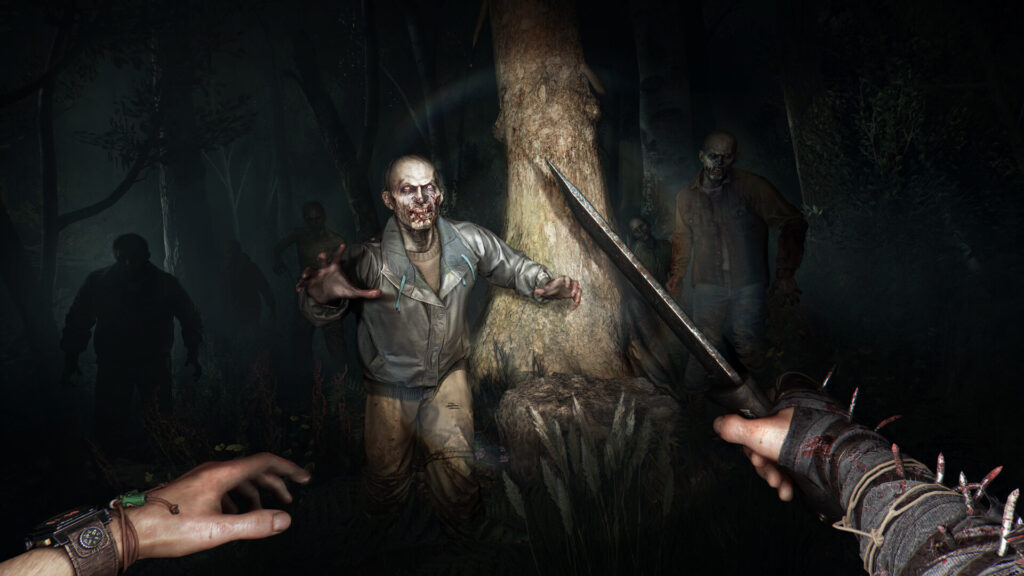
The core combat loop is exactly what you’d expect from Dying Light, only leveled up. The focus is still on extremely brutal melee combat, where every strike carries weight and spills rivers of blood. The twist this time is Crane’s new abilities. After some time in combat, he can unleash Beast Mode — in true Hulk Smash fashion — ripping everything apart for a short period.
Weapons at your disposal are more varied than ever, from hammers and knives to bats and improvised bone-crushers. Each melee weapon has a level that reflects its combat effectiveness. Weapons degrade with use, and you need to repair them when necessary. Repairs are limited, though: after three fixes, the weapon permanently breaks. This is excellent design, forcing you to swap weapons often and keeping combat fresh.
On top of weapon levels, there’s a crafting system that lets you upgrade and modify gear, adding special effects or even creating entirely new weapons. For instance, you can attach a gadget to a machete that ignites zombies on critical hits. Options are plentiful, adding variety to melee combat. And while it’s not a simulation of real hand-to-hand fighting, combat requires structure: timing, positioning, dodging, blocking, and targeting specific zombie body parts all matter.
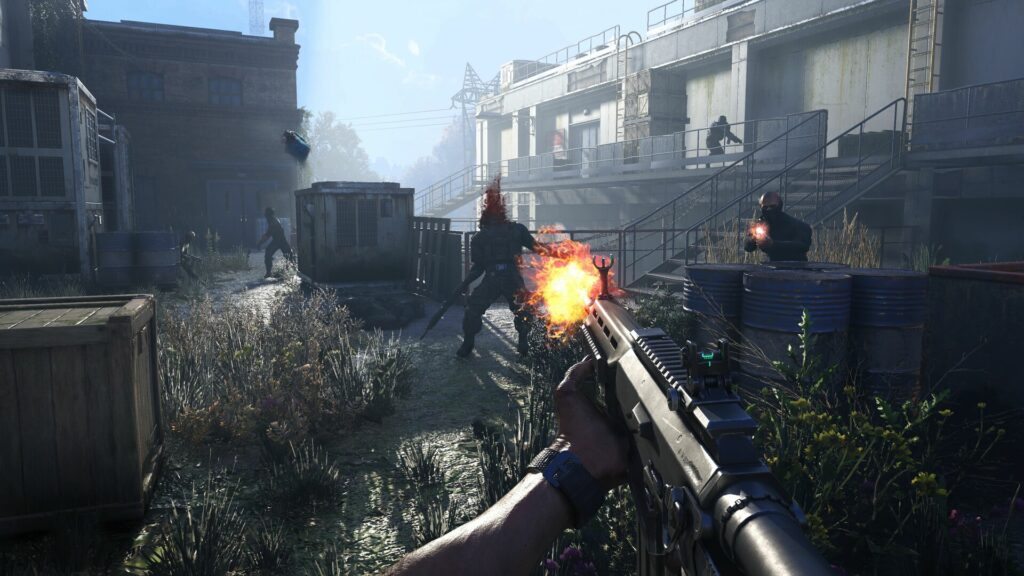
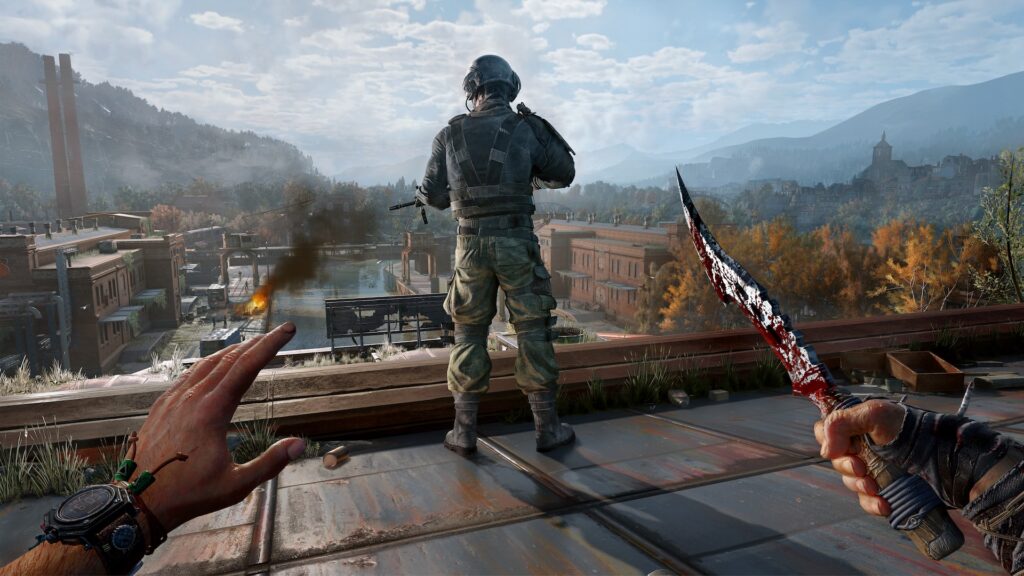
Alongside melee, you also have access to firearms. Like melee, they have levels and power scaling. In my case, I used them as a last resort, mostly due to limited ammo and the way you find it. Guns don’t diminish the value of melee combat; instead, they’re a backup option when chaos breaks loose. Still, firing them feels fantastic. Shotguns are punchy and satisfying, blasting away a horde feels amazing. But there’s a drawback: gunfire is loud, attracting more zombies your way — so you always think twice before pulling the trigger.
BEASTS OF ALL SHAPES
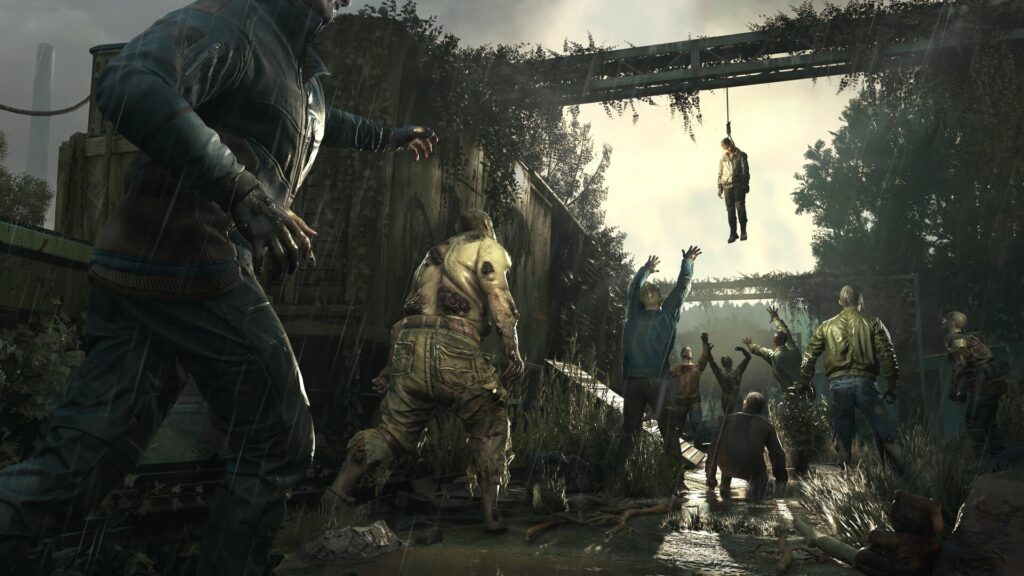
Enemies in Dying Light: The Beast come in layers, from basic grunt zombies that serve as constant threats to specially mutated monsters that challenge you on a deeper level. Basic zombies are well-presented: relatively harmless one-on-one, but in groups of three or more they quickly spiral out of control. At that point, your only real option is running. And the game tells you as much: running is fine, no shame in it.
Special infected, on the other hand, come with unique abilities. Some are fast and agile, others are hulking tanks. You’ll also encounter special boss zombies called Chimeras, which drop unique items necessary for story and gameplay progression. Without spoiling too much, I’ll leave their role for you to discover. Enemy variety keeps combat fresh and forces adaptation. And to ensure you’re not just fighting undead, various still-human or mutated factions roam this post-apocalyptic alpine landscape too.
SURVIVAL, TECHLAND-STYLE
While wandering in the shadow of the Alps, scavenging is inevitable — just as we’ve come to expect from all Techland games, and especially Dying Light. You’ll find resources scattered everywhere: wardrobes, abandoned cars, apartments, rooms, basements — all hiding parts needed for crafting. These resources upgrade your weapons and also help you craft healing items or tools like Molotov cocktails, knives, and explosives. Out of scraps, you create deadly tools that fit your playstyle.
There are special hotspots on the map with rarer resources, but they’re high-risk, high-reward zones. Greater loot, greater danger. All of this ties back into the returning day-night cycle, which once again acts as a central pillar of tension — harsher than ever. By day, the game is dangerous but manageable, giving you freedom to explore and fight. By night, though, it becomes something else entirely. With reduced visibility and a creepy vibe, nighttime unleashes the terrifying Volatiles. With these mutants, combat is useless. If they see you, there’s only one option: run for shelter.
BLOODY BEAUTIFUL
Graphically, Dying Light: The Beast is stunning on PC. The only noticeable drawback is some inconsistency in asset quality between urban areas and distant objects. Still, the towns and cities are gorgeously crafted, bursting with detail at every step. Crumbling rooms, ruined shops, decaying pizzerias — at times they look photorealistic. The sense of decay, the erosion of human creations over time, is brutally and convincingly depicted.
The game includes PHOTO MODE, and I must admit, I spent a respectable amount of time playing with it. The architecture, framed by alpine backdrops under sunlight, constantly pushes you to take a virtual snapshot. Zombies and other monsters are also depicted with brutal fidelity, and the gore and dismemberment technology is impressively savage.
Technically, my pre-release PC version ran well. I had a couple of crashes, but overall performance was solid on my high-end rig. The game is also Steam Deck “verified,” though I didn’t have a chance to test that myself.
Dying Light: The Beast may have started life as a mere expansion, but it quickly grew into something far more ambitious. If you loved the earlier games, you’ll find both the familiar and the new here, blended just right to pull you back in. The biggest difference is the return to deeper horror and brutality — more blood, more creepy atmosphere, and less of the sterile action-adventure vibe of Dying Light 2.
Dying Light: The Beast (PC)
The return of Kyle Crane with his special powers, along with a more focused story and gameplay, feels like the real deal, Dying Light at its best. It’s not a revolution redefining the genre, but it’s an atmospheric, brutally fun experience that reminds us why we fell in love with the series from the very first day.
