


LEGO games have always followed a recognisable formula. Whenever you jumped into one of their titles, you knew exactly what to expect. They were usually tied to popular movie franchises, whether Marvel or Star Wars, and all of them were built around a similar philosophy. While LEGO Batman: Legacy of the Dark Knight is still a game inspired by a comic-book hero and the silver screen, its philosophy drastically departs from the traditional template of linear movie retellings filled with light brawling and brick collecting. This is a radical leap in a much more “serious” direction, featuring deeper gameplay mechanics while proudly maintaining its LEGO identity and childlike spirit.
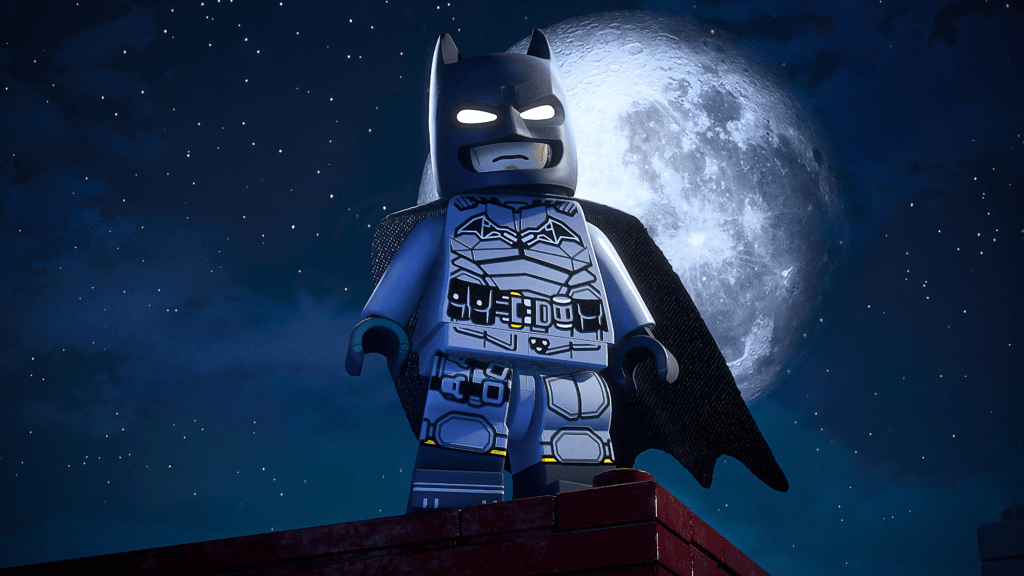
THE END OF A FORMULA
Published by Warner Bros. Games and developed by Traveller’s Tales (TT Games), this title represents a radical shift for the brick-built universe. TT Games has long been a proven specialist when it comes to creating LEGO gaming experiences. Their catalog over the past two decades has become instantly recognizable to millions of players around the world. From Star Wars and Avengers to Pirates of the Caribbean, The Incredibles, Harry Potter, and previous Batman titles, it seemed as though they had perfected a safe formula that, thanks to its charming visual identity, attracted fans across all generations.
The appeal of LEGO games has always been undeniable. They are simple, approachable experiences designed primarily for younger audiences. Their biggest strength has naturally been their visual identity, where colorful plastic bricks are used to build imaginative creations and memorable worlds. Beyond that, the stories usually followed familiar and established paths, most often retelling films through a LEGO lens. These games were linear, relaxing, and charming, but often limited when it came to gameplay depth and complexity.
Legacy of the Dark Knight turns that formula upside down for several reasons. TT Games has finally transitioned to Unreal Engine 5, leaving behind the ageing technology that powered its games for years. In return, the developers gained access to powerful new tools that clearly reignited their creativity, and nowhere is that more apparent than in this new adventure featuring the Dark Knight. The result is a visually stunning open-world LEGO experience.
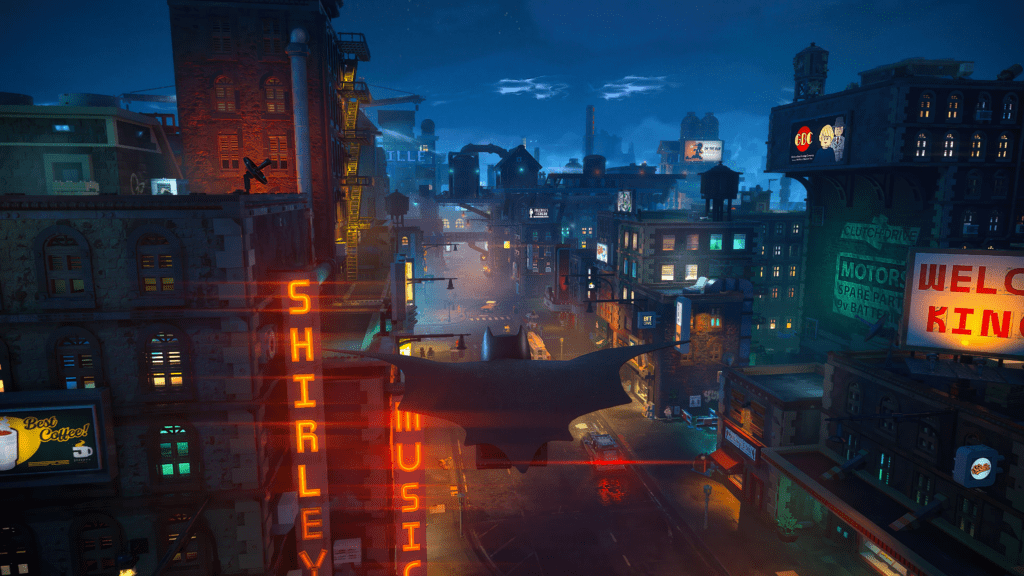
THE ULTIMATE LOVE LETTER TO GOTHAM
In Legacy of the Dark Knight, we witness the very beginning of Batman’s story. Bruce Wayne’s entire history—from his childhood and the tragic moment he loses his parents, to his fall into the bat-filled well, his training with the League of Shadows, and ultimately his return to Gotham and adoption of the cape and cowl—is covered during the opening hours. This origin story is treated with remarkable seriousness, meaning it will take a good hour and a half, if not longer, before you even reach the section showcased in the trailers: the open-world Gotham City inspired by the Arkham games.
Beyond its more serious introduction, the narrative approach is completely different compared to previous LEGO titles. Rather than blindly following the plot of a specific film, the game tells its own original story. At the same time, it leans heavily into Batman’s entire legacy, incorporating references from virtually every adaptation, from classic interpretations and Christopher Nolan’s Dark Knight trilogy all the way to Matt Reeves’ latest take on the character. It works wonderfully and creates the feeling of an ultimate Batman story, a genuine love letter to the Caped Crusader and his universe.
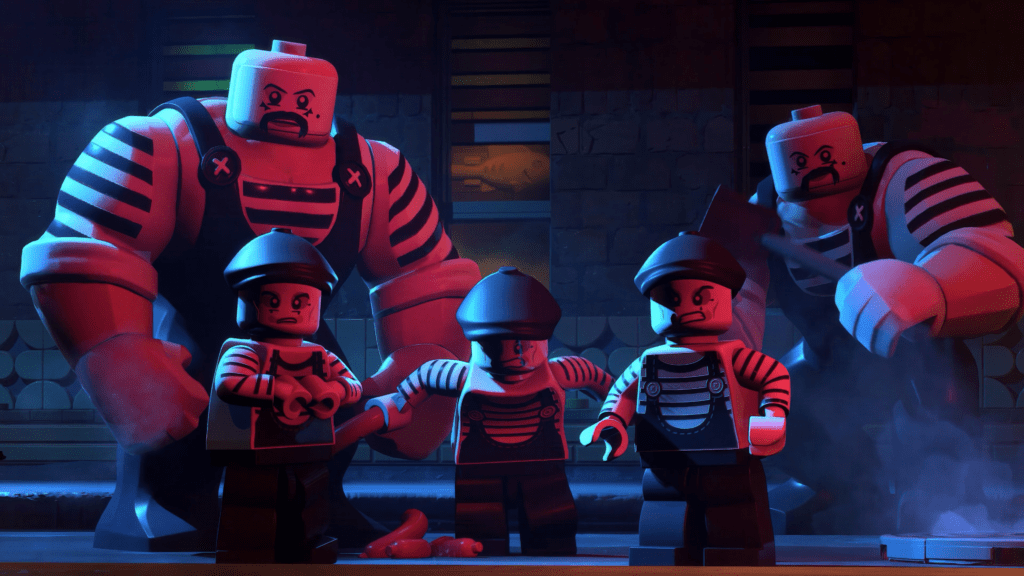
PLASTIC ARKHAM AT ITS FINEST
Once you truly step into the role of the Dark Knight, one detail will likely leave you shocked: the game genuinely feels like an Arkham title. And that is no accident. Rocksteady Studios worked closely on the project as a co-developer, and their influence can be felt from the very first moment you press the attack button.
The most obvious example of this collaboration is the legendary Freeflow combat system. The mechanic has been practically recreated from the Arkham games, and all the essential components of those iconic brawls are present. While beating up criminals in the streets, if someone attempts to attack from behind, you will use the Y button (Triangle on PlayStation) to execute a smooth counterattack. At the same time, dodge rolls allow you to avoid incoming ranged attacks. If you encounter an armored enemy or a shielded boss who can only be damaged from behind, the familiar leap-over animation returns exactly as fans remember it from Rocksteady’s games.
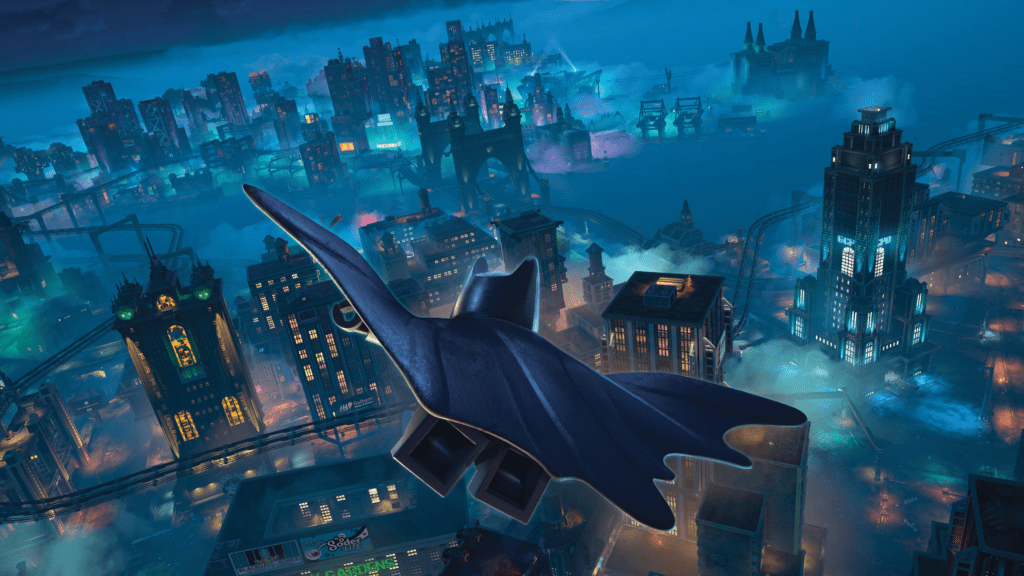
These recognizable fingerprints extend to movement throughout the city as well. You can summon the Batmobile and weave through Gotham’s streets, or glide across the open world using Batman’s cape. Fire your grapple toward the edge of a building and the game launches you upward with tremendous momentum, making traversal significantly faster and more satisfying. In many ways, this is essentially a plastic version of the Arkham series wrapped in a layer of LEGO humor and family-friendly aesthetics. The combat timing, finishers, and combo attacks are all here. It feels strange at first, but somehow we have received a genuine Arkham-style game built entirely out of colorful LEGO bricks. If Rocksteady isn’t currently giving us a new Arkham experience, TT Games has stepped in and delivered a remarkably satisfying alternative.
QUALITY OVER QUANTITY
LEGO Batman: LotDK is a game primarily designed around cooperative play. Batman is almost always accompanied by a partner whose unique abilities help solve puzzles and progress through levels. If you choose to play solo, a simple press of the D-pad instantly switches control between characters. The transition is seamless and never disrupts the flow of gameplay.
The roster has traditionally been one of the biggest selling points of LEGO games, often featuring an enormous number of playable characters. This time, however, the selection is smaller but far more focused, consisting of heroes who are functionally distinct from one another, such as:
- Batman (gadgets, Detective Mode, raw strength, and martial arts skills)
- Robin (technology-focused gadgets, staff combat, and stealth abilities)
- Nightwing (the fastest character in the game, with exceptional acrobatics and his iconic electrified escrima sticks)
- Batgirl (hacking abilities and devastating close-quarters combat)
- Catwoman (agility, whip-based traversal and combat, and the ability to steal objects on the move)
- Jim Gordon (Batman’s trusted police ally, equipped with fire-suppression tools and stun devices)
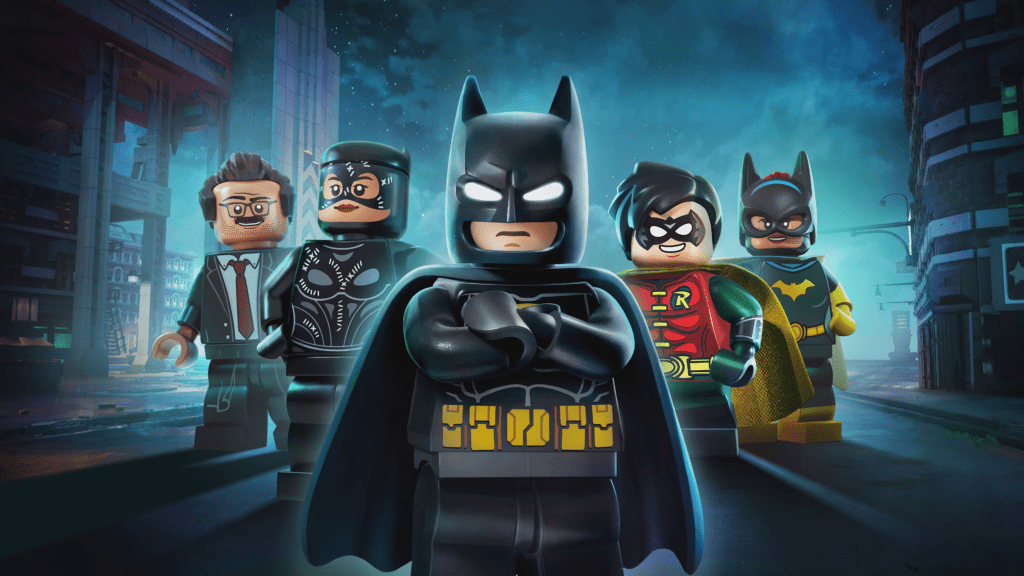
Additionally, there are a handful of sections throughout the game where players briefly control other characters, although I wouldn’t classify them as part of the core playable roster.
THE BEAUTY OF UE5 AND ITS COST
The reduced roster will probably become a point of debate among long-time fans of the series who have come to expect triple-digit character counts, but this was clearly a deliberate decision in favour of quality and narrative purpose over empty quantity. Every hero feels unique and serves as an excellent companion to Batman. On the other hand, all the iconic villains such as Joker, Penguin, Mr. Freeze, and many others are present as brilliantly written NPC antagonists and boss encounters, each receiving their own moment to shine, even if none of them is playable.
Gotham looks absolutely stunning. Powered by Unreal Engine 5, it’s hard to believe a LEGO game can deliver this level of graphical detail. The lighting, the environmental detail on every street corner, microscopic scratches on plastic surfaces, atmospheric neon lights, and rain droplets sliding down Batman’s cape all look genuinely impressive.
Of course, this visual leap comes at a performance cost, especially considering that UE5 optimisation remains a common challenge for many developers. The game performs well up to a certain point, but occasional stuttering does occur. On consoles, where everything is optimised for fixed hardware specifications, the experience is generally smooth with only occasional framerate drops during the most demanding scenes. On Xbox Series X, the game runs flawlessly in every way possible. We haven’t noticed any stutters or drops in framerates, but either way, we do not have the technical equipment to follow framerates in real time. But, based on our experience, it was smooth sailing.
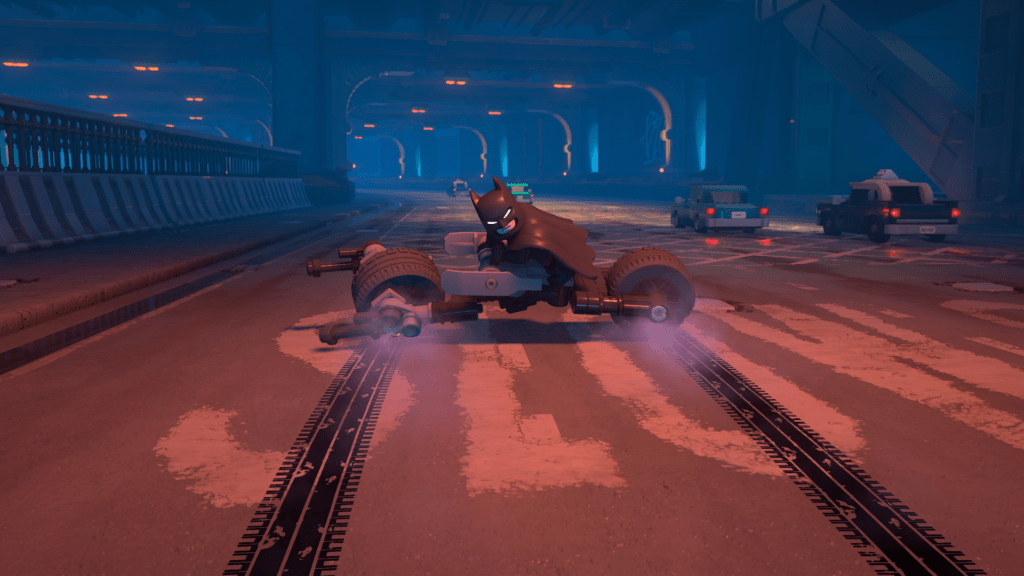
It may sound paradoxical that a LEGO game struggles with performance, but in this case, the “LEGO” label doesn’t really do it justice. The game looks remarkably good for this type of title. Even if I fail to convince you about its other qualities, I can guarantee you’ll be impressed by the sheer visual fidelity on display.
A WELCOME BREATH OF FRESH AIR THIS YEAR
Humour remains an essential part of the series, along with the lighter tone designed for younger audiences. Yes, there’s plenty of punching, kicking, and action throughout the game, and it certainly borrows some of the darker atmosphere from the Arkham series, but everything is still packaged in a way that remains appropriate for younger players.
That distinction is important to make: at its core, this is essentially Arkham-style combat, but first and foremost, it is still a LEGO game, complete with all the charm, humour, and playful storytelling that defines the franchise. Smashing LEGO objects throughout the world and rebuilding them into new creations remains a fundamental part of the experience. As you play, you’ll collect studs that serve as currency, while also discovering upgrade points, special bricks, and treasure chests scattered across Gotham.
What younger players will see as pure fun, older players will likely find incredibly relaxing and surprisingly engaging. And if you’re already a Batman fan, the nostalgia and strong storytelling will easily keep you playing for hours. While the character roster may be somewhat limited, the number of skins available for each character is genuinely impressive.

LEGO Batman: Legacy of the Dark Knight is packed with side content. You’ll hunt for hidden chests, solve Riddler puzzles, and clear countless activities scattered throughout the map. At the same time, the game is both a dream and a nightmare for completionists chasing that coveted 100% completion rating. There is an overwhelming amount of content spread throughout this open-world version of Gotham, to the point where you often won’t know where to begin.
The game masterfully celebrates every era of Batman’s history and successfully weaves those influences into a cohesive whole, something that arguably only works because of the unique charm of the LEGO universe. For fans of Arkham’s combat system, this is the closest and freshest experience currently available to recapture that fantastic feeling.
LEGO Batman: Legacy of the Dark Knight
LEGO Batman does so many things right and is so consistently entertaining that it feels like a genuine treat amidst the sea of serious and often emotionally heavy games we've seen during the first half of 2026. The game will be especially rewarding for fans deeply familiar with Batman lore, delivering exciting action, a huge amount of heart, and plenty of genuinely funny moments.
