
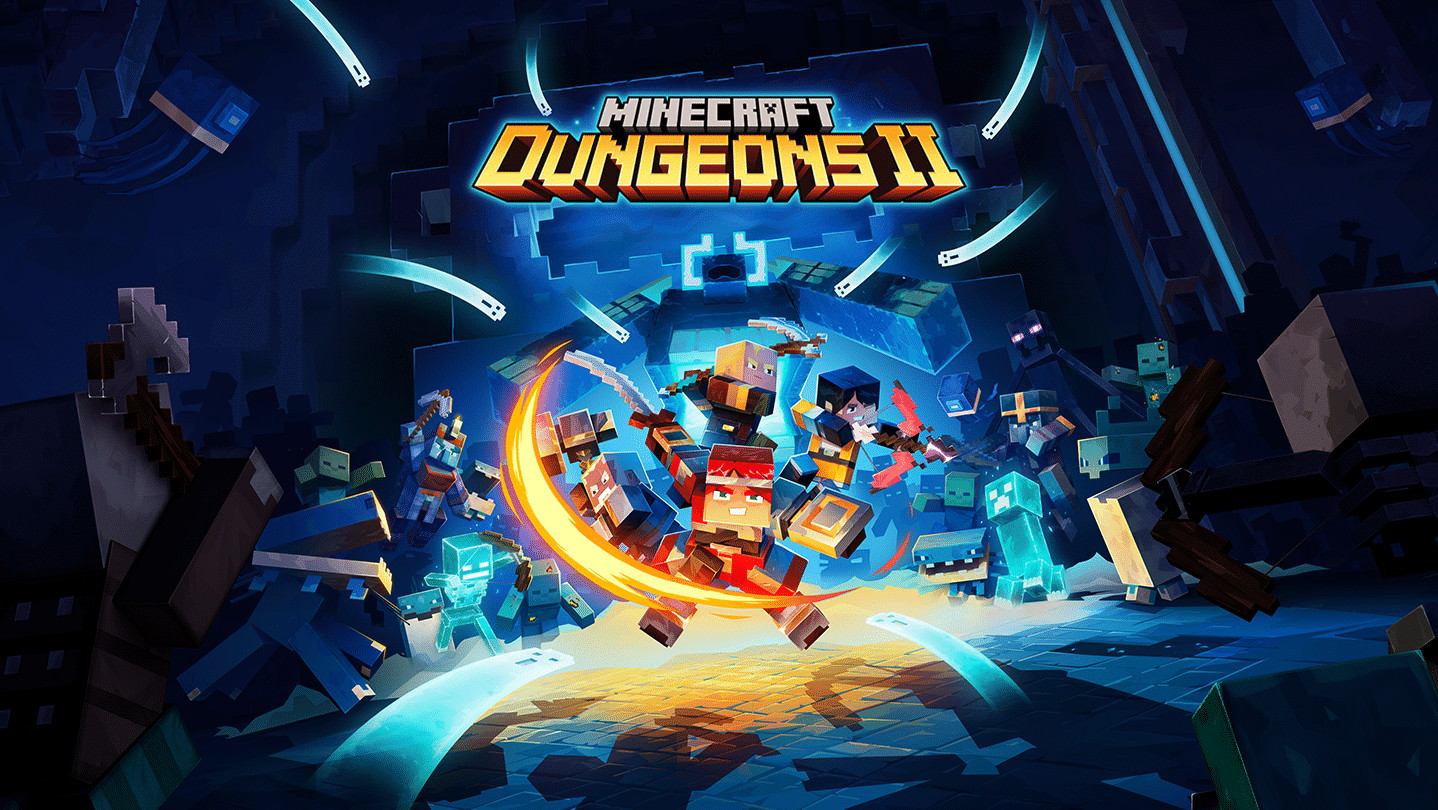

The Overworld is under siege. A sudden, dimension-wide assault by the High Council of Illagers drags you straight to Brave Haven, a quaint coastal town in desperate need of a hero. While defending the locals from malevolent forces, you stumble into a deeper mystery: bizarre rifts tearing through the fabric of the world. These anomalies are gateways to an entirely new dimension known as the Sift. So, what exactly awaits on the other side?
Six years after the original release, Mojang and Double Eleven return with a heavily refined iteration of their popular dungeon crawler. The main attraction is the Sift, a brand-new dimension teeming with mobs of all shapes, sizes, and colors, creatures slated to make their debut in vanilla Minecraft next year. It’s hard to resist the adorably blocky rabbits and the vibrant new cast of the Sift, but don’t let the aesthetic fool you. Not every local is friendly, and certainly not all of them go down without a tough fight.
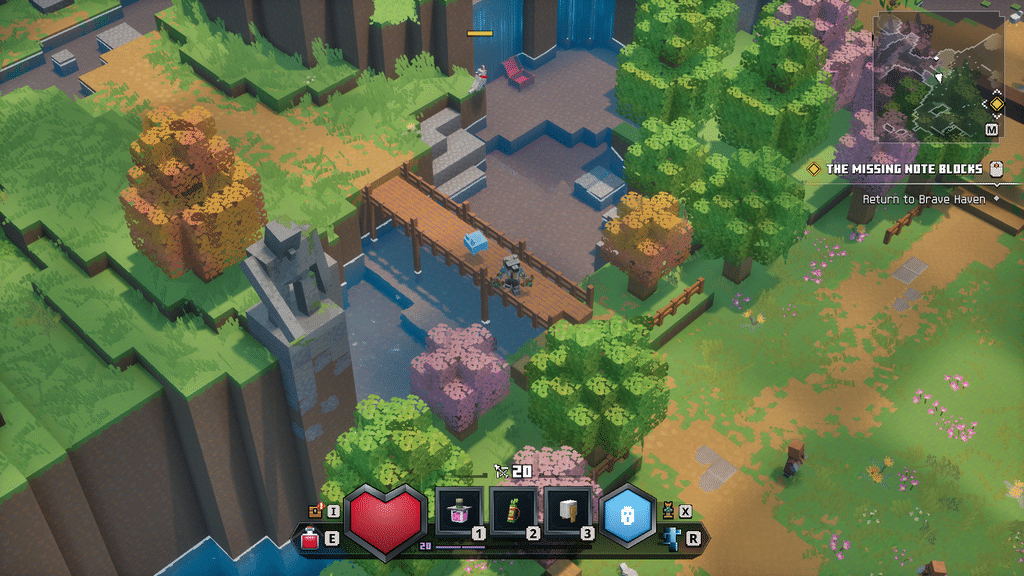
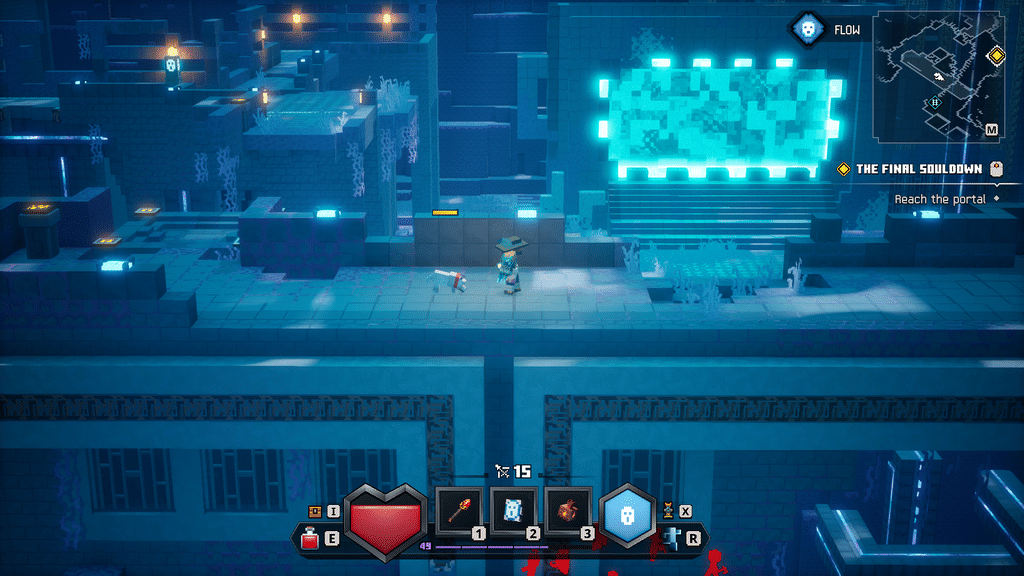
Before you can freely explore the Sift, you have to push back the Illager invasion across the Overworld. Your journey takes you from Brave Haven through Honeycomb Fields, the Howling Woods, rain-swept plains, and frozen plateaus. In every village, you must dismantle the Illagers’ operations until you finally breach the stronghold of the Supreme Evoker and his dimensional army. Once the Overworld is secured, the fight spills into the Sift itself, where your ultimate goal is to seal the final portal and aid a faction of singing golems and their leader in recovering their lost memories and songs.
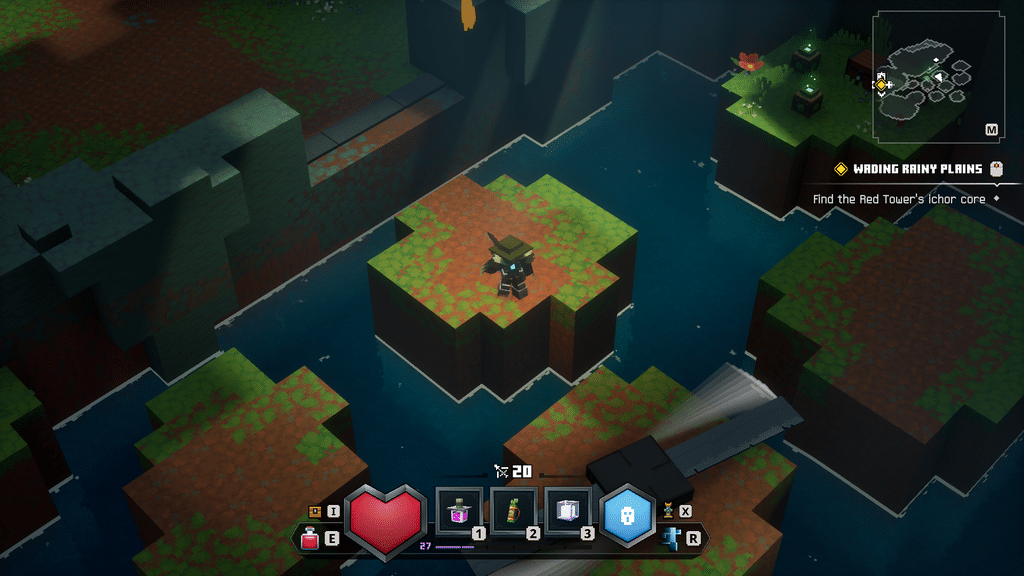
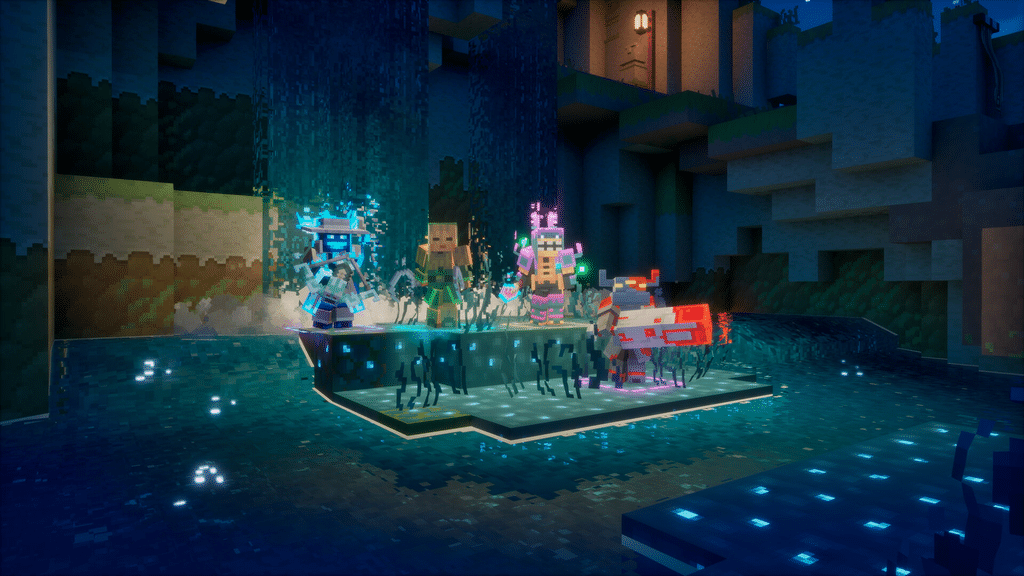
Minecraft Dungeons 2 constructs its world through a series of interconnected regions, feigning an open-world structure. In reality, it is far more guided. The main questline unlocks the bulk of the map, supplemented by side quests, but you can’t just wander anywhere from the jump. This restricted exploration isn’t inherently a flaw; the game delivers plenty of content within its structured boundaries. The pastel tones of the Overworld contrast beautifully with the striking, vivid colors of the Sift, and combined with crisp graphics and a lighthearted soundtrack, it gives the game a distinctly lively, charming vibe.
Naturally, the game wouldn’t live up to its name without actual dungeons, and they are scattered generously across the dimensions. Inside, enemies hit harder, and environmental hazards demand your attention, floors crumble, and stalactites plummet from the ceiling. You’ll navigate simple button-activation puzzles, light parkour segments, and gauntlets of spinning blades and traps. The mechanical depth of these dungeons isn’t overly complex, and the concluding boss fights strike a highly accessible balance. Similar mechanics appear in caves and Sift rifts, though these are typically shorter, bite-sized encounters. Enemy attack patterns are easy to memorize, and the game does an excellent job of pacing its difficulty, gradually introducing new mechanics and tossing in random mini-boss spawns to keep you on your toes.
Traversal is streamlined with Minecart stations acting as fast-travel points in every hub, alongside a highly forgiving teleport system that instantly drops you back into the fray if you fall in battle. After six years, the quality-of-life improvements are highly apparent. You can finally jump, and even better, execute aerial attack combos. The armor system has been overhauled: instead of equipping a single, monolithic outfit, you can now mix and match helmets, chest plates, guards, and boots. For the co-op crowd, the developers have thankfully implemented robust matchmaking and party codes for both online and couch sessions.
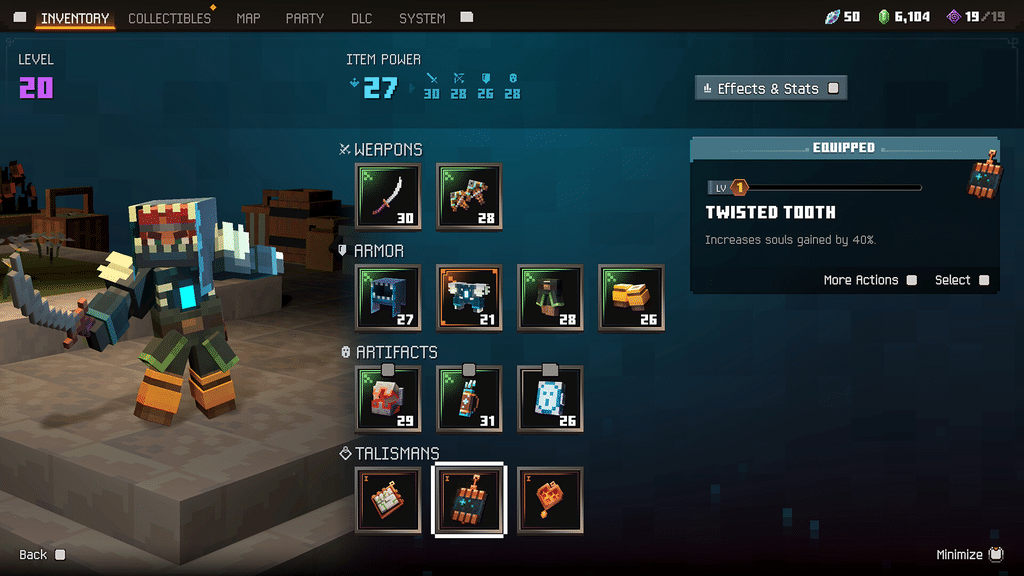
Players now have double the equipment slots to tailor their loadouts. The arsenal is vastly expanded, offering everything from swords, claws, and daggers for melee brawlers to various bows and crossbows for ranged snipers. Artifacts return, functioning essentially as magic spells with elemental effects like fire, lightning, poison, and ice. Some augment your primary attacks, like igniting your arrows, while others are devastating standalone abilities, allowing you to channel a massive laser or call down lightning strikes. You can even hurl a jar of honey at enemies to summon an angry swarm of bees. Talismans are a brand-new addition, providing passive buffs and summoning AI companions. Equipping certain talismans lets you bring a combat dog or a protective golem into the fight. If they go down, they respawn completely fresh a few seconds later.
Every weapon, armor piece, and artifact drops at different tiers, dictating the potency of their bonus effects, ranging from raw critical hit chance and conditional damage multipliers to increased healing and elemental synergies. Talismans operate on a slightly different system; they level up via XP, growing stronger the longer they remain equipped. You can carry up to three artifacts and three talismans at any given time, allowing for some wildly creative build crafting.
As you progress, you unlock a trio of crucial hub vendors: the town merchant, the enchanter, and the blacksmith. The merchant sells gear of all tiers (excluding Uniques) and offers a reroll function to refresh the inventory. The enchanter handles your weapon and armor buffs, requiring enchantment books and “echo shards” scavenged during exploration. Finally, the blacksmith allows you to level up your favorite gear and reroll specific sub-stats. Unlocking the full potential of these vendors requires a hefty investment of emeralds and echo shards, which brilliantly ensures that hoarding currency never feels like a pointless grind.
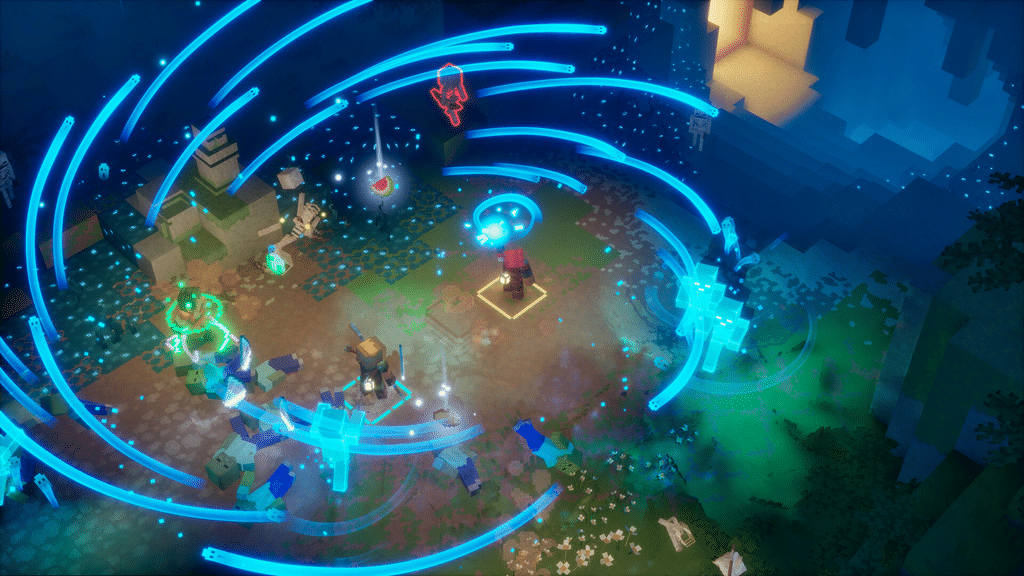
The synergy between all these systems is incredibly satisfying. The core combat remains highly accessible, maintaining a steady but manageable difficulty curve even as enemy power scales alongside your hero level. There were moments when I felt vastly underpowered against a mob of Illagers, but the right combination of artifacts and enchantments didn’t just save the run, it made the combat outrageously fun. There is a genuine adrenaline rush in popping an armor enchantment that pulls enemies toward you, detonating an explosive artifact, and then cleaning up the survivors with a poison-laced sword. When the screen lights up with vibrant particle effects, it is an absolute visual treat.
However, there is a notable drawback: Minecraft Dungeons 2 completely lacks dedicated classes and skill trees. Your entire build is dictated exclusively by the gear you equip and how those item effects synergize. Because of this, you often feel like you are merely simulating a specific class archetype, missing the foundational, inherent progression you’d expect from a fully fleshed-out action RPG.
After rolling the credits on the final boss, the endgame loop introduces Soul Storm zones, challenging areas that randomly spawn across the dimensions every 40 minutes. The late-game grind also encourages backtracking to refight upgraded versions of previous bosses, which is a great way to farm better loot and test your highly optimized builds.
We would like to thank Xbox Game Studios for providing us with a copy of the game for review purposes.
Minecraft Dungeons 2 (PC)
Overall, Minecraft Dungeons 2 leaves a highly positive impression. Discovering a physical book in Brave Haven that rolls the developer "thank you" credits was a charmingly clever touch. The dialogue is brisk, clear, and laced with unforced humor. The mini-puzzles and traversal obstacles perfectly break up the action, even if I wish they were just a bit more mentally taxing. The biggest issue is the eventual monotony of the late-game grind. Without a dedicated group to play with, running the same zones repeatedly becomes tedious, exacerbated by the fact that exploration is strictly tethered to quest markers. Still, the narrative is a solid, highly entertaining introduction to the Sift and the expanding lore of the Minecraft universe. The combat hits a brilliant sweet spot that welcomes newcomers while offering enough depth for veterans, making it incredibly easy to recommend.
