
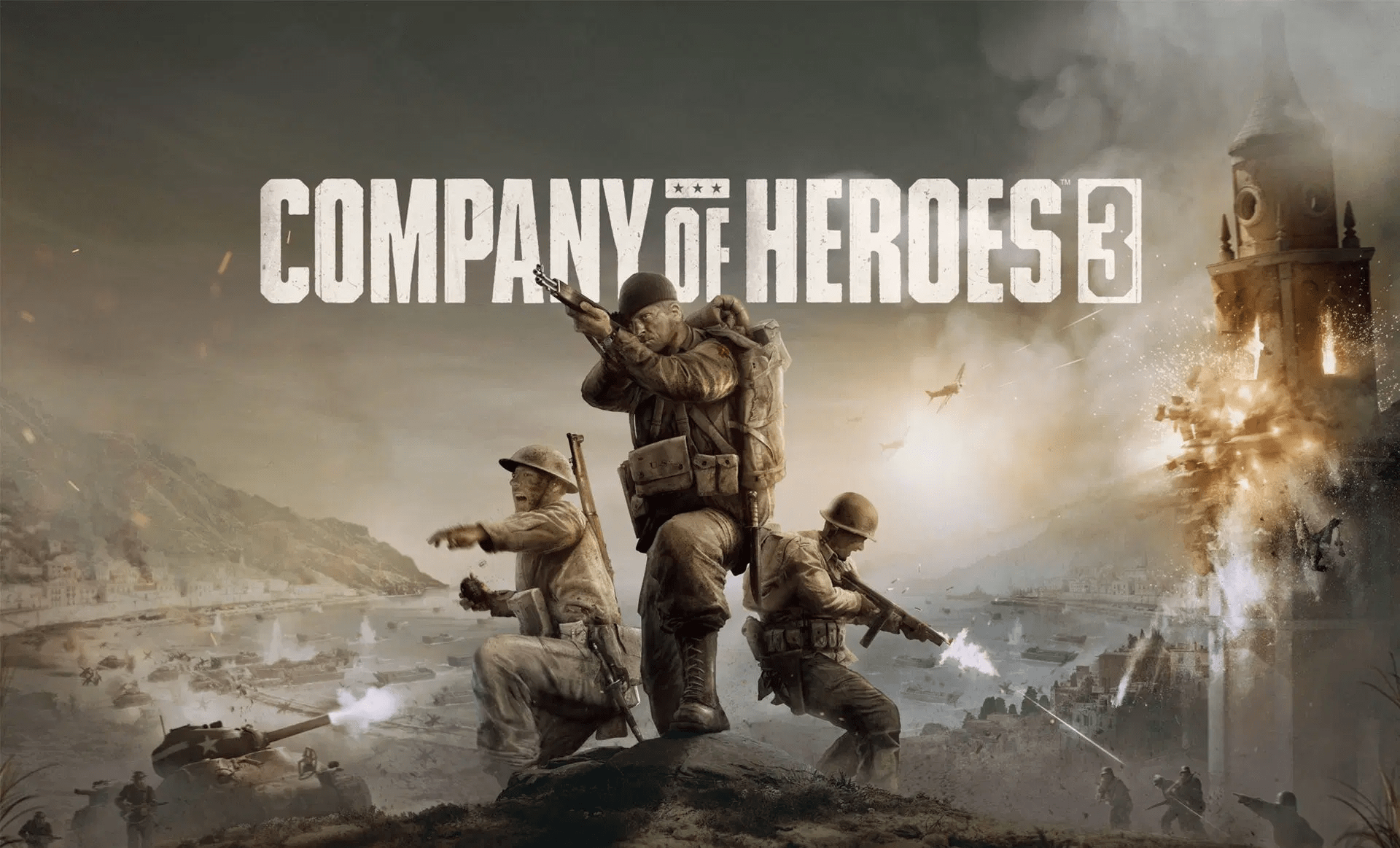

Relic Entertainment’s Company of Heroes 3: Final Stand is part of Relic’s 20th Company of Heroes 20th Anniversary Franchise Roadmap, which celebrates the franchise with not only big updates to Company of Heroes 3, but also a Definitive Edition of Company of Heroes and Company of Heroes 3: Final Stand.
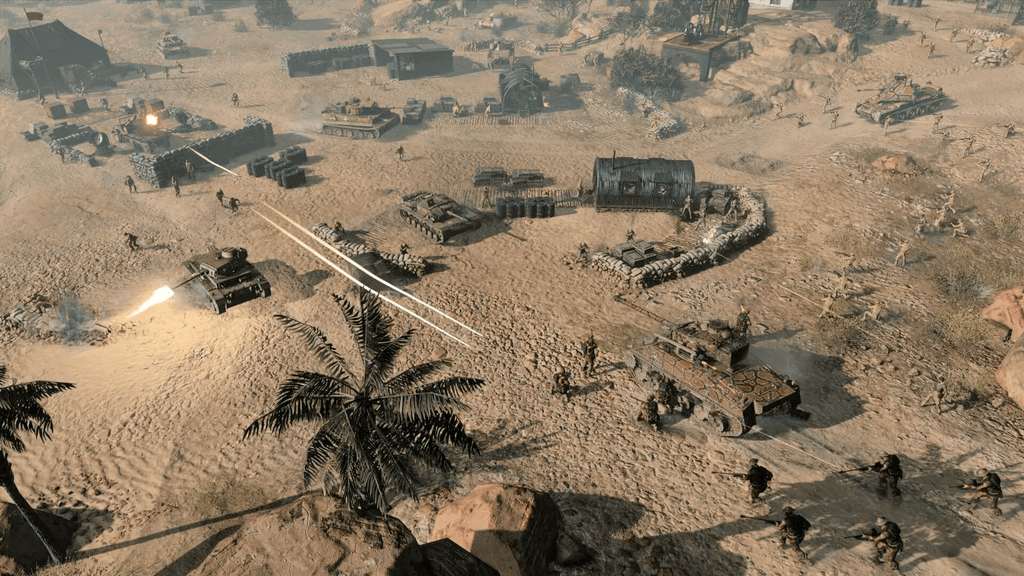
Company of Heroes 3: Last Stand, strips away much of the traditional structure of the game series to concentrate on one simple thing. How long can you keep your headquarters intact against an overwhelming force of enemies? Abandoning sprawling World War II campaigns and elaborate base-building, Final Stands pivots to a standalone roguelite wave-based last stand format. On paper it sounds like an experiment that distils the franchise’s tactical brilliance into intense, bite-sized survival sessions, yet while the core gameplay loop is undeniably fun, a steep price tag and a lack of content and variety, keeps it from reaching its full potential.
The Core of Last Stand
At its heart, Final Stand is a pure PvE endurance test. You are dropped onto one of five battlefields, handed a small pool of resources and tasked with surviving 12 increasingly difficult waves of enemy forces. The fundamental mechanics that make Company of Heroes 3 excellent, remain entirely intact here. You aren’t just spamming units to overwhelm enemies. Positioning, directional cover, combined arms and knowing exactly when to retreat a squad are still what separate a heroic defense from sudden collapse.
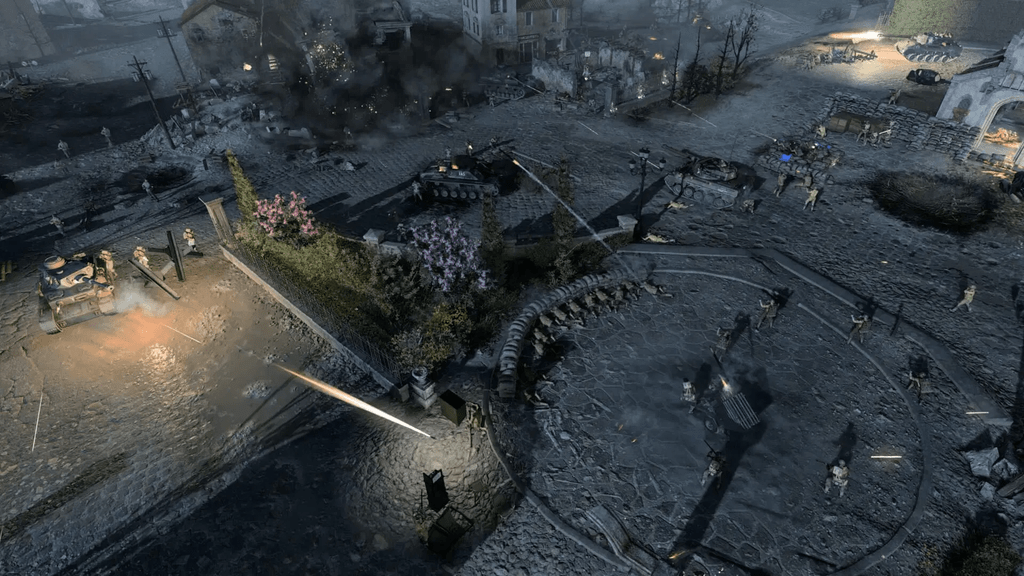
Because the macro-management of capturing territory is largely absent, the micro-management of your troops takes the center stage. Engineers rush to repair battered tank traps and string bared wire between waves, while anti-tank crews reposition to cover newly exposed flanks. The tensions ramp up quite intense. Early rounds allow you to build confidence and establish a perimeter, but by wave eight or nine, the sheer volume of enemy armor and infantry forces you into a desperate last standing and hope for the best.
You command one of four iconic factions, the US forces, the Wehrmacht, Britiches Forces or the Deutsches Afrikakorps. Each faction brings its distinct flavor to the defense. The British excel at locking down lanes, while the Afrikakorps rely on mobility and light armor to plug gaps as they appear.
Relic has also injected a dozen dynamic in-game events and 36 “boss” units to keep you on your toes. These bosses are heavily armored and specialized variants of standard units, dsigned to punch holes in your defenses and screw with your unit setup. When a boss Tiger tank rolls onto the field supported by a dynamic smokescreen event, you need to meticulously plan your kill zones and adjust them quick. Boss encounters force adaptability. However, while these encounters are dangerous, many of the bosses just feel like bloated versions of existing units, rather than unique threads.
Roguelite Progression: The Wish of Keeping Going
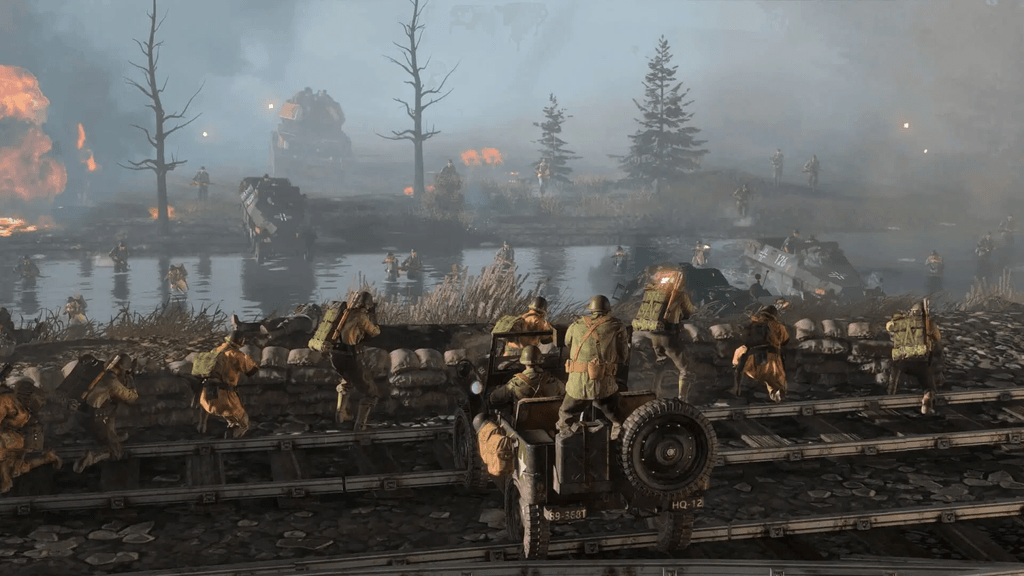
To keep the twelve-wave loop fresh, Final Stand adopts a roguelite progression system. Between waves, you don’t build just build units from traditional headquarters, instead you are also offered randomized drafts of units, abilities or temporary buffs. You are effectively building a custom battlegroup on the fly. In one run, the RNG might hand you a heavily mechanized US Force with Sherman tanks, while in another, you are forced to rely on elite British commandos and off-map artillery strikes.
This in-match randomization does a great job of forcing you out of your comfort zone, but it also highlights some balancing issues. Because the draft pool draws from the entire faction roster, you can occasionally get stuck with completely useless options for your current situation. If wave 10 is bringing heavy armored enemies and you only draft light infantry or buffs for something else, the run can feel doomed by just bad luck rather than player failure.
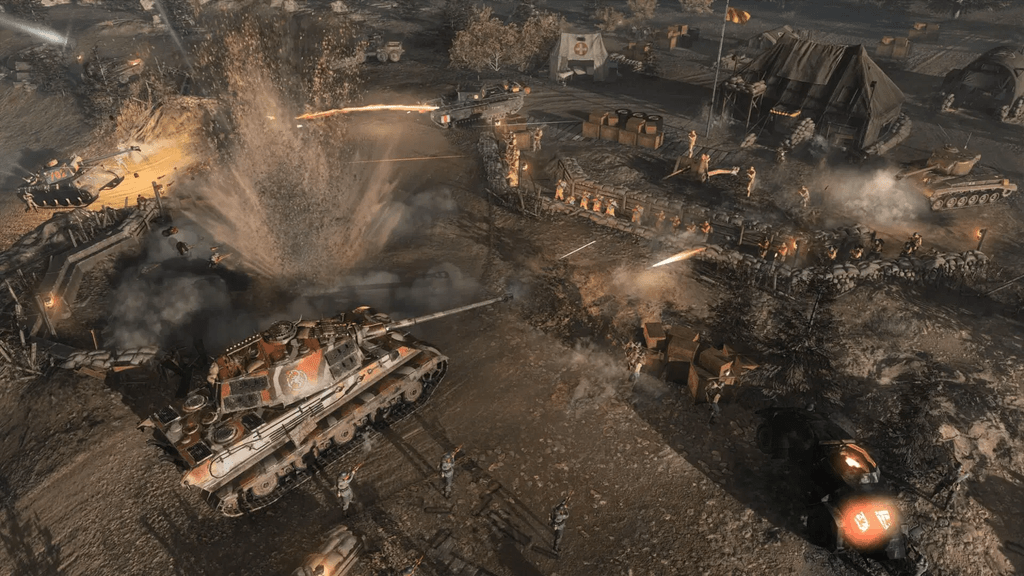
Beyond the in-match draft, Final Stand also features a persistent meta-progression. Completing runs, or even just failing in later waves, earns points that can be spent on faction-specific tech trees. These permanent upgrades offer minor buffs, such as increased garrison defense for the US or infantry lethality for the British. While unlocking nodes provides a decent long-term incentive to keep playing, the perks themselves are incredibly safe. They provide your standard statistical boosts rather than some spectacular game changing modifiers that radically alter your faction’s playstyle. Since Last Stand is a spinoff, here the developers could have gone wild, just for the fun of it.
Presentation and Reused Assets
Visually Final Stand looks great. The destructive engine that powers Company of Heroes 3 looks gorgeous yet again. By the final wave, the once -pristine maps are transformed into cratered, apocalyptic hellscapes of war. Artillery tears through defensive positions, shattered tanks clutter the chokepoints and crumbling buildings provide desperate, last-minute cover for your infantry troops.
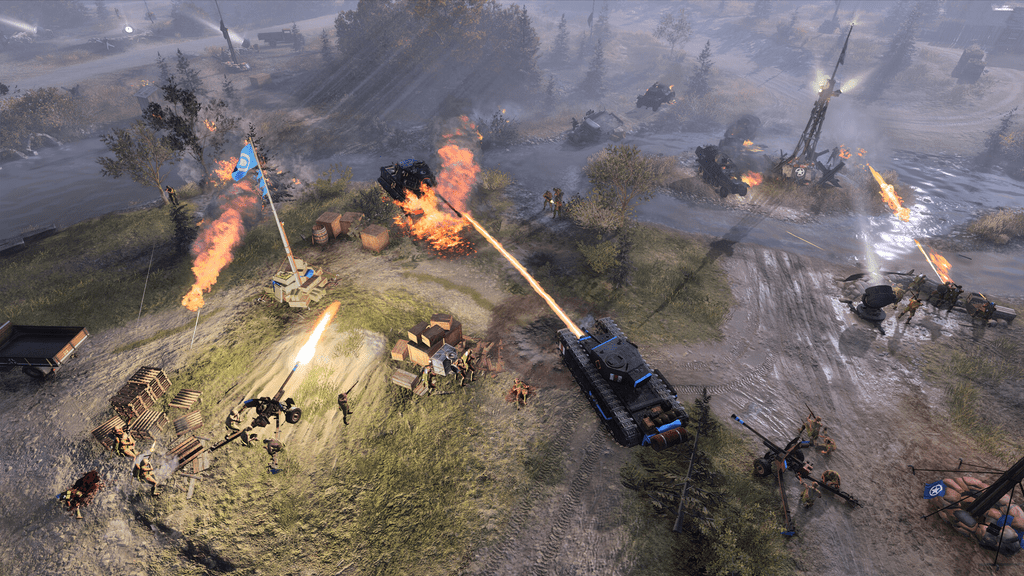
The audio design matches this intensity with the deafening roar of incoming barrages and the crack of anti-tank fire conveying the sheer weight of war.
However almost all of this presentation is just reused from the base game. Reusing assets isn’t inherently bad, especially for a lower priced standalone expansion, but it reinforces the feeling that you are playing a game mode rather than a distinct title. The soldiers, vehicles, weapons and environmental textures are all familiar.
The Lackluster Co-op Experience and Content Drought
Where Final Stand should shine the brightest is its two-player cooperative mode. However, at launch it was restricted to just your friend-list, while now you can join random multiplayer lobbies.
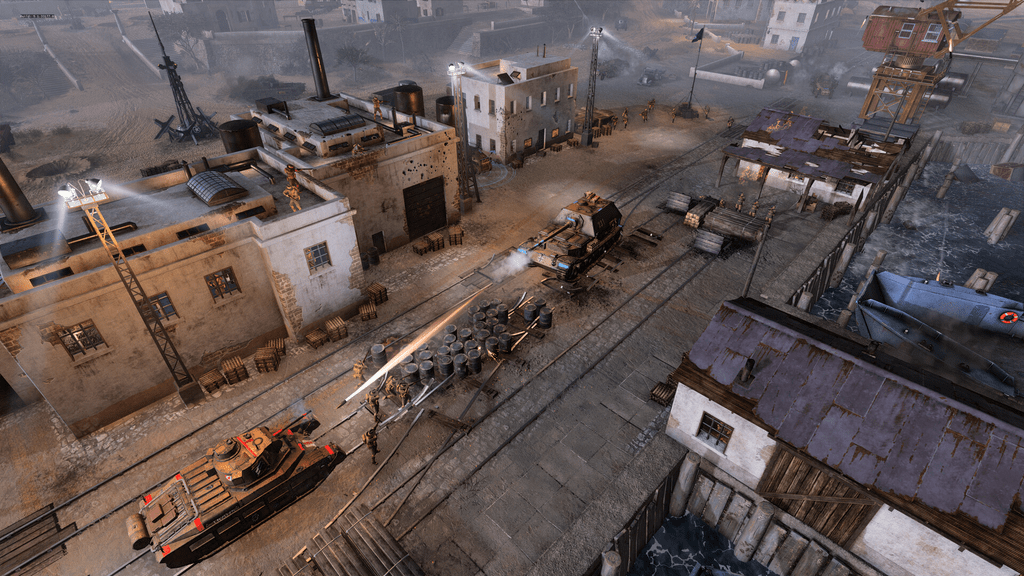
And then there is the question why they kept it at two? Expanding this mode to support three or four players would have exponentially instead the chaos and fun and future of the game.
The most glaring issue holding Final Stand back, however, is simply the lack of content, though. There are only five maps available for the defense mode. While the eight difficulty levels and the post-wave-12 endless mode add some replayability, defending the same five chokepoints repeatedly becomes tale much faster than a standard multiplayer skirmish mode. The roguelite randomization tries to mask this repetition and succeeds for a short time, but it’s not enough to hide the limited variety.
Especially for the price of around 30 Euro for the standalone release (there is a discount for CoH 3 owners), the value proposition is hard to justify. You are essentially paying half the price of a full game for a single mode reusing assets, that could have easily been a free content update, or part of the season pass.
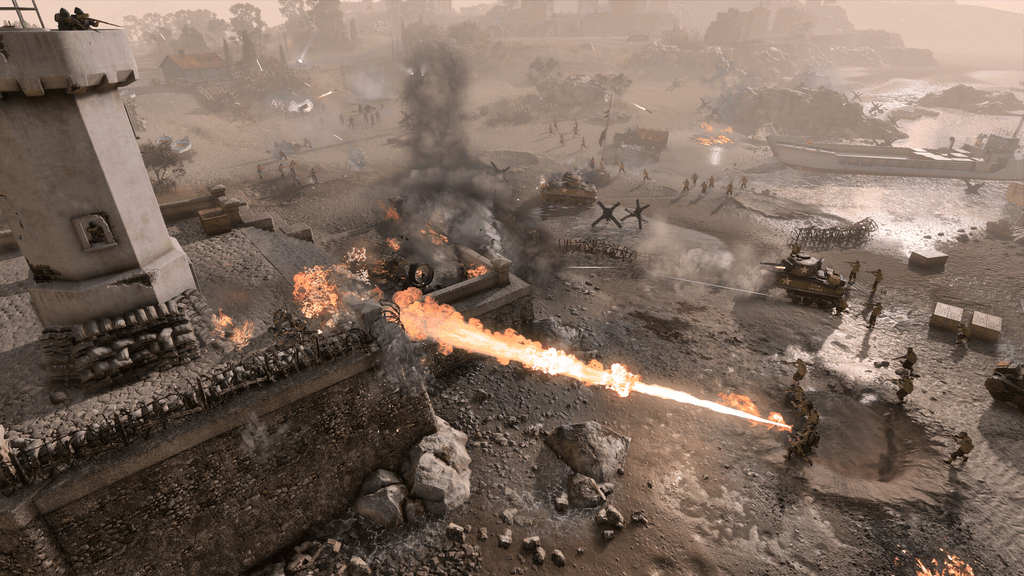
Company of Heroes 3: Final Stand (PC)
Company of Heroes 3: Final Stand is a fun idea build on a proven tactical foundation. When you are in the thick of wave 11, desperately trying to keep your last Sherman tank alive, while your teammate is trying to get these repairs done on the bunkers under heavy fire, the game is an absolute blast. But the scaffolding around the core gameplay feels lacking. The limited map pool, the rather bland meta progression and the fast-approaching repetitiveness, holds Last Stand back from greatness. With no proper roadmap in sight, it might be fun for an afternoon, but it just doesn’t have the legs for a long-term commitment.
