
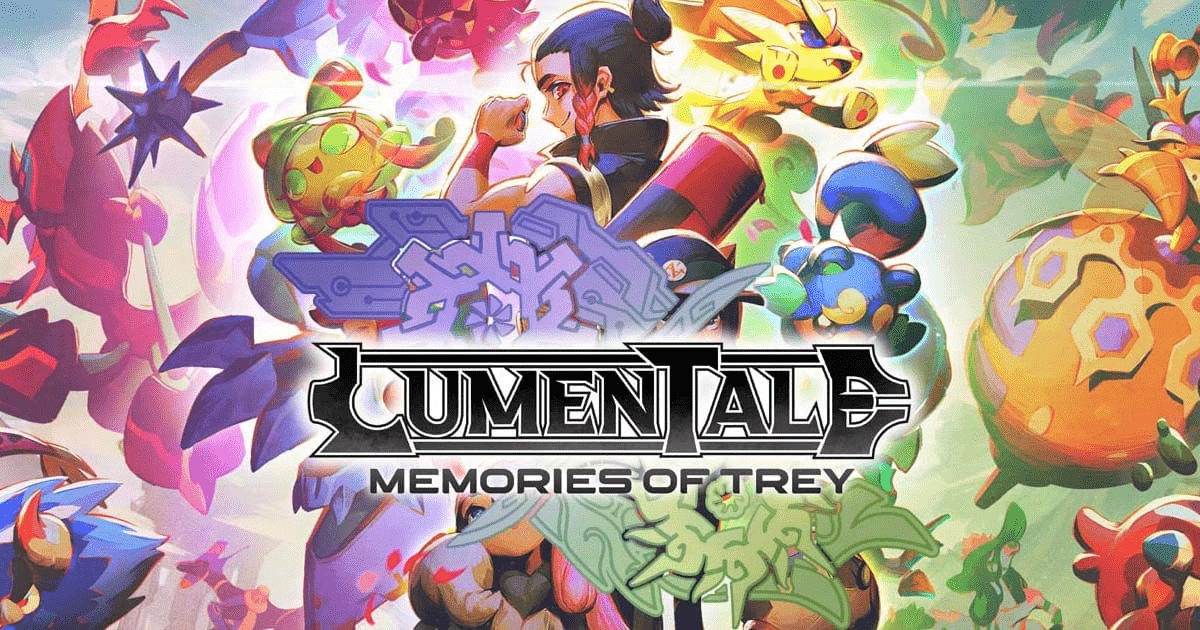

Whenever I wanted to get into Pokemon game, I always ended up thinking it might already be too late to jump into that franchise. There are just so many variations, generations, and endless layers of lore that I constantly felt overwhelmed because I wanted to know everything, while also realising that was basically impossible. That’s exactly why I always get excited whenever I see someone making a game inspired by Pokemon, or at least heavily drawing from that formula. And until recently, it almost felt impossible for games like that to properly exist, or at least gain attention, mostly because of the very public clash between Palworld and Pokemon. But once Nintendo lost that dispute, it suddenly felt like a floodgate opened, and we started getting announcement after announcement of genuinely interesting monster-collecting games. LumenTale: Memories of Trey belongs to that category of seemingly small games that, at first glance, simply capture the charm of classic 16-bit adventures mixed with gorgeous 2D-HD visuals, while also managing to introduce fantastic gameplay systems that make the experience even more engaging. And I have to say, this game completely won me over the moment I tried it. But the deeper I fell into its story, world, Animons, and everything surrounding them, the more I realized I had genuinely fallen in love with it.
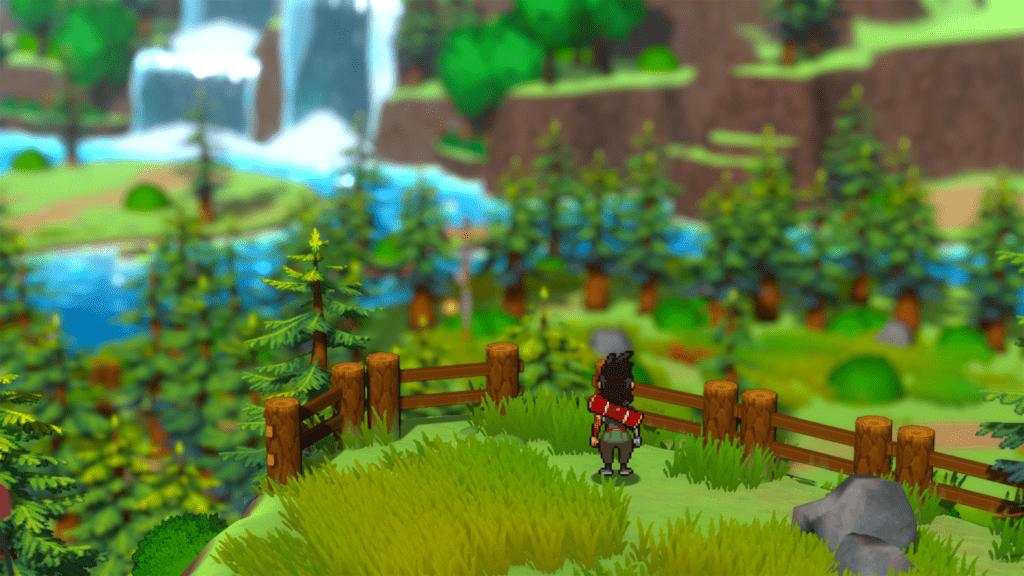
LumenTale: Memories of Trey is one of those games that, within the first hour alone, immediately makes you think that the people behind it clearly grew up with Pokemon, Digimon, and Shin Megami Tensei, but eventually decided they wanted to create their own take on the monster collector RPG formula instead of simply copying what everyone already knows. And honestly, that might be the game’s greatest strength. What’s especially interesting is how quickly LumenTale stops feeling like “an indie attempt at making Pokemon.” After just a few hours, it becomes obvious that the game’s structure, world design, and storytelling lean far more toward classic JRPGs than toward a traditional monster-collector experience. The focus on political conflicts, a more serious tone, and deeper combat systems gives the impression that the game is trying to merge two very different genres into one cohesive experience. Sometimes that fusion isn’t perfectly balanced, but that’s also exactly what gives the game its own identity. It doesn’t feel like a product built from a template, but rather a project created by a team that genuinely wanted to build a world with its own logic, structure, and history, instead of simply creating another sequence of arenas and collectable creatures.
The story follows Trey, a young man who awakens in a field of flowers with no memories and very quickly becomes entangled in a much larger story involving war, political tensions, and mysterious creatures known as Animons. What initially begins as a fairly classic “search for lost memories” narrative slowly evolves into a far more serious story about a divided world and the people trying to find their place within it. Despite that premise, the game never becomes overwhelmingly dark, but it definitely carries a more mature atmosphere than most monster-collector titles. At times, the way the story is structured and developed feels closer to a traditional JRPG than to Pokemon. What I liked most was the fact that the game refuses to explain everything immediately. Trey’s past is revealed gradually through smaller moments spread throughout the campaign, which creates a constant sense of mystery. As you meet new characters and factions, you begin to realise that the world isn’t simply divided into “good and evil.” Every side has its own motives, fears, and interests, which gives the story far more depth than you would normally expect from this genre. Some dialogues occasionally fall into classic JRPG melodrama territory, but when the game truly hits the emotional tone it’s aiming for, it genuinely succeeds in pulling you into the story surrounding Trey’s identity and the future of Talea.
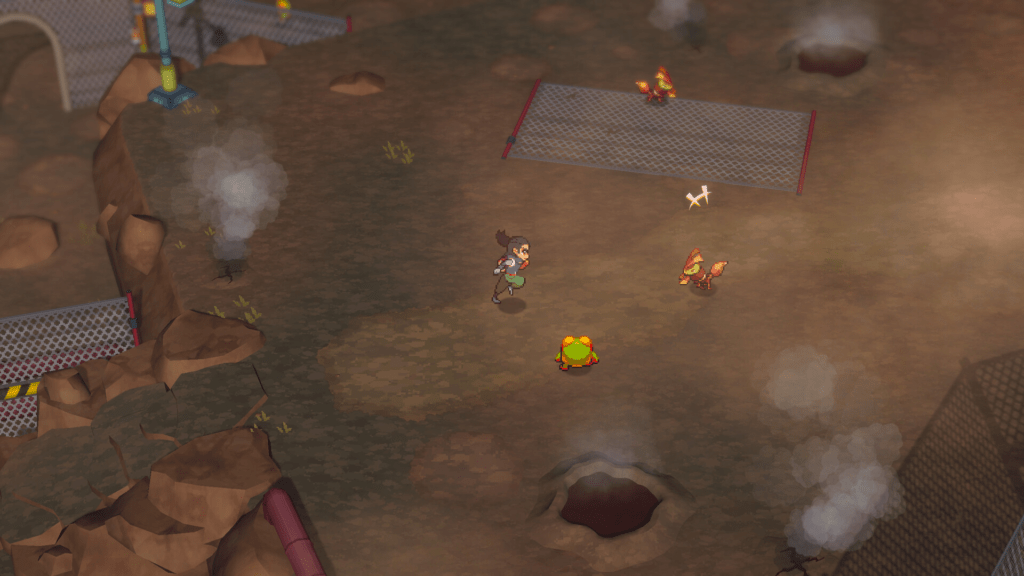
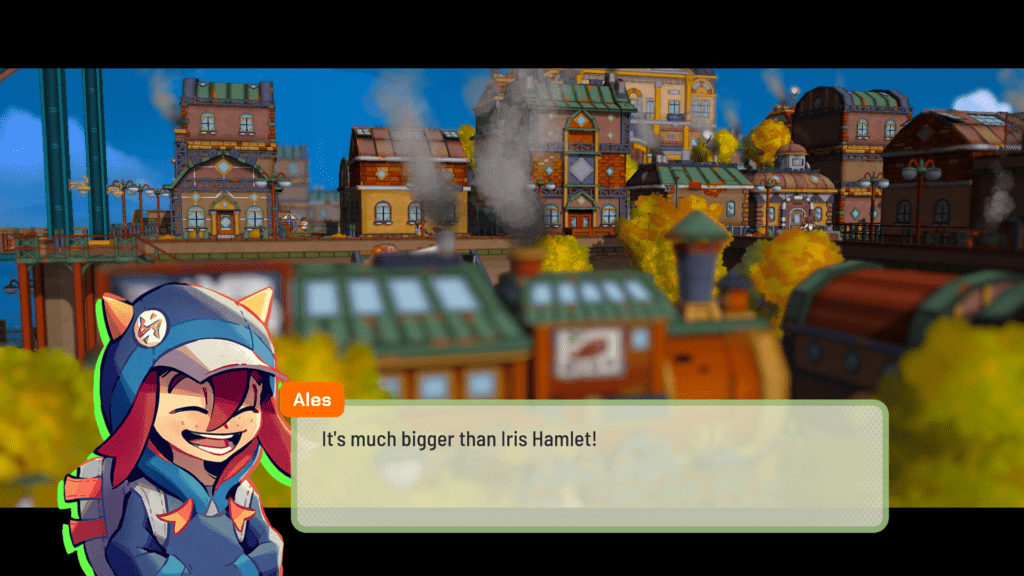
It may not be immediately obvious during the somewhat lengthy prologue, but the moment you finish your first conversations with the people trying to help you recover your memories, you quickly realize just how detailed the world of Talea actually is. This isn’t simply a map with a few towns connected by routes. Every region has its own identity, architecture, soundtrack, and cultural atmosphere. Northern Logos feels technologically advanced, colder, and more organized, while Mythos leans heavily into a traditional fantasy aesthetic focused on nature, ancient traditions, and the spiritual side of the world. The game genuinely makes it feel as though you are exploring two completely different civilizations that once belonged to the same empire. The worldbuilding here is significantly stronger than I expected. What impressed me the most was how “lived in” the world feels. NPCs aren’t just static models waiting to hand you another quest you’ll immediately forget about. They actively comment on the political situation, the war, and the way society has changed after major conflicts. Cities are filled with small details that make them feel alive: marketplaces, street performers, research centers, Animon equipment workshops, and countless little touches that may not directly affect gameplay but help create the illusion that this world continues to exist even when you aren’t there. The game may not feature the biggest open world ever made, but the way it uses space gives it far more personality than many RPGs with significantly larger budgets.
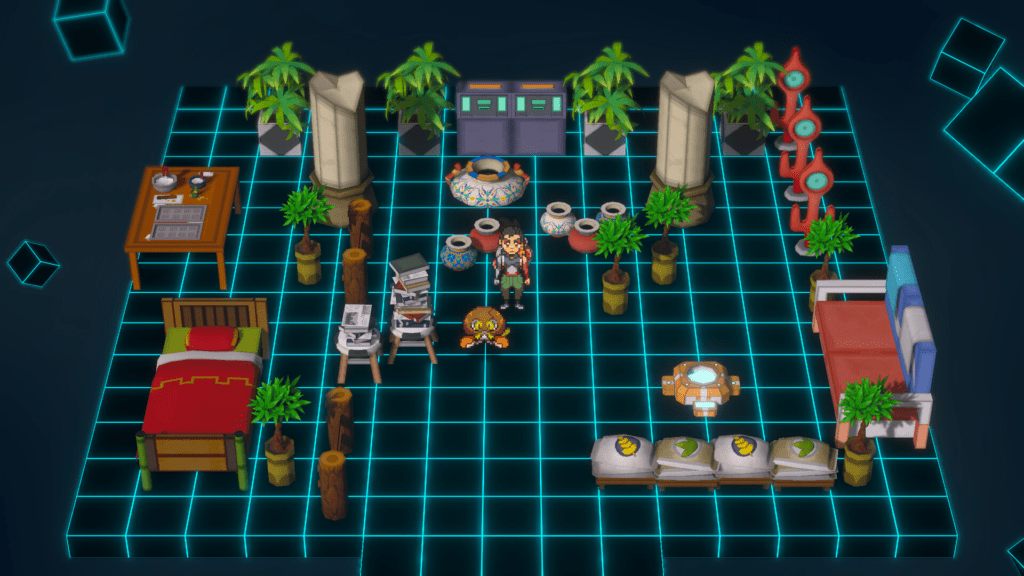
The central focus of the game, or rather its central figures, are the Animons themselves. These are magical creatures formed from pure energy called Anivis, which flows throughout the entire world of Talea. Every Animon belongs to a specific element and emotional attribute, meaning they each have distinct personalities. Some are cheerful and energetic, others quiet and melancholic, while some are aggressive and unpredictable. And trust me, this is not just another generic “catch them all” system. These Animons genuinely feel like living creatures you slowly build a bond and connection with. Whenever you encounter a wild Animon, you can either challenge it to battle or capture it using special orbs called Bilia. Once captured, Animons become part of your team, and from there you can train them, evolve them, feed them, and strengthen your relationship with them. The game even includes a special area called the Anispace, where you can visit them, decorate their environment, play with them, and watch them grow. It’s not simply a mechanical feature either, the game genuinely tries to sell the feeling that these creatures are your companions rather than mere combat tools. Best of all, every Animon can evolve in multiple ways, while some rare variants, known as Lost Animons, are incredibly difficult to find. Because of that, every new capture feels exciting, and your team of six Animons slowly becomes something deeply personal, shaped not only by which creatures are strongest, but also by which ones you genuinely like and how well they fit your personal playstyle.
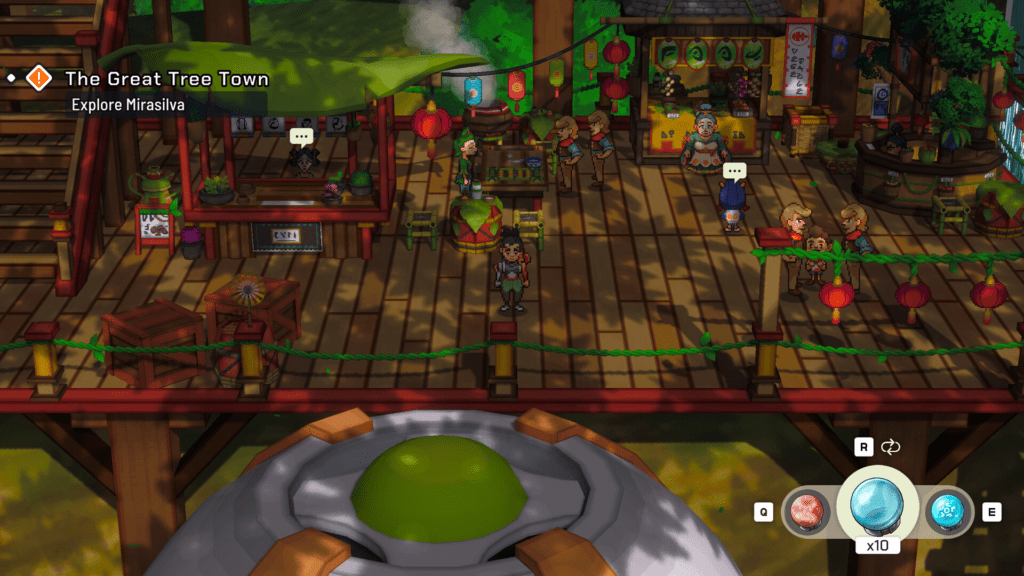
And yes, all of that sounds fantastic, but there has to be some kind of glue holding everything together. In short, the gameplay serves exactly as that glue, tying all of these elements into one magical adventure surprisingly effectively, and this is where LumenTale truly tries to stand out the most. At first glance, it looks like a standard turn-based monster collector RPG, but after only a few battles it becomes obvious that the combat system functions very differently from Pokémon games. Instead of classic 1v1 encounters, the game quickly transitions into a 4v4 battle system where team synergy becomes far more important than simply leveling one overpowered Animon. And because of that, combat has significantly more strategy than you would initially expect.
Battles in the later parts of the game become almost tactical. It’s no longer enough to simply have a strong team, you constantly have to think about turn order, SP resource management, and the way certain Animons support the rest of the party. Some encounters practically force you to completely rethink your strategy and rebuild your lineup because certain enemy combinations can absolutely destroy a setup that worked perfectly for hours. And that is exactly why combat never becomes repetitive, even after spending a huge amount of time with LumenTale. There is always this feeling that you are learning new combinations and searching for better synergy between your team members.
The biggest difference comes through the SP system. Instead of every Animon having its own separate mana pool or ability limitations, the entire team shares one collective SP resource. That means you cannot simply spam your strongest attacks with every party member without thinking ahead. If you burn too much SP on your first two Animons, the rest of the team essentially becomes useless for that turn. It sounds like a small change, but it completely transforms the way you approach every fight. Suddenly, you begin thinking about ability rotations, support skills, buffs, and team synergy instead of simply chasing the biggest damage numbers possible.
On the other hand, TP (Team Points) is a system that rewards smart play. You fill the TP meter by exploiting enemy weaknesses or landing critical hits. Once the gauge is full, you gain access to a TP Action, an extra turn that can be performed by any Animon on your team without consuming SP. Larger teams come with a bigger TP gauge, meaning it takes longer to fill, while smaller teams can trigger those free bonus actions much more frequently. This creates some genuinely interesting strategic decisions, do you go with a larger party for greater flexibility and more options, or stick with a smaller team so you can activate bonus turns more often?
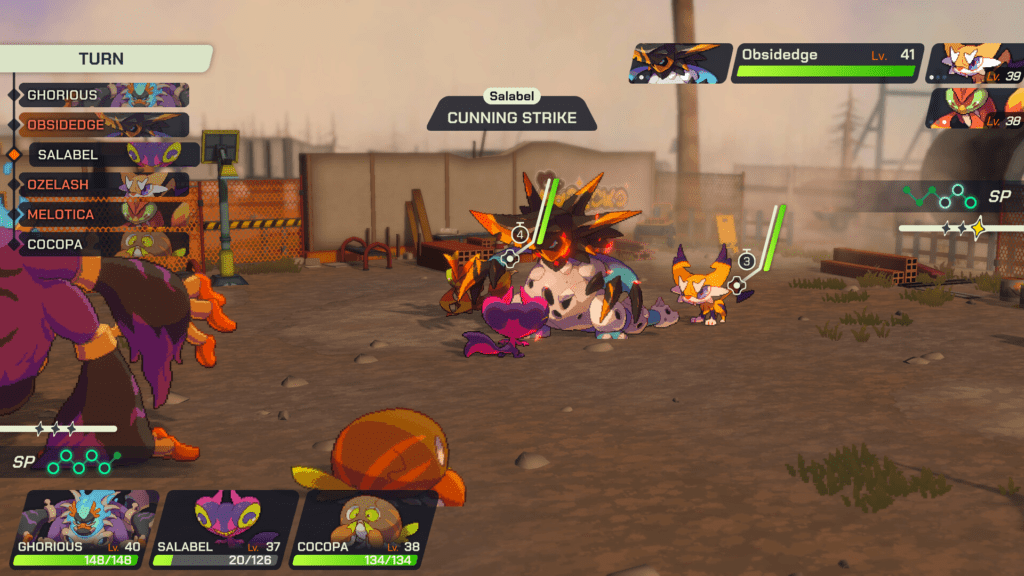
And this system especially shines during tougher boss fights and PvE challenges where one bad decision can completely destroy the rhythm of combat. Sometimes you will intentionally save SP for several turns just so you can unleash a specific combo of abilities at the perfect moment. It creates a sense of long-term planning that many monster collector games simply lack. Instead of battles feeling like a basic exchange of damage values, fights here often feel more like controlling a traditional JRPG party where every member has a specific role within the group.
And then comes perhaps the most interesting part of the combat system: elemental weaknesses function completely differently than they do in most games of this type. There is no traditional “fire beats grass” system that you automatically memorize. Two Electric-type Animons can have entirely different weaknesses and resistances, meaning you constantly need to scan enemies and learn how specific creatures actually function. At first, this system feels confusing, but after some time you begin to realize just how much it forces players to think instead of relying on memorized type charts.
It also means experimentation becomes far more important than in most similar games. There is no universal team capable of solving every encounter, so the game constantly pushes you to adapt your approach. Sometimes an Animon that initially seems average suddenly becomes the key to victory simply because it possesses a specific resistance or utility ability perfectly suited for a certain encounter. That constant feeling of adaptation gives the combat system far more depth than I expected when I first saw the game.
Battles become even more interesting thanks to the Attribute system. Every Animon possesses a unique emotional attribute such as Furor, Felicis, or Horrens, each of which grants additional effects during combat. Some increase damage, others heal the team, while some focus on utility and support effects, and it is through the combination of these attributes that the real strategy begins to emerge. In the later sections of the game, encounters genuinely start to resemble classic party-based JRPG battles where you are trying to build a team that functions as a complete unit rather than simply a collection of powerful creatures.
The best part is that the Attribute system gives every Animon an additional layer of identity. They are not just fire, water, or electric creatures anymore, they also possess emotional combat styles that directly affect the entire team dynamic. Some builds focus entirely on aggressive momentum, others on survivability and sustain, while some revolve around constantly manipulating status effects. The more you experiment with the system, the more you begin to realize just how many different combinations exist beneath the surface.
One thing that might not appeal to everyone is the manual stat allocation system. Every time an Animon levels up, you personally distribute points into HP, speed, attack, and other stats yourself. Some players will absolutely love this because it allows for serious build customization, while others may see it as unnecessary micromanagement slowing down progression. Personally, I loved the freedom it gives because you can practically redefine the role of an Animon within your team. The exact same creature can become a support unit, a tank, or a damage dealer depending on how you build it.
But that same freedom can also become a problem for players who dislike micromanagement. If you want a fully optimized team, you will need to seriously think about stat distribution and synergy between abilities, which can occasionally slow down the game’s pacing. Still, for me, that sense of truly “building” a team became one of the most satisfying parts of progression. Your lineup genuinely starts feeling unique and tailored to your own playstyle rather than simply being the result of automatic level scaling.
Exploration is also far better than I expected. Talea is filled with hidden paths, blocked areas that later become accessible through newly unlocked abilities, and locations that practically beg you to revisit them once you gain new tools. This slight Metroidvania-inspired approach to exploration gives the world a strong sense of interconnectedness instead of making every area feel like isolated zones. The game constantly rewards curiosity, whether through rare Animon species, crafting materials, or hidden quests. And that adds tremendously to the feeling of adventure.
The goal is not simply moving from point A to point B, but exploring every corner of the map because you never know what you might discover. Some hidden locations contain incredibly rare Animons, while others offer small lore details that further enrich the world itself. And it is exactly that feeling of rewarding careful exploration that makes Talea much more exciting to travel through than I ever expected from a monster collector RPG.
Crafting and side activities are another area where LumenTale tries to become more than just a standard monster collector RPG. There is a massive crafting system with over 120 recipes, cooking mechanics that provide buffs, trading card collections, and even a customizable area known as Anispace where you can spend time with your Animons. Not all of these systems are equally deep, but together they give the game a much greater sense of scale and make the world feel far more alive than expected.
Honestly, it is almost unbelievable how deep the game becomes once you put everything on paper, but that is both one of its biggest strengths and one of its biggest weaknesses. Still, more on that later.
Anispace in particular is fascinating because it gives the adventure a small “slice of life” feeling. After major battles and emotionally heavy story moments, it feels genuinely nice returning to a place where you can organize your Animons, decorate their surroundings, and simply spend time outside the combat system. Moments like these give the game a warmth that many RPGs often forget to include. It is not a revolutionary mechanic, but it successfully strengthens your connection with the team you build throughout the adventure.
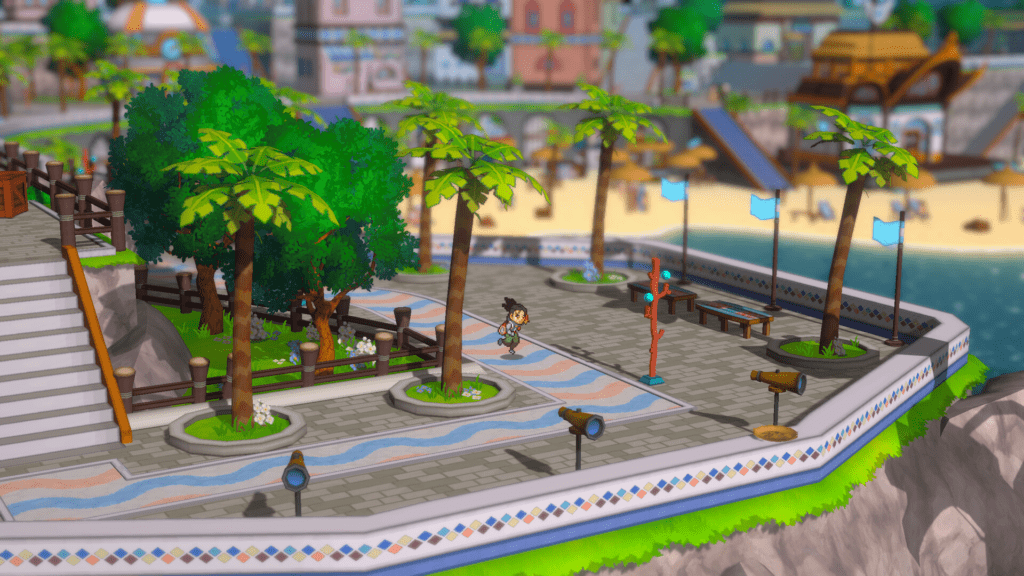
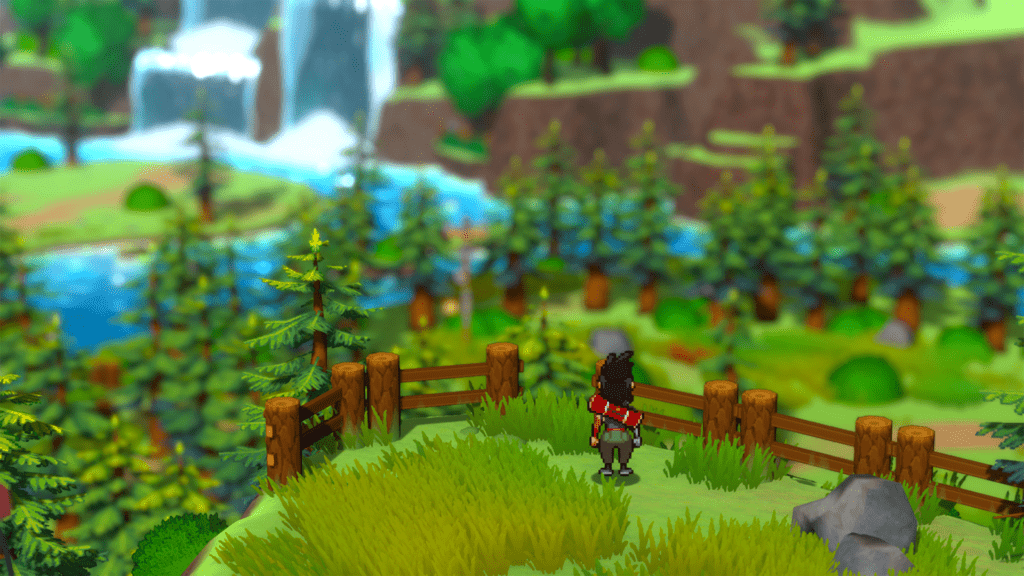
Visually, the game looks fantastic. The combination of 2.5D presentation, vibrant colors, and incredibly detailed cities gives the entire world an enormous amount of charm. Some cities genuinely look like they came straight out of a modern anime JRPG, especially Voltar, which resembles a futuristic carnival filled with lights and energy. The Animon designs are also excellent because they manage to balance cute and serious aesthetics without ever feeling like direct Pokémon copies. Combat animations also look far better than I expected from an indie project of this scale. Attacks carry real impact, visual effects are flashy enough without overwhelming the screen, and some ultimate abilities genuinely look like scenes from much bigger JRPG productions. I especially love how every region has its own unique color palette and atmosphere, so you never get the feeling that you are simply walking through “another fantasy forest.”
The music and audio design further strengthen the atmosphere. The soundtrack constantly shifts between relaxing fantasy melodies and far more emotional and serious tones during important story moments. Some battle themes honestly stayed in my head much longer than I expected. The voice acting is not consistently top-tier, but the main cast generally handles the more emotional scenes well enough that the performances never feel amateurish. What I appreciate the most is that the soundtrack understands when it needs to step back and allow the atmosphere itself to take center stage. Not every track is designed to be explosive or dramatic. Many songs instead function as extensions of the emotions tied to specific scenes or locations. While exploring certain cities, the music creates an almost cozy JRPG feeling, while during major story moments the entire tone shifts completely and becomes far darker and more emotional.
Honestly, if you ask me, the game doesn’t really have any major flaws in the way it’s designed. This is not a case of a poorly made game, but rather a project that maybe needed just a little more time for optimization and final polish. When everything works properly, LumenTale is a fantastic experience. But then a random bug, a performance drop, or some awkward UI issue suddenly reminds you that you’re not playing a fully polished AAA RPG. On top of that, the ambition I mentioned earlier — the desire to include absolutely everything in the game, might end up being overwhelming for some players. I believe fans of this kind of experience will get so immersed in LumenTale that they’ll forget about all of that, but I also know there will be players who ignore certain systems thinking they can get by without them, only to later realize they actually need to learn and engage with them more deeply.
And one more thing. I played LumenTale exclusively on the Odin 2 Portal Android handheld, naturally through PC emulation. I honestly couldn’t believe how well the game ran, although the downside was that I couldn’t capture proper screenshots because of the lack of good tools for it. Still, for anyone curious, the game was running between 50–60 FPS on the Odin 2 Portal, while with Frame Generation enabled, which is perfectly fine for this kind of game, it could even go above 100 frames per second. That ended up being a really pleasant surprise for me, and honestly, the perfect way to experience the world of Talea. The gorgeous OLED display on the device only elevated the already beautiful presentation of the game even further.
We would like to thank Team17 for providing us with a copy of the game for review purposes.
LumenTale: Memories of Trey (PC)
Even with everything I pointed out as “flaws,” LumenTale is still one of the most pleasant surprises I’ve experienced in a long time, and I genuinely believe it will be the same for many other players who enjoy this type of game. Not because it’s trying to become a “Pokémon killer,” but because it very clearly understands what it wants to be, an alternative for players looking for more strategy, deeper worldbuilding, and a more serious RPG approach to the formula. It may not reinvent the genre or become the next giant of the JRPG scene, but it has something far more important: the feeling that there’s a genuine creative vision behind it. At a time when so many monster collector games feel like generic copies of existing formulas, LumenTale manages to feel sincere and authentic. And that’s exactly why I think it will find a very loyal audience among players looking for a deeper and more thoughtful take on this style of RPG adventure.
