
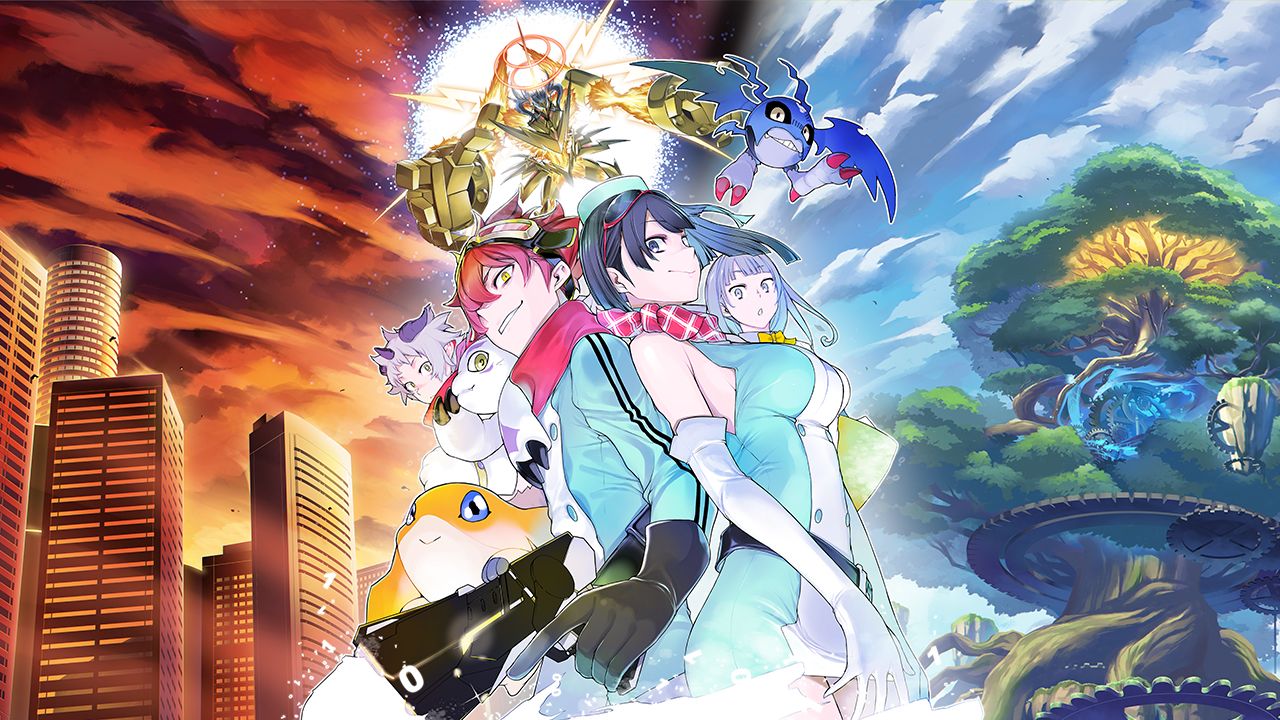

For some reason, in my friend circle, Digimon was always more popular than Pokémon. We eagerly waited for every new episode, collected stickers from chewing gum packs, toys from McDonald’s Happy Meals, and were more than excited when Digimon World arrived on the PlayStation 1. For that exact reason, and because Digimon Story: Time Stranger is coming to Nintendo Switch 2 on July 10th, 2026., it was finally time for me to embark on this adventure. And in short, whether you are a long-time fan of the series or simply looking for a quality adventure where you collect and train monsters for epic battles, Digimon Story: Time Stranger is a title that deserves your attention.
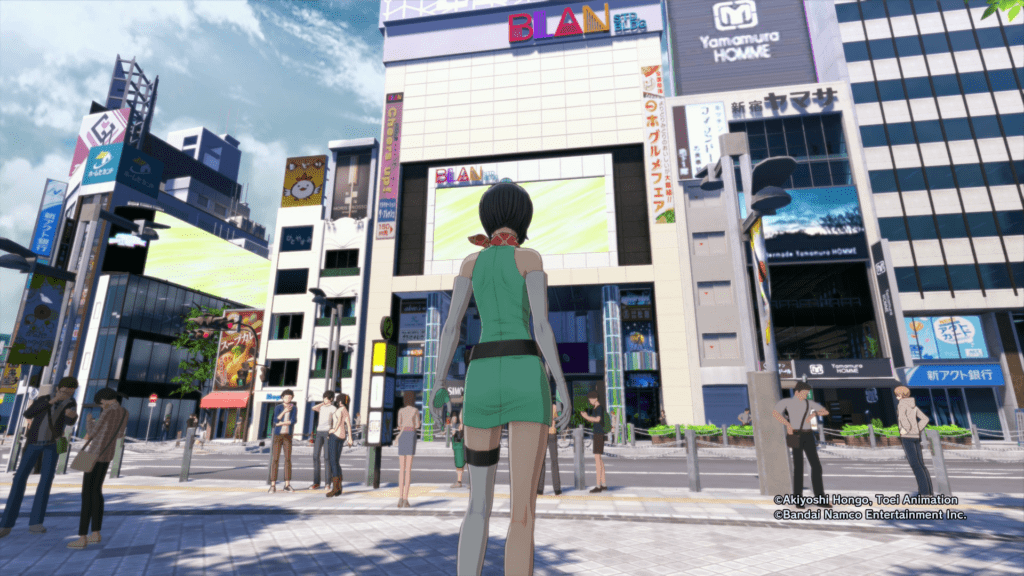
In this turn-based RPG, you take on the role of an agent of a secret organization that operates from the shadows, investigating mysterious events and urban legends spreading throughout Tokyo. However, the legends we are talking about here are not just ordinary stories, hidden behind them are Digimon, digital creatures whose existence remains unknown to most people. At the very beginning, you choose one of the two main characters, as well as your first Digimon partner. What initially appears to be a routine mission quickly turns into complete chaos. You witness the destruction of Tokyo, a brutal conflict between powerful Digimon, and a catastrophic explosion that completely changes the course of the story. Instead of losing your life, the explosion sends you eight years into the past, giving you the opportunity to change the future.
Throughout your journey, you will meet numerous allies, both humans and Digimon, who share the same goal – stopping the upcoming disaster. Although the story starts off slowly, it soon develops into a truly engaging adventure filled with unexpected twists, a wide variety of Digimon, and exciting battles that constantly encourage you to keep moving forward. While you might initially assume that this is primarily a game aimed at a younger audience, Time Stranger is not afraid to explore deeper themes that many players can relate to. Early in the game, you will witness a touching scene between two characters, Inori Misono and Aegiomon.

Besides being beautifully crafted, this scene helps you form an emotional connection with the characters and gives you additional motivation to fight for a safer future for them. Another memorable moment is the confrontation with a massive, legendary Digimon. Instead of immediately revealing it, the game cleverly builds tension by guiding you through a crowded street while keeping the battlefield hidden from view. Along the way, NPCs add to the atmosphere with their comments about the terrifying situation unfolding around them, making every step feel more intense and filled with anticipation. When you finally come face to face with your opponent, the scene leaves a strong impression precisely because of the carefully built tension leading up to it.
As we already said, after choosing your character, you also select your starting Digimon, each with its own type. For example, Patamon is a Data type, DemiDevimon is a Virus type, and Gomamon is a Vaccine type. These types are important because certain types have advantages over others. Guided by nostalgia, my first Digimon partner was Patamon. During battles, you can control three Digimon, and if one of them is defeated, you can replace it with another Digimon from your reserve. Battles are fast paced, with every Digimon having their own unique attacks, which can be based on elements such as fire, water, wind, and more. Each Digimon also has its own weaknesses, meaning choosing the right attacks against the right opponent is crucial.
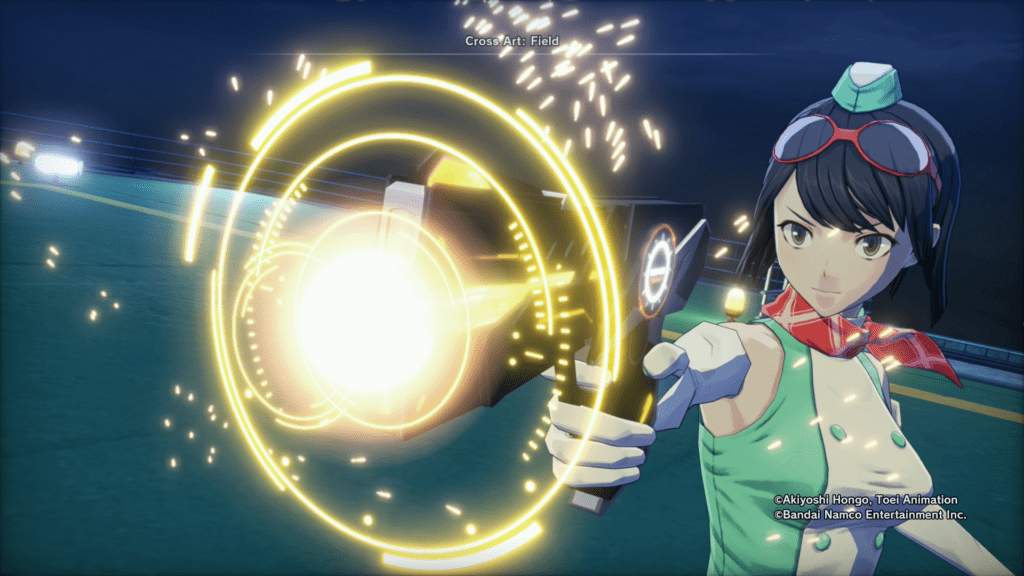
Besides damage dealing moves, you can also use abilities that inflict various status effects on enemies. After every victory, you collect data about defeated Digimon, and once you gather enough information, you can add them to your own team. Every Digimon comes with its default attacks, but you can teach them new abilities by finding discs throughout the world, as well as various upgrades that make them more effective in battle. You also have the option to ,,digivolve” your Digimon, allowing them to become even stronger through evolution. However, this requires a certain Agent Rank as well as specific Digimon stats.
This system offers a lot of enjoyment, as it allows you to obtain a wide variety of Digimon through different evolutionary paths. Your Agent Rank increases through Agent Skills, which essentially function as your own skill tree and provide numerous bonuses. On top of that, you will receive your own ,,Digimon Farm” where you can feed and train your Digimon. If you ever find yourself with too many Digimon in your inventory, there is no need to worry, you can release them, allowing your remaining Digimon to gain additional XP.
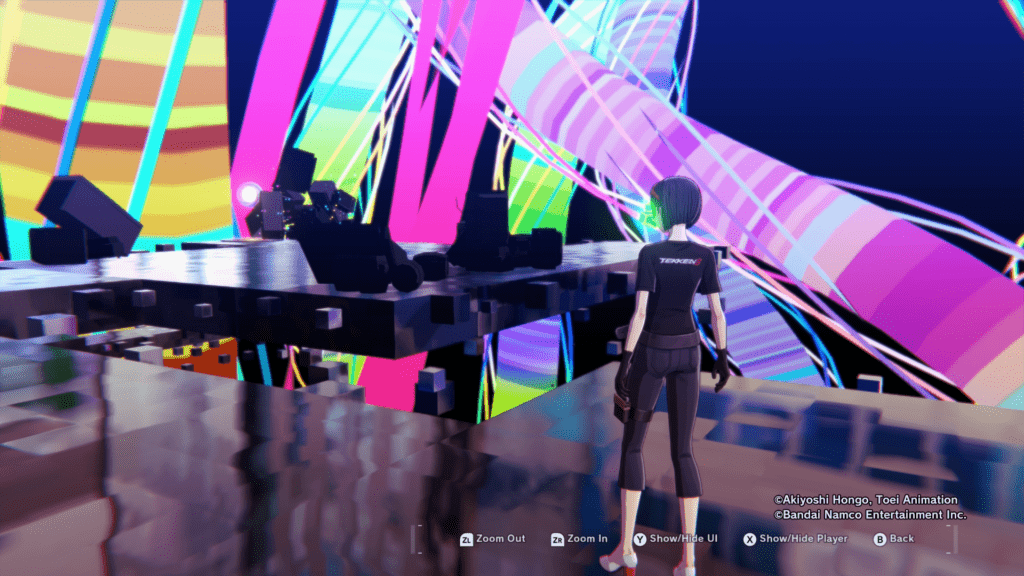
Besides the main quest, the game also offers side quests that you can discover through exploration. You can also find mini games such as card battles, shops where you can purchase various upgrades, food, and outfits for your character, as well as dungeons that offer valuable rewards if you manage to survive them. Although Tokyo features several interesting locations, the real fun begins once you enter the Digiworld. It is charming, visually appealing, and full of quests, shops, and new challenges. However, it is difficult not to notice that the Digiworld feels far more alive and exciting than Tokyo itself.
The voice acting is quite good, although the Japanese voices feel more convincing, delivering emotions more naturally and fitting better with the overall atmosphere of the game. When it comes to the soundtrack, the music successfully complements what is happening on screen, from peaceful exploration moments to intense battles and emotional scenes, adding to the atmosphere throughout the entire adventure. While you probably will not remember a large number of tracks long after finishing the game, they still serve their purpose well. However, if you feel like you need an extra dose of nostalgia or adrenaline, you can always listen to Brave Heart or Butter-Fly.
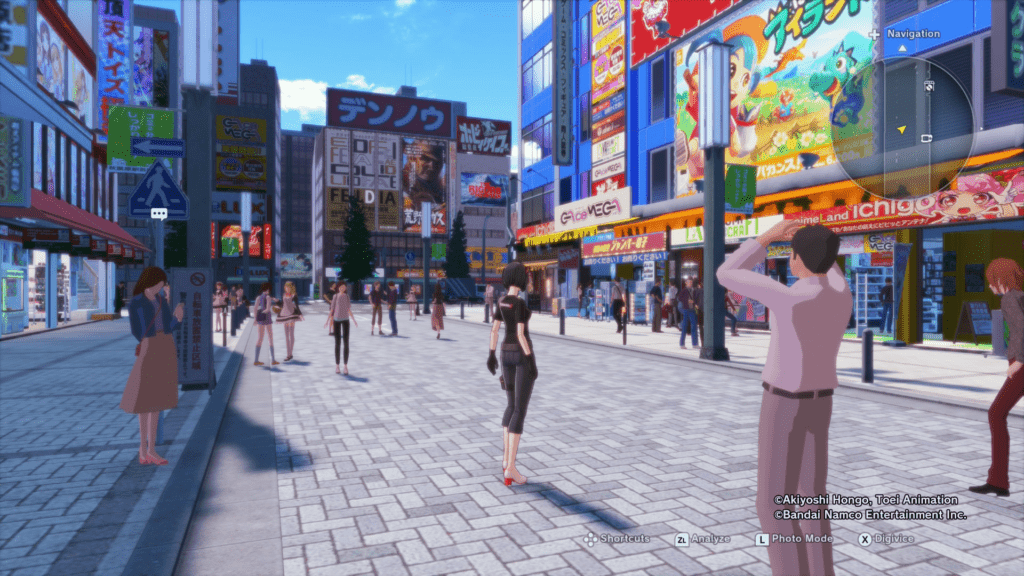
The Digimon designs are definitely one of the game’s biggest strengths. Each one features a recognizable appearance and beautifully crafted animations that further highlight their unique battle styles. As mentioned before, the Digiworld looks fantastic, with every area feeling like a refreshing experience to explore. Unfortunately, it is slightly disappointing that Tokyo does not receive the same level of attention.
As for the Nintendo Switch 2 version, the game offers the option to choose between Quality and Performance modes, with Performance mode allowing for a smooth 60FPS experience. Thanks to the console’s improved performance, the game looks truly impressive, especially in 4K resolution, where numerous details stand out and further enhance the overall visual experience.
Although it takes some time for the story to truly become exciting, and players unfamiliar with Digimon may find the evolution system slightly complicated at first, Digimon Story: Time Stranger offers hours upon hours of entertainment, memorable characters, an excellent battle system, and an impressive number of Digimon to collect and develop. Once the adventure truly begins, you will likely find it difficult to put the controller down.
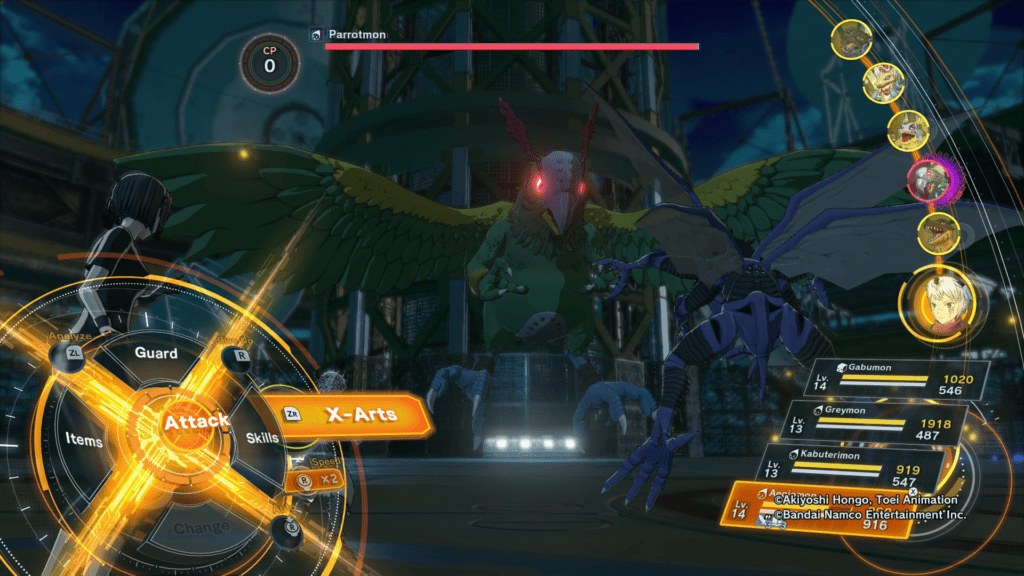
This is a title that successfully brings back nostalgia for long time fans while remaining accessible to newcomers experiencing the Digimon universe for the first time. The constant feeling of progression and the joy of exploration keep the adventure engaging even after many hours of gameplay.
We would like to thank Bandai Namco for providing us with a copy of the game for review purposes.
Digimon Story: Time Stranger (Nintendo Switch 2)
Whether you grew up with Digimon or are just now discovering why this series still has such a dedicated fanbase, Digimon Story: Time Stranger stands as one of the best Digimon titles in recent years and is a game that is absolutely worth giving a chance.
