
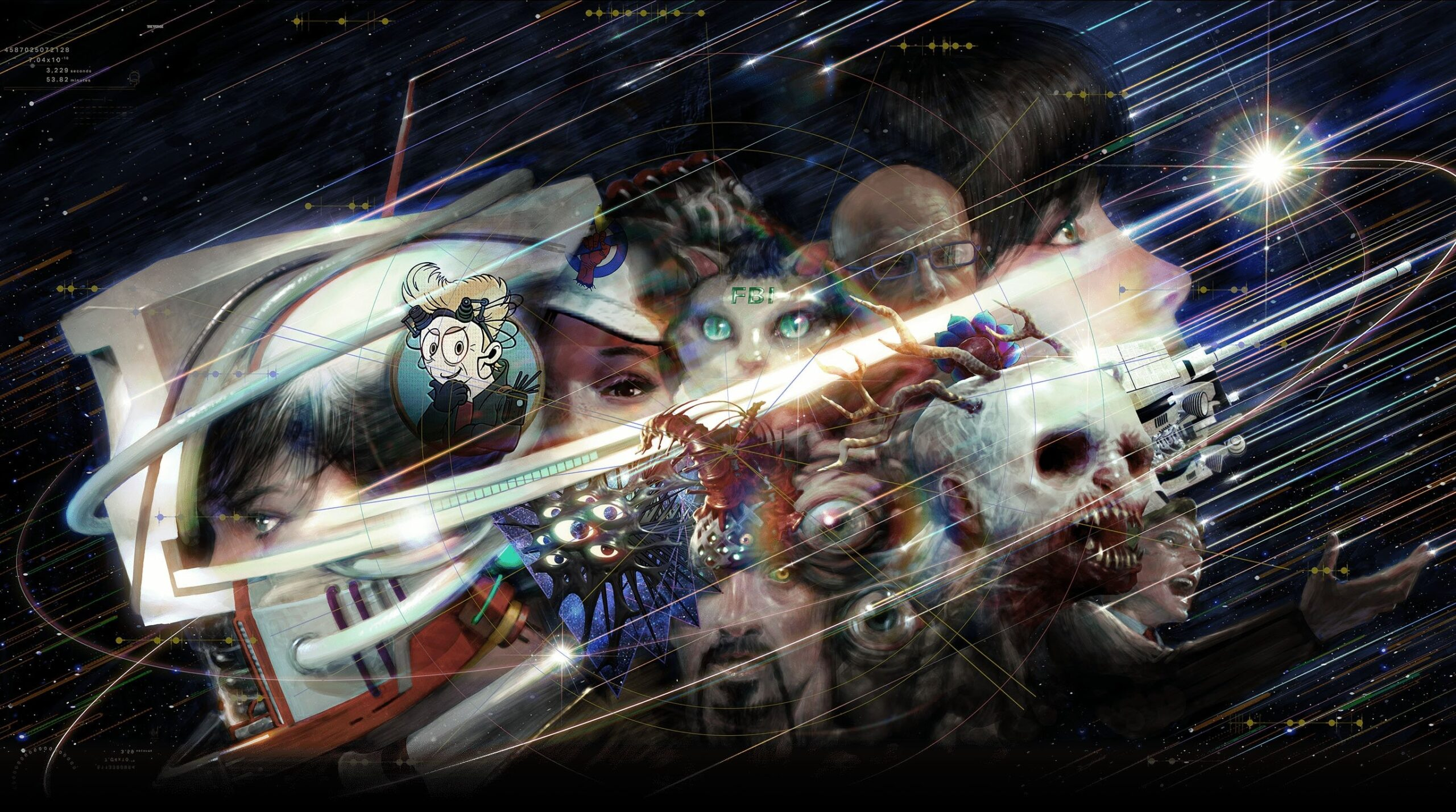

Romeo is a Dead Man is a game that, I hope, was born out of a very unusual and fascinating creative process. The legendary game designer Goichi Suda, better known as SUDA51, essentially gathered several teams known for completely different art styles, gave them instructions about what he expected, and let each of them create something within their own distinct approach. SUDA51 then took all of those pieces and stitched them together into one brilliant, utterly insane, and unforgettable game: Romeo is a Dead Man. Because honestly, what else could you expect when you combine, without exaggeration, around ten different styles of storytelling, gameplay, level design, and presentation into a single title?
And no, that’s not strange for a creative mind like SUDA51. He’s known — or at least I hope everyone knows him — for legendary games such as Lollipop Chainsaw, No More Heroes, Killer7, Shadows of the Damned, and Killer Is Dead. If you’re unfamiliar with those games, just look them up and you’ll immediately understand what I mean. Every one of them offers a twisted, unique, and memorable gaming experience, and Romeo is a Dead Man modestly continues that tradition, though perhaps, just perhaps, it’s even crazier than if you combined all his previous games into one.
In the game, you take on the role of Romeo, who is, well… a dead man. A Deadman, to be precise. With him, you roam through space and across various dimensions searching for your lost love, Juliet. Yes, like the classic story of Romeo and Juliet, but with a completely insane twist. Julia in this game suffers from some kind of amnesia, or at least that’s what we’re led to believe, and in every reality you visit she appears as a villain, transforming into horrifying forms that you must destroy. So essentially, you’re searching for your lost love by repeatedly slaughtering her every time you find her, because she keeps turning into some monstrous abomination. That said, the bosses in Romeo is a Dead Man aren’t just different manifestations of Juliet, they’re also members of a strange group threatening to destroy the entire space-time continuum.
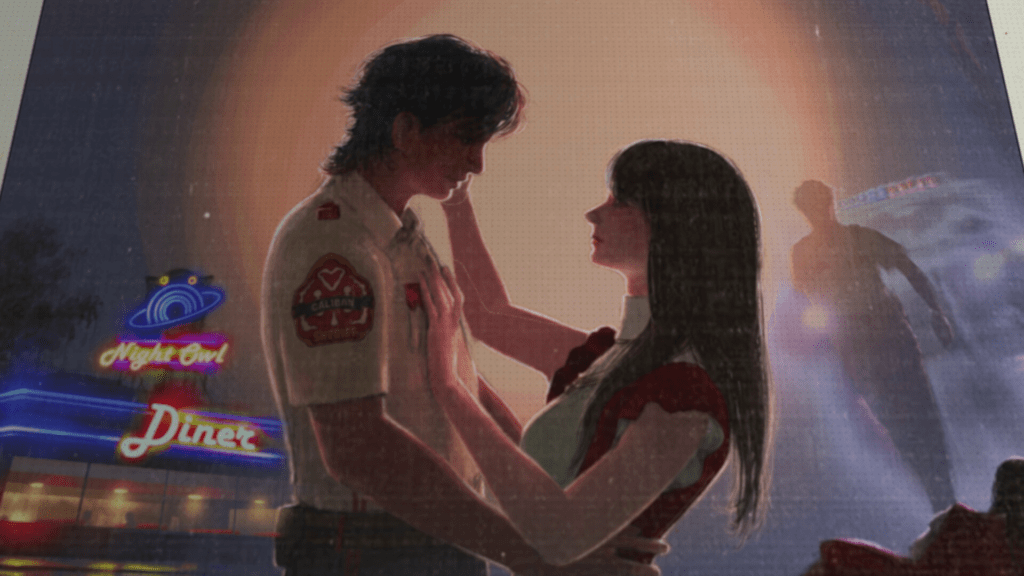
Oh, and Romeo himself used to be a deputy sheriff in a small town in Pennsylvania. On the very night he was supposed to meet Julia and run away with her, mind you, he had only just met her, monsters attacked him and literally ate half his head. Then his grandfather shows up… from the past, or the future, or maybe the past-future combination… and resurrects him by first destroying the rest of his head and replacing it with a metal one that looks like it’s wearing a sheriff’s hat. And then the Space-Time FBI arrives, recruits you, and you essentially become Agent DeadMan. I know how ridiculous this sounds, but that’s genuinely the premise, try the game and you’ll see!
As strange as the story is, the way it’s presented to the player is even stranger. The narrative unfolds through comic-book panels, VHS-style segments reminiscent of The Twilight Zone, 2D storytelling sequences, cyberpunk-inspired menus, and pretty much every format you can imagine. Each new moment in the story adopts a completely different narrative style. It’s wildly bizarre and sometimes difficult to process as a single cohesive product. There are moments when you’ll honestly ask yourself, “Who’s crazy here, me or SUDA51?” But he once said something that perfectly explains it: why make games like everyone else when you can make something completely different? I’m paraphrasing, of course, but the point stands. Every one of his games has always stood apart from the rest of the industry, each one unique, and if nothing else, worth experiencing for that alone.
But let’s talk about what truly drives this game, the gameplay.
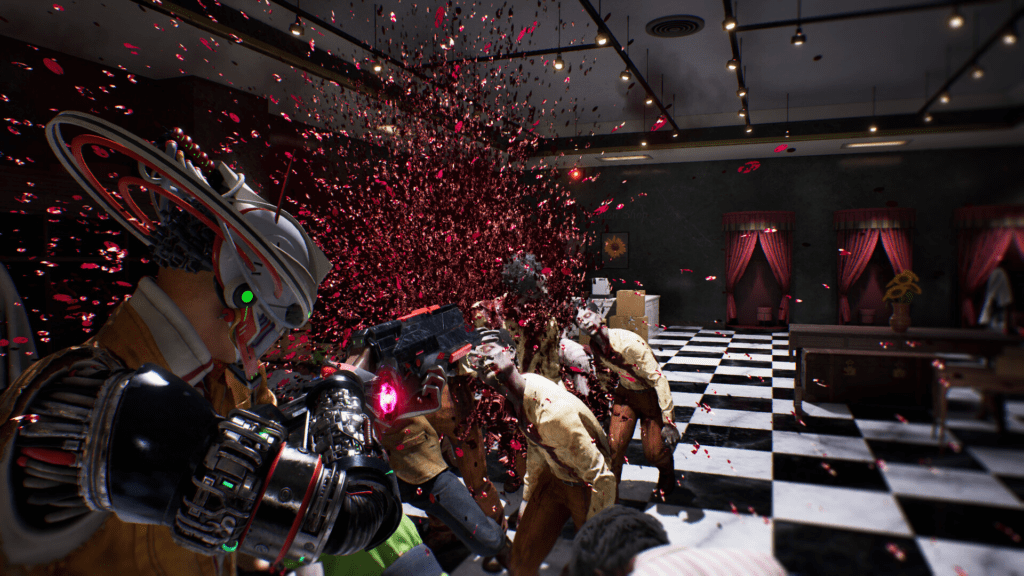
At its core, Romeo is a Dead Man is an action-adventure title. I say “at its core” because there’s much more going on, but the main gameplay loop revolves around hack-and-slash combat. The setup is fairly straightforward: you have light attacks, heavy attacks, special attacks, and ranged weapons. Light and heavy attacks will do most of the work, while special attacks become available once you fill a meter during combat. Using one not only unleashes a powerful move but also restores a bit of health.
Healing and saving progress borrow a little from soulslike games. There are specific checkpoints where you can save the game and replenish healing items, but doing so respawns enemies across the map. On normal difficulty, however, the game isn’t nearly as punishing as typical soulslike titles — it’s actually quite relaxed and fun. On hard difficulty, though, you’ll definitely need to rely more on dodging and careful play.
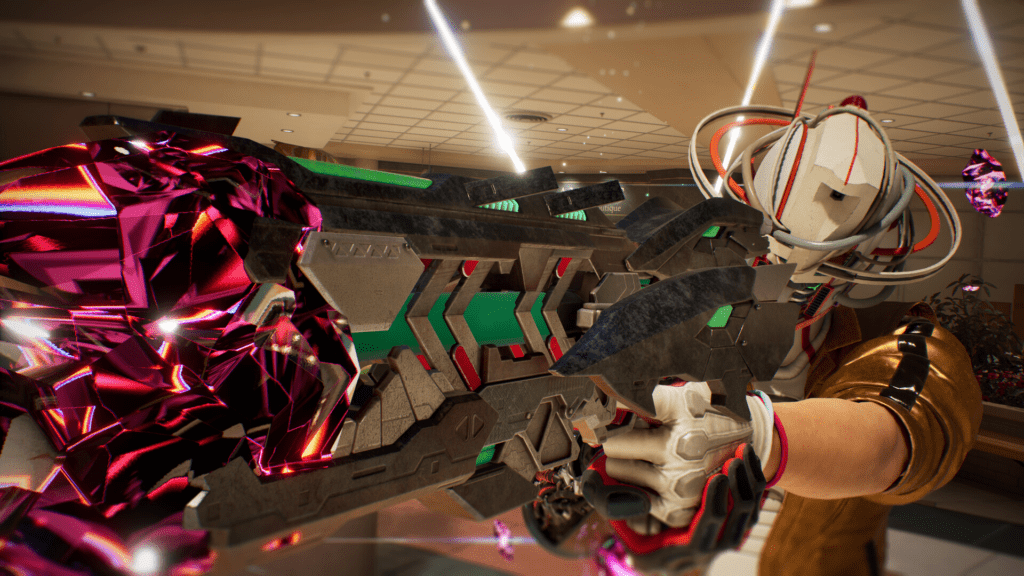
As for ranged weapons, you start with a simple pistol, but as you progress you’ll unlock new types. The same goes for melee weapons — you begin with a sword, but later on you can spice up your combat style with other options. Ranged weapons play a surprisingly important role because certain enemies have weak points that are far easier to exploit with gunfire. Ignoring them means you’ll be hacking away for quite a while. Targeting weak spots can sometimes destroy an enemy instantly or at least stagger them long enough for you to finish the job up close.
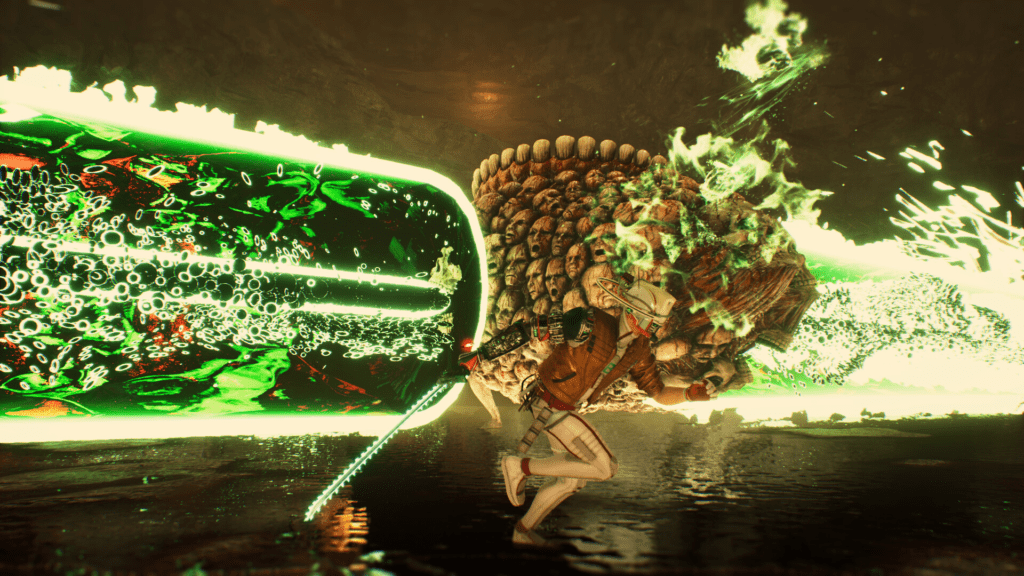
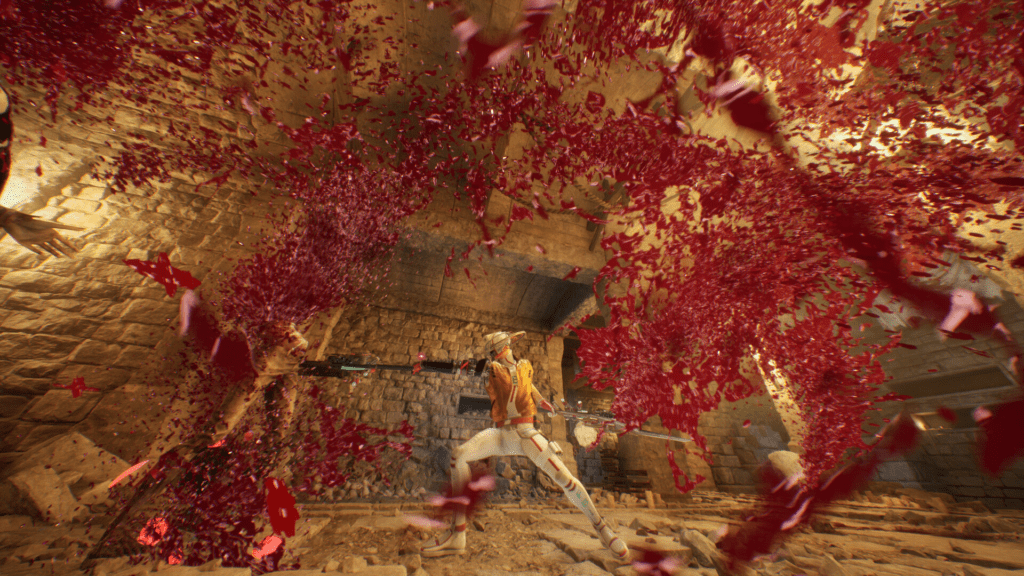
The moment-to-moment gameplay feels great, though there are a couple of minor issues. At times the combat can feel slightly shallow, and the camera sits a bit too close to the protagonist, which can occasionally become a problem. Still, the overall flow of the game is well designed. The levels themselves aren’t overly complicated. Each one — despite looking completely different thematically and visually — either places you in a semi-open area where you fight through waves of enemies or in tighter spaces where enemies swarm you until you clear the room. Every stage ends with a fantastic boss battle, and each boss has some kind of trick you must figure out before taking them down, usually involving destroying weak points to create openings.
But that’s only part of the gameplay, there’s much more.
Between missions, you return to your Space-Time FBI ship called The Last Night. Here the game suddenly transforms into something entirely different, resembling old-school 8-bit titles. This section revolves around interacting with crew members, maintaining relationships with the Space-Time FBI agents, leveling up, improving abilities, and creating zombie-like creatures called Bastards to fight for you.
Yes, Bastards.
They’re essentially zombies you cultivate aboard your spaceship. During missions you’ll find zombie seeds that you can plant and water until they grow into useful undead companions. If you want to upgrade them, you literally throw them into MMA-style fights against each other to produce stronger hybrid zombies. It’s completely insane — but it works, and it’s surprisingly fun.
Leveling up is equally bizarre. Instead of simply assigning stat points, you play a mini-game reminiscent of Pac-Man. The XP you earn becomes energy that determines how far you can travel across the board, and instead of fruit you collect icons that grant stat bonuses — hearts for health, guns for ranged damage, swords for melee damage, and so on.
As you sink deeper into the game, you realize that Romeo is a Dead Man is essentially a giant creative mess, in the best possible way. It’s as if someone threw every wild idea imaginable into a blender, mixed it together without knowing what would come out, and ended up producing a completely unique, brilliant, and incredibly fun game.
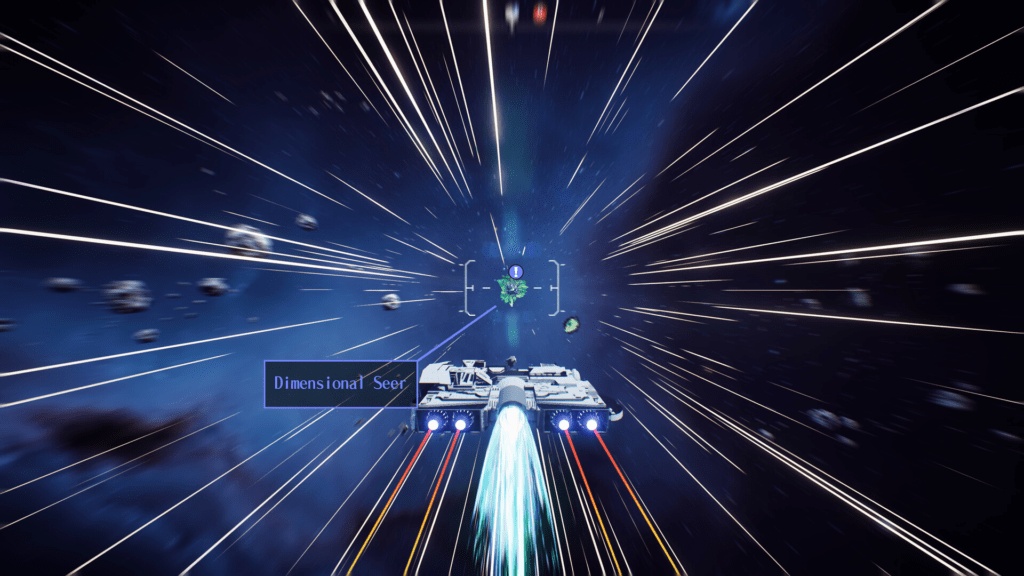
Visually, the game looks excellent. The levels themselves are somewhat linear, but they’re still visually appealing. What’s especially impressive is how drastically different each level feels — both thematically and visually. You’ll travel everywhere, and yes, there are even space battles (I honestly can’t believe I almost forgot that part). The constant blending of visual styles also plays a big role in the game’s presentation. Every menu feels like it belongs to a completely different game. That constant unpredictability — never knowing what the next loading screen will bring — keeps the experience fresh from beginning to end. In that sense, SUDA51 might have outdone even himself when it comes to presentation.
I played the game mostly on the Xbox Series X, but I also tested it on the ROG Xbox Ally X handheld PC. I have to admit I was pleasantly surprised by how well it runs on that device. After watching some analysis from Digital Foundry, I thought there was no chance it would run smoothly on such modest hardware because the game looks fairly demanding. But at 720p with FSR set to Quality or Balanced, Medium-High settings, and a 25W TDP mode, the game runs between 40 and 60 FPS — which is very respectable, especially since VRR smooths out sub-60 performance. On a small handheld screen, the lower resolution and FSR are practically unnoticeable.
Romeo is a Dead Man (Xbox Series X)
In the end, Romeo is a Dead Man was one of the games I was most excited to play this year. Knowing SUDA51’s previous work, I was somewhat prepared for the madness — but even so, he still managed to surprise me. I didn’t expect this many styles packed into a single game, and I certainly didn’t expect them to work together this well. Like every SUDA51 game, Romeo is a Dead Man is a must-play for fans of action hack-and-slash titles, but also for anyone who’s grown tired of the endless copy-paste games flooding the industry. Because this one is so unapologetically unique that it simply can’t leave you indifferent.
