
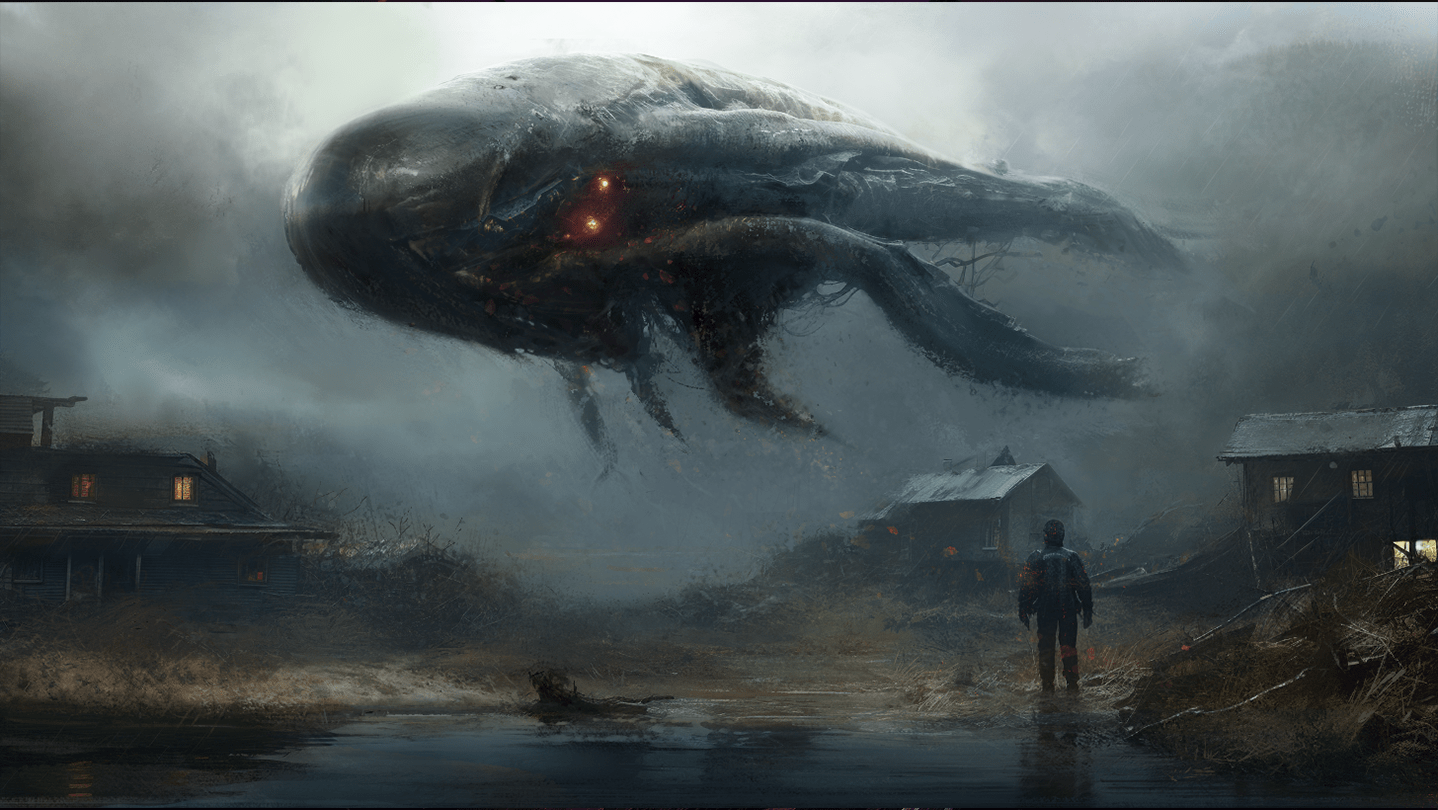

If we were to combine certain survival mechanics from The Forest with the bleak atmosphere of S.T.A.L.K.E.R., then sprinkle in just a pinch of Fallout as the finishing touch on this post-apocalyptic cake, the result would be – Project Mist.
Developed by the small Polish studio Chicken Launcher, Project Mist is a far cry from the cozy experience offered by their previous title, No Place Like Home. Instead, this is an FPS horror game with survival elements.
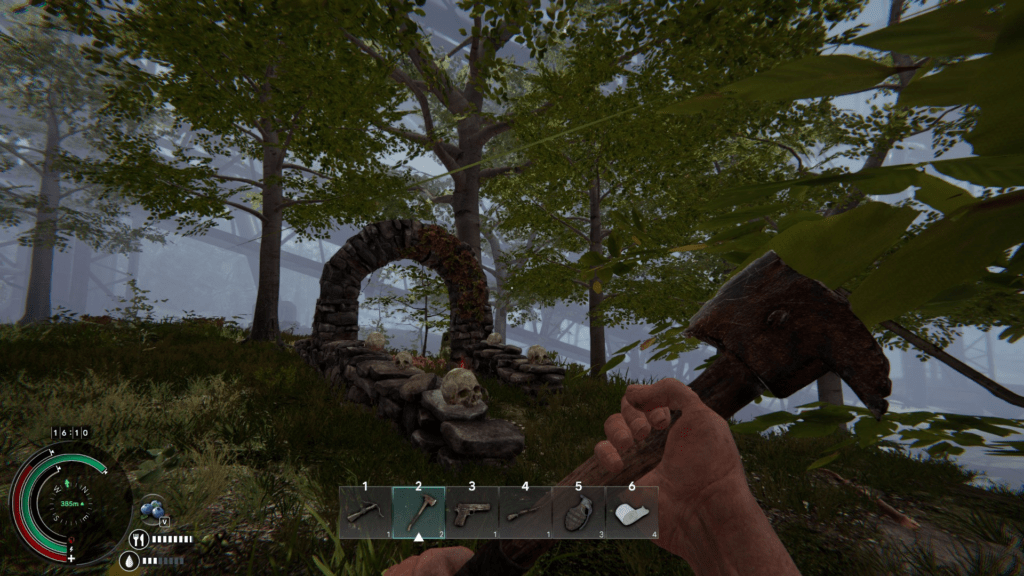
The game opens with you awakening inside a bunker surrounded by decapitated, unidentified corpses, where a pleasant female voice, carrying a distinctly Russian accent, informs you that she has left supplies for your survival and urges you to find her. Your first task is simple: craft an axe, break the lock blocking your way out, and step into the unknown. Soon afterwards, you are introduced to a train that serves as your primary means of transportation throughout the game, though keeping it operational requires gathering a considerable amount of resources.
Project Mist tells much of its story through environmental storytelling. You know nothing about your character, but scattered notes and documents gradually reveal what happened on this island before your arrival. Most of these stories are deeply tragic. One document, titled “Unsent Letter to Home,” follows a person promising their mother they will bravely endure the horrors of the island and return home, which is something that never comes to pass. Another recounts a soldier smiling as he died, as if being freed from something unbearable. Everywhere you look are ruined facilities, abandoned bunkers, and hostile creatures, but also bizarre sights that seem completely out of place, such as a giant whale peacefully floating through the sky unless you attack it, or enormous hands emerging from the water, initially resembling statues until you realise they are moving when you come closer to them.
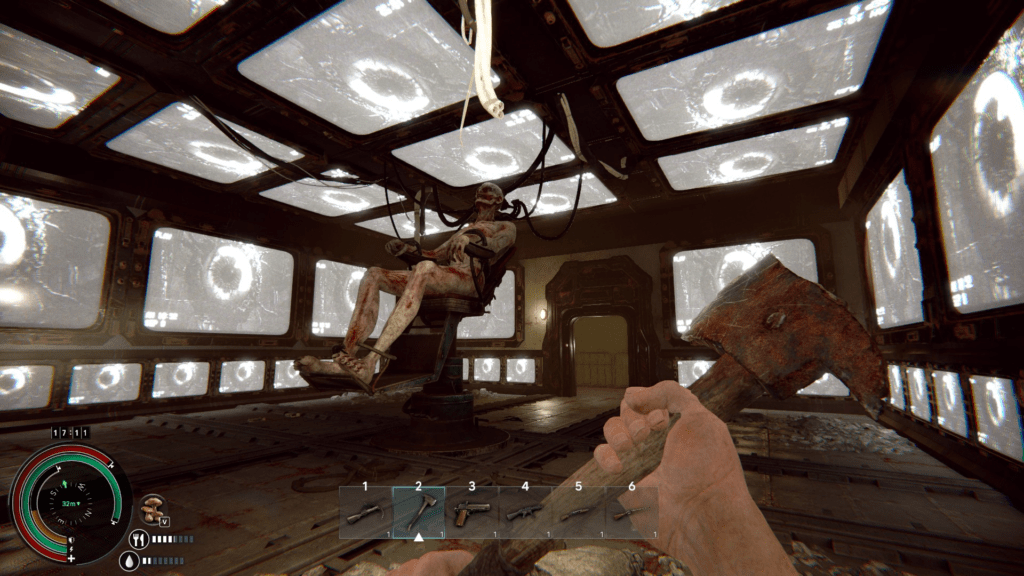
Much of the mystery is left for players to uncover themselves, and that sense of discovery is one of the game’s greatest strengths.
Early on, players are introduced to the crafting system, beginning with the creation of an axe. Fortunately, unlike in many survival games, tools do not constantly break, allowing the axe to serve as a reliable multipurpose tool for combat, resource gathering, and exploration. The survival mechanics are equally familiar, requiring players to manage hunger and thirst through berries, mushrooms, insects, and cooked meals. The cooking system allows various ingredients to be combined into food that grants temporary bonuses such as increased stamina or additional damage.
Crafting extends far beyond simple survival items. While I personally spent more time exploring than building, since I always jumped into the role of a loot goblin, finding and bringing things to my teammates in other games, there is still plenty of room for players who enjoy constructing bases. Building a small house is straightforward, and you can quickly fill it with useful structures such as furnaces for metal processing, distillers that convert fruits and vegetables into alcohol needed for Molotov cocktails and healing items, and plant pots for growing crops and even somehow gunpowder??? Players can also set traps around their homes or trains to protect themselves since this game also has a day & night system.
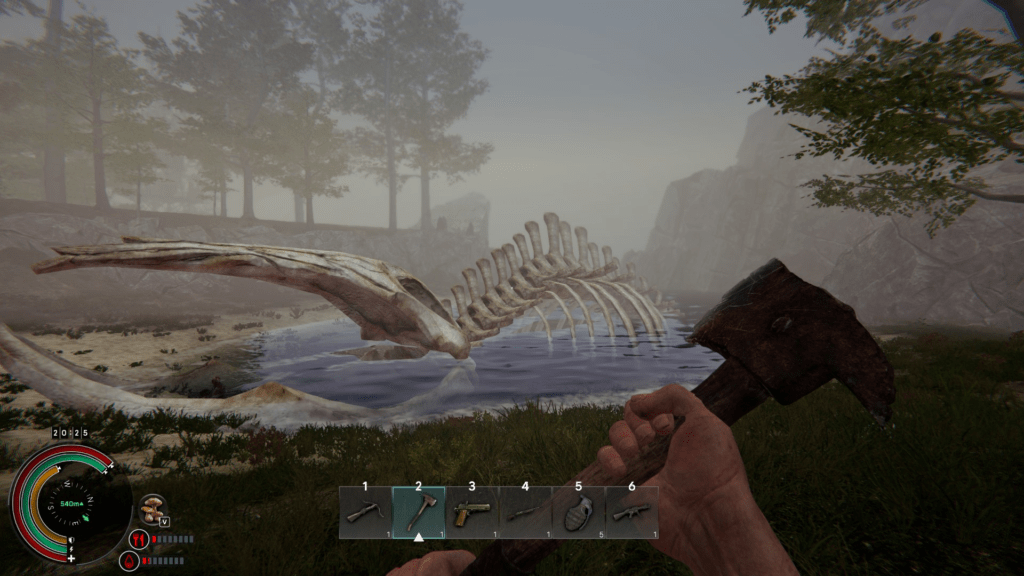
Personally, I didn’t rely much on crafting since I found exploration to be the most compelling aspect of this game. The world rarely feels empty. Nearly every corner of the map contains something worth investigating, whether it’s a hidden bunker where you can find a powerful weapon, a new piece of armor, or a trinket that grants useful bonuses. The equipment system allows players to equip helmets, chest pieces, gloves, and boots, each offering different stat bonuses. A helmet, for example, might reduce incoming damage by 5%, and if your health is below 30%, it will reduce the incoming damage up to 50%. In addition, players can equip up to six artefacts, each providing unique benefits such as increased weapon damage for 15% or reduced stamina consumption for 10%, etc.
Then it’s time to talk about combat. Combat is supported by a surprisingly diverse arsenal. The crossbow provided early in the game excels at stealth encounters, while pistols, shotguns, grenades, and various speciality ammunition types provide options for more direct approaches. Water grenades can even be used to extinguish fires. Although weapons themselves cannot be upgraded, stronger versions can be discovered throughout the world. Portable traps add another layer of tactical depth, especially when facing large groups of enemies.
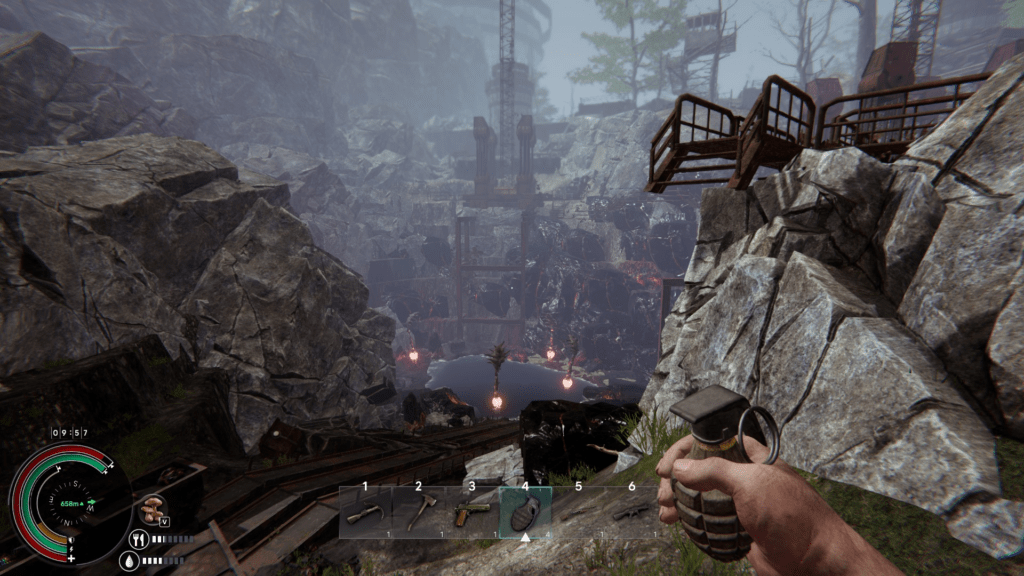
On top of all of this, the game also offers a skill tree. Skill tree allows you to upgrade your Max Armor, Max Health, Inventory Capacity, Movement Speed, Max Stamina, Surviving Skills, but it also offers a Gravity Gun, which I rarely used and which can be used to lift and throw things wherever you want or maybe even carry them with you. You will also get a paraglider, which is amazing even though it uses a lot of stamina, but you can also get upgrades for weapons such as Weapon Handling, Reload Speed, Ammo Capacity i Damage Increase. With all of these upgrades, you can be pretty creative and they can be very useful on Max difficulty. By the way, to upgrade your skills, you will be using blood orbs that you get either by killing enemies or finding them in random places. Another pleasant surprise is the lockpicking system. At first, it seems unusual, but it quickly reveals itself to be simple, intuitive, and refreshingly different from similar mechanics found in other games.
Since the missions will force you to explore different places on the island, you’ll encounter a wide variety of enemies ranging from mutated soldiers to grotesque alien creatures. Boss encounters are particularly memorable. Combat can occasionally feel a little clunky, and it’s often possible to circle enemies while repeatedly striking them with an axe until they fall (unless you’re fighting with an invisible enemy). However, considering the game’s early access status, these rough edges are easy to overlook and I do believe the developers will be working on this.
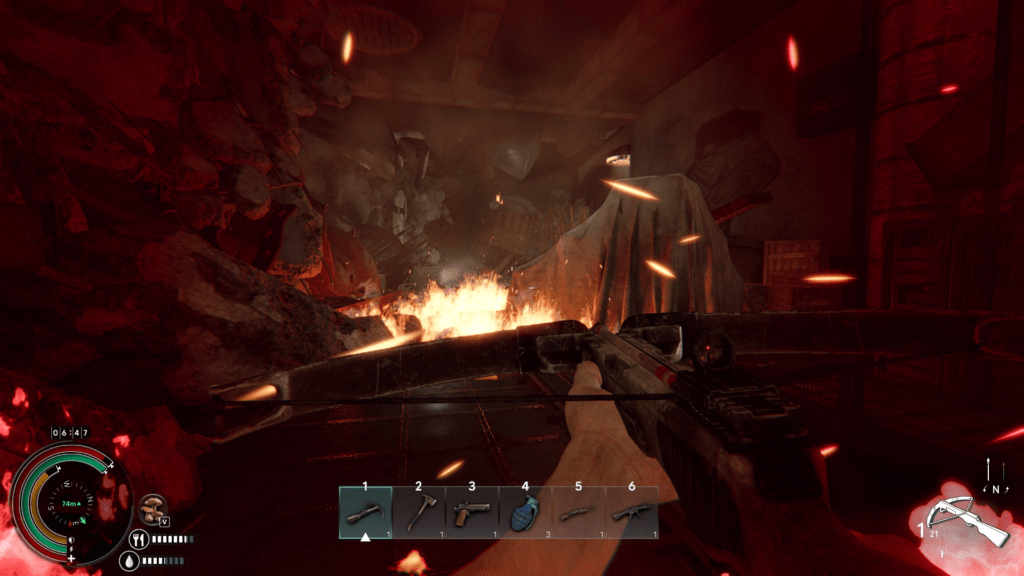
Even in its current form, combat offers a surprising amount of freedom. You can rely on stealth, deploy traps, throw explosive barrels, set up a minigun in the middle of a boss fight, or blast an invisible enemy with a shotgun at the perfect moment. Combined with special ammunition types that further increase damage output, encounters remain engaging throughout the experience.
This game uses its atmosphere to truly shine and make players feel uneasy. During the day, strange noises echo through forests and abandoned facilities, while small alien creatures skitter through the undergrowth. At night, however, the atmosphere becomes significantly more oppressive. The sounds produced by both the environment and its inhabitants feel distinctly alien, creating a constant sense of tension and isolation, making you aware that you’re here completely on your own. The mysterious woman guiding you through the story often serves as your only source of comfort. Yet even she sometimes sounds exhausted or emotionally detached, almost as if blaming you for obstacles standing in your way. Despite this cold demeanor, she remains an invaluable ally throughout your journey.
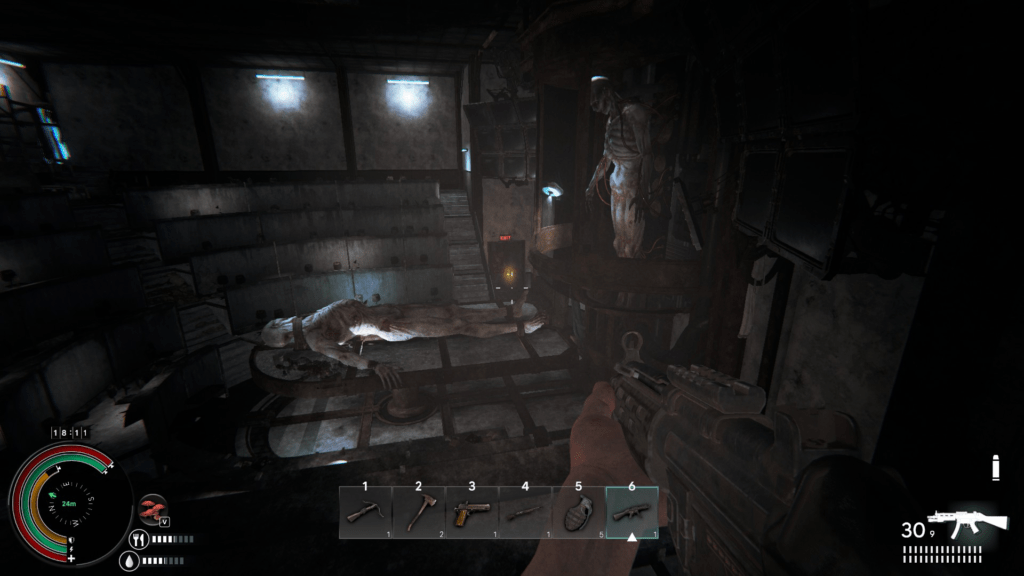
A thick blanket of mist follows you almost everywhere. Whether you’re traversing fog-covered forests or desperately chasing after your train because you accidentally left it behind (as I certainly did) the game successfully conveys the feeling of wandering through the ruins of a fallen civilisation reclaimed by a hostile wilderness. Technically, Project Mist is not a visual powerhouse. Minor bugs and occasional texture issues are still present. However, the game’s environmental design more than compensates for these shortcomings. Mutated vegetation, organic growths, and grotesque creatures inject strong body horror elements into its already haunting world. Through a combination of visuals, sound design, and environmental storytelling, the game transforms exploration into something both fascinating and genuinely terrifying. The island feels like a place forever changed by catastrophe. Yet within that destruction exists a strange beauty. The alien lifeforms inhabiting the world are often unsettling, but they are also mesmerising in their own way, embodying the idea that even from decay and ruin, something entirely new can emerge, something humanity may never fully understand.
Project Mist constantly encourages reckless curiosity. More often than not, you’ll find yourself abandoning the main objective simply because something intriguing caught your eye in the distance. Better yet, the game almost always rewards that curiosity. Despite being in early access, this game offers around 15 hours of content, along with multiplayer option.
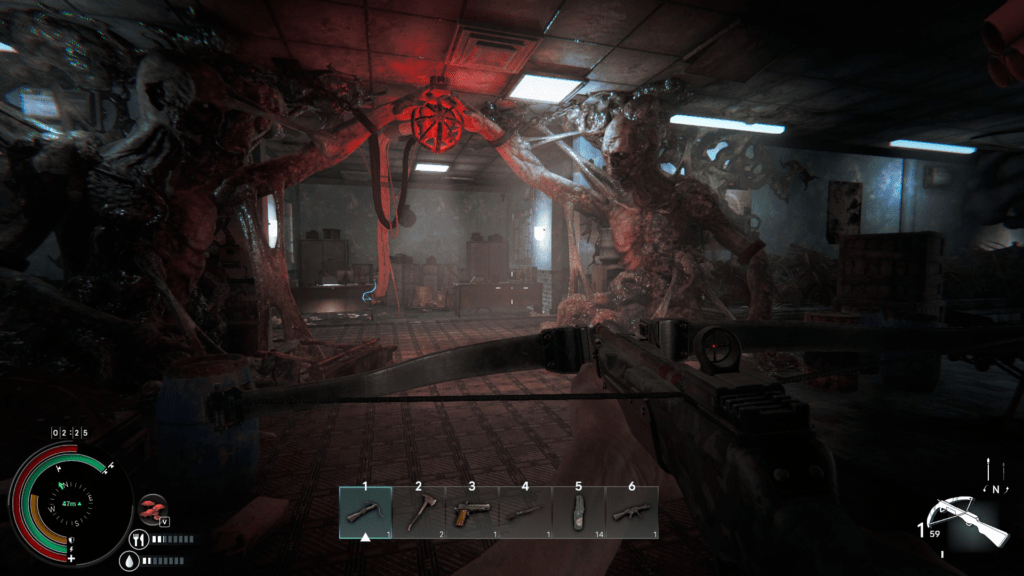
Project Mist possesses tremendous potential and already hints at how remarkable it could become in the future. If the developers continue expanding its systems, refining its mechanics, and further developing the fascinating world they have created, this could easily become a standout title not only for survival enthusiasts but also for anyone who enjoys dark, mysterious, and atmospheric adventures. The foundations are already in place, and what currently emerges from behind the dense fog looks incredibly promising.
