
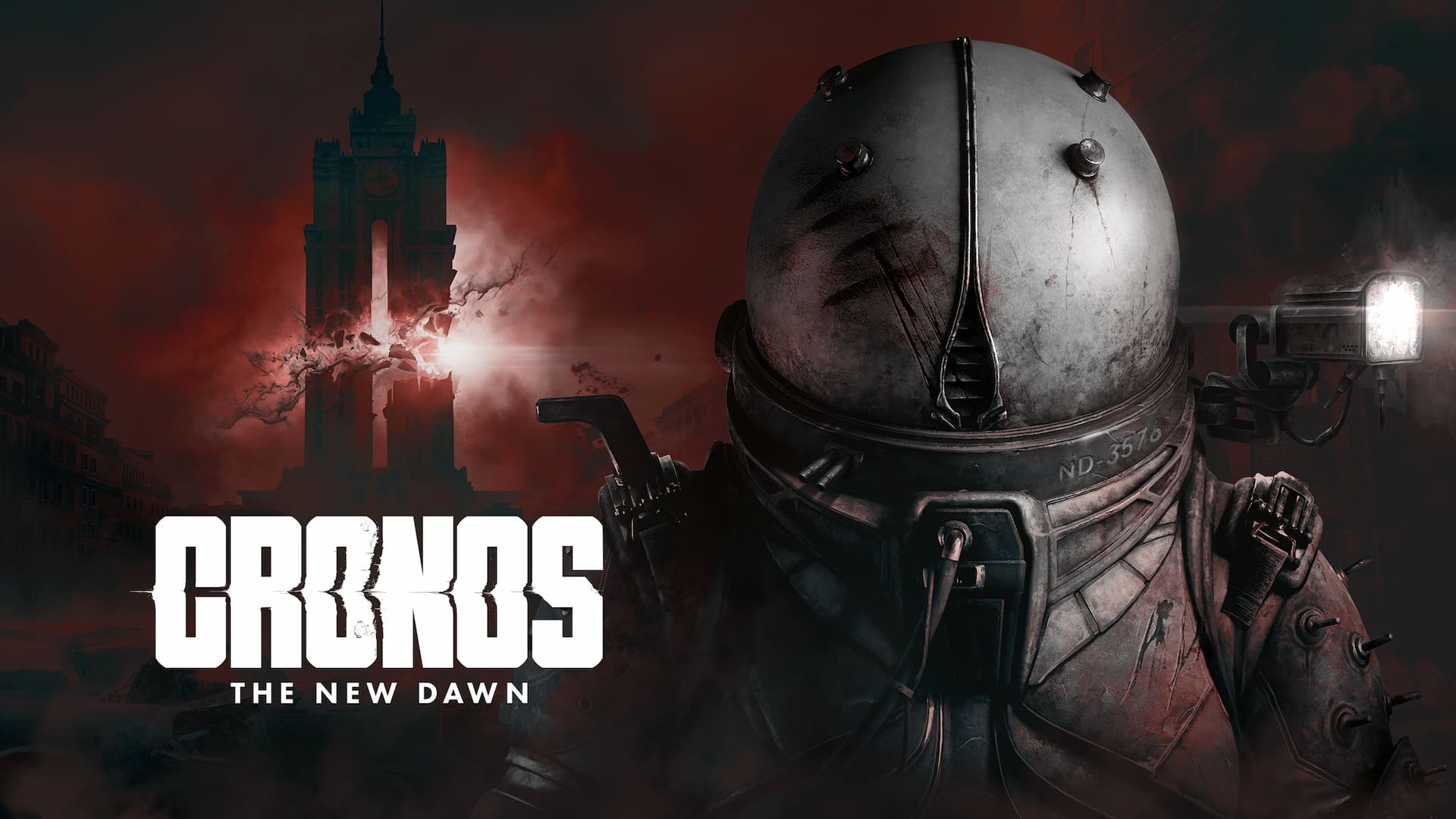

Bloober Team started out as a modest indie studio making psychological horror games. They made a name for themselves with the Layers of Fear franchise, Blair Witch, and The Observer, which also happened to be the last creative work of Rutger Hauer. What’s interesting is that each new game was better than the last, so they grew together with their titles. Last year, this small Polish team released their biggest project yet: Silent Hill 2 Remake. The success of that remake put them on the radar of many industry giants, and it also won them a lot of love from players. Now, in 2025, Bloober Team brings us Cronos: The New Dawn, a game clearly inspired by one of the best horror titles of the past 20 years – Dead Space.
Save the human race from itself
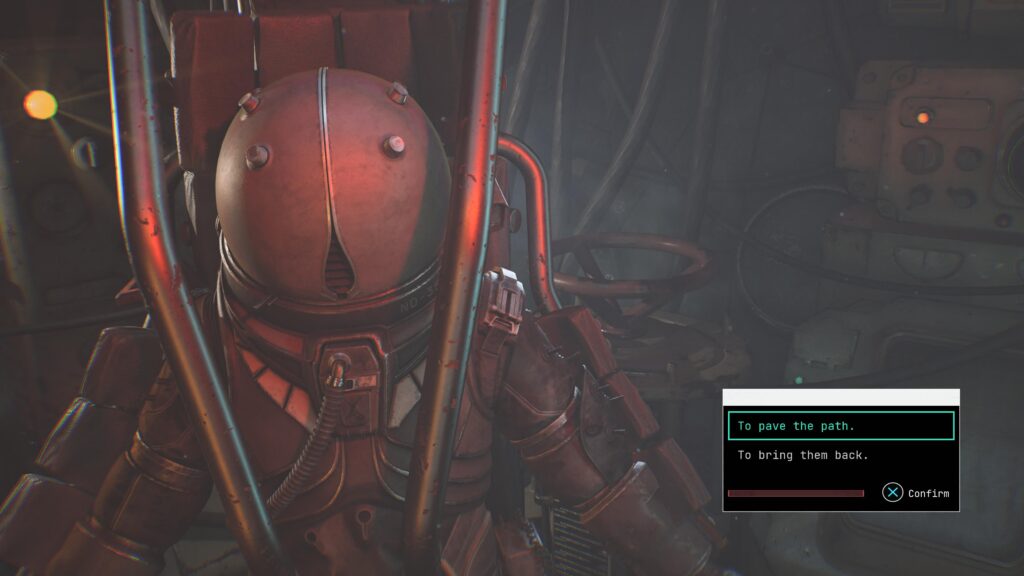
In Cronos: The New Dawn, you play as “The Traveller.” While you look humanoid, you’re certainly not fully human. Even though you have your own mind and reason, your purpose is to carry out duties for a higher power, duties that revolve around saving humanity.
The game is set in one of Krakow’s districts in Poland, Nowa Huta, which is freely translated to “New Dawn.” It’s a clever choice for Bloober’s first original IP, since many members of the team are from this area and know its architecture, culture, and everyday life of the 1980s inside out. That authenticity shines through as soon as you begin your adventure in Cronos: The New Dawn.
In this version of New Dawn, an outbreak has devastated the population, turning many into monsters once the so-called Biomass began to spread throughout the city. Even though humankind has been wiped out, hope still remains; it’s up to you to change the seemingly inevitable destruction by travelling into the past.
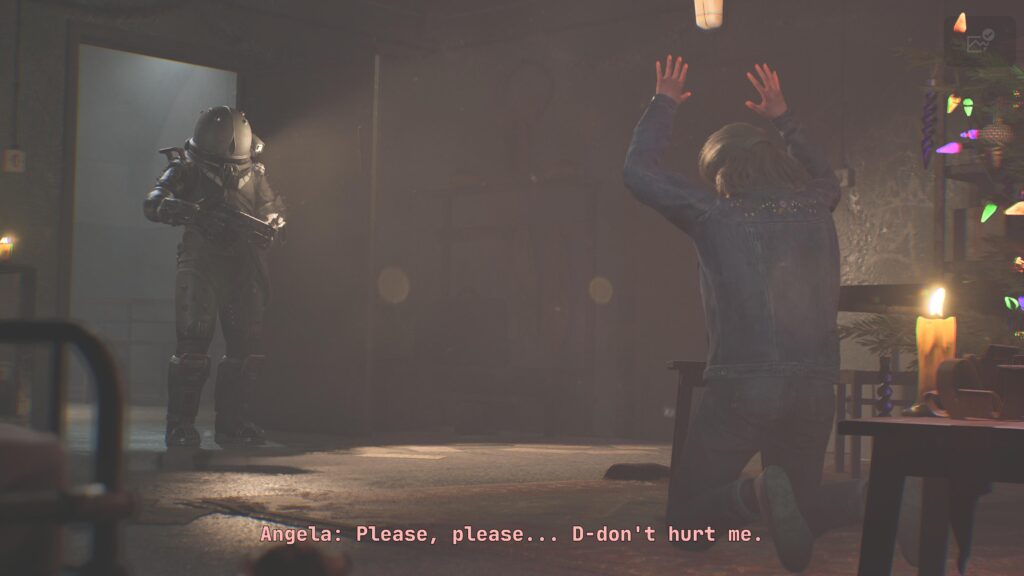
As one of the Travelers, you are immune to the outbreak. Armed with a few weapons and a heavy diving-suit-like armor that protects you from infection, you also have the ability to travel back in time, specifically to the period just before the epidemic broke out. Your mission is to visit certain locations in the present, find time rifts within them, and use those rifts to travel into the past to locate people who can prevent the catastrophe before it begins.
The journey is dangerous, survival is never guaranteed, but that is simply your calling. A time-travel story isn’t often told in the way Cronos: The New Dawn does it, so I believe many players will find it not only intriguing, but downright fascinating. Depending on the choices you make during your adventure, you can also unlock one of several endings.
Although this is a linear survival horror experience, the story unfolds mainly through old cassette tapes you discover, as well as notes from scientists and survivors of the first wave of the catastrophe. Over time, you piece together more about humanity’s condition at that moment, and what happened moments before the catastrophe. Bloober’s narrative style ensures there are moments that give you chills while you read or listen. You feel as if you’re living through what they endured while their world collapsed around them.
Survival horror in the truest, most frustrating sense of the word
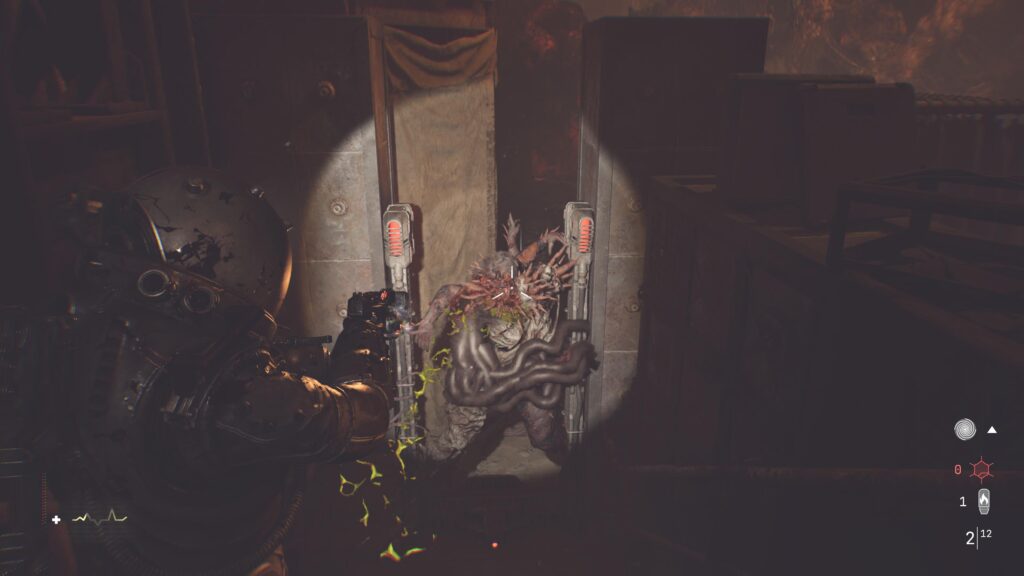
Cronos: The New Dawn is, at its core, a third-person survival horror shooter. Your objective is to explore the ruins of the city, uncover secrets, solve a few simple puzzles, and locate individuals who might be the key to saving humanity. The game doesn’t provide a map that tells you exactly where to go, but that’s not really a problem — the design is fairly linear, with only a little room for exploration, and exploring can indeed be rewarding.
As you progress, you’ll need to carefully manage resources, craft ammunition and healing items, and occasionally stray off the beaten path. While that might sound straightforward, the opening hours can be surprisingly frustrating — especially for players who expect something easier, or those unaccustomed to this kind of survival horror.
The beginning can feel brutal. You’re given only a few bullets in your gun’s magazine and not a single healing item. Everything else you need, you must find on your own. When you encounter the very first enemy, you quickly realize this game does not forgive mistakes. Precision is everything, and using your Charged Shot is often the only way to bring foes down.
Here’s where the design choice made by Bloober becomes noticeable, and sometimes problematic. At the start, your weapon, the pistol, is hard to control. Every time you aim for the enemy’s head, which you’ll need to do in order to save ammo, your sights sway. A small unplanned twitch could mean wasting a bullet, and that wasted bullet could cost you survival until the next checkpoint.
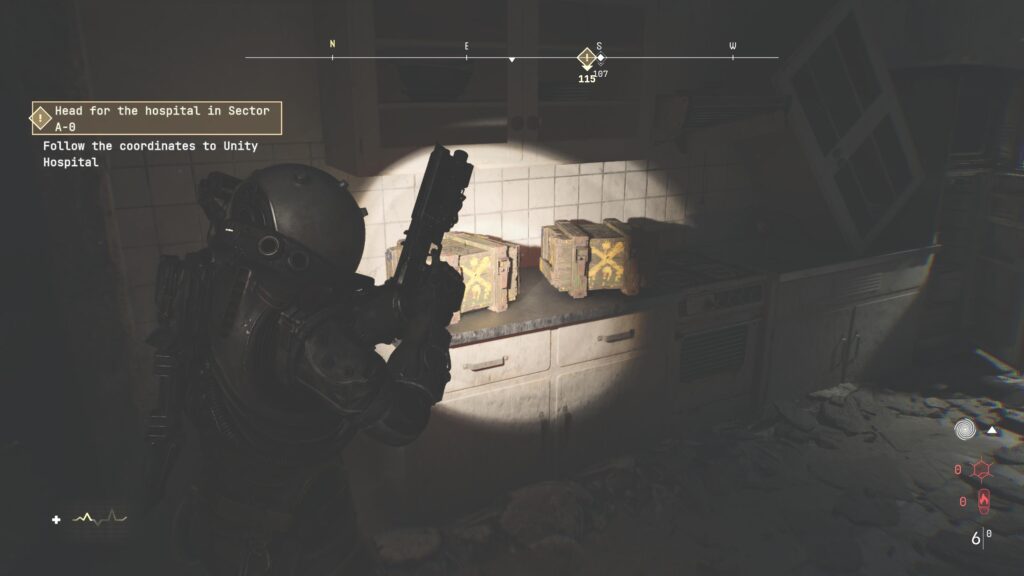
Your inventory limits how much ammo you can collect or craft on the go, forcing you to think carefully about when to engage and when to avoid conflict. This is where the survival aspect really shines: you are, after all, The Traveler, a being who has been in cryosleep for ages, encased in a huge, clunky, almost immovable suit. That heaviness adds to the feeling of survival, but can turn off players from the game. The game does not forgive and isn’t kind to anyone without patience, or those expecting something else entirely.
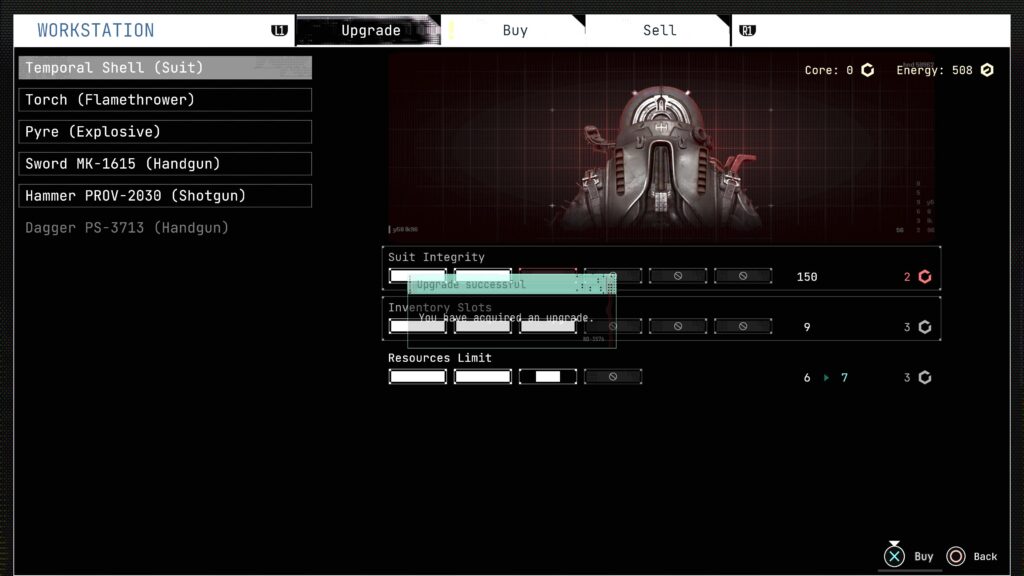
Inventory space is also limited. You won’t be able to hoard everything you find. Instead, you’ll often need to craft items immediately — ammo, healing supplies, and so on — just to keep yourself alive. As you play, you earn experience points and modules for your suit that let you upgrade weapons and expand inventory.
But here, the ever-present “risk-reward” system comes into play. Do you expand your ammo and crafting capacity, or increase the damage of your shots so you can kill enemies with fewer bullets? This is a game where every bullet counts, where every decision in combat carries weight, and where one wrong choice can easily send you back to a checkpoint. Brutal for some players, yes — but undeniably survival horror at its purest.
Materials and extra ammo can be found by straying from the linear path. Each hidden spot might give you much-needed resources or a secret cassette tape explaining more about what happened in this world. At checkpoints, you’ll find bases where you can upgrade gear, craft supplies, and store unneeded items. There are no side quests, but you will encounter locked rooms — opened by codes or keys found through exploration. These often hold valuable resources. In this way, the game subtly nudges you to soak in its world, to peek behind dark corners and closed doors. Sometimes you’ll find enemies, sometimes exactly what you need to survive.
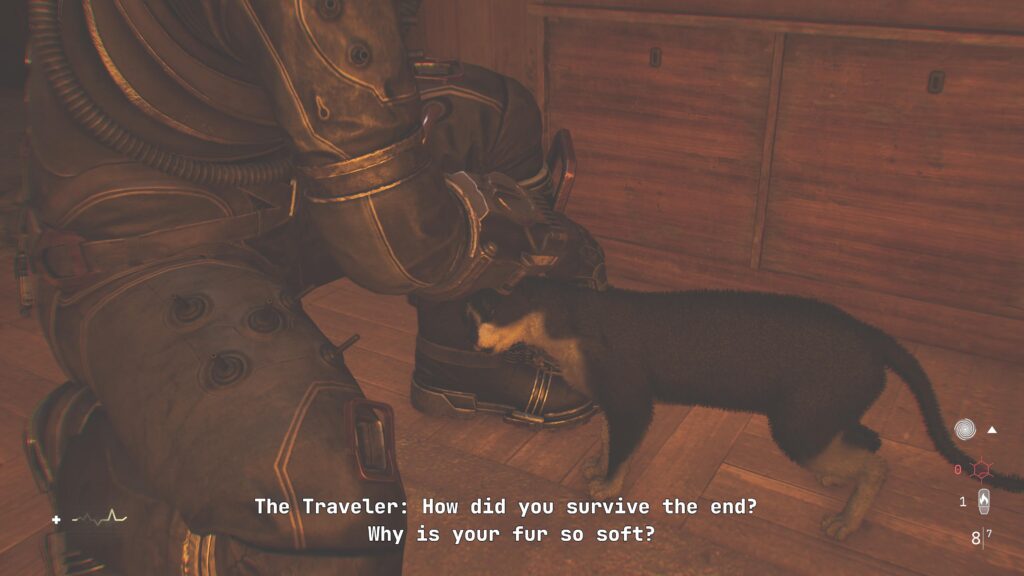
Though the game resembles Dead Space, sharing a similar control scheme and heavy, sluggish character movement, Cronos is far more survival horror than action horror. It wants you to feel like you’re surviving, not just playing through a game. At least in the beginning. During the second half of my playthrough, once I’d mastered the mechanics, things became much easier, even as enemies grew more frequent. To succeed in Cronos, you must be frugal, cautious, thorough in exploration, and focused on upgrading only the weapons you truly use. Once you internalize everything mentioned, Cronos becomes a joy to play, but until then, prepare for a healthy dose of frustration.
Persistent enemies with sometimes cheap tricks
It almost feels like Bloober Team turned their inexperience with third-person shooters into a design feature for their first original IP. Combat can feel frustrating until you adapt, especially early on. Forget about spamming basic shots — the only attacks that matter here are Charged Shots. Every time you fire, you need to hold the trigger for a few seconds to charge a bullet, then release. Otherwise, you’ll waste two whole magazines on a single enemy. Foes can kill you in just a few hits, so your smartest option is usually to dodge while landing shots from afar.
You also have melee options, a punch and a stomp, but they’re practically useless, good only for breaking boxes or clearing small obstacles. Enemies barely react to them. They won’t stagger or get knocked back, which denies you breathing room in fights, which could be problematic for some players. Enemies often wait in ambush, making foreknowledge the only real counter. Their weak spot is the head, but with the constant aiming sway, hitting it is far from easy.
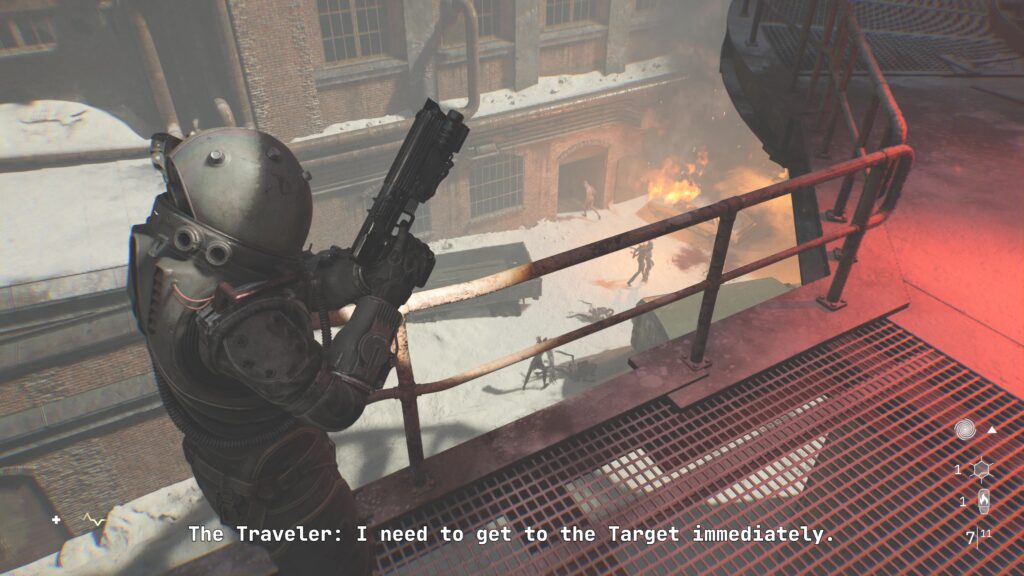
Enemy behavior is unpredictable. Sometimes they’ll charge aggressively, other times they’ll just shuffle forward, soaking up bullets. While unpredictability adds to the survival atmosphere, it can also be maddening, especially when the game throws three or more enemies at you at once in a cramped hallway, leaving no room to maneuver or escape.
Interestingly, during the review period, there were a few patches — one specifically addressing combat balance. It reduced the number of Charged Shots required to the head from four to three. It makes me wonder if Bloober might adjust melee balance next, to at least give punches and stomps a purpose.
A post-apocalypse that feels like home
As for the environment, it’s incredible how much effort Bloober Team poured into recreating a neighborhood inside this virtual world. The Polish architecture, the dialogues, even the cultural atmosphere feel authentic, familiar even. There was a scene where you enter an apartment building and descend into a communal basement, and it reminded me uncannily of the building I grew up in as a kid.
That effort, to recreate real-life places and “destroy” them in this way, as the developers themselves put it, only amplifies the horror element. The atmosphere is simply fantastic at every step. The music, or rather, the quiet, eerie melodies and sound effects, contribute enormously to this dark, unpredictable world.
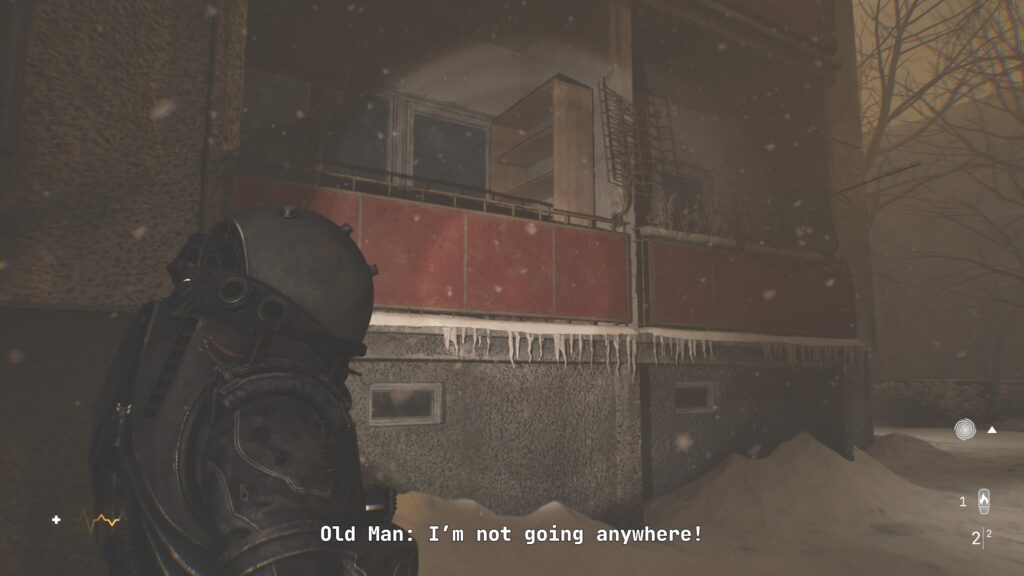
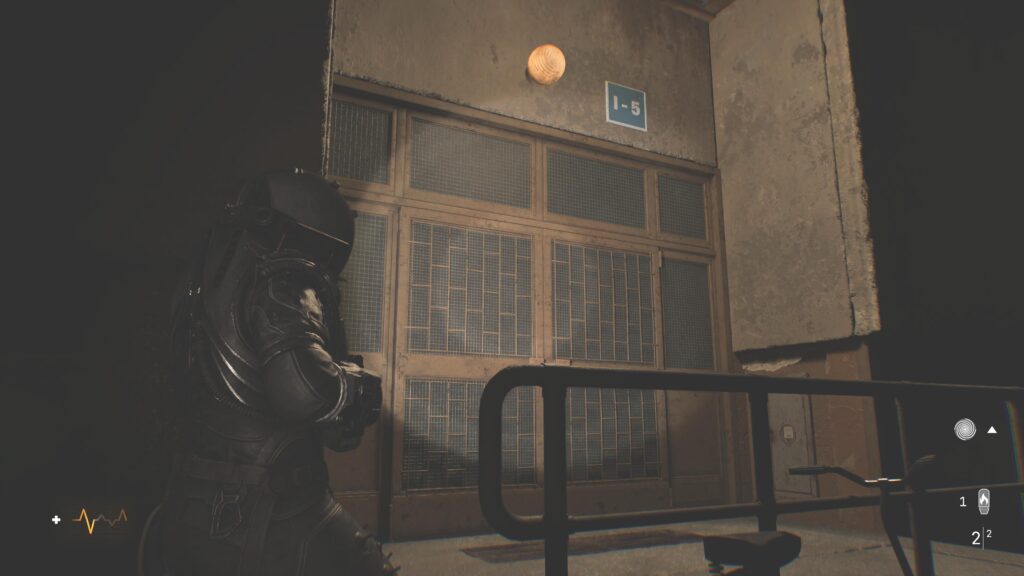
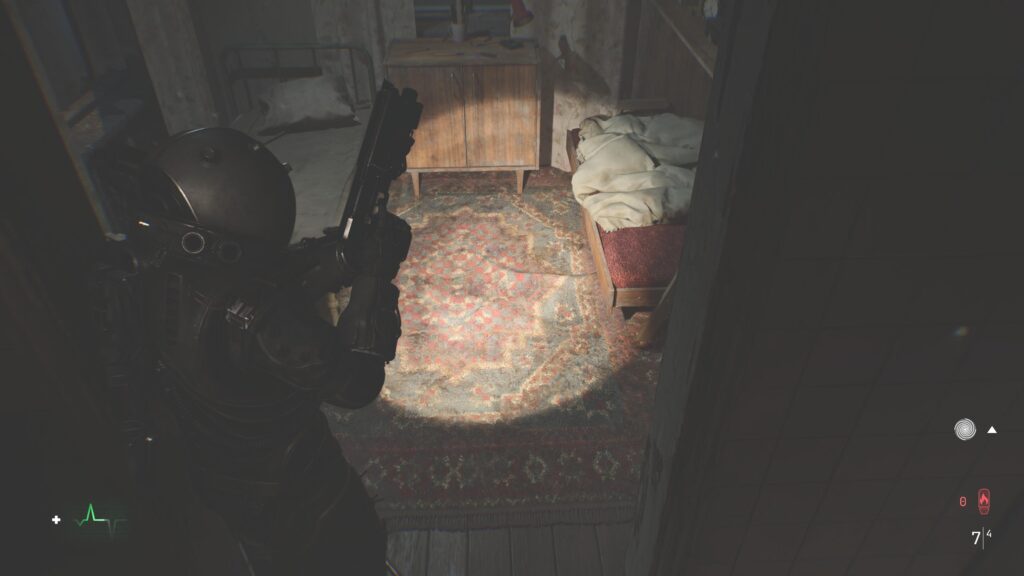
Every location is crafted beautifully, both visually and atmospherically, but there is still an optimization issue. There are certain areas where the frame rate will dip below 60, sometimes down to around 40, without any logical explanation. Since the game runs on Unreal Engine, I initially thought it might be due to “loading the next section of the map/game,” but now I’m not so sure. It’s not like the low frame rate is present throughout the entire game, but it does tend to show up exactly when you don’t want it to. Luckily, even with these drops, I still enjoyed my time playing through the game. My full playthrough took about 12 hours, after which both Hard Mode and New Game+ are unlocked.
Cronos: The New Dawn (PlayStation 5)
Cronos: The New Dawn feels like it took the most punishing survival mechanics and dropped them into a third-person shooter. For some players, that will be frustrating; for others, it’s exactly the kind of challenge they crave. But if you can push through the grueling beginning and learn enemy behavior, Cronos turns into a chilling, rewarding, atmospheric experience that I’d gladly replay one day. Rough around the edges in places, sure — but still another excellent game from Bloober Team.
