
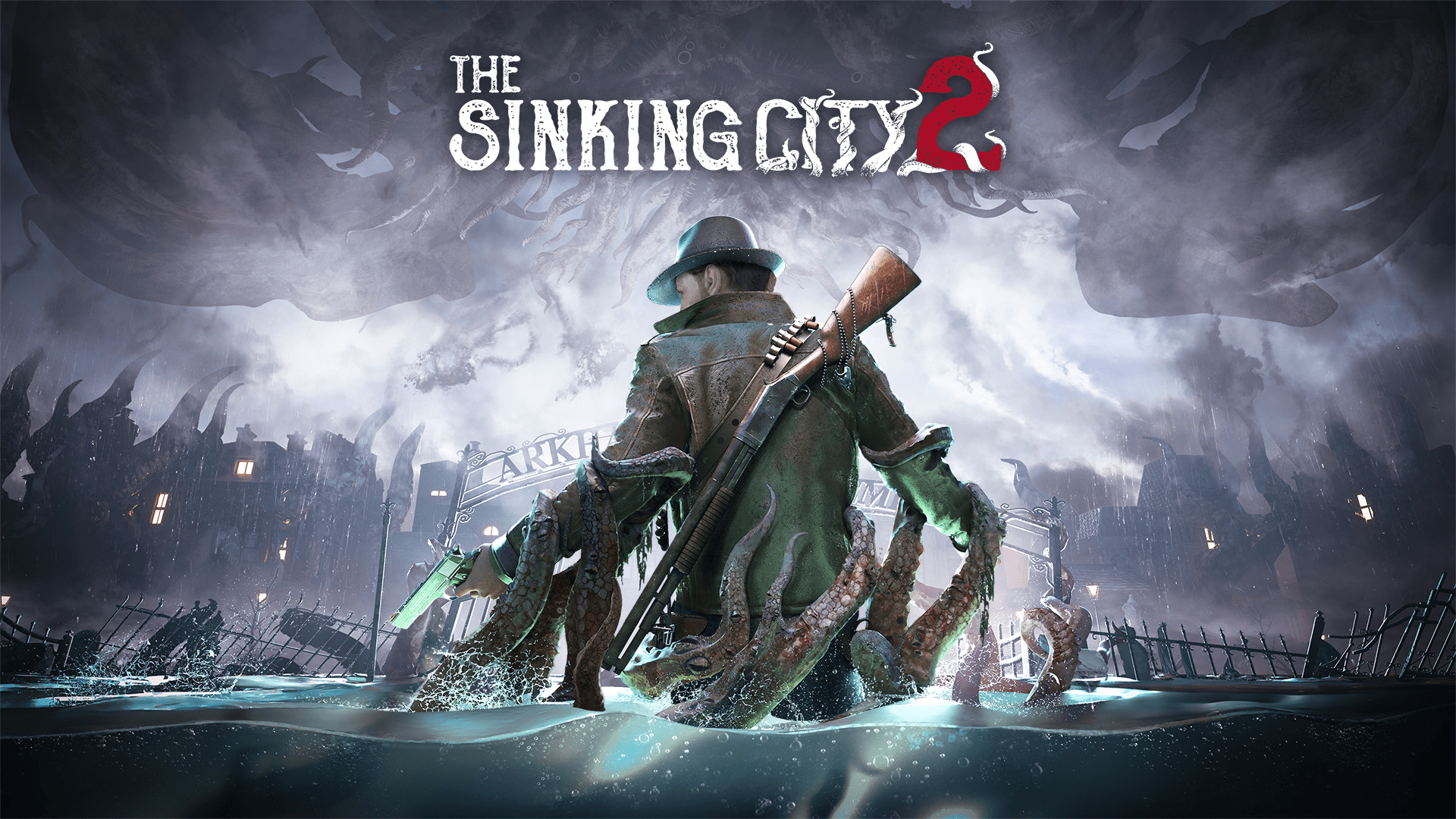

The Sinking City was first released in 2019. by a studio called Frogwares. This third person survival horror title, along with its developers, went through a rather turbulent period. Nevertheless, in 2021. we received a remastered version of the game, and by 2024. Frogwares had become the publisher of its own title across all platforms. This year, however, we will be getting its long awaited sequel.
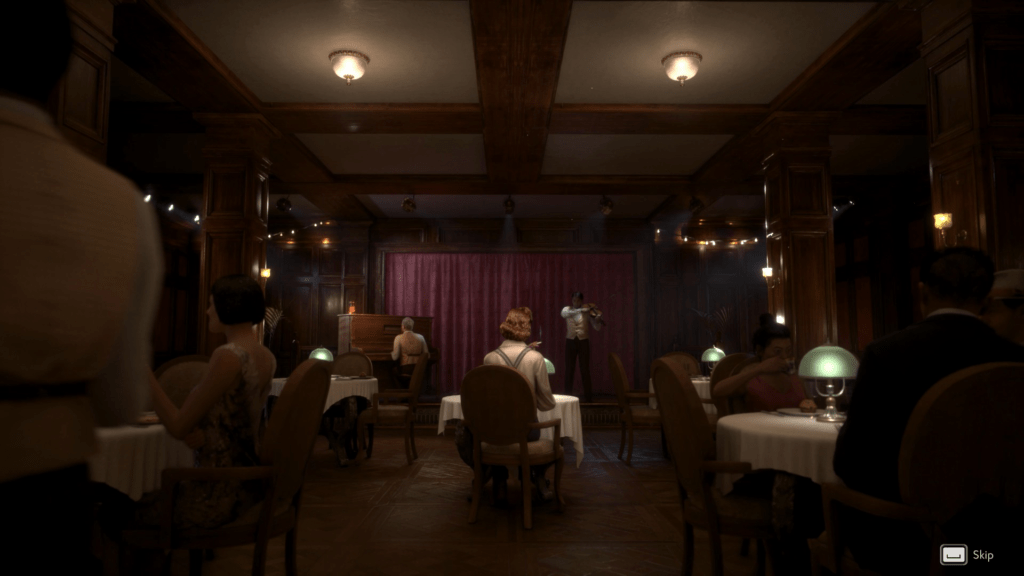
As a Lovecraft fan and someone who grew up playing Call of Cthulhu: Dark Corners of the Earth, The Sinking City immediately caught my attention. It seemed like a brilliant concept, offering an open world while placing you in the role of a detective who genuinely had to gather clues in order to determine where to go next, who to talk to, and how to progress. It felt refreshing to refuse to constantly guide the player by the hand. The atmosphere and characters also had a unique charm that made the game memorable. Combat, admittedly, wasn’t particularly impressive, but thanks to the game’s many strengths, it was often easy to overlook.The Sinking City 2, while set in the same universe, introduces a completely new story and a new protagonist (although the two leads do share a somewhat similar appearance).
This time, you step into the shoes of a man called Calvin Rafferty. Calvin is an adventurer with a deep fascination for the occult. Right from the beginning, we see him meeting with a woman named Faye. Everything appears ideal until Calvin, looking as though he is about to propose, instead presents her with a book and asks, ,,Would you summon a god with me?” Naturally, given the game’s Lovecraftian inspirations, he is referring to one of the eldritch entities from his mythos. Just moments later, Calvin finds himself trapped in a nightmare where zombie-looking creatures drag him away from Faye.
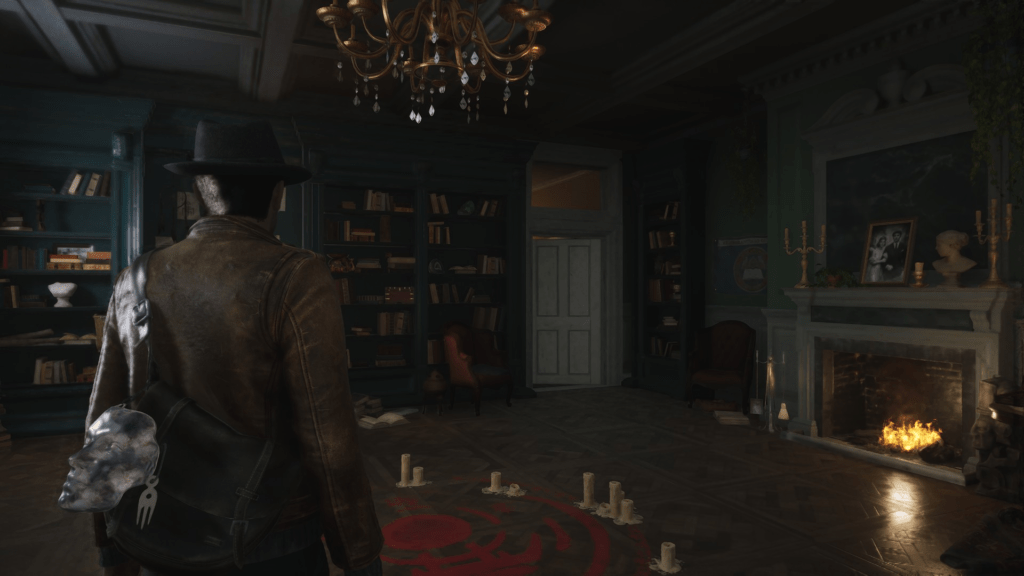
The nightmare is brief, and he soon awakens in his apartment, only for us to discover Faye lying motionless in their bed. Through Calvin’s monologue and a bit of environmental investigation, we learn what happened to her and discover that his only desire is to bring her back. To do so, he must perform a ritual known as ,,The Call”, which has the power to return a soul to its body. From that moment onward, your objective becomes finding a particular book hidden within a university library. Unfortunately, this task proves far more difficult than it initially appears.
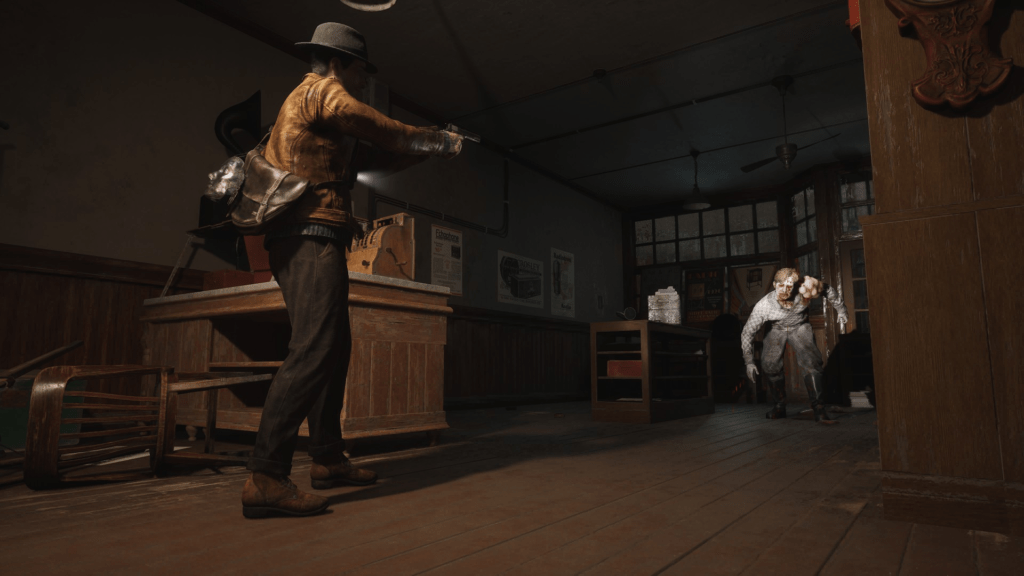
Gameplay feels noticeably different from the first game, and honestly, that’s a very good thing. Combat no longer feels nearly as clunky, movement is much smoother, and while detective work remains an important part of the experience, it is no longer the sole focus. Yes, you can still collect clues and connect them together to form conclusions, but documents now highlight key pieces of information that are relevant to your investigation. The puzzles carry a distinctly Resident Evil-inspired design.
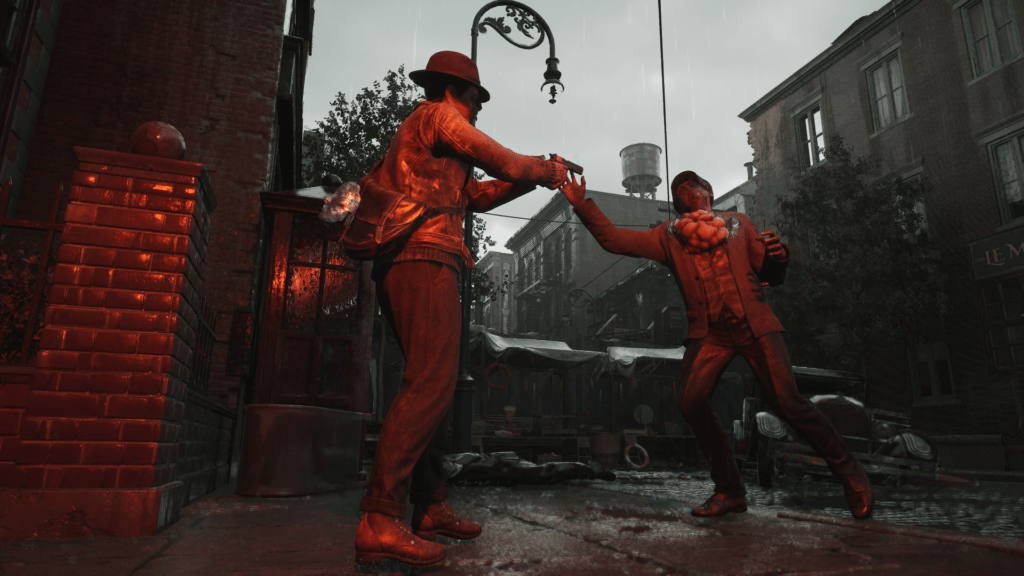
You begin the game with a handgun, but ammunition is rare, making every bullet count. Most enemies possess visible weak points that can be exploited, though environmental hazards such as explosive barrels can also be used to deal with groups of foes. Along with that, you can resort to melee attacks when you run out of ammo, and you can even stomp on enemies or the leech-like parasites inhabiting them, which are responsible for their zombie-like appearance.
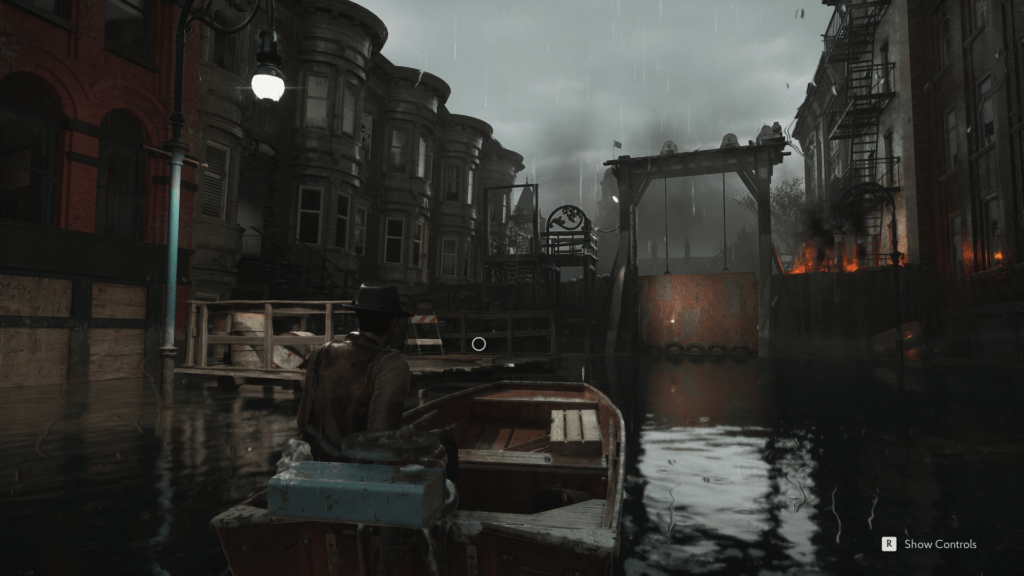
Throughout the world you’ll encounter locked boxes that require special items to open. The first one I found rewarded me with an upgrade for my handgun. Since the city remains devastated by flooding, your primary means of transportation is once again a boat. The map feels fairly large, easy to navigate, and marks locations you’ve already visited.
Alongside the map, you’ll have access to an Inventory, Crafting, Investigation, and Talents menu. The demo allowed me to craft ammunition and healing items, while the Talents section, which appears to function as a skill tree, remains something we’ll explore later. Another notable mechanic is the presence of ,,safe rooms” identified by a blue symbol on the door. Entering one transports Calvin to a secure location where you can store items and save your progress.
Since the game is set in Arkham during the late 1920s, the atmosphere is an absolute treat. It blends cosmic horror, noir aesthetics, and body horror into a remarkably effective package. This becomes apparent the moment you witness what happens to the enemy in the opening scene or encounter the first NPC. At first, the world feels strangely quiet and peaceful as you drift through rain-soaked streets in your boat and occasionally catch glimpses of dim neon signs glowing through the darkness; however, the deeper you venture into the city, the more that illusion begins to crumble. Every distant noise suddenly feels important. And when, in complete darkness, you hear the clicking sounds of a new enemy approaching, you’ll find yourself both fascinated and terrified at the same time.
The Sinking City 2 is undoubtedly a game worth paying attention to, as it appears to improve upon nearly every area where its predecessor struggled. From exploration and combat to atmosphere and overall presentation, everything gives the impression of a more confident and significantly more ambitious project. On top of that, the demo completely won me over with its horror elements. Very few games manage to maintain such a constant sense of unease and uncertainty, which makes me even more excited to see what the full release has in store.
What surprised me the most, however, is how quickly the story manages to establish an emotional connection. The chemistry between Calvin and Faye feels natural and convincing enough to make you immediately care about their fate. If the rest of the game manages to maintain the level of quality showcased in the demo, The Sinking City 2 could become not only a worthy successor to the original, but also one of the most pleasant surprises the horror genre has seen in recent years.
