
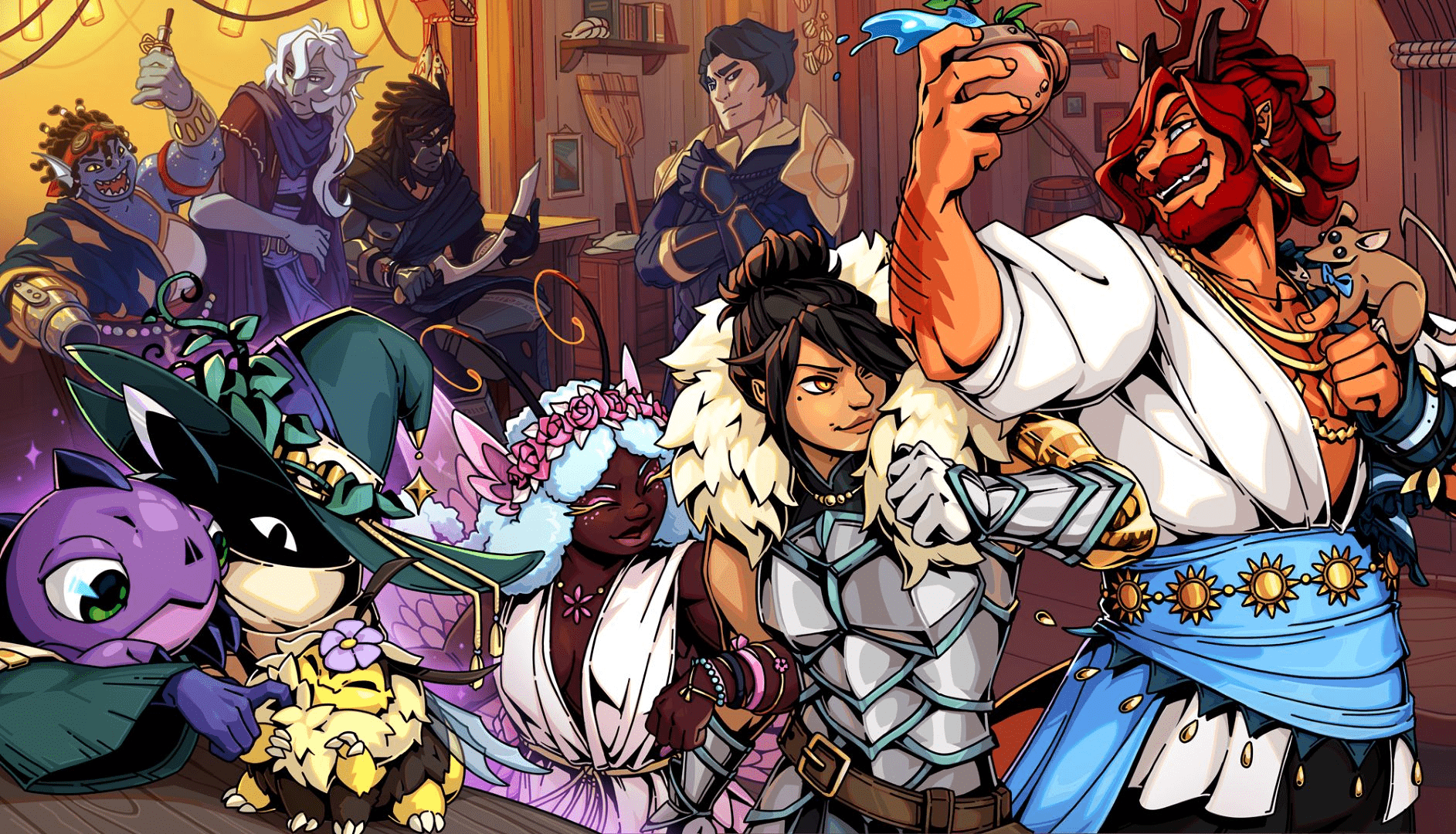

Cosy Games have become much more than a niche in these last few years, from farming games to laid-back exploration games to bartending games; the genre grows each year. With multiple showcases during Summer Games Fest and beyond, people love the relaxing atmosphere of these games. German Indie Studio Gentle Troll Entertainment’s debut game, Tavern Talk, and its multiple DLCs fell right into this niche and with success, the Dungeon & Dragons-inspired bartending game was a success. With Tavern Talk Stories: Dreamwalker they now deliver a prequel game that plays 36 years before Tavern Talk and brings back some old fan favorites, but also a new cast of characters to get to know and refines its gameplay systems.
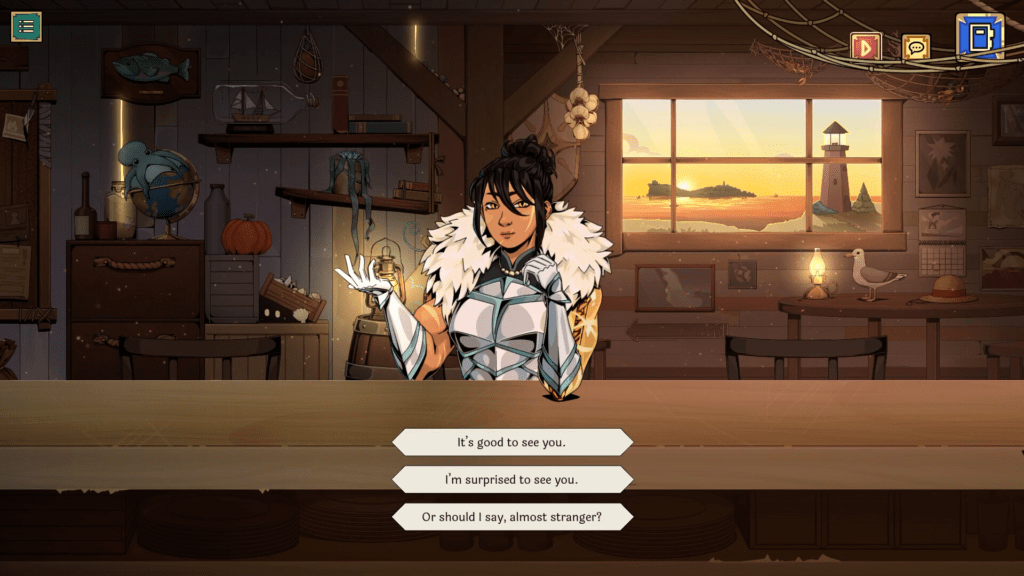
Welcome to the “Drowsy Dragon”
Tavern Talk Stories: Dreamwalker takes the players back to the fantasy world of Asteria, specifically to the coast of the continent Phesoa. In the small and dreamy coastal town of Borkam, you play the role of the Tavernkeeper of the Drowsy Dragon, a small and cozy bar right at the harbor, that just opened its doors.
The premise of the game is as simple as its fun. You are not hero in this story, that goes on adventures and slays dragons. You are one of the most important NPCs of a classic Pen & Paper Adventure. You are the tavernkeeper who delivers quests to the adventurers who enter your little bar. But you are not just an ordinary barkeeper, you have the special ability to support these adventurers with magic drinks, that can influence the fate of your guests. How you got your abilities? Really depends on what the player chooses, from getting this gift from the dragon gods themselves to pure overestimation, it is up to you to give your character a bit of a background.
While at first only adventurers, mercenaries, seafarers and wizards are entering the tavern, which we get to know better over time and brew the right potions for, there is an overarching narrative given through their stories and the quests we give out. Something dark and threatening is brewing on the horizon. Mysterious things happen and the dreams of the citizens turn into nightmares.
A colorful cast: The heart of the story
A visual novel stands and falls with its characters. And I am happy to say that Gentle Troll Entertainment does a great job to create a colorful cast from your typical Dungeon and Dragons tropes and gives them interesting backgrounds, connections and purpose. Every one of the eight unique main characters has something interesting to say and their interaction with each other is fun to read.
From new characters like the elusive Rune and the human paladin Quasar Duskbringer, to old fan favorites like Una N’diaye, a fin folk engineer that is much older in the first Tavern Talk game, you are excited to see who will come to the tavern each day.
Gentle Troll Entertainment places great emphasis on diversity and inclusion. The game features consistently positive LGBTQIA+ representation. And the story doesn’t shy away from covering serious topics such as dealing with death and grief and violence. It’s these moments that lends the otherwise cozy world of Tavern Talk a lasting impression.
From mixing, listening and weaving destinies
Gameplay wise Tavern Talk Stories is quite simple. If you have played a cozy bartending game before, you will feel right at home as Tavern Talk Stories doesn’t move away much from its roots. There is no complicated tavern management or in game economy. You don’t have to hire staff to clean tables, calculate finances or meet a month’s end. The focus of the game is the narrative and small puzzle elements in form of potion mixing and quest weaving.
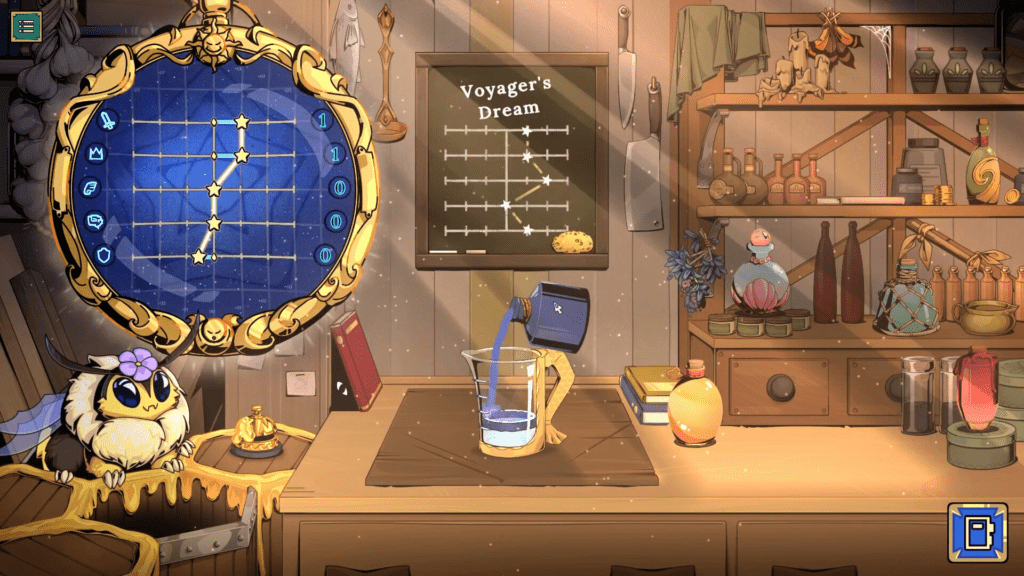
Mixing potions is based on stats in Tavern Talk Stories. The ingredients you have positive or negative effects on the classic roleplaying attributes: Charisma, Défense, Dexterity, Intelligence and Strength.
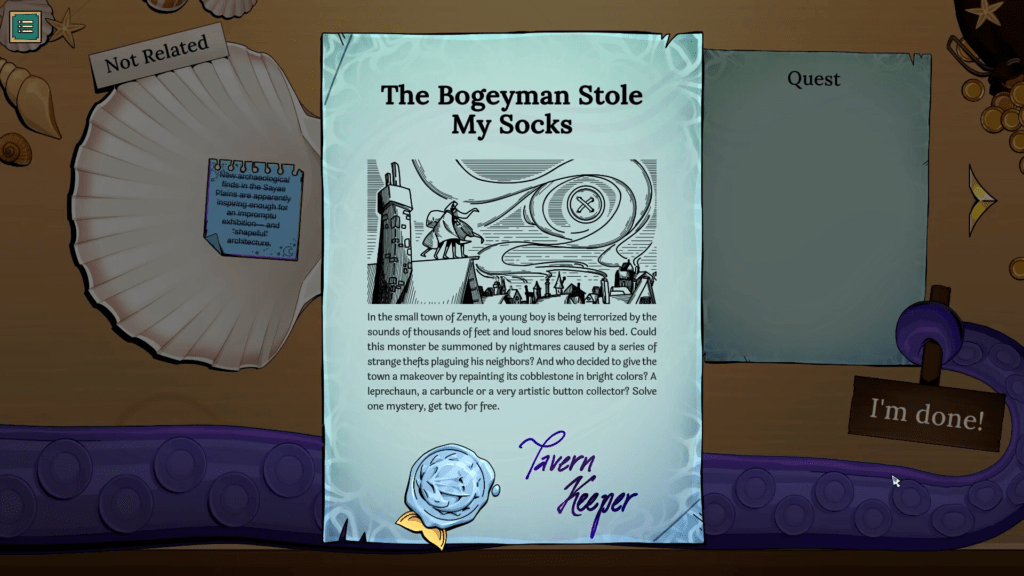
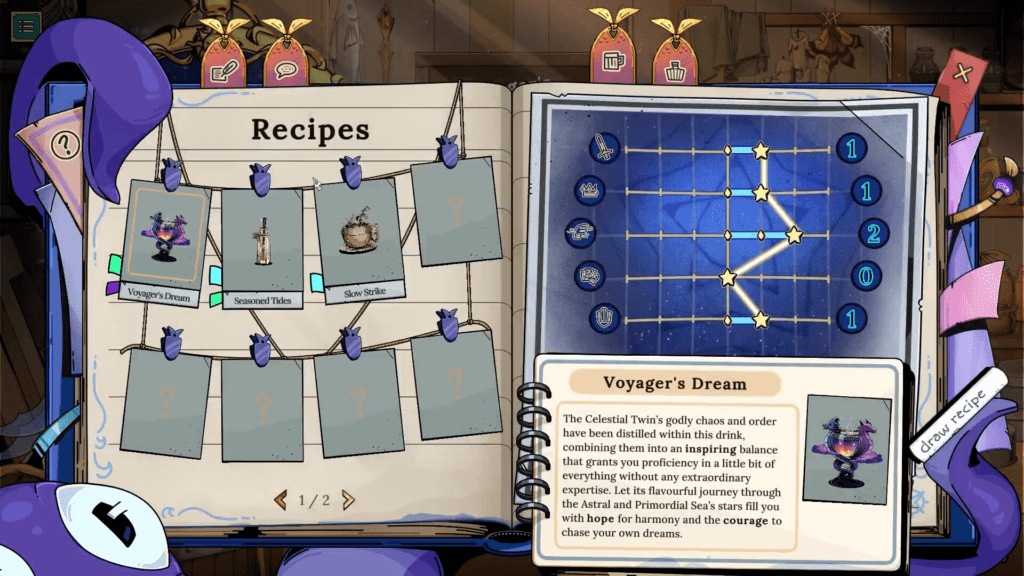
A potion includes a maximum of 5 ingredients. It is up to you to balance the attributes in away that they trigger certain emotions in your guests, such as hope, luck, strength, stress or speed. If Una for example goes on a dangerous mission, she might need a potion that increases her dexterity and limits her stress. At first, you can choose from a basic set of different potions that get visualized by star constellations, fitting the maritime theme of your bar, from your codex and is shown on a chalk board, but later you can create more freeform potions. Depending on what ingredients you add, the stats go either up 1 or 2 or down. This is where the puzzle factor comes in, you must mix and match the right combination to make the correct potion.
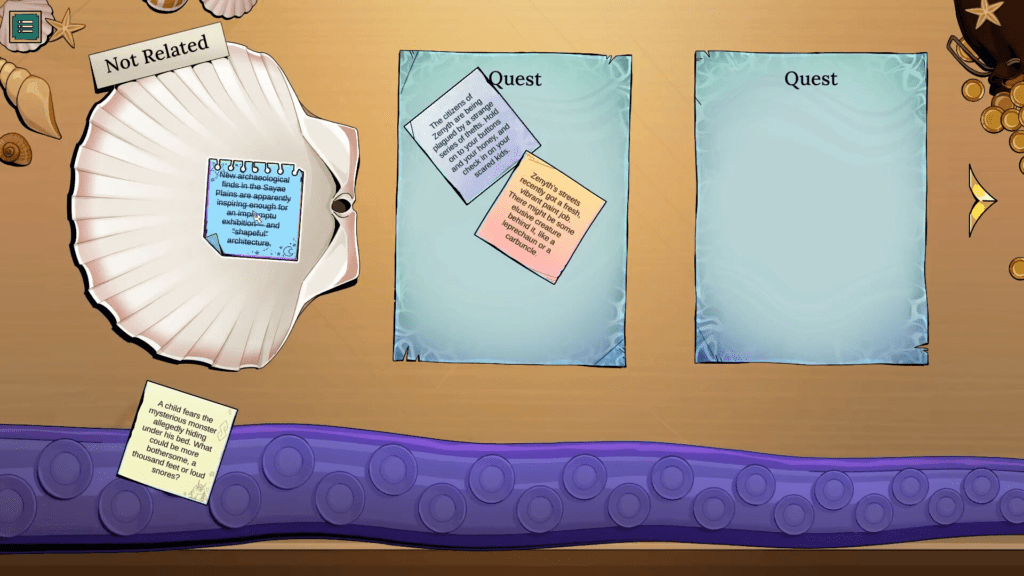
The second central gameplay element is the quest building. When adventurers enter your tavern and sit down, they not only talk about themselves and their lives, but also about the most recent rumors that happen in town and the world of Asteria. These rumors end up in your journal and can be combined into quests.
The player needs to sort these rumors. Which clues are genuine leads and what are just red herrings? False leads can be put aside, but genuine leads can be weaved into proper quests. And quests can be put on display in the tavern. If an adventurer takes the quest, we directly influence their life. These meaningful choices feel exciting and fundamental. While often you just sit and listen to people in these kinds of games, such as in the Coffee Talk series, here you feel like you have direct influence on your guest’s future.
Visual presentation and lore
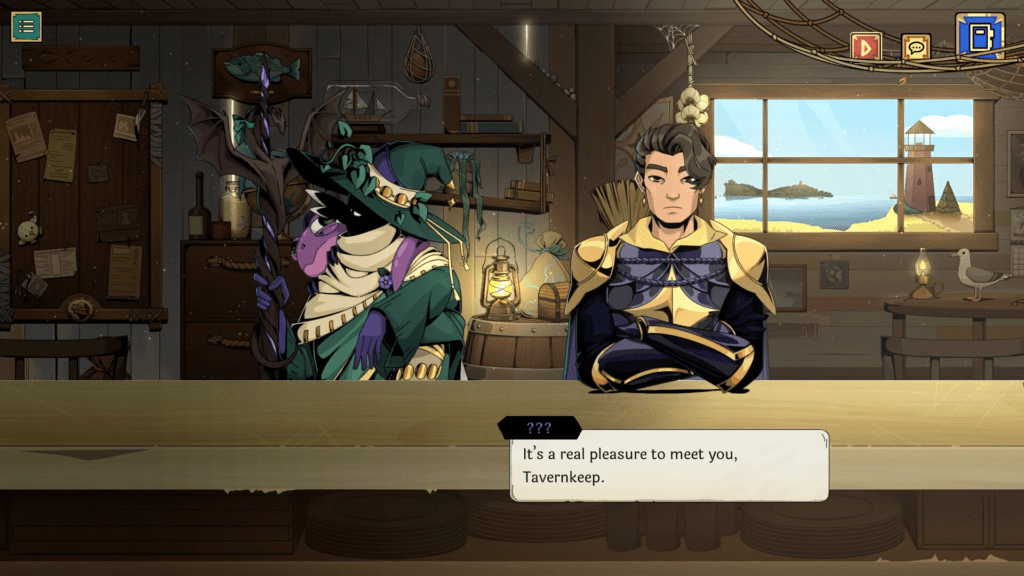
Visually the game is presented in warm and colorful hand drawn 2D art like the first game. The maritime setting brings in fresh new design ideas. From the way your tavern is decorated to the towns looks, but also to how your UI is designed. A highlight is how the recipes in your journal are presented as star constellations, which fits the nautical theme of Borkam.
There is also a much more detailed journal this time. All the lore got expanded and gives detailed background information to cosmology, star signs and the draconic pantheon and the world.
From the tavern to the tabletop
What I really love is that, parallel to the game’s release, they also released several Tabletop RPG Adventures based on the Tavern Talk world. If you like the world and characters, you have the option to buy three fully developed Pen & Paper adventure oneshots, which are fully compatible with Dungeons & Dragons 5E and are played in the world of Asteria. “Come Hell or High Water”, “From Tax Till Dawn”, and “Heartseaker’s Ruin” invite you to dive even more into the game’s world. The entry point is low as the adventures bring everything you need to play, and if you fear creating your characters, there is a Character Sheet Bundle with premade characters and sheets to support them at Level 1, 3 and 5 as well.
Tavern Talk Stories: Dreamwalker is much more than a prequel to the Tavern Talk series. Gentle Troll Entertainment learned a lot from its debut game and refined mechanics like potion brewing and quest weaving in a way to make the general gameplay of the series more exciting and deeper, without making it too overcomplicated. The town of Borkam and The Drowsy Dragon invite the player to a fun and new place in the world of Asteria. The colorful cast of new and old characters makes the story and narrative worth your time.
We would like to thank Gentle Troll Entertainment for providing us with a copy of the game for review purposes.
Tavern Talk Stories: Dreamwalker (PC)
The game is not going for heavy resource management and an overcomplicated system is a conscious decision. The game is not there to be stressful but rather wants to invite you to sit down in the tavern yourself and relax. If you look for action, there are other fantasy games for you. But if you have a soft spot for Dungeons and Dragons-inspired fantasy and you like deep and sometimes melancholic stories, while also having the chance to influence the lives of your virtual guests and friends, this game is right for you.
