
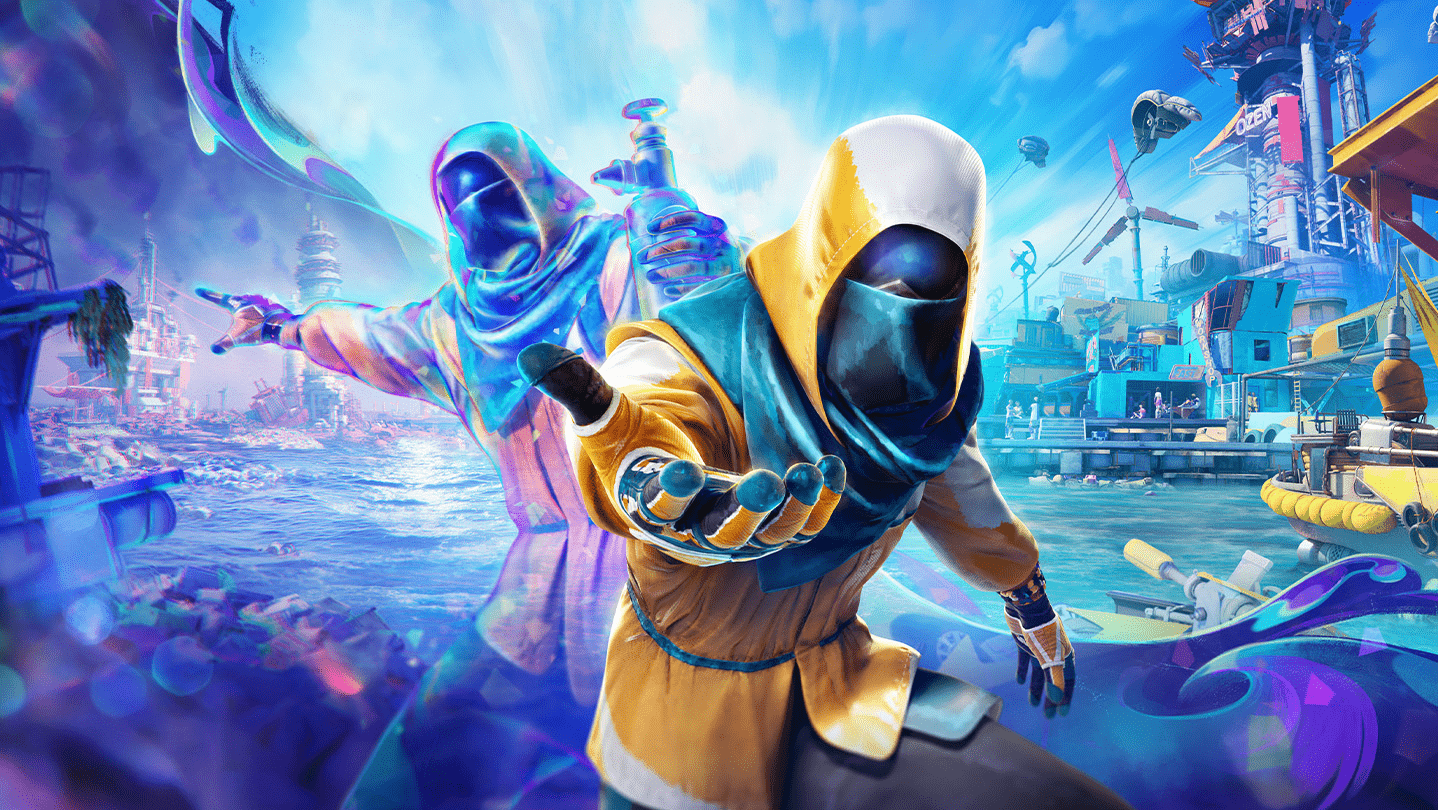

When I first saw Tides of Tomorrow at last year’s Gamescom, I honestly had no idea what it was about. I remember the people from DigixArt, the studio behind the game, asking me, “Okay, can you guess what it’s about?” and my answer was, “Well… about tides that are coming tomorrow?” A joke, sure, but in a way not entirely wrong, because as vague as it sounds at first, Tides of Tomorrow is a game that tries to explain exactly that, what tomorrow will bring us based on the decisions we make today in the world we inhabit. And honestly, that immediately won me over. Very few games attempt to tell a story, tackle a problem, and reflect on the crisis our world is currently facing in this way, and DigixArt manages to do it in a highly effective, and, just as importantly for a game, genuinely entertaining, manner. What I did know was that DigixArt is the talented team behind titles like Valiant Hearts: The Great War, 11-11: Memories Untold, and the excellent Road 96. So even if I went in knowing very little about the game itself, I still had faith that this would turn out to be something special.
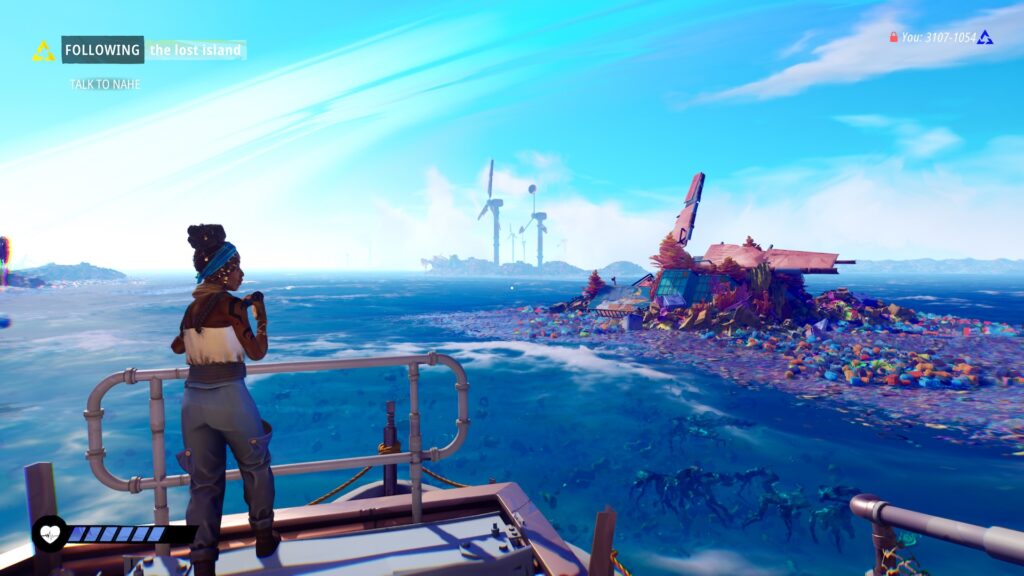
Tides of Tomorrow is a game about choices and consequences. You step into the role of a Tidewalker, more precisely, one of several Tidewalkers. A group of individuals bound together by prophecy and fate, living in a distant future where climate change and our reckless treatment of nature have, unfortunately, borne fruit. The world is submerged, humanity has dwindled to just a few hundred thousand people, and on top of that, all survivors suffer from a mysterious illness caused by microplastics. To put it bluntly, plastic has become so widespread and embedded in everyday products that those afflicted are literally beginning to turn into plastic themselves. From the very beginning, you take on the role of one of these Tidewalkers, because this is, above all else, a community-driven game. I have to say, this is the main selling point of the title and perhaps one of the best mechanics ever introduced in narrative-driven games.
At its core, Tides of Tomorrow is a narrative adventure. There are no weapons here, no direct combat with other characters. Your goal is to find a solution to the state this world has fallen into. As you progress, you’ll encounter various NPCs who serve as crucial elements of the story. Your relationship with them will shape the world, and, of course, the ending of your journey. Although the perspective is first-person, the gameplay revolves around navigating levels, creatively finding your path to each mission’s objective, and resolving conflicts and issues with the inhabitants of this world. You’ll spend a lot of time talking to other characters, listening to their concerns and problems, and trying to help. You’ll constantly balance relationships between different NPCs, always searching for a middle ground. While you won’t have the option to fight anyone, hopefully, it won’t even come to that; NPCs you upset won’t hesitate to chase you or even start shooting. When that happens, it’s up to you to run, to disappear from that part of the map, and continue your adventure elsewhere.
There are a few instances that resemble combat, especially when you’re in your boat before heading toward a main mission, but these segments feel more like old-school arcade sequences. Nothing too demanding, nothing that requires lightning-fast reflexes or intense focus, just a way to inject a bit of dynamism into Tides of Tomorrow, and it works, even if everything remains fairly relaxed.
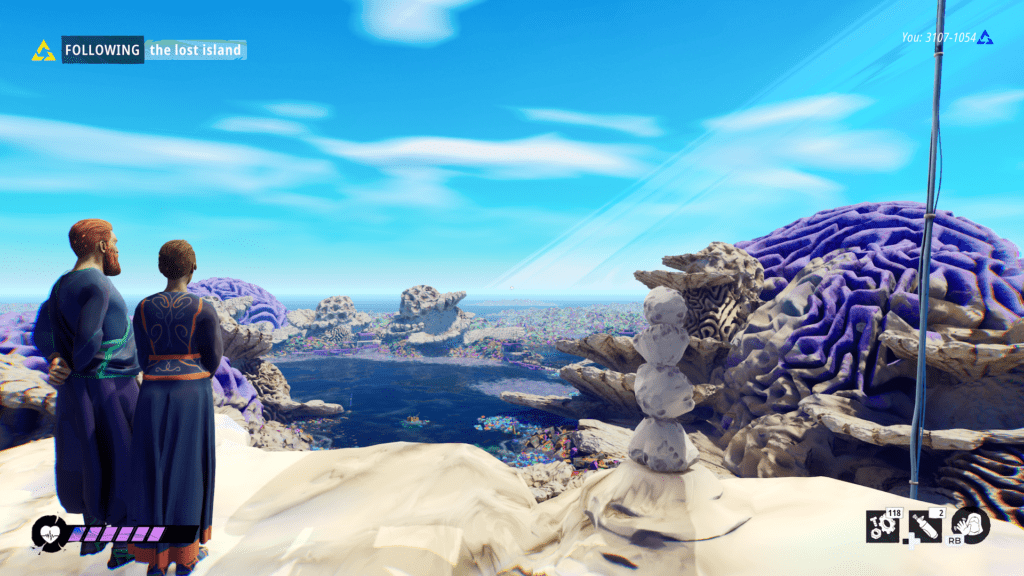
Right from the start, you’re given the choice of which player you want to follow. Not in the sense that they’ll physically be ahead of you, but more like “ghost cars” in racing games. You can see a “ghost” of that player and the decisions they made before you, their interactions with the world you are now part of, without being able to directly interact with them. When choosing someone to follow, you can see their playstyle. If they helped people, they’re labeled Pro-Mankind. If they caused trouble, they’re a Troublemaker. If they prioritized protecting the environment, they’re Pro-Nature. If they focused solely on their own survival, they’re a Survivalist. This aspect is extremely important because the way their decisions define their playstyle directly impacts your own playthrough. And in the end of every mission, you can see how your actions will influence the next Tidewalker that will come after you. But before I dive deeper into that, let me first talk about the NPCs.
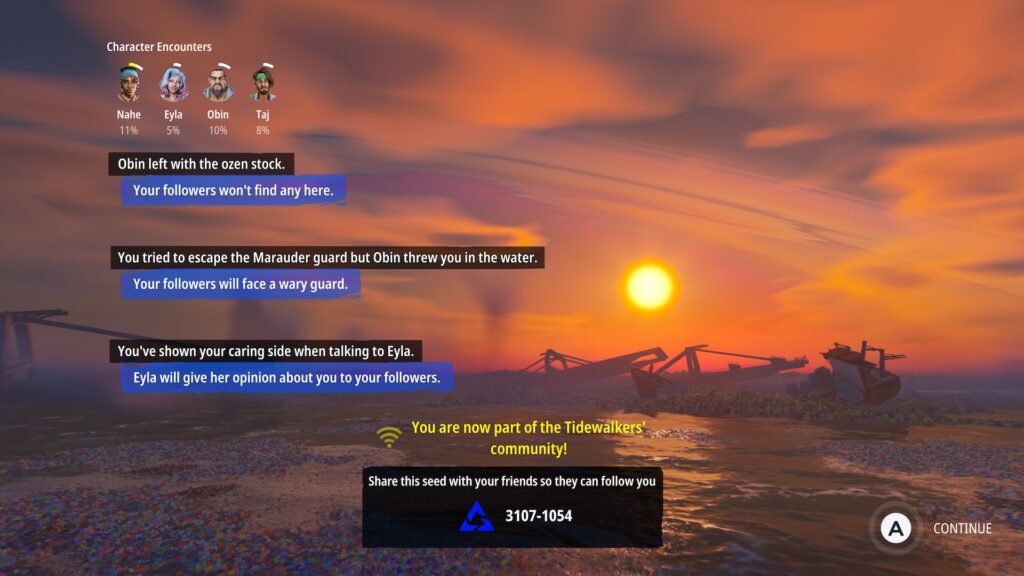
Since you are following in the footsteps of a Tidewalker who has already completed, or is completing, the game, all NPCs will remember them and what they did. Just as your decisions will influence those who choose to follow you later, the decisions of the player you follow shape your gameplay. And I don’t just mean, “Oh, they picked this, so now I’ll try something else to see if it’s different.” No, NPCs will genuinely remember that player, their choices, and how they handled problems. Moreover, their actions will shape the appearance of levels for future players.
For example, a level that might once have been bright, cheerful, and lively can now be in chaos because the person you followed, the one who visited before you, caused serious trouble. Maybe they deliberately tried to spark a rebellion and antagonise everyone, or perhaps they were careless, thoughtless, and didn’t consider the consequences. That means when you arrive, the level won’t be vibrant and welcoming, but gloomy, heavily guarded, with shortcuts blocked and additional obstacles that make progression harder. On the other hand, if you follow someone who did a lot of good on a particular island, everyone might greet you warmly, sometimes even mistaking you for that previous Tidewalker. They’ll celebrate you, and your entire group of players.
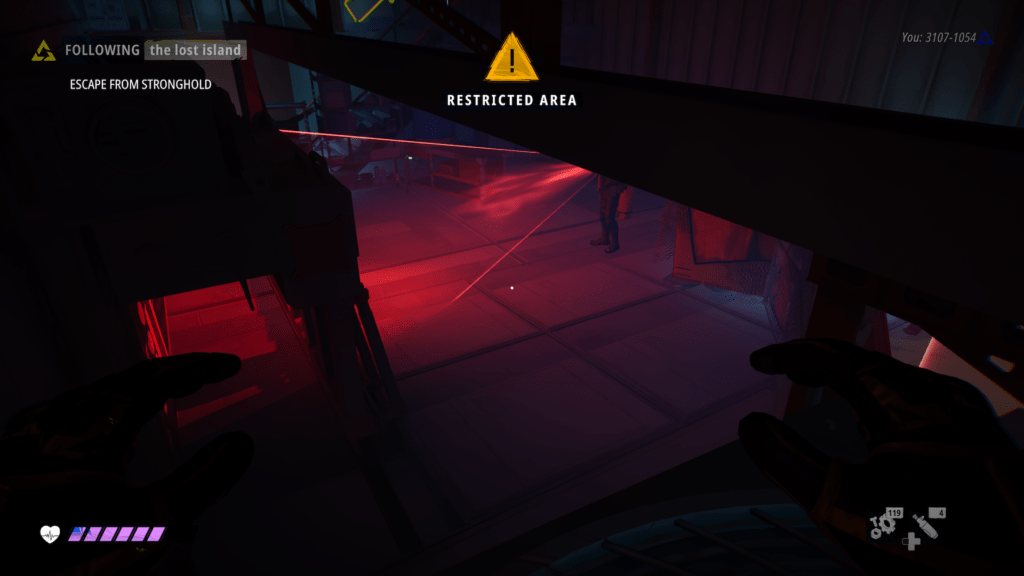
At that point, you must deal with all the challenges on the level. Just as the previous player’s decisions shaped your experience, your decisions will shape the experience of those who come after you. You can make their journey easier by repairing relationships, fixing what was broken, reopening shortcuts, and restoring what was lost. Generally speaking, it’s up to you to create a positive image of the Tidewalkers, if you’re the kind of player who cares about others and wants cooperation and harmony. But if you’re defiant, you can cause even greater chaos and make life much harder for those who follow.
After completing a task on one island, one level, you’ll always have the option to choose whom to follow next. You can stick with the same player or try someone new. That choice shapes your approach to every subsequent level. However, keep in mind that even if a player is considered “good,” oriented toward humanity, nature, and cooperation, that doesn’t mean all their decisions on a given level were the right ones, anyone can make mistakes. There were moments when I followed “good” players who hadn’t handled a particular island very well. The locals were wary of me, sceptical, and difficult to convince. Trust was hard-earned. But over time, they came to see that actions speak louder than words.
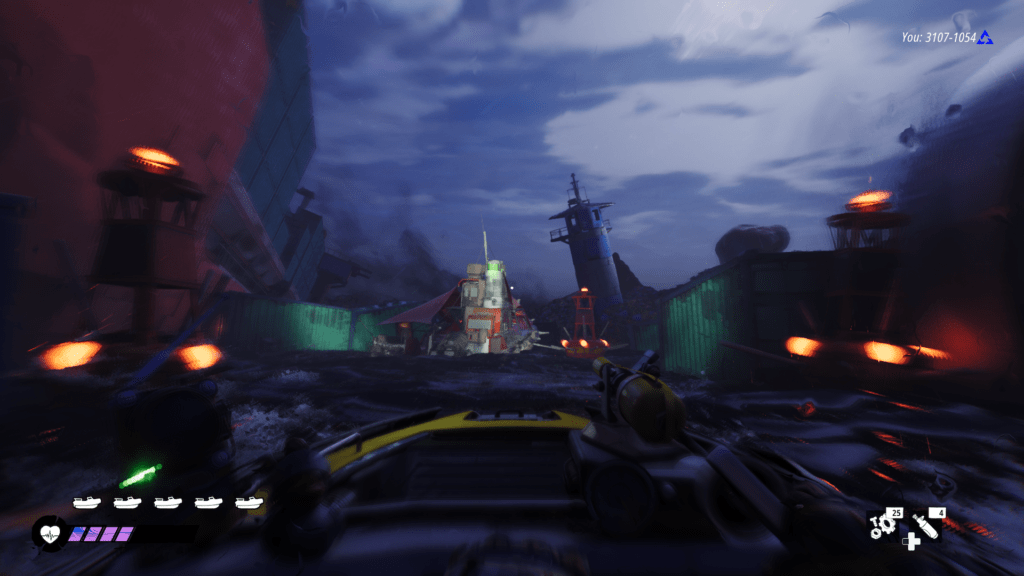
In another case, I decided to follow a player who was selfish and caused trouble, and I did, and I was met with an incredibly difficult experience where I had to improvise in every possible way just to survive. Because in this game, it’s not only about the decisions you make, but also about the time you have in this world and how long you can endure in it. Even in those tougher moments, when security on certain levels is heavier than usual and you have to quietly sneak past guards, you can see the actions of other players through the Story-Link system. As I mentioned earlier, NPCs remember that previous player’s actions, so if they once caught someone hiding under a table and they know another Tidewalker, in this case, you, is somewhere nearby, they’ll rush to that same spot first, checking whether, as a “community,” you’re about to make the same mistake twice.
For people to survive in the world of Tides of Tomorrow, they need to secure the key resource that enables survival: Ozen. At the beginning, you won’t have a single bottle of Ozen for yourself, you’ll need to find it, earn it. You can purchase it with the in-game currency, Scarps, or obtain it by completing missions. However, just because you have Ozen doesn’t mean it’s meant only for you. It’s up to you whether you want to share it with the other inhabitants of this world who desperately need it, or even with other Tidewalkers through the stashes you’ll discover as you progress.
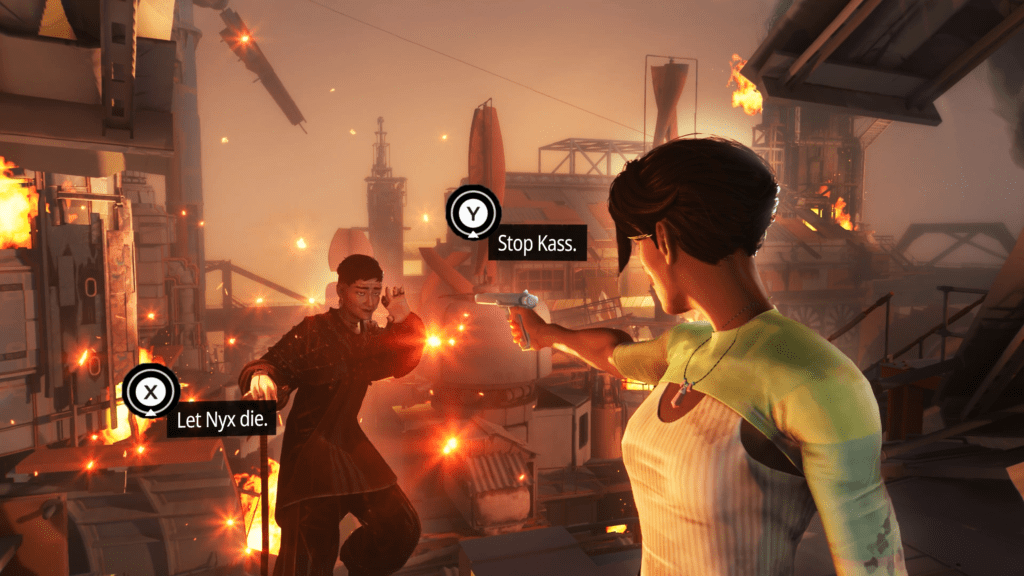
Ozen is invaluable, but your conscience constantly nudges you not to hoard it all, to share with others and keep only as much as you truly need to survive and finish the game. At least, that’s how I approached it, but of course, you may handle things differently and have entirely different motivations. And that’s the beauty of this title: every player, regardless of how someone before them acted, can shape the world according to their own choices, goals, and personal struggle within it.
The story does a beautiful and interactive job of showing how seemingly small decisions can affect the entire world around you. It reinforces the idea that your choices, whether good or bad, big or small, can directly impact other people, in this case, other players. This aspect is handled brilliantly, because in most games we’re used to consequences that we ourselves can eventually overcome. Tides of Tomorrow forces you to truly think before you act, because your decisions won’t just influence your own playthrough, but also the experience of every player who chooses to follow you, who chooses to walk in your footsteps and live with the outcomes of your actions.
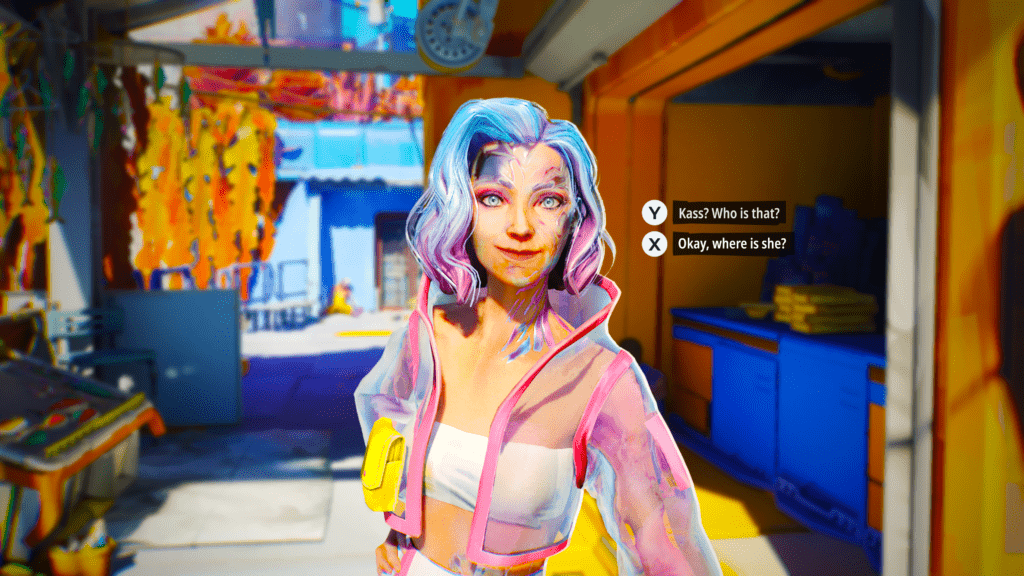
Given the kind of world we currently live in, it’s important to raise awareness in as many ways as possible about the environment and the state of our planet, and Tides of Tomorrow does this exceptionally well. At first glance, everything appears innocent, colorful, almost cheerful, people in this world are trying to enjoy life, even if it may end prematurely. But the game’s message is far darker beneath the surface, pushing you to question many things you do, both inside and outside the game. Considering that video games are now one of the most widespread entertainment mediums, it’s refreshing to see development teams using them to spark awareness. What we do in our lifetime affects those who come after us, and DigixArt, through Tides of Tomorrow, perfectly translates that feeling and those dilemmas, ones you may not have considered, or perhaps never paid attention to in real life.
This is a light, colorful game that deals with heavy themes. For its visual direction, DigixArt chose something they call “plasticpunk.” So while everything may look vibrant and lively, it’s still unmistakably plastic, yet there’s a strange beauty in it. My issue isn’t with how the game looks, because the world the team created can truly look stunning at times. One of my few criticisms, however, is the noticeable reuse of similar NPC models in key locations, which occasionally caused minor confusion for me.
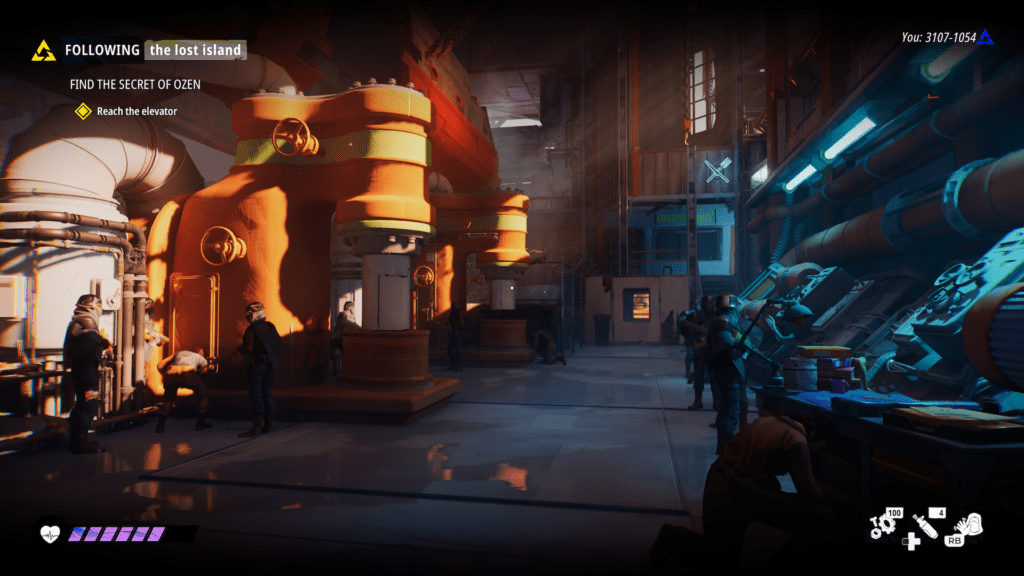
For example, during one mission I had to infiltrate a base, and the guards demanded a bribe if I wanted entry. At that moment, I didn’t have any Scarps left, I had been careless on the previous level, got caught, and lost all my supplies. So I found another way in, sneaking through ventilation shafts. Once inside, just a few feet away from me sat an NPC who looked identical to the one at the gate, calling me over as if he had something to say. I panicked, thinking it was the same guard who had spotted me and was about to throw me out, effectively ending my mission. Only later, while exploring that part of the map, did I realise it was the exact same NPC model reused in two different roles, one crucial to the story, the other simply there for dialogue. On one hand, this bothered me, as it happened more than once. On the other hand, I understand. This isn’t a triple-A title, nor does it try to be. DigixArt is a relatively small team, and I imagine the budget didn’t allow for massive character variety. That’s understandable, especially considering the sheer number of NPCs present on some levels, which is commendable in itself.
We would like to thank THQ Nordic for providing us with a copy of the game for review purposes.
Tides of Tomorrow (Xbox Series X)
Tides of Tomorrow isn’t a game that will impress players looking for explosive action or spectacle. Above all, it’s a narrative adventure, an experience that, honestly, I believe everyone should go through. DigixArt has managed, in a brilliant, interactive, engaging, and mysterious way, to show players of all ages that every action carries consequences they must accept, whether good or bad. Tides of Tomorrow isn’t just a story about a possible distant future, it’s also, if I may put it that way, a small life lesson. Whatever you do has consequences for the world you live in, and most importantly, for the people around you. And beyond its strong narrative and excellent community-driven mechanics, the game teaches you something about life outside of video games, and that alone deserves high praise.
