
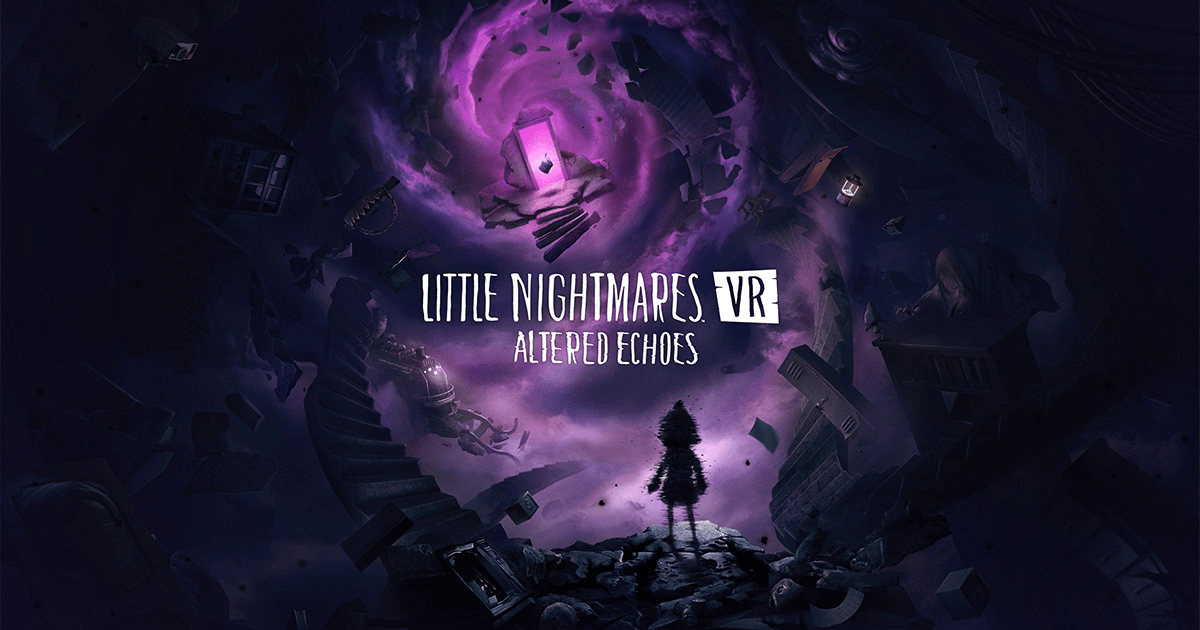

Over the past few years, you’ve probably had the chance to try at least one game from the Little Nightmares series. If you have, or if you’ve played them all, you’ve always experienced that world from a safe distance. Like an outside observer, you watched its miniature tragedies unfold through the glass of your monitor. That distance offered a strange, invisible comfort, a clear barrier that kept the world of Little Nightmares from spilling into your own.
VR brutally tears down that barrier. It transforms you from an observer into a direct participant in the nightmare. You’re no longer watching someone else struggle to survive, you’re the one whose shoulders tense as a monstrous shadow passes overhead. The moment you put on the headset, that once-flat image becomes a tangible space surrounding you, where horror isn’t measured in pixels but in your own vulnerability. The shift to virtual reality isn’t just a change in perspective, it’s the erasure of the line between witnessing fear and experiencing it.
TANGIBLE DARKNESS IN VR
Little Nightmares VR: Altered Echoes is a dark, atmospheric puzzle-adventure in which you take on the role of Dark Six, a mysterious, small, girl-like figure. You move through a disturbing world, solve puzzles, and flee from towering, grotesque enemies in a desperate search to become whole again. This VR chapter comes from the French studio Iconik, known for its VR-focused projects, alongside publisher Bandai Namco, who previously released the standard entries in the franchise.
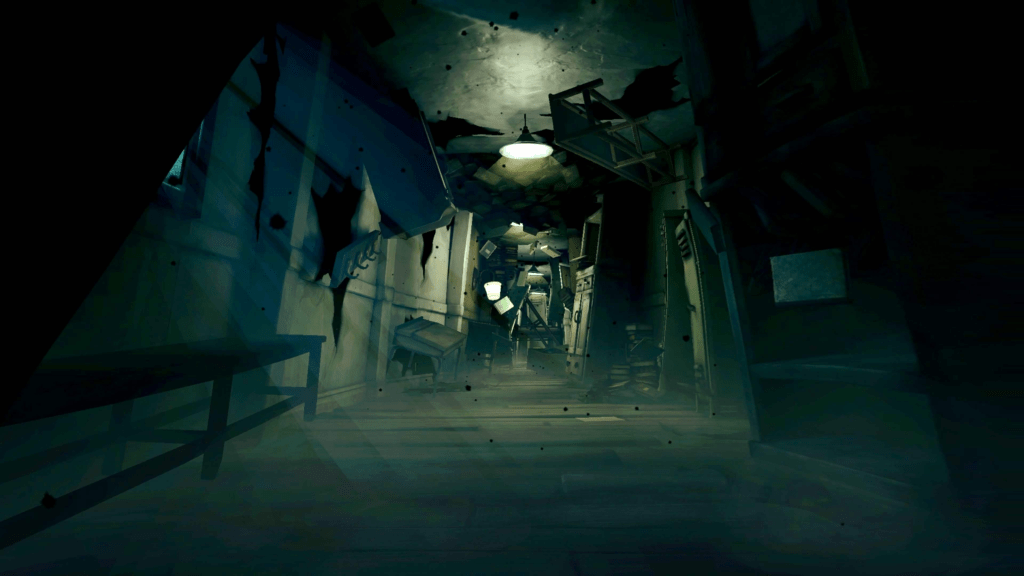
The first thing fans will notice is the change in perspective. In Altered Echoes, you control Dark Six from a first-person viewpoint. As is often the case with VR, the moment you find yourself inside her worn cloak, the sense of presence hits immediately. In previous games, you knew the corridors were massive—but only in VR does that scale become truly terrifying. Ordinary door handles now sit far above your eye level, and every step on rotten wooden planks echoes with a depth that ordinary speakers can barely replicate.
The atmosphere here isn’t just an aesthetic choice—it’s palpable. Even the air feels thick, filled with dust particles dancing in stray beams of light. It’s one thing to witness the nightmare of these rooms; it’s another to physically turn your head and see what’s chasing you. I have to admit, chills ran down my spine more than once. Some of the monsters roaming these halls are genuinely horrifying.
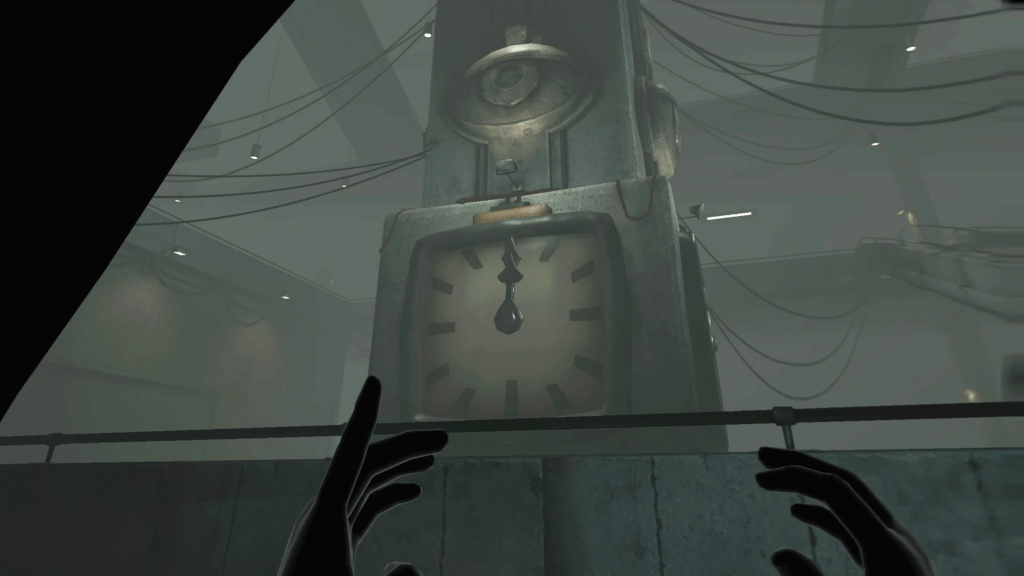
One detail you’ll notice immediately is the visible hood. At first, I found it distracting and slightly unnatural. Over time, though, I stopped paying attention to it, even though it constantly occupies part of your field of vision. It may not be the most elegant solution, but I can’t say it truly bothered me. Presumably, it serves as an added immersion tool to make you feel like you really are Dark Six—though, personally, it didn’t quite achieve that effect.
SOUND AS AN ENEMY, DARKNESS AS AN ALLY
The VR version of Altered Echoes completely changes how you interact with the world. What once required a button press is now a physical act. Instead of holding a key to hide, you must actually crouch in your real room, hunch your shoulders, and hold your breath as the deformed, massive legs of creatures pass by.
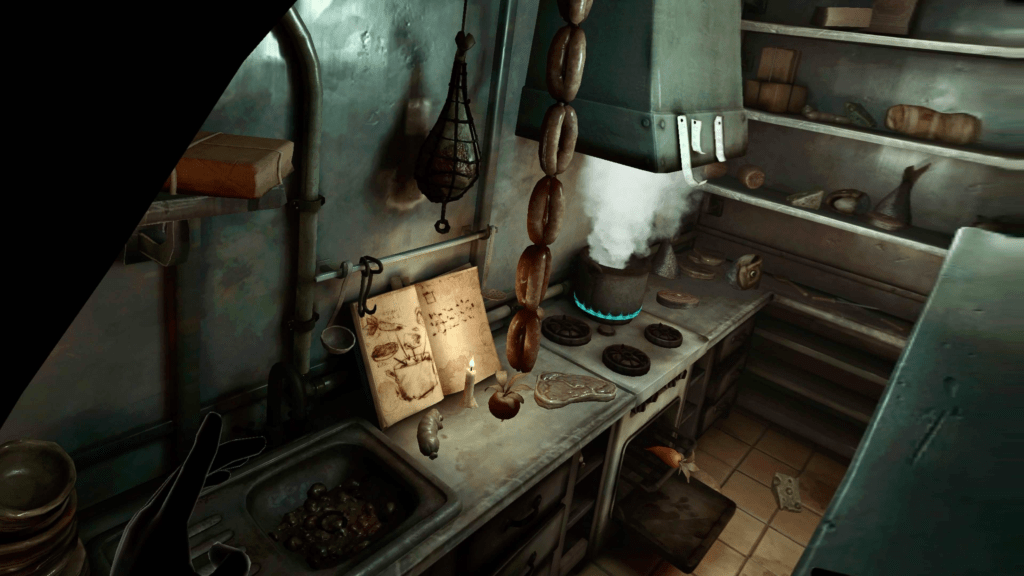
Environmental interaction is solid, though somewhat inconsistent. Some objects are purely decorative, while others are fully physical and responsive. Levers, heavy cables, and mechanical connectors carry convincing virtual weight, especially when you’re scrambling to solve puzzles while hearing heavy footsteps drawing closer. This creates a level of panic that simply can’t be replicated on a traditional screen.
The puzzles are spatial in a true sense, though not overly difficult. You’re no longer just moving objects to clear obstacles—you physically lean over ledges, rotate items in your hands to find hidden mechanisms, and glance around your real-world space to spot clues tucked away at the edge of your vision. Every controller movement carries weight. One careless swing of your hand can put you in danger, and in a world where sound is one of your greatest enemies, even a small noise can mean the difference between a narrow escape and a terrifying Game Over screen that quite literally drags you into darkness.
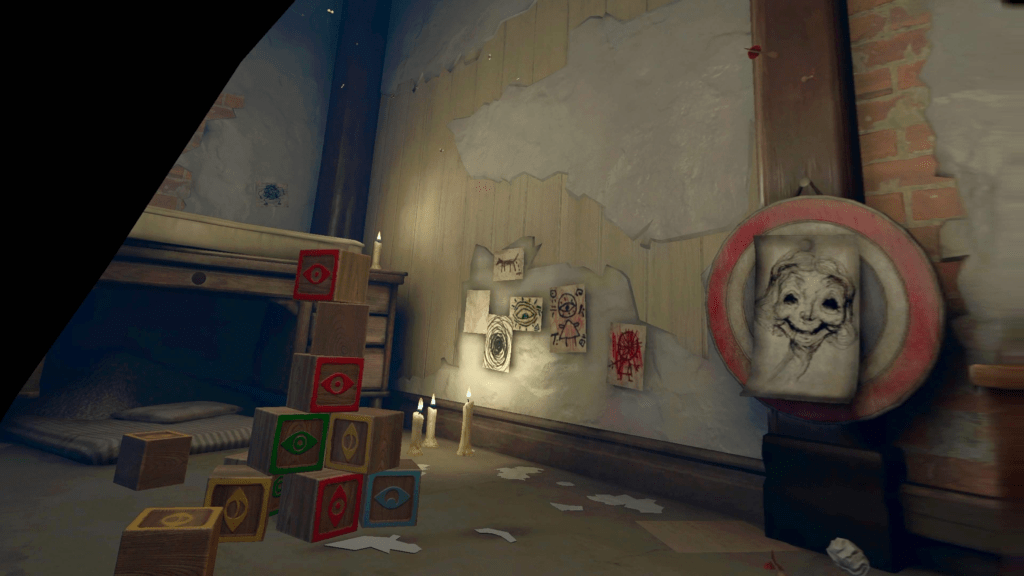
Sound truly is your enemy. In certain sections, broken glass litters the floor, and stepping on it immediately draws the attention of the relentless creatures inhabiting the house. At the same time, darkness becomes your ally—oddly enough, even your guiding light in this world. It offers fleeting moments of shelter, brief sanctuaries where you can feel, if only for a second, relatively safe.
A WORDLESS MYSTERY
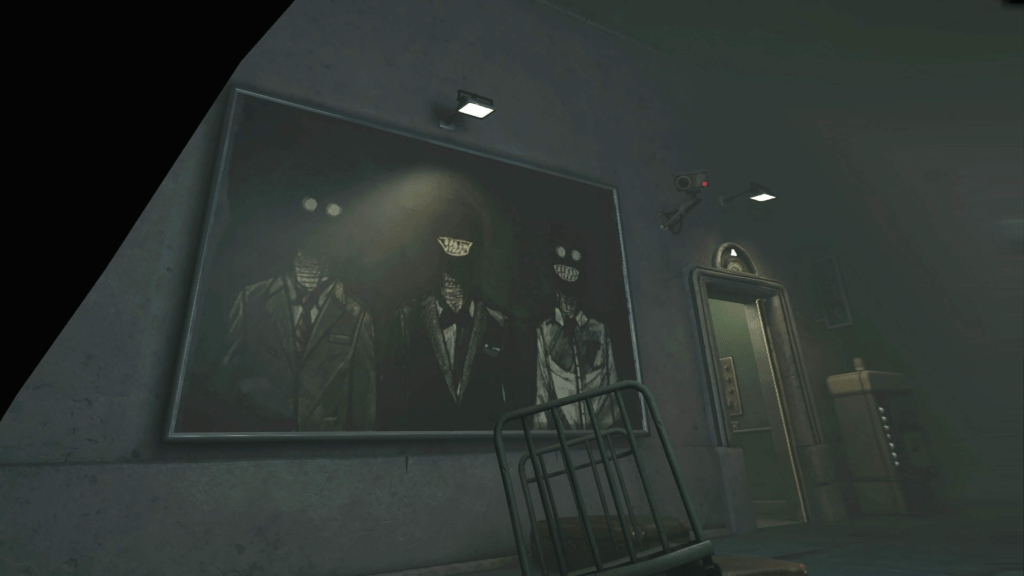
Little Nightmares games are known for their mysterious nature. When it comes to storytelling, they rarely hold your hand, and environmental narration remains the central pillar of this VR iteration. Level design, grotesque figures, and heavy symbolism are all elements the player must interpret independently. In this series, you are a kind of virtual detective, and the narrative gaps are not accidental—they are deliberate stylistic choices meant to provoke thought while simultaneously stirring discomfort and curiosity.
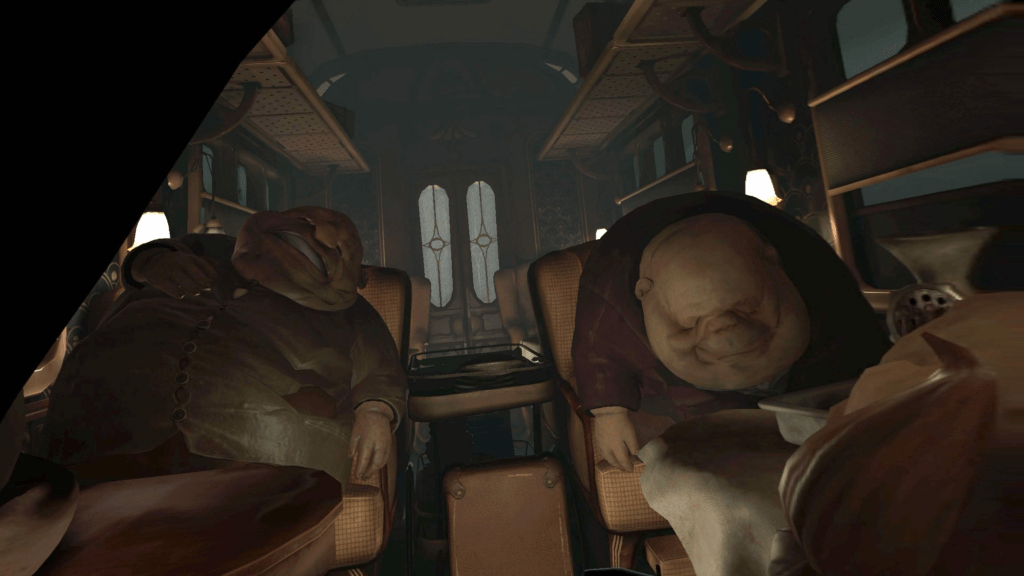
One of the biggest questions Altered Echoes raises is not only where we are, but who we truly are as we walk through this nightmare. Playing as Dark Six, you are no longer just a fragile child in a yellow raincoat trying to survive—you are the manifestation of something deeper, darker, and far more mysterious. VR allows you to feel that transformation firsthand. The first-person perspective, combined with a genuine sense of depth and presence, amplifies the series’ unease to an entirely new level.
As always in this franchise, the story is not told through words but through the brutal honesty of the environment. In virtual reality, however, those details become personal. When you discover a drawing in a dark corner hinting at certain events, it is no longer just “lore” observed on a screen—it is a clue you uncovered yourself, leaning in close while your heartbeat pounds in your ears. The game masterfully balances answering lingering questions about the Transmission while introducing entirely new layers of dread, leaving you to wonder whether you are the hero of your own story—or merely another victim in this unforgiving nightmare world.
THE EVOLUTION OF A NIGHTMARISH FRANCHISE
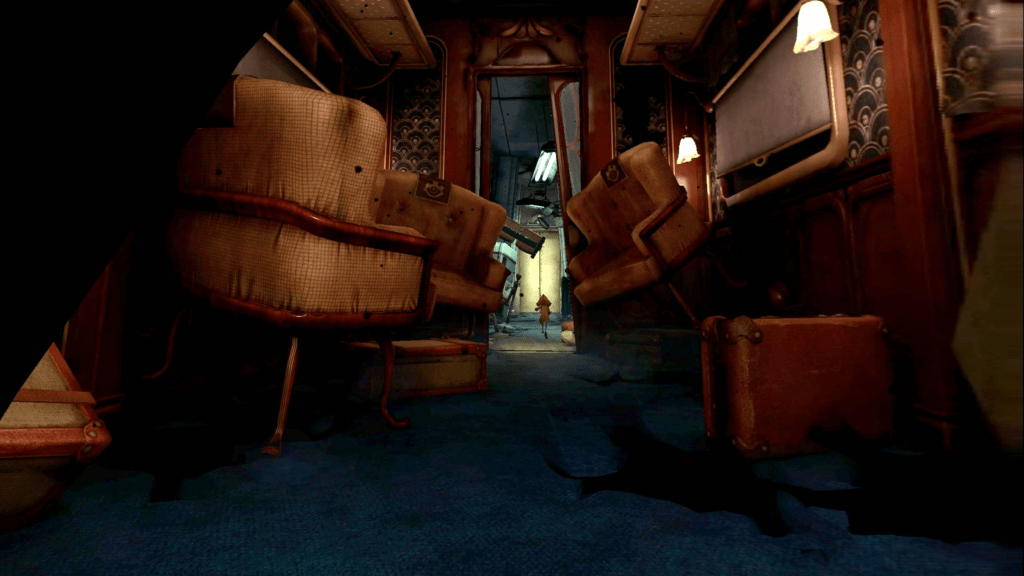
Technically, Little Nightmares VR: Altered Echoes performed excellently in the PCVR version I had access to. The visuals are smooth and polished, though not overwhelmingly detailed—but that restraint fits perfectly with the series’ established aesthetic. As mentioned earlier, the VR interactions are solid. They are not revolutionary nor at the very top tier compared to titles that perfect the formula, but within the scope of what this game aims to achieve, there is little to complain about. Hiding, climbing, escaping, and puzzle-solving are the core experiences you should expect here.
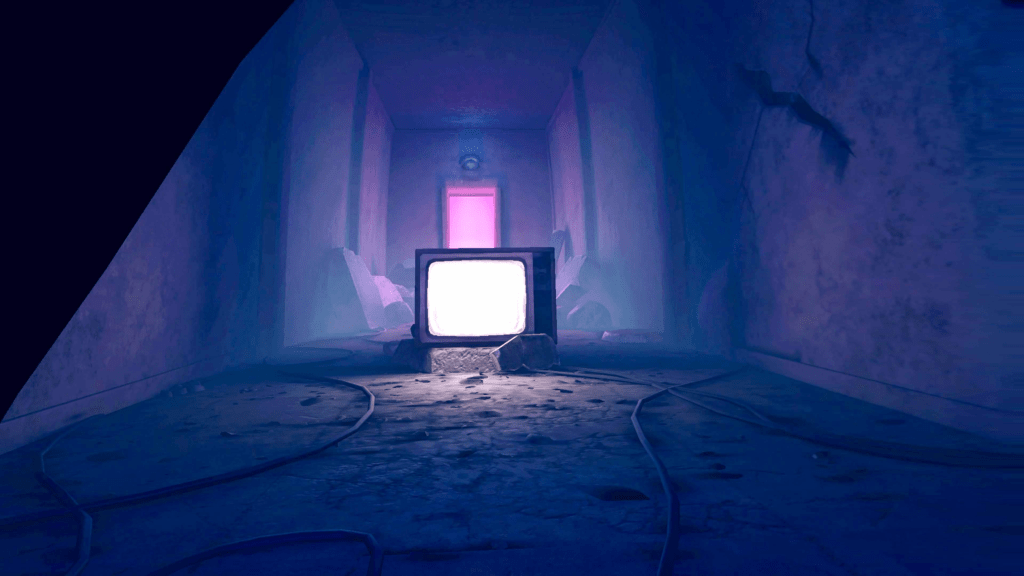
Some moments from this experience will stay with you long after you remove the headset. I am certain the spine-chilling sequences will linger in your thoughts for quite some time. While Altered Echoes is not flawless, it achieves that rare sense of true presence. For fans of the series, this is likely essential playing, and for horror and immersion enthusiasts alike, it absolutely deserves a spot on your future must-play list. Personally, experiencing this world in VR fundamentally changed my perspective on how it functions—the protective barrier we once had while watching characters through a screen is gone. Altered Echoes delivers a deep and personal descent into a nightmare you should not miss.
We would like to thank Bandai Namco Europe for providing us with a copy of the game for review purposes.
Little Nightmares VR: Altered Echoes (PC-SteamVR)
In the end, Little Nightmares VR: Altered Echoes is yet another reminder that nightmares work best when you are forced physically closer to them—something only VR can truly accomplish. This transition into virtual reality is not a side project or mere experiment; it feels like a natural evolution of a franchise that has long sought a more intimate way to deliver the discomfort of its twisted world. The game retains its signature silence and refuses to reveal all its secrets, and it is precisely within that darkness that its greatest strength lies.
