





At this year’s Gamescom, we were once again guests of Bloober Team, just like last year. This time, we saw two games: SAW: Genesis and Chronos Lazarus. In this article, we’ll focus on the former, a thoroughly pleasant surprise. To be honest, I had no idea what to expect from this game because planning for the trip and scheduling appointments prior to Gamescom, completely isolated me from news regarding this game, other than the fact that Bloober Team was working on it. I didn’t know if it was a single-player experience or some kind of multiplayer game. So, I walked into the hands-on session completely blind, and walked out feeling pretty exhilarated.

SAW: Genesis is an asymmetrical multiplayer title. You likely know the premise of the genre: you have one killer and several people trying to escape a specific location. I have to admit, the moment I saw it was a multiplayer title, I was skeptical. I know how many studios have attempted this formula, and how many have failed compared to those who succeeded. Almost all of those games boiled down to the exact same trope: one virtually unkillable villain and a group of seemingly helpless players who must figure out a way to escape with their lives.
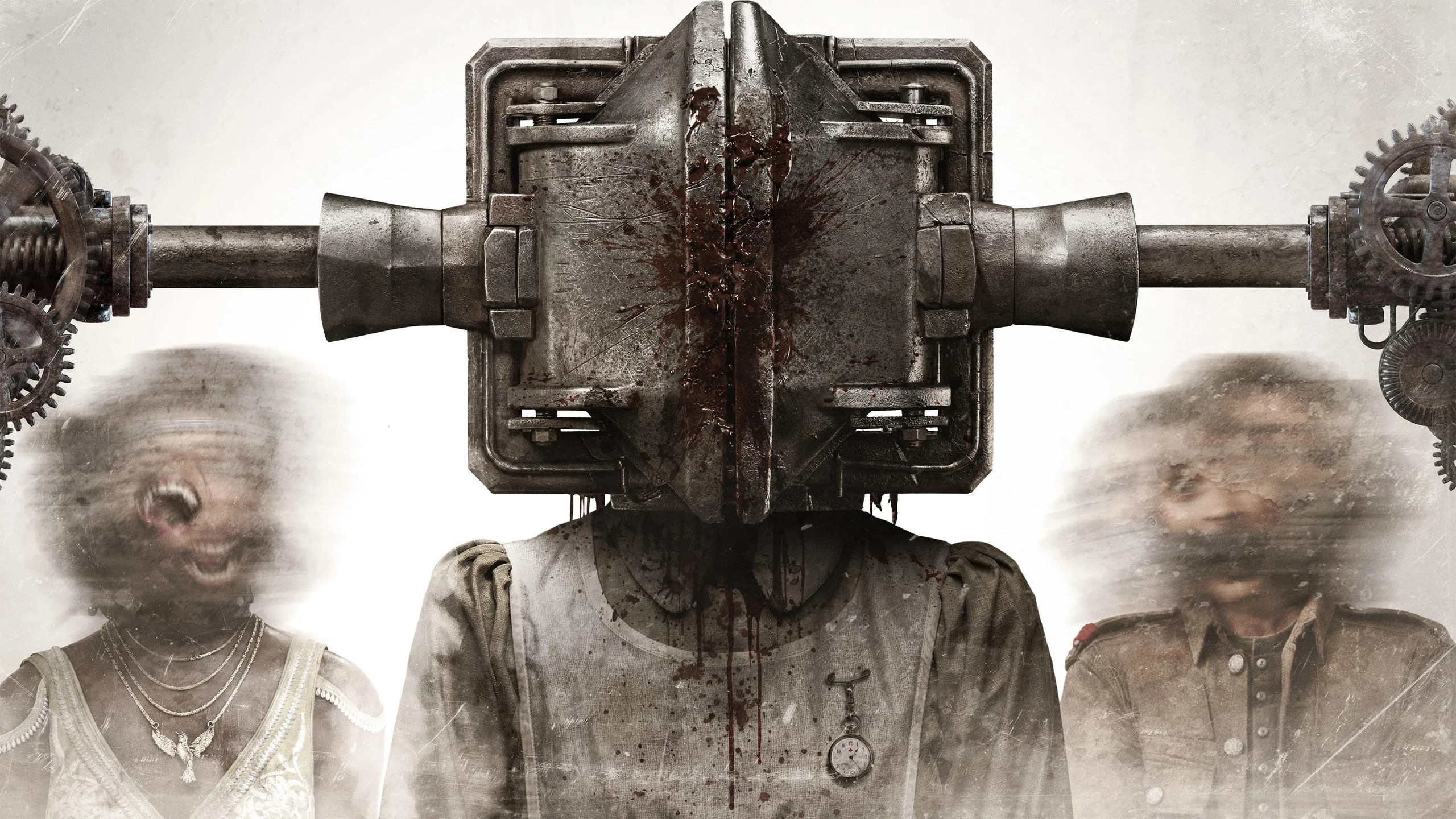
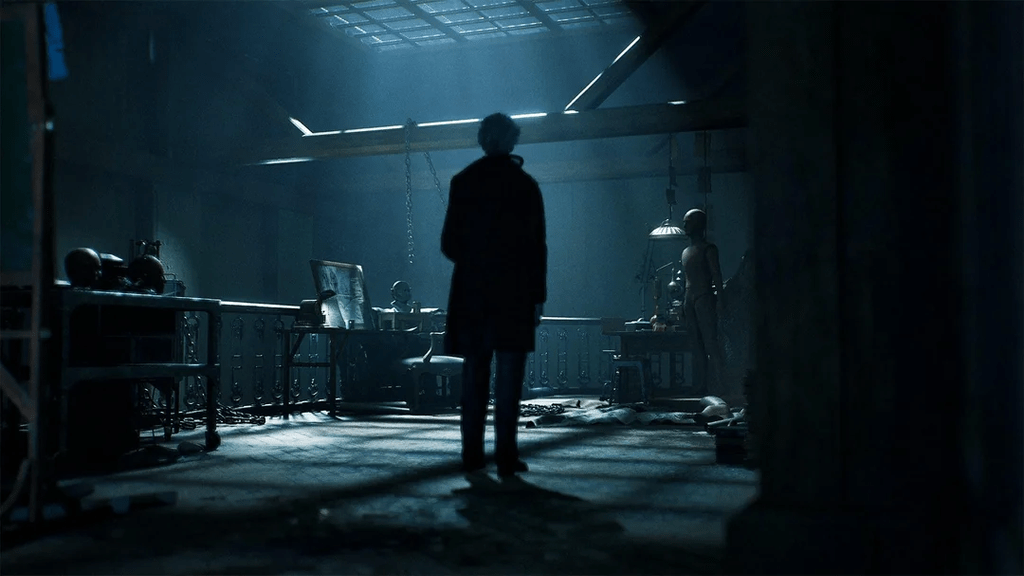
Before I dive into the differences, what I loved, and what looks promising in this title, I must first mention the game’s setting. It takes place 100 years before the events of the films. Given all the asymmetrical games out there, the SAW franchise somehow has the greatest potential to channel everything we saw in those brutally gory movies into a game format. Best of all, it genuinely works brilliantly. We all know the premise of the films, except for those who perhaps, if they even exist, haven’t seen them. A person is locked in a room or complex and has to find a way out. That almost always involves self-harm or simply sacrificing others to ensure your own survival. A bit brutal, right? Well, yes, and that is the core appeal of the franchise, which translates exceptionally well into the game. As I mentioned, it’s set a century before the films, prior to World War I. John Kramer isn’t Jigsaw yet. Instead, we have the Judge, a precursor to the infamous antagonist and quite possibly the originator of the philosophy Kramer pushes in the films, the philosophy that would eventually become the franchise’s trademark. Because of this era, the game’s aesthetic looks different from what you’d expect in a modern SAW title. Instead of the fancy, intricate machines from the movies, the traps look far more primitive, mechanical, and somewhat cruder, full of heavy metal, pipes, and various improvised contraptions. Yet, the most important element remains unchanged: every problem put in front of you demands a price.
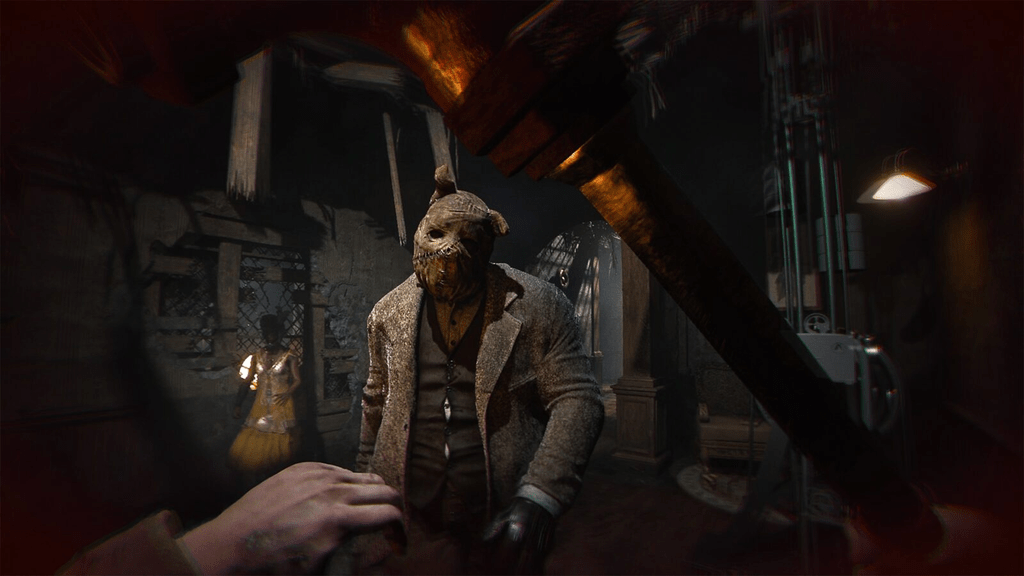
A match consists of one Judge and three people, accused, trying to escape the hellhole they’ve found themselves in. The Judge is essentially the mastermind of the entire scenario. Even though we couldn’t play as him during the Gamescom demo, we figured out his underlying goal. The Judge orchestrates everything happening on the map. He places smaller traps, skulks behind walls, and tries to sow discord and separate the players, because if he manages to isolate them, he practically wins. Fear is his weapon, manipulating everything that unfolds during the match. On the flip side, the Judge is not invincible like the killers in other games of this genre. Players can actually kill him because he is just an ordinary man. Because of this, the Judge has to move carefully across the map as well. He has an arsenal of contraptions and traps at his disposal, along with the ability to summon a massive, I’m not even sure how to classify it, monstrosity that can hunt the players, though he cannot control it directly. The monstrosity is stronger than all the players combined, but its purpose isn’t outright murder, it exists to herd the players into rooms where the traps can do their work, and, of course, to separate them.
On the other side are the players, referred to as the Accused. Every character has specific attributes that might help in solving puzzles. What caught my eye while playing my assigned character was that she chain-smokes cigarettes, meaning toxic gas doesn’t affect her as severely as the others. Highly intriguing. Even better is that they all have their own weird quirks and tricks to aid their survival. But the core objective is sticking together, because if you fail to do that, your chances of surviving are incredibly slim.
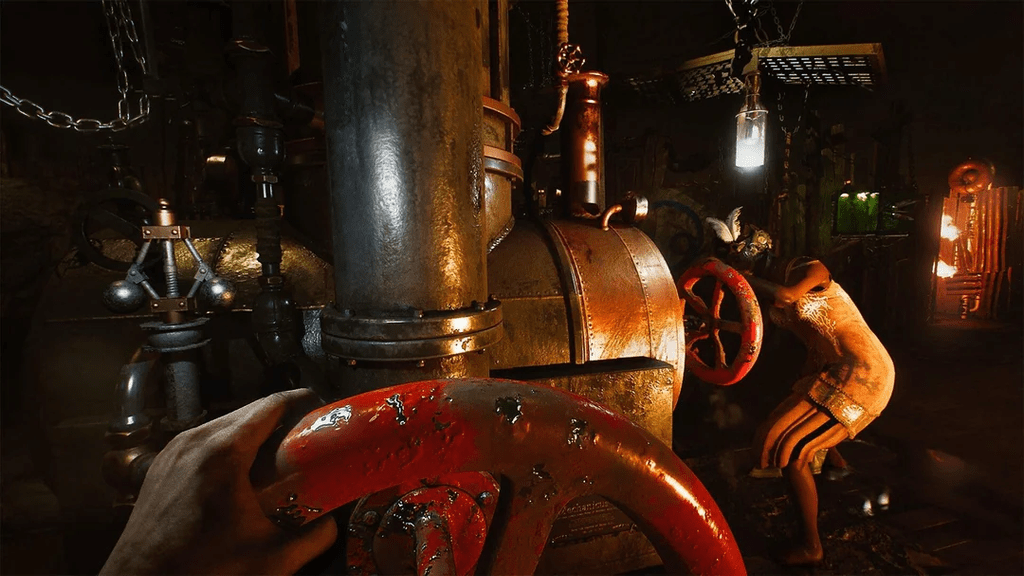
The catch is that sacrifice plays the primary role in this game. Not sacrificing a player entirely, but sacrificing parts of their bodies, their health, and so on. For instance, if you want to retrieve an item from a trap, you have to inflict self-harm. If you want to take a shortcut to reach a location faster, you have to crawl through barbed wire. Throughout the game, there are a million things like this designed to make your progression harder while forcing you to think critically. Before you decide to mess with a trap, it will show you exactly how much of your health bar it will drain, allowing you to “budget” how many injuries you can afford to take. Simultaneously, you can find healing items on the map, as well as weapons to defend yourself or even attempt to kill the Judge. Because when he is removed from the equation, navigating the map at least feels easier, there are no more tricks, and no monstrosity hunting you down.
An interesting wrinkle is that you also have to manage your sanity meter. If you lose your mind in the game, you’ll start hallucinating. For example, if you stumble into a room filled with hallucinogens, you will see non-existent enemies. But because your character believes they are real, those phantoms can actually hurt or even kill you. The character’s mind makes the “injuries” from fake enemies a deadly reality.
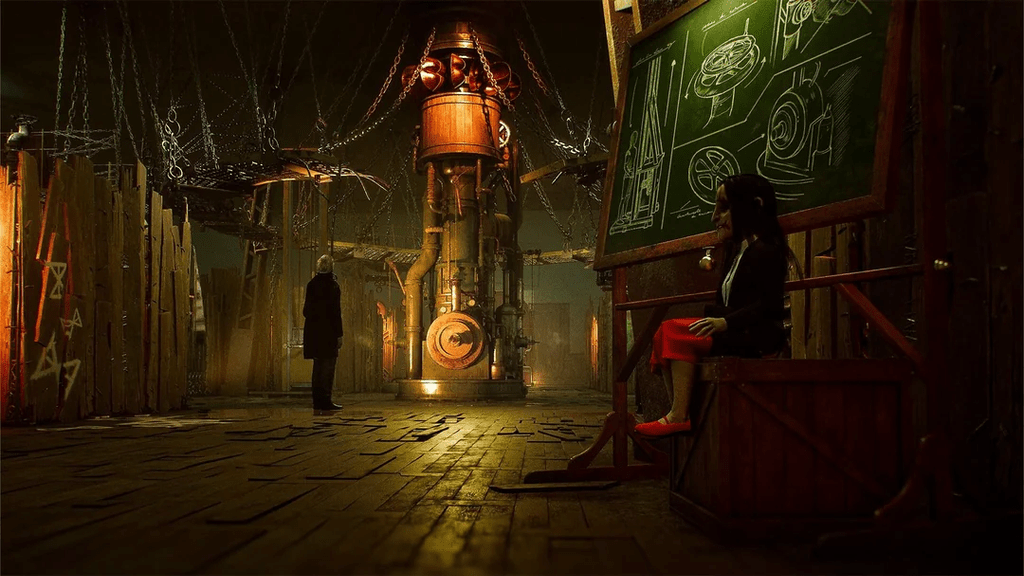
At Gamescom, I played two matches with colleagues from other outlets. The first one was absolute chaos; we had zero chance of winning because we didn’t communicate and had no idea what we were supposed to do. In the second match, we started talking, planning, and sticking together, which is crucial, coordinating who would take a hit and injure themselves to solve a specific puzzle. That dynamic between players was fantastic. The “escape room” feel truly shines when you communicate with your friends (or colleagues, in this case). And on top of all that, you constantly have to watch out for the Judge and his abominations.
The puzzles were cool and naturally involved hunting for specific items across the map. However, traversal means a higher risk of the Judge separating, catching, and trapping you. If that happens, your only options are to scream for someone to come help you, or simply accept your grisly end. The overall dynamic of the game is just phenomenal. This isn’t primarily a combat-based game; it’s an experience where you have to use your brain and cooperate to break free from this cursed place.
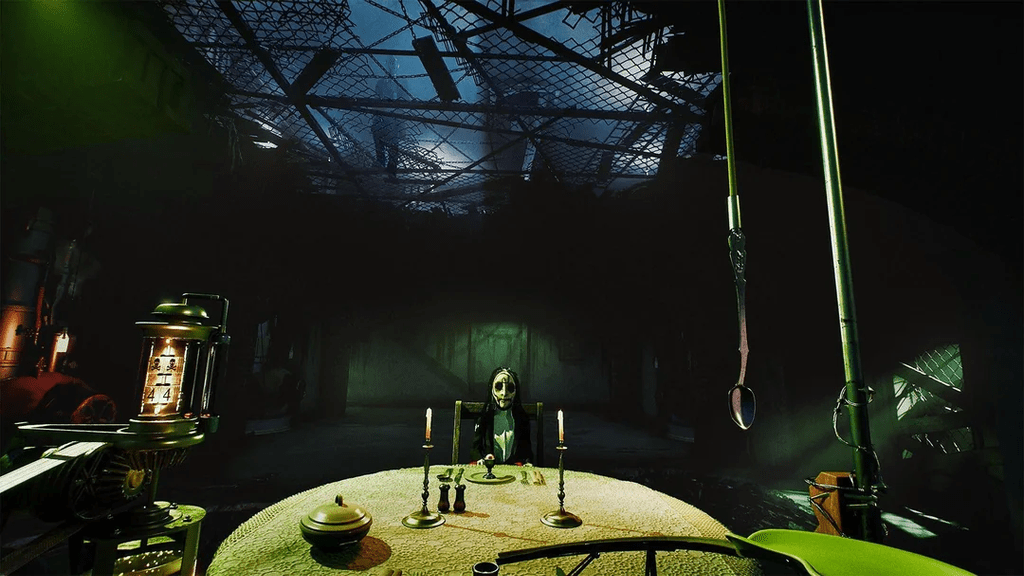
After playing the demo, it makes complete sense why Bloober Team is at the helm of this project. Considering their portfolio over the last decade, I think this is a match made in heaven. Best of all, Bloober has masterfully translated that overwhelming feeling of helplessness and fear into the game, that unique realisation that you have no other choice but to sacrifice yourself, or parts of yourself, just to survive. Everything that kept you glued to the TV screen during the movies is right here, but even better, because you are now part of that horror and suffering. It’s up to you to survive by any means necessary, hopefully with as many body parts attached as possible.
SAW: Genesis doesn’t have a concrete release date yet, but I sincerely hope it launches sometime next year. Amidst all the existing asymmetrical multiplayer games recycling the exact same mechanics and tropes, Bloober Team is bravely doing something different and intriguing, and I have no doubt they will pull it off.


