




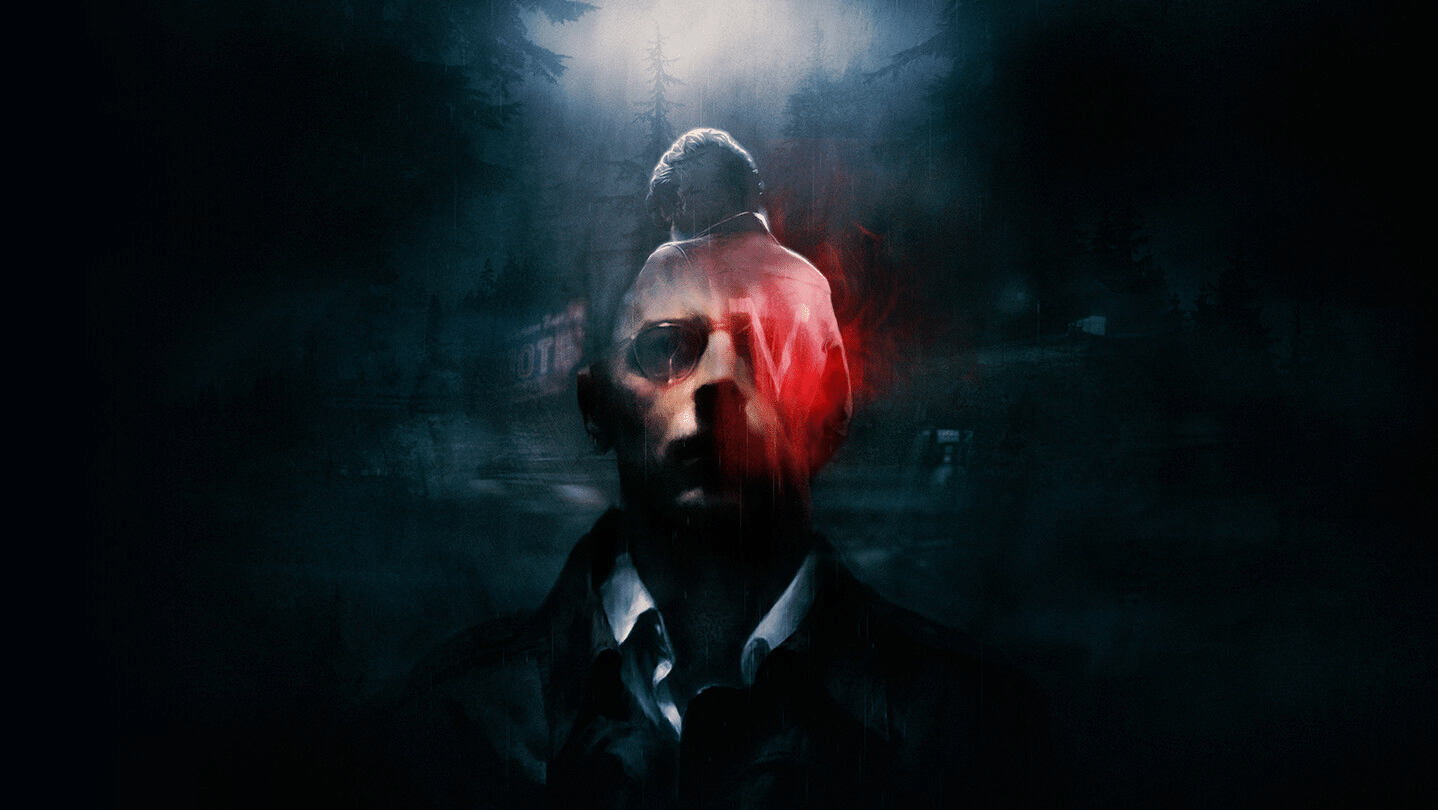


Earlier this year, I wrote about how incredibly spoiled for choice Metroidvania fans have been over the past few years, and there is clearly no sign of that momentum slowing down anytime soon. Emerging from that massive ocean of fierce competition, Wych Elm studio decided to shake up the formula and deliver something a little different. It perhaps comes as no surprise that they leaned into horror. Historically, horror is a genre that has always been highly receptive to the core design elements that make a Metroidvania work—only, instead of double jumps, wall-bounces, dashes, and similar acrobatic abilities, you were usually hunting for ways to unlock specific doors, bypass lethal traps, or scavenge a weapon capable of putting down some terrifying monstrosity. That brings us to Silver Pines, a title that might be best described as a classic survival horror experience seamlessly retrofitted into a 2D Metroidvania framework.

The game puts you in the worn-out shoes of private detective Red Walker, tasked with tracking down Eddie Velvet, a musician last seen in the rural, isolated town of Silver Pines. Just as his investigation is about to kick off, the town is evacuated due to the storm of the decade flooding the surrounding area, and various grotesque creatures begin crawling out of the darkness. What awaits Walker is a harrowing night filled with bizarre occurrences, hallucinations, sheer suffering, and a desperate fight for pure survival. Along the way, he will uncover the truth about Eddie, the dark events that plagued the town upon his arrival, and ultimately, about himself.
Silver Pines proudly wears its inspirations right on its sleeve. Visually and narratively, it leans heavily on the absolute titans of mystery and horror—namely Twin Peaks and Silent Hill—and on general Lynchian motifs. The atmosphere is undeniably dark and surreal; the handful of characters you actually encounter speak in a disjointed, off-kilter manner, leaving you constantly second-guessing what is real and what is a mere illusion. The narrative maintains this highly cryptic trajectory right up to the credits, which will undoubtedly frustrate some players, while fans of this specific brand of dreamy, psychological horror will absolutely drown in the atmosphere and love every second of it. The overall vibe is perfectly tied together by a haunting blend of jazz and synth music, frequently echoing from radios and jukeboxes inside empty, melancholic diners or abandoned apartments and convenience stores.
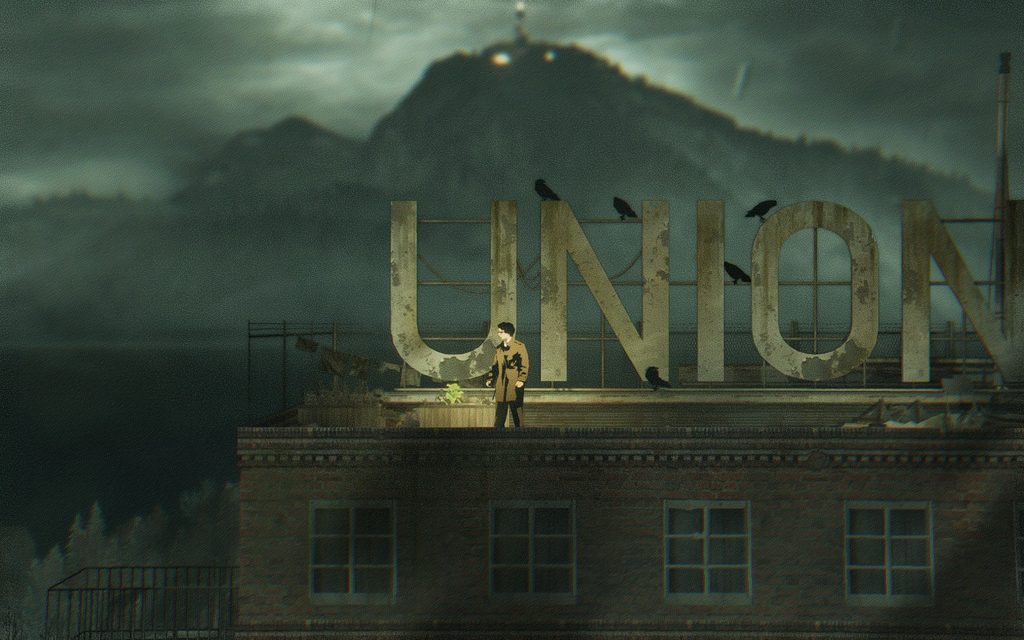
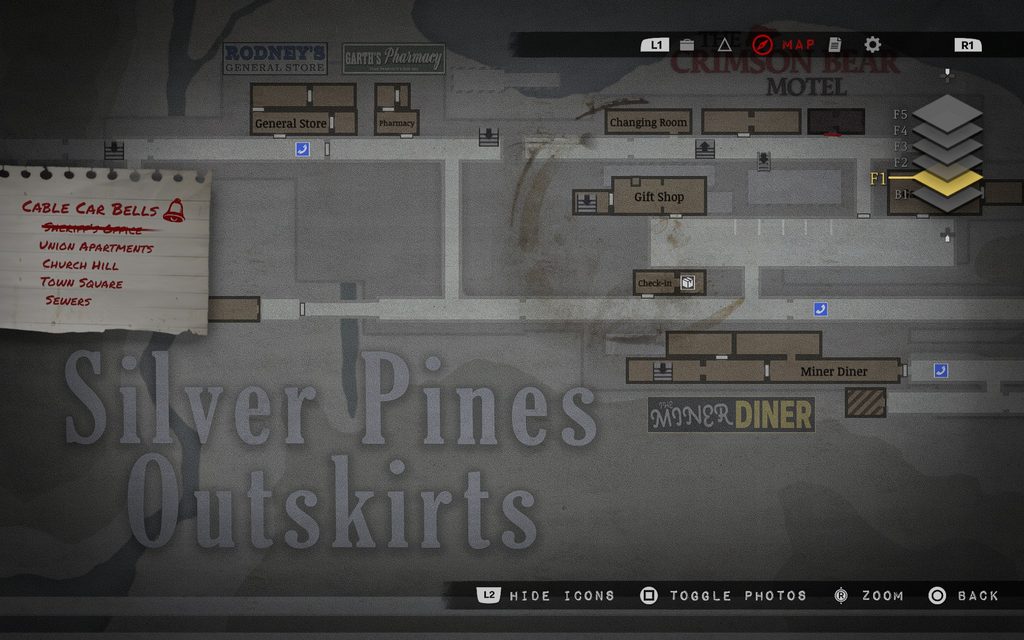
At first glance, the map doesn’t seem particularly massive, but then again, Walker isn’t exactly the agile superhuman protagonist you typically expect in these types of games, effortlessly dashing across the map and vaulting over massive gaps. He walks slowly, his sprint is barely a jog, he is an absolutely atrocious swimmer, and his jumping and vertical mobility are heavily restricted. All of this is a deliberate design choice to ensure Walker moves as realistically as possible, an effect brilliantly achieved through rotoscoped animation.
In keeping with that realism, and adhering to established survival horror conventions, the combat is incredibly slow and methodical. It’s not without a slight dose of “jank,” especially during boss encounters, though that deliberate clunkiness has long been a staple feature of the horror genre, as it genuinely amplifies the tension and sense of helplessness. Your attacks and dodges are heavily tethered to a very restrictive stamina bar, meaning every single confrontation demands calculated moves and smart positioning far more than twitch reflexes. Strict resource management is absolutely vital, particularly when facing multiple enemies; a melee approach is rarely a good idea in crowd-control situations because the monsters are often much faster than you and aggressively relentless, making it highly advisable to pull out a firearm. Weapon reloading is equally sluggish and incorporates an active-reload mini-game requiring solid timing and precision, meaning spatial awareness is critical even when you’re armed. After a while, all of this can become a bit tedious, as the enemy variety isn’t particularly vast, and the combat scenarios the game throws you into remain fairly similar right up to the bitter end.
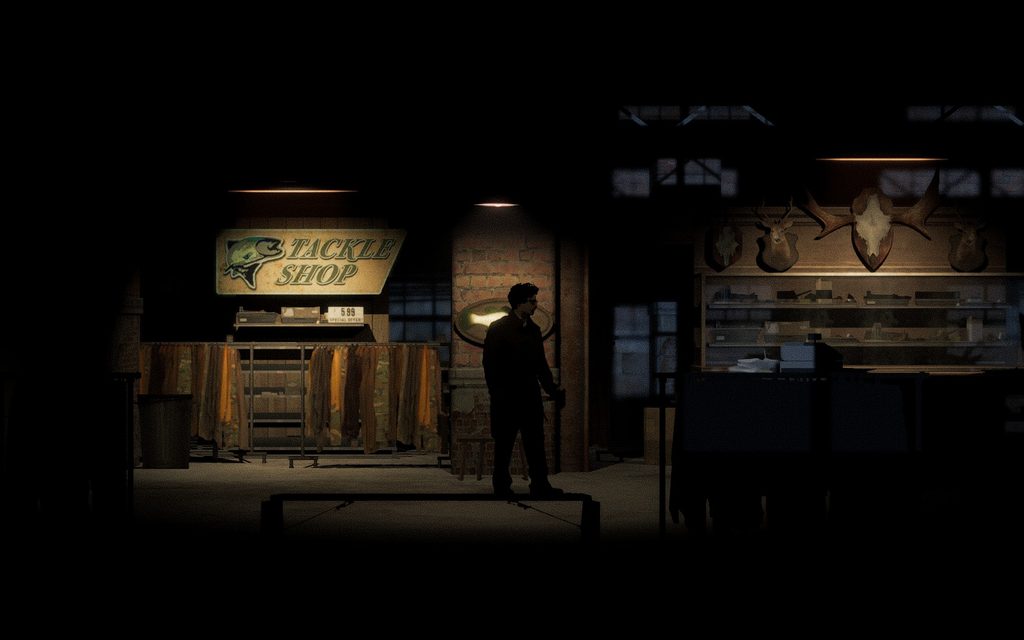
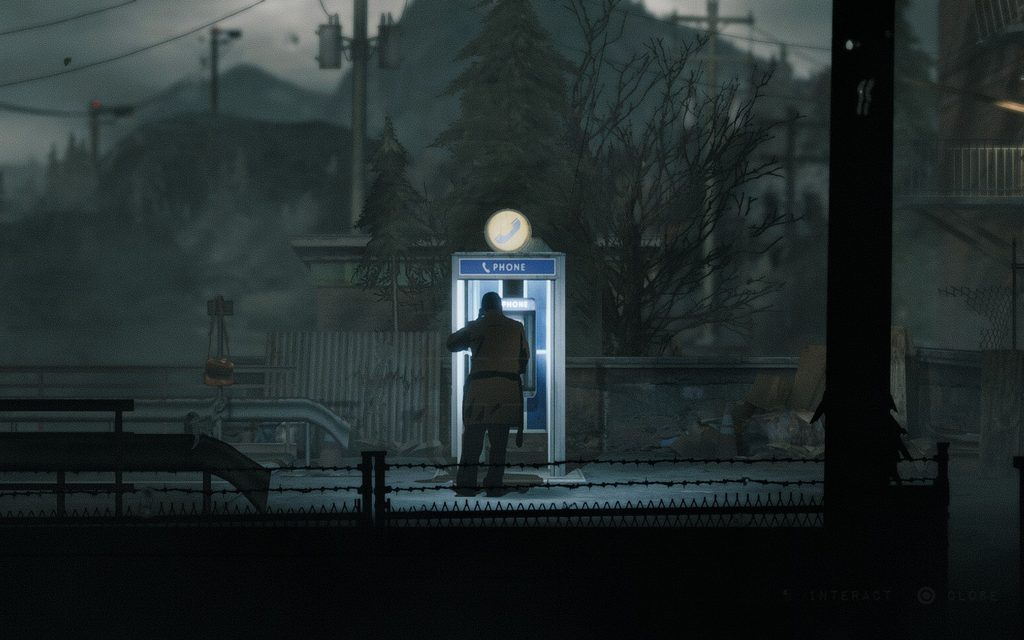
To compensate, the arsenal Walker scavenges throughout his horrific adventure is surprisingly extensive. Following the scalpel and modest revolver you quickly stumble upon in the prologue, you’ll eventually add a baseball bat, a crowbar, a sledgehammer, a hunting rifle, and a couple of shotgun variants to your collection. However, because your inventory space is painfully limited, you’ll rarely be able to carry more than two or three weapons at a time, heavily depending on available ammo types, the number of healing items you need, spare flashlight batteries, and so on. Even saving your progress is strictly restricted, straight out of the classic Resident Evil playbook. Checkpoints take the form of payphones, and you can only use them if you have spare cash—cash that is also required to purchase meds and ammo from vending machines, adding yet another layer of stress to your resource management. Still, money is relatively plentiful, and it is almost always better to drop a dollar at a payphone than to lose hours of gameplay purely because you were neurotically hoarding resources and being a cheapskate—a painful lesson the author of this review had to learn the hard way.
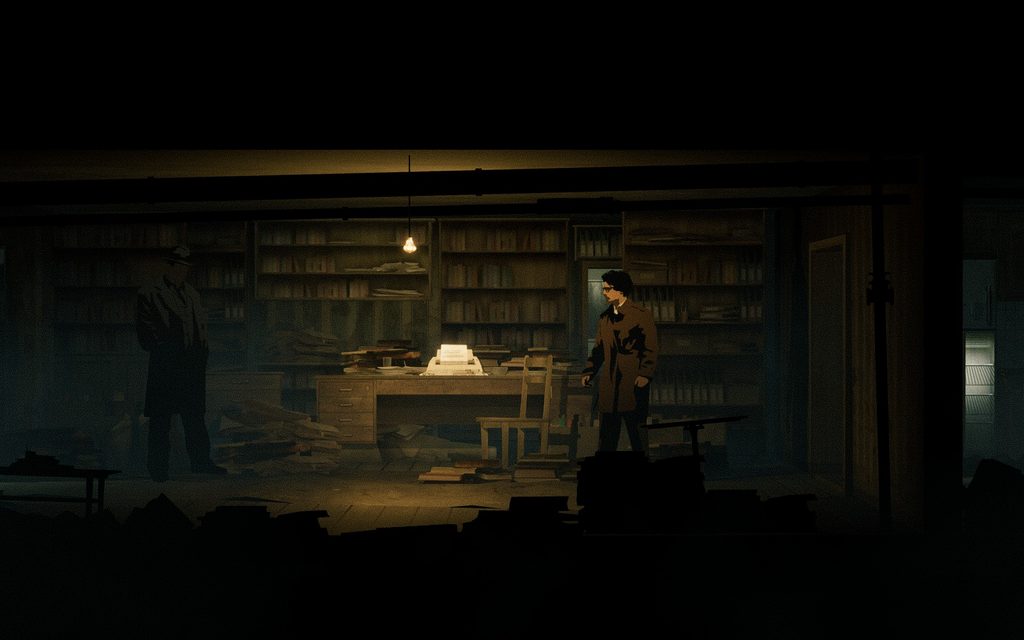
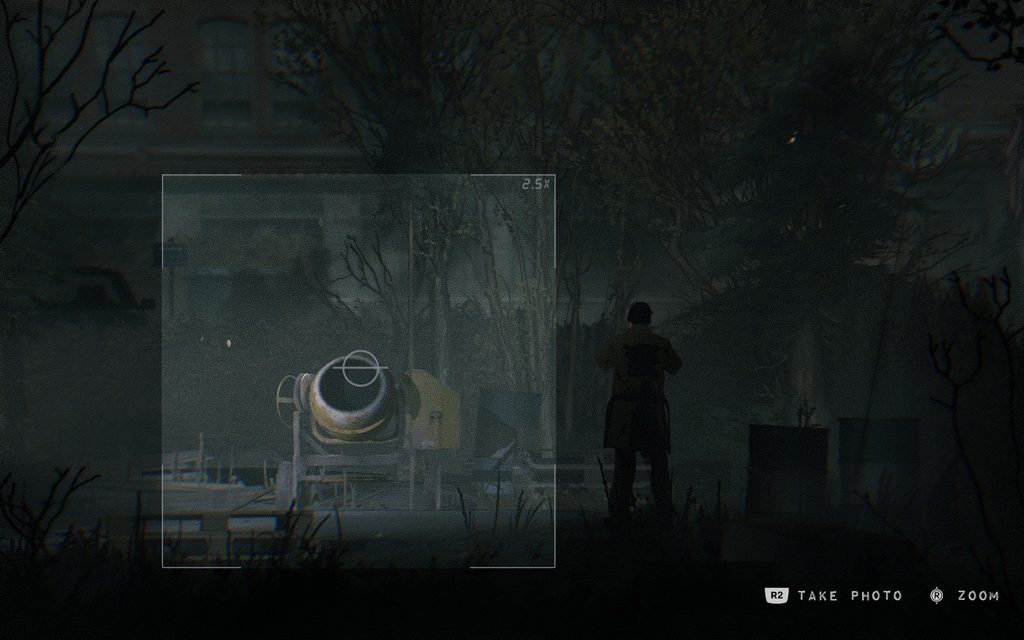
The majority of your tools and weapons serve a dual purpose, as they can also be used to smash through environmental obstacles blocking your path. This is exactly where the Metroidvania structure shines the brightest, as you will spend a massive chunk of the game hunting for ways to bypass blockades, trigger mechanisms, or locate the specific key that unlocks a door, only to find new tools and entirely new roadblocks behind it—rinse and repeat. Puzzles are a fundamental part of this loop. Clues are buried within documents, photographs, or baked directly into the environment itself, and it’s entirely up to you to piece it all together to, say, crack a safe code or open a locked gate. The solutions are generally highly logical and satisfying, and the game absolutely refuses to hold your hand or spoon-feed you the answers. To aid your detective work, you have a camera that allows you to snap photos of any document or environmental clue, utilizing the photo as a handy reference later on. The only real issue that reared its head here is visibility. Because the game’s color palette is dominated by dark, drab grays and murky browns, certain interactable items completely blend into the background. You won’t even realize they are there until you are standing directly on top of them and the interaction prompt finally pops up.
We would like to thank Team17 for providing us with a copy of the game for review purposes.
Silver Pines (PC, Nintendo Switch 2)
Carried by its genuinely stellar atmosphere, Silver Pines should be considered an essential, can't-miss experience for all survival horror aficionados. The lack of fast-paced map traversal and its overall glacial pacing will undoubtedly turn some people away, but the game absolutely has plenty to offer open-minded players looking for a refreshing change of pace, and a welcome break from high-octane action and hardcore platforming gauntlets.


