




I had never played a game quite like Dreadline Express. But as a child, I was almost obsessed with a cartoon called Courage the Cowardly Dog. What could a seemingly silly children’s cartoon and a game about strange passengers and cosmic horror possibly have in common? Courage lives in a house isolated from the rest of the world, while the protagonist of Dreadline Express finds himself aboard a train that seems to exist outside time and space. Both share a sense of existential horror, along with a healthy dose of absurdity.
I simply couldn’t shake the feeling that this game reminded me of something I had once genuinely loved. It wasn’t just the atmosphere, but also the character designs and the way the characters think.

But that isn’t even the most interesting part of the game. Let’s start from the beginning.
Dreadline Express comes from solo developer David Konecny and was published by Shoreline Games. The game has already won the Best Gameplay award at the Game Access conference, and I can definitely say it was well deserved.
A Train Without a Past, Passengers Without a Future
The game starts out simply enough. You wake up aboard a train with no memory of who you are or how you got there. From there, the game encourages you to carefully examine your surroundings. And then…you receive something resembling a tarot card. These cards are central to the gameplay, and the mechanics built around them are genuinely unique.
As you slowly piece together the puzzle and try to discover who you are, you also meet the other passengers. There’s Garret, a man surrounded by suspicious bottles, the sensitive Euler, Agnes, an elderly lady who sits peacefully knitting, a little girl named Maisie, the mysterious Jacob, the conductor and someone waiting for you at the very front of the train. Or the back, depending on how you look at it.
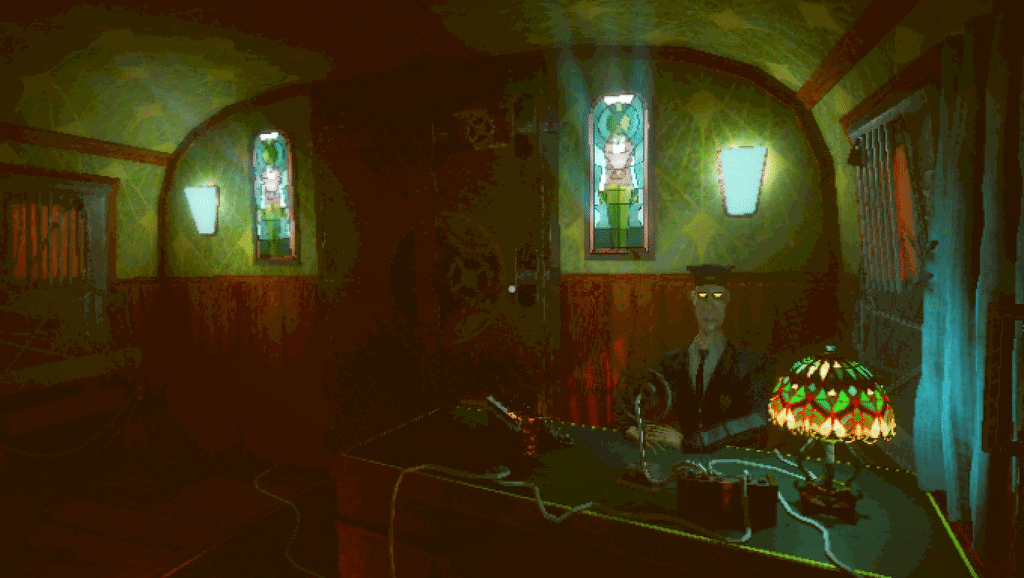
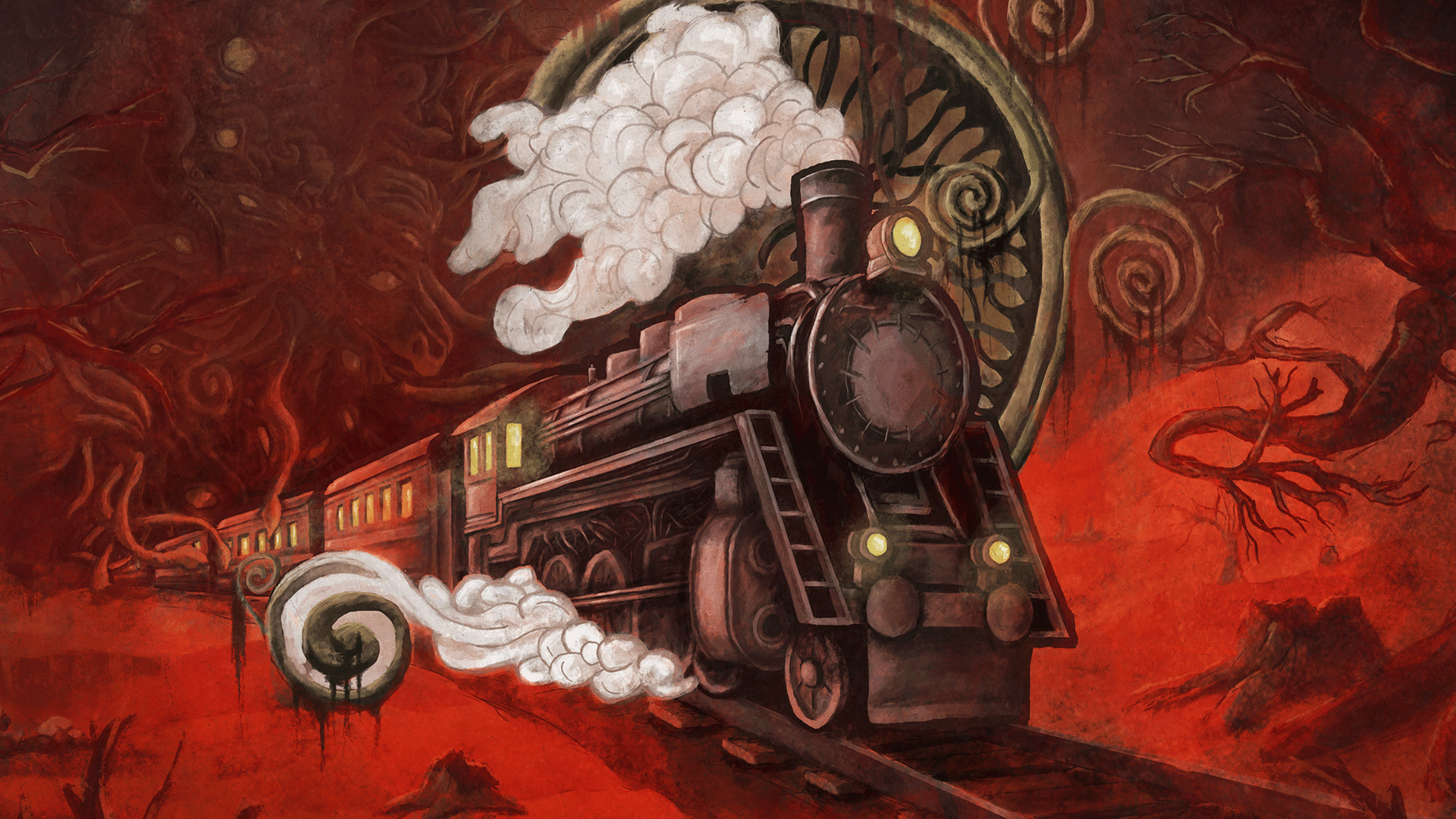
You’re surrounded by a red, alien sky, and every now and then, you’ll catch a glimpse of barren trees and tentacles that make it abundantly clear that this is not a place you’re used to. As you explore, talk to passengers, and collect cards, the conductor eventually reveals that you are the executioner and that this train demands sacrifices. Until now, the victims have been chosen at random, but the decision is now yours. That’s when the game gets particularly interesting.
Every Card Holds a Clue, but Not Every Answer
Dreadline Express is a psychological horror game, but don’t expect traditional jump scares. After all, they aren’t necessary to make a game frightening. Here, the horror comes from the feeling that your existence is insignificant, from the very idea of living without memories, from loss, and from an uncertain future. You don’t know where you are, what’s waiting for you, or what kind of people you’re really surrounded by.
The card based mechanics deepen the experience and make it different for every player. You collect cards by observing your surroundings, discovering clickable objects, and talking to the passengers. Certain dialogue options unlock new cards, but you can also use them to draw additional information out of the characters. Some cards can even be combined to reveal new possibilities and information.
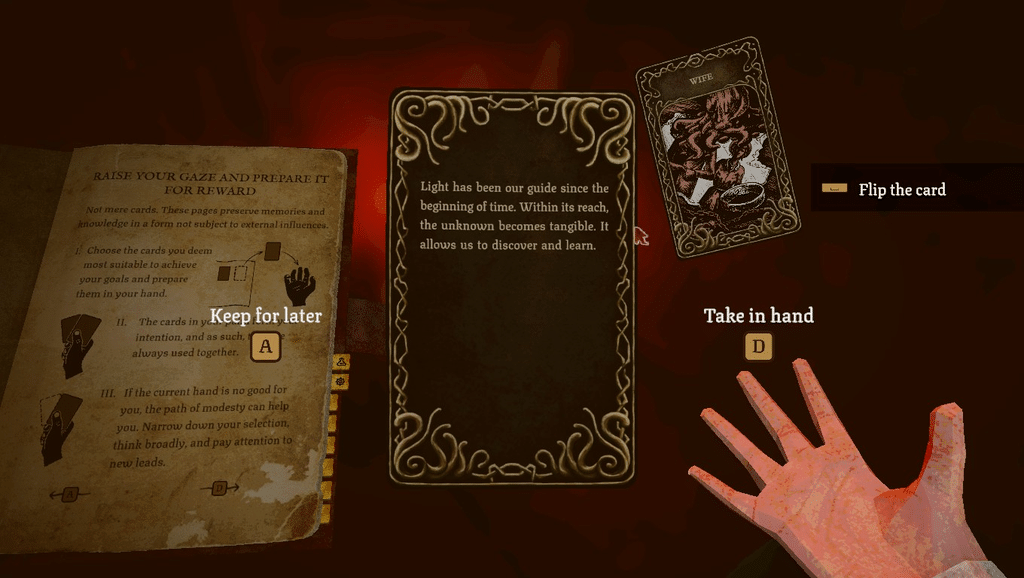
For example, your protagonist is actually an apothecary named Samuel Mather, but the other passengers don’t know that. Once you collect the appropriate card, you can introduce yourself and unlock new dialogue options. By combining the Apothecary and Executioner cards, for instance, you can reveal to the passengers that you’re the person who decides their fate. However, not every decision comes without consequences. The way you use your cards can change how the passengers perceive you. Some may grow closer to you, while others may develop a dislike for you.
The cards are divided into several categories: Myself, which contains information about you, Train, which focuses on the train itself, The Outside World, which covers the world beyond it and categories dedicated to individual passengers. You can also use the cards to uncover details about your surroundings. Every card you collect is stored in an album, allowing you to revisit it and use it whenever you think the time is right.
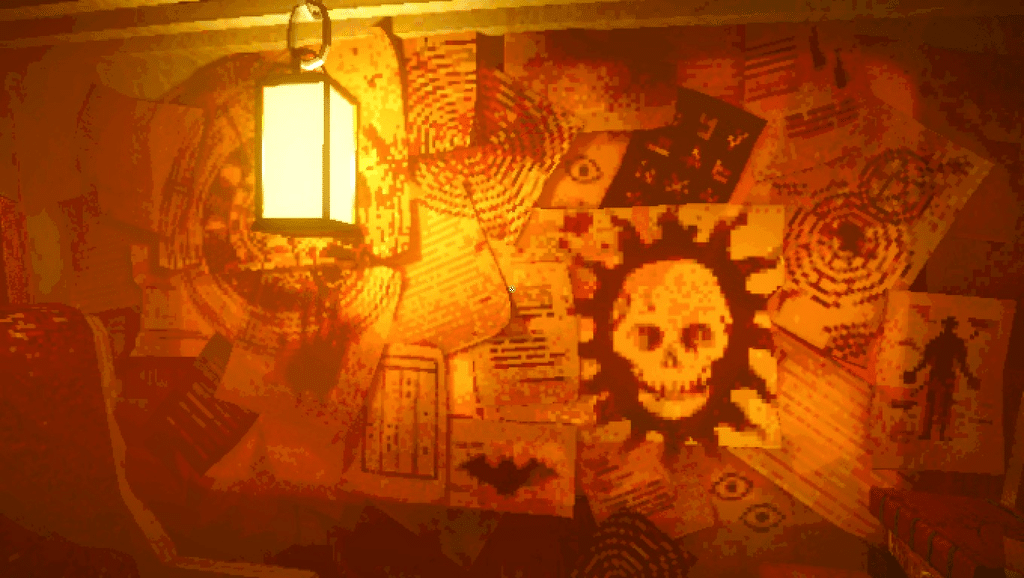
The game has no voice acting, so all dialogue appears as text on the screen. This makes it important to pay close attention to what the characters say and think carefully about which cards might unlock additional information. There’s also a board near the conductor that allows you to investigate almost every card in greater detail and learn more about the world around you.
The Dark Charm of Dreadline Express
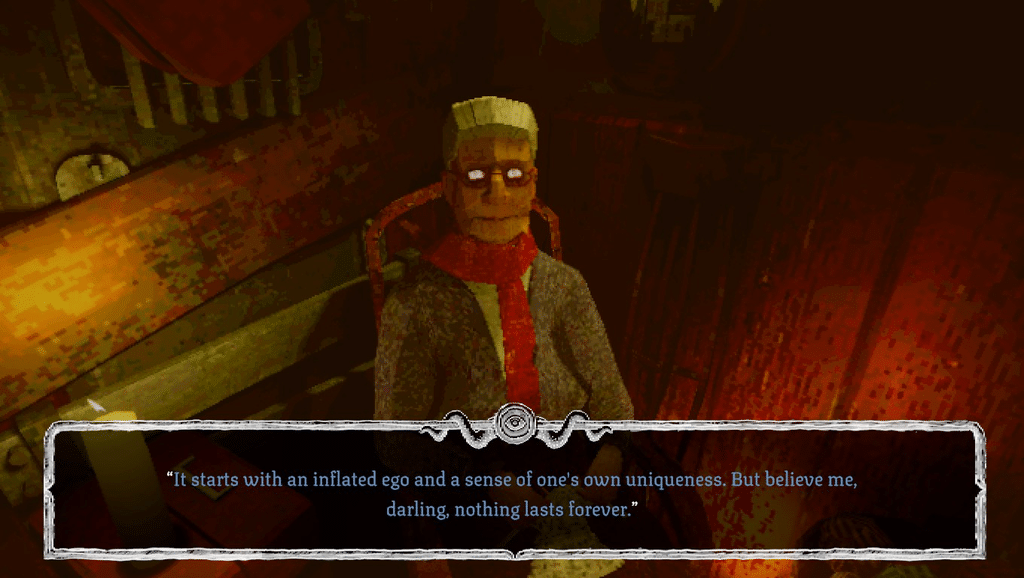
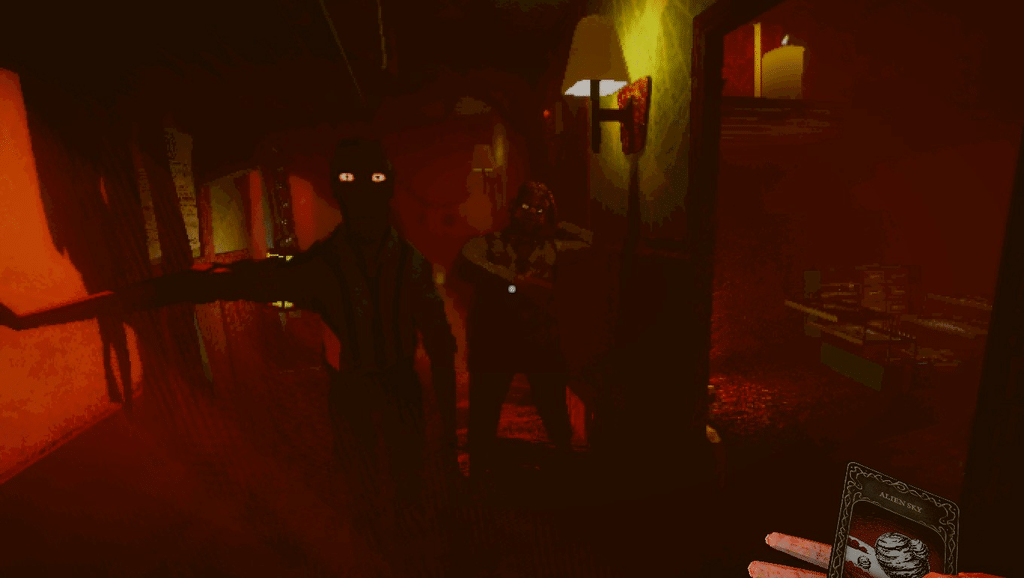
Although it’s a short game and, at its core, a horror experience, Dreadline Express also offers a surprisingly pleasant, almost cozy atmosphere. The characters are well written enough that each one stands out in their own way, and behind their unusual appearances lie personal stories you’ll want to uncover. Even though you’ve only just met them, you get the feeling that each of them has already lived an entire lifetime before boarding this train.
The visual style adds to that impression. Its PS1 inspired graphics and pixelated faces give the characters an unsettling appearance. Their features feel strangely disturbing, as if they’ve wandered out of some forgotten cartoon that was never meant for children. The interior of the train is filled with deep shadows, broken up by the warm glow of yellow lanterns. Narrow corridors and confined spaces create a claustrophobic atmosphere, while the red sky and the scenery outside the train reinforce the feeling that you’re somewhere the usual rules of reality no longer apply.
I particularly like the design of the cards and the album where you keep them. Each category has its own color, and the clear layout makes everything easy to navigate, even once you’ve collected a large number of cards. They’re not just a means of progressing through the game, but an important part of its identity, allowing you to gradually get to know the characters and uncover fragments of the story.
The soundtrack also caught my attention as soon as I started playing. The music fits the atmosphere beautifully, intensifying the sense of unease and inevitable tragedy. Everything feels stifling and claustrophobic, as though the awareness that this journey won’t end well hangs over every conversation. And perhaps that’s precisely what makes all the characters so tragic – none of them is any less lost than you are.
Destination: Unknown
I think Dreadline Express is a little indie gem. Its greatest strength lies in the combination of unusual card based mechanics, a striking atmosphere, and a story that manages to hold your attention without the need for grand spectacle.
I particularly like the way the game builds its world. Even though you’ve only just met the characters, each one feels like a person with their own past, habits, and problems. The same goes for the setting, which never reveals everything at once but instead encourages you to pay attention to details, connect the dots, and draw your own conclusions.
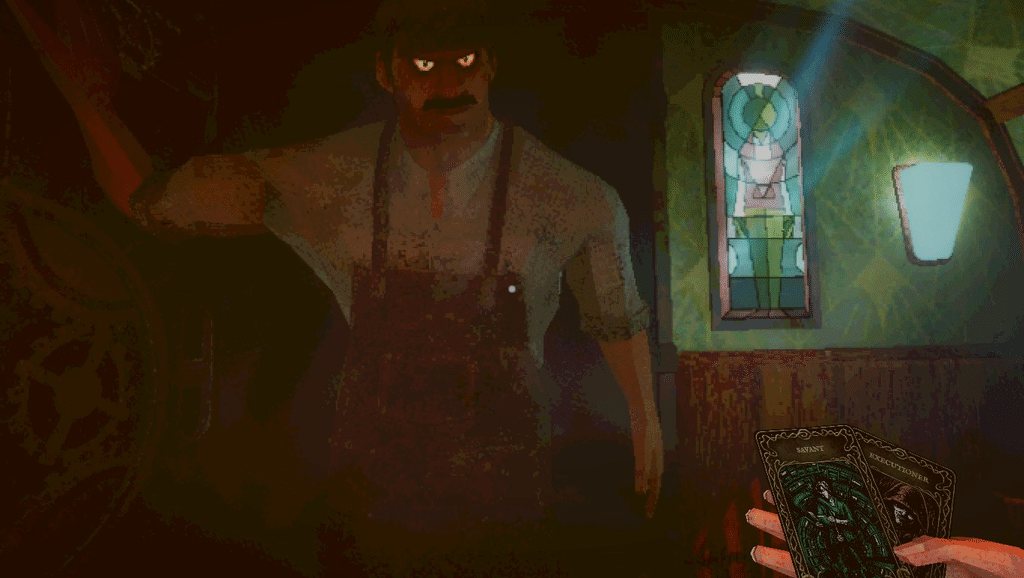
Still, what stayed with me the most wasn’t just the mystery surrounding the train or the question of who would become the next victim. It was the feeling of finding myself in a world that was simultaneously strange, frightening, and oddly familiar. Just like in Courage the Cowardly Dog, there’s something much darker lurking beneath seemingly absurd scenes, and that contrast is what makes the experience so memorable.
We would like to thank Shoreline Games for providing us with a copy of the game for review purposes.
Dreadline Express (PC)
Dreadline Express may not be a long game, but that doesn't diminish its value. If you enjoy psychological horror, unusual characters, mysteries that require you to piece together the clues yourself, and games that dare to be different, this is a title worth checking out. And if, like me, you're drawn to stories where something seemingly silly conceals a deep sense of existential unease, you might just find something special in this strange journey, too.


