




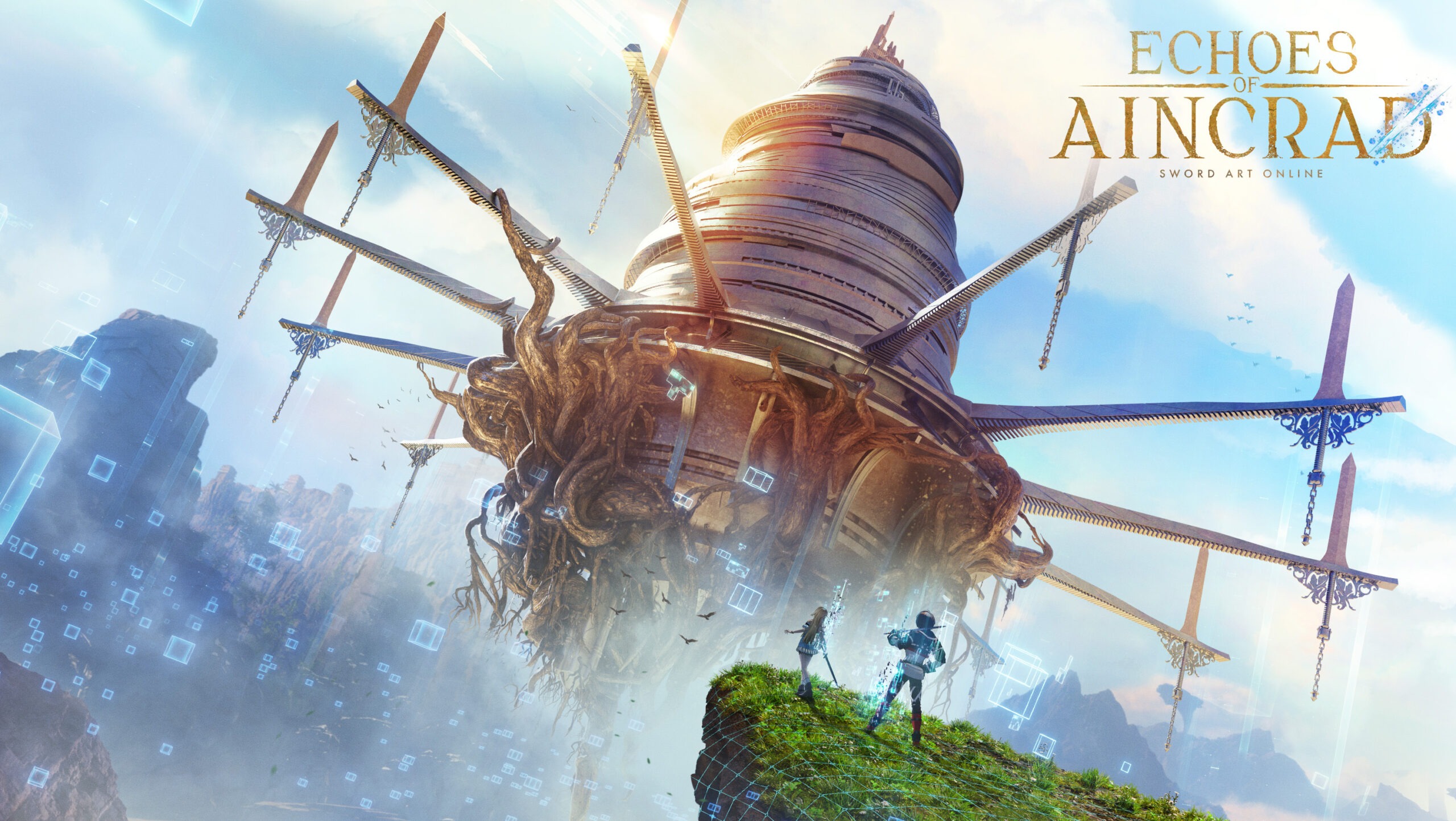


For over a decade, fans of Reki Kawahara’s wildly popular Sword Art Online franchise are able to enjoy video games based on the series. Titles like Hollow Fragment, Lost Song, Fatal Bullet and Alicization Lycoris offered alternative timelines, divergent storylines and wildly different gameplay genres ranging from visual novel hybrids to third-person shooters.

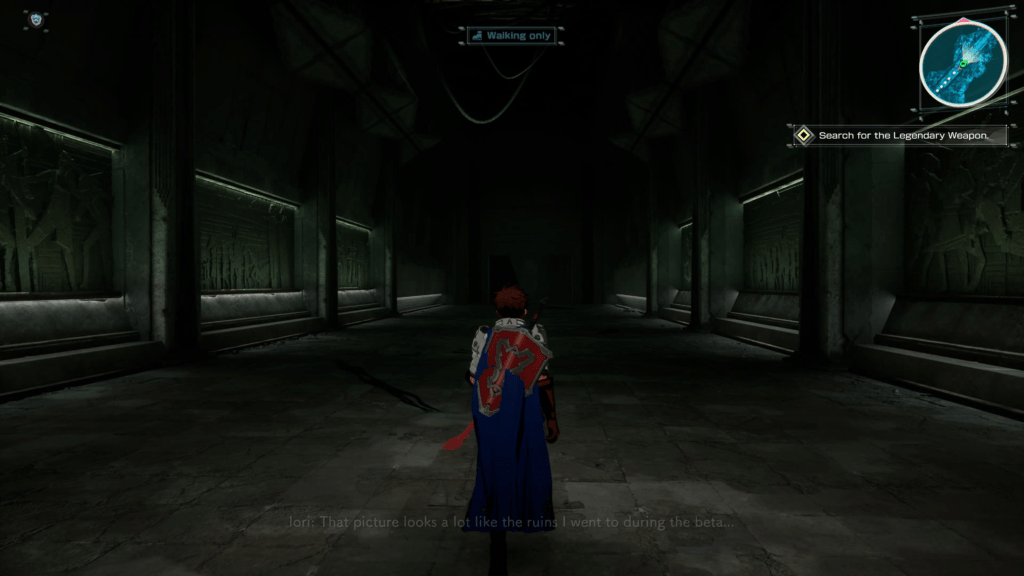
Enter Echoes of Aincrad, the newest entry in the series, developed by Game Studio Inc. and published by Bandai Namco for PlayStation 5, Xbox Series X/S and PC. Echoes of Aincrad simulates the core premise of the original story, being trapped in the towering, floating castle of Aincrad, forced to fight for survival in the virtual reality MMORPG, where a game over means real-world death. Instead of playing fan-favourite characters from the series like Kirito, you create your own custom avatar that experiences the beta and launch of Sword Art Online. It abandons the flashy and often fast combat of previous games such as Hollow Fragment or Fatal Bullet in favor of a stamina-based souls-lite melee combat system, with emphasis on dodges and parries and focuses the narrative scope on a small party of newcomers and the first two floors of the hundred-floor castle.
The result is a new take on the Sword Art Online gaming series that focuses on a solid narrative foundation and the dread players experienced at launch, when they were imprisoned in the game and had to fight for their life.
However, it is also an experience that suffers from its own issues, such as clunky interface choices, a beautiful and vast, yet empty feeling open-world and a repetitiveness that holds the game back from true greatness.
Respecting the Source Material
To understand what Echoes of Aincrad tries to achieve means to look at its source material. Sword Art Online plays in the year 2022, where 10.000 players log into the first-ever fully immersive VRMMORPG using a headset called the NerveGear. Upon logging in, the creator of the game appears in the sky and removes the logout button for all players. He informs the players that if their hit points reach zero in the game, the Nerve Gear would kill them in real life as well. The only way to escape the game is to conquer all 100 floors of the floating castle known as Aincrad.
Crucially, the world of Aincrad features no magic. There are no spellcasters or healers, who could resurrect players in-game, and no long-range weapons. Combat relies on melee weapons and sword skills, powerful physical attacks. Echoes of Aincrad embraces these early days of Sword Art Online and focuses on an original character, instead of the overpowered protagonist Kirito.
You are a former closed beta tester who logs into the official launch alongside your friends Saayu, Wyzeman and Clark, only to be trapped in the nightmare. By designing the narrative around an original survivor, the stakes are much higher. You aren’t watching Kirito’s story unfold; you are fighting for your own life on the frontlines alongside other desperate players and get to know them, while getting stronger and trying to figure out a way out of this horror.
The Floors of Aincrad
The core gameplay loop of Echoes of Aincrad is heavily structured, leaning closer to zone-based progression of a Monster Hunter rather than a fully open world. The game is divided into three distinct types of areas: Settlements, Overworld Zones and Dungeons.
Better Be Prepared
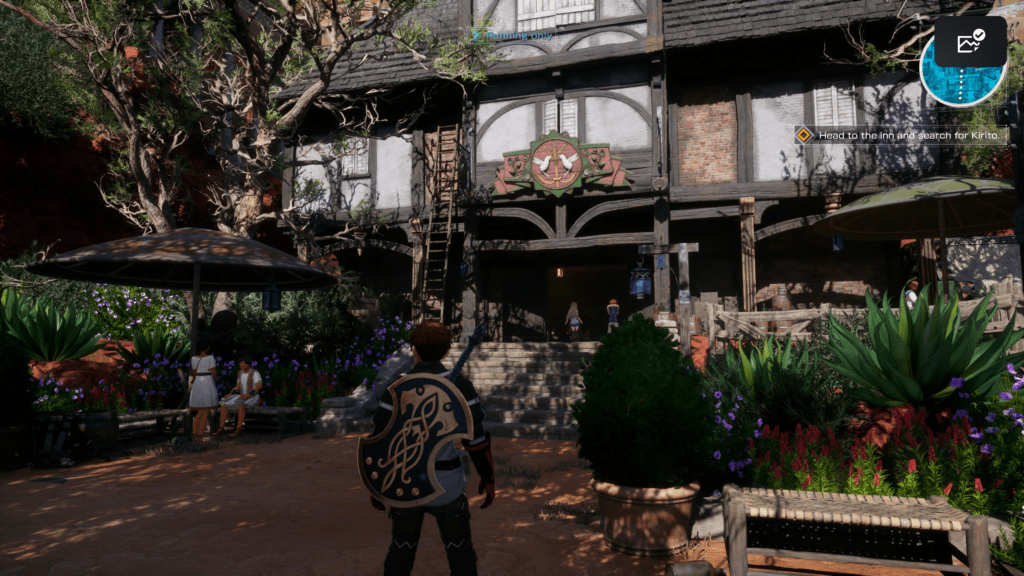
Your quests always start in a settlement, most notably the Town of Beginnings on Floor 1. These safe zones act as central and smaller hubs of the game. Here you can spend your hard-earned Col, craft and upgrade new gear at the blacksmith, allocate your growth points at the inn and accept new quests. Surprisingly for a game with lots of loot, the game enforces a strict loadout. You can only change your equipment and items only while in town. This forces you to commit to a specific playstyle, while venturing out on a quest. If you do not have the right items with you, you might not get access to optional areas or chests behind obstacles, so you have to get back to town to get them.
Overworld Zones and Dungeons
Once you choose your quest, you also select a companion that comes with you on your journey. Each of them with a different set of skills and passive abilities. Saayu, for example, brings a sword and shield and has the ability to put down a healing circle and does a powerful attack with the player.
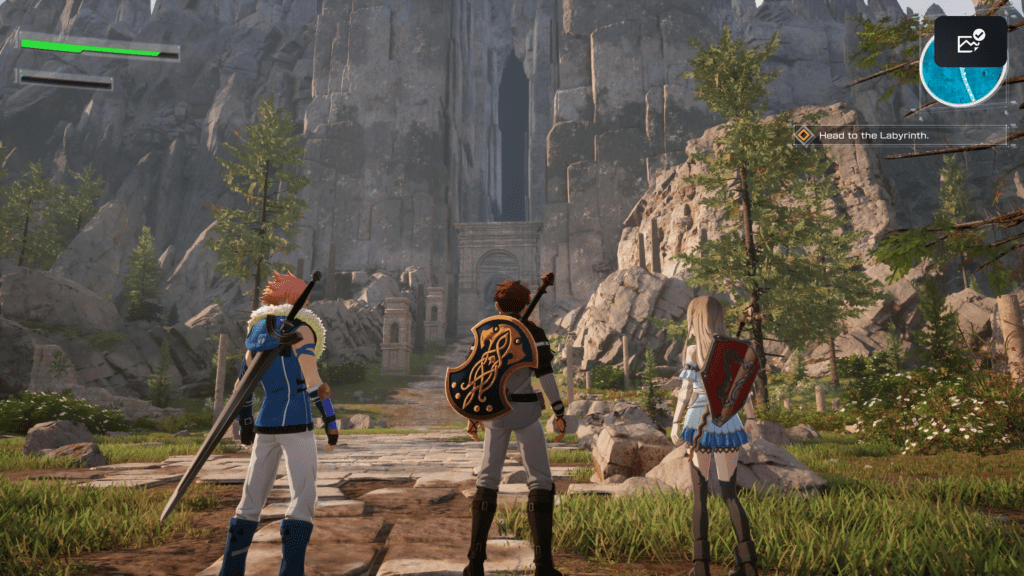
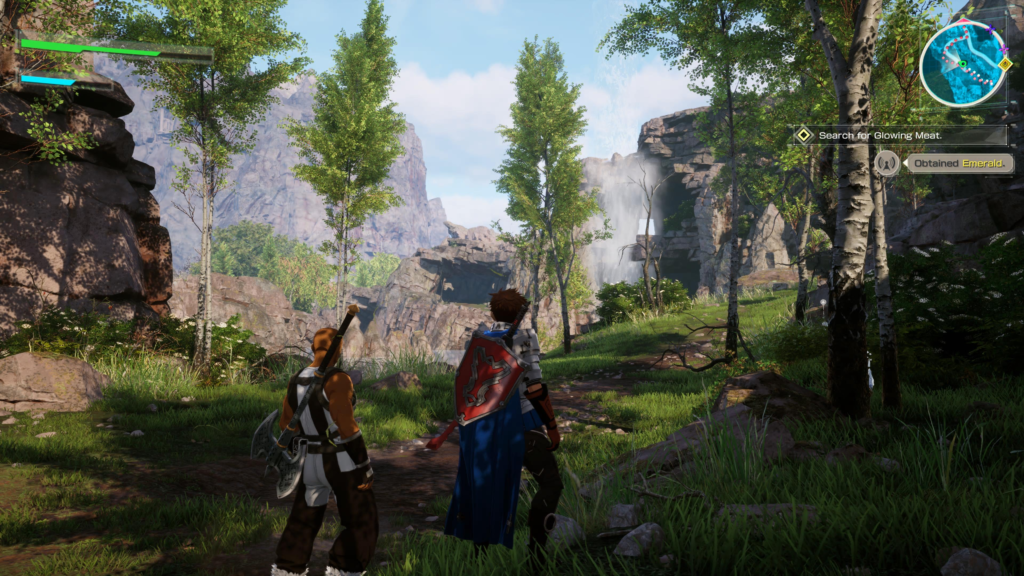
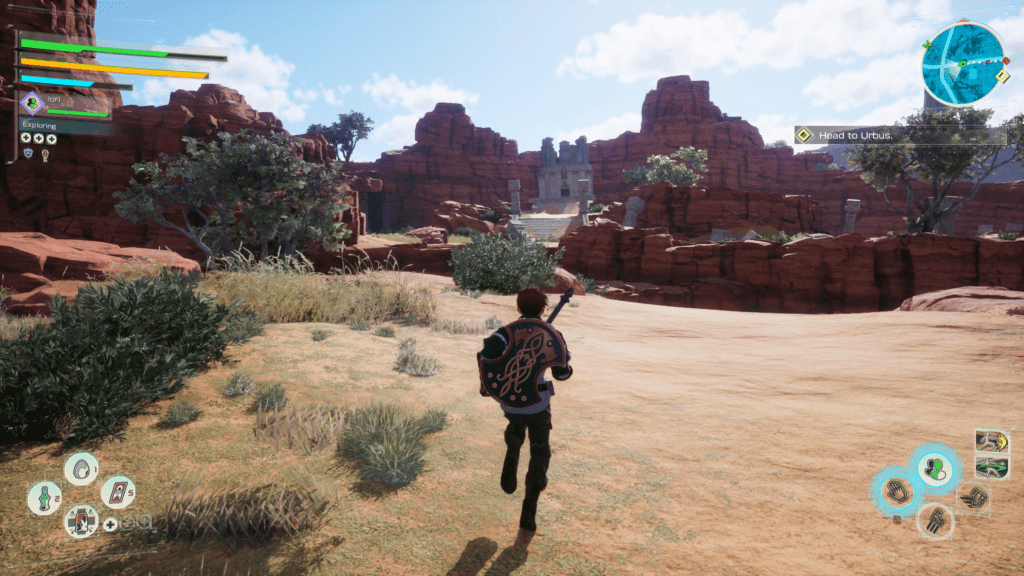
Once you leave the settlement, you enter the overworld zones. These vast and beautifully hand-crafted biomes are absolutely stunning. Filled with roaming and spawning mobs, gathering nodes and hidden treasure chests, you begin your quest and exploration.
Floor 1 contains lush vegetation, dense forests and hills, winding rivers, ancient elven ruins and foggy swamps, perfectly capturing the aesthetic established in the anime.
Floor 2 transitions into arid canyons and more rugged terrain painted in red. I often found myself just standing there and breathing in the environments. They felt gigantic and almost intimidating.
Dungeons are a mixed bag. Especially on the first floor, you rarely get any variety. While the game tells you that dungeons are random, you quickly see the same tile sets and theme over and over again. At least once you reach floor 2, you get a little bit more variety in the dungeon themes, but ultimately they feel the same and once you start doing side quests, you start to quickly rush past treasure chests and enemies to finish up the side quests.
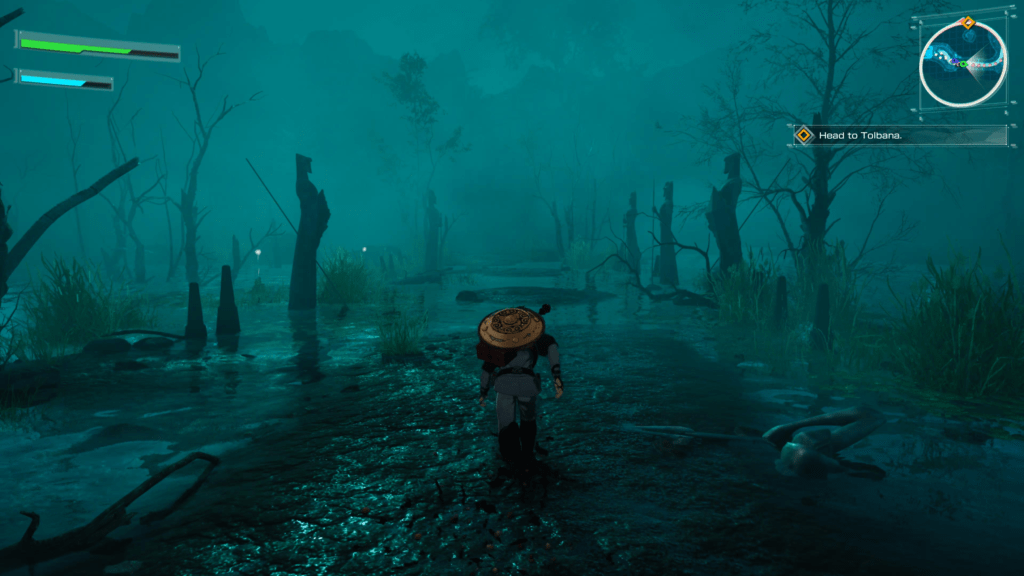
However, the exploration flow is heavily hampered by some questionable design decisions. The game artificially restricts the player from fully exploring the whole map. Instead, there are barriers on the map, you simply can’t move past. The game also uses a form of fog of war that only gets lifted when you reach specific rest points. This results in the map being revealed and all chests and seal points being shown. This results in a very repetitive loop, where you blindly navigate to a safe zone, reveal the map and the backtrack extensively to find the treasure chest and unlock the side paths you missed. Chests usually contain useful items and crafting recipes, so especially for the later, you want to get them. Furthermore, quests take place in instanced overworld states, if you want to fast-travel back to a settlement to restock on potions, get items to unlock optional paths or change a weapon, all monsters in the zone respawn. This creates a frustrating loop that discourages the player from getting back to town during a mission.
Sword Art Progression
Character growth in Echoes of Aincrad is dual layered, focusing on both attributes and weapon proficiency. As true to an MMORPG by defeating enemies, you earn experience to level up and get growth points, which can be freely allocated to attributes at the inn, but you also level up weapon proficiency up to level 10 to unlock skills and then points to level these skills up. It is up to you how to distribute your growth points. Each attribute buffs the character in a different way and every weapon scales with different attributes, similar to Souls games.
The four damage stats are Strength, Dexterity, Agility and Intelligence. Each of them does not only increase damage for certain weapons but also gives additional Bonus Modifiers. Strength for example gives additional Attack and Defence, while Intelligence lets you get Bonus Experience and the ability to carry more Items.
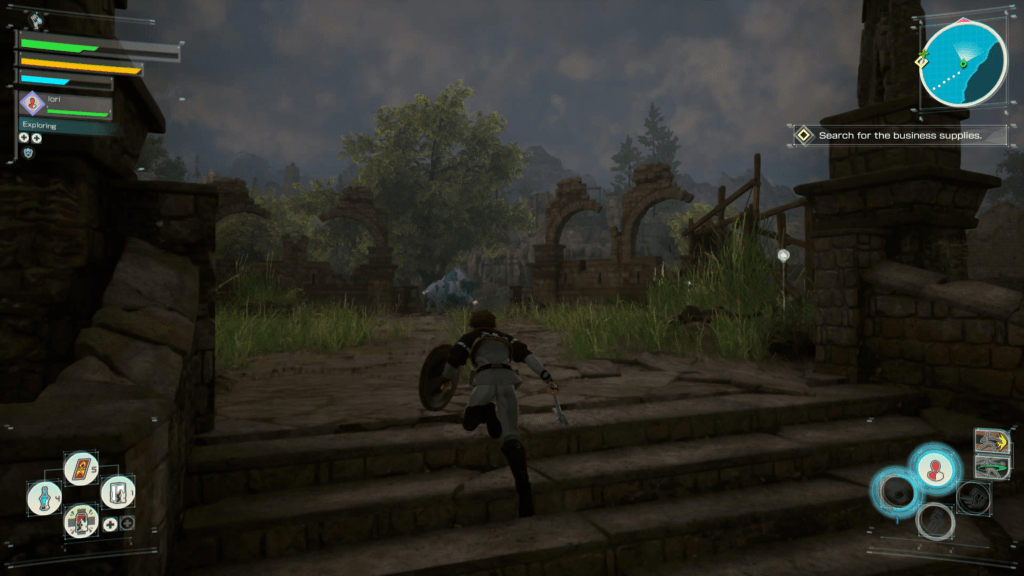
Other attributes such as Vitality, Endurance and Mind, increase Hit Points, Stamina and the effect of SP abilities. It is up to you to find a good mix that works for you. Thankfully it only costs a certain amount of Col to reset all points, so you can try out different builds for the weapons you find.
The other way to get stronger is through your weapon. As you use on of the six weapon types in the game, you weapon skill increases. Until level 10 you earn new Sword Skills and then points to level them. Players are restricted to equip a maximum of three Sword Skills but can freely change them.
True to MMORPGs, weapons also have different rarities. The rarer the weapon, the more powerful the base version is. Gear crafting and progression is handled through the Blacksmith, and he is able to power up your weapon, by feeding them either tempered steel or other weapons to get a Plus Bonus, just like in Souls games. Additionally, there are so called Ex-Mods, random passive stats you can find on most weapons. These Ex-Mods can be transferred onto different weapons by sacrificing the weapon and spending a bit of Col. This allows you to custom-tailor the gear to your playstyle and create very powerful weapons. For example, you can use a sword that has a chance to apply a burn effect with Ex-Mods that increase the chance to apply afflictions and increase damage on afflicted enemies.
Fighting for Your Life
Combat in Sword Art Online is fun. Game Studio Inc. was heavily inspired by Souls-Like combat, full on with enemy lock-on and dodge and parry. But it never gets as challenging as anything in a Souls game and is rather quick.
Every action you take in combat, whether it is a light or heavy attack, a dodge roll or a parry consumes stamina. The SP gauge forces the player to not spam attacks nonstop at the start of the game, however later after you invest enough points into stamina, the combat can get rather spammy. However, the game encourages you to weave light and heavy attacks, manage your distance and time satisfying parries, where your companion character helps you out.
Your weapon dictates your general combat style in the game. Each weapon feels distinct enough to encourage the player to unlock the skills and level them up. In the beta prologue you start with Sword and Shield, a very balanced mix of offensive slash attacks and defensive parrying. But you can quickly change once you reach the Town of Beginnings. Rapiers are a high-speed version of the sword and have a lot of leaping Sword Skills, while daggers neglect defence and become rapid multi-hit spamming.
Maces are blunt weapons that focus on crush attacks and break through enemy armor rather quick, while Two-Handed Swords and Axes are there to deal massive damage, charge attacks or area of effect sweep attacks. Notably absent is the dual-wielding class that Kirito uses in SAO and is available in other games of the franchise.
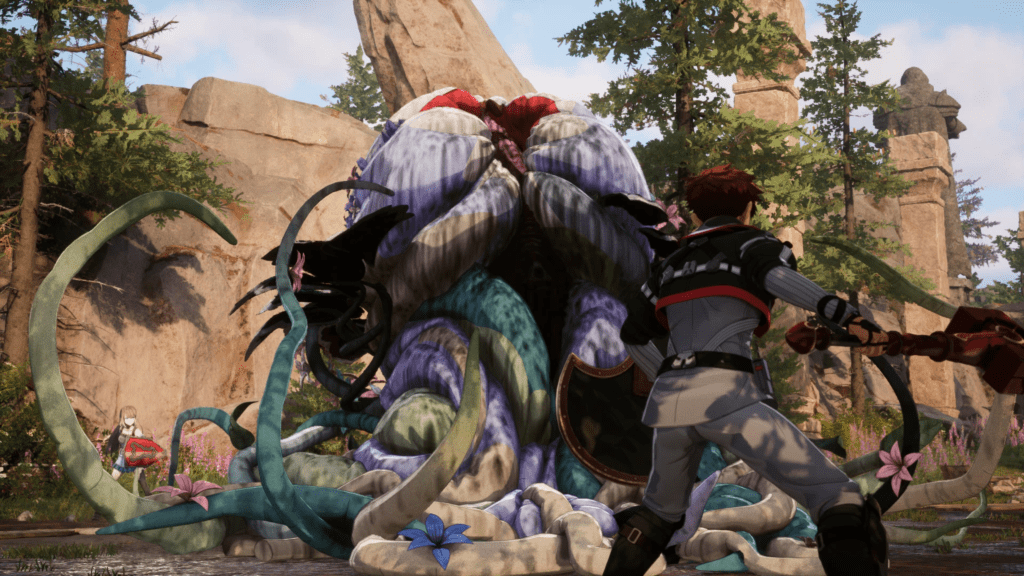
Enemies differ from boars to kobolds to giant insects and more, which all have their own set of attack patterns. Especially elites are at first really tough and the game sometimes ambushes you with multiple spawning and charging enemies. Where the combat shines is the bosses, some of them even multi-phased encounters, with changing attack patterns and adds to manage.
Do Not Venture Out Alone
As mentioned before, you do not have to face quests alone. The game features a robust companion system. Other than in previous SAO games, it’s not a party of 4 or even more players, like in Fractured Daydream, but usually one companion coming with you. In some quests, you get accompanied by more than one other character for story reasons. Your companion operates in two modes, Switch Mode and Free Mode. In Switch Mode, your partner draws focus, so you can have room for attacks, while in Free Mode you focus down enemies together.
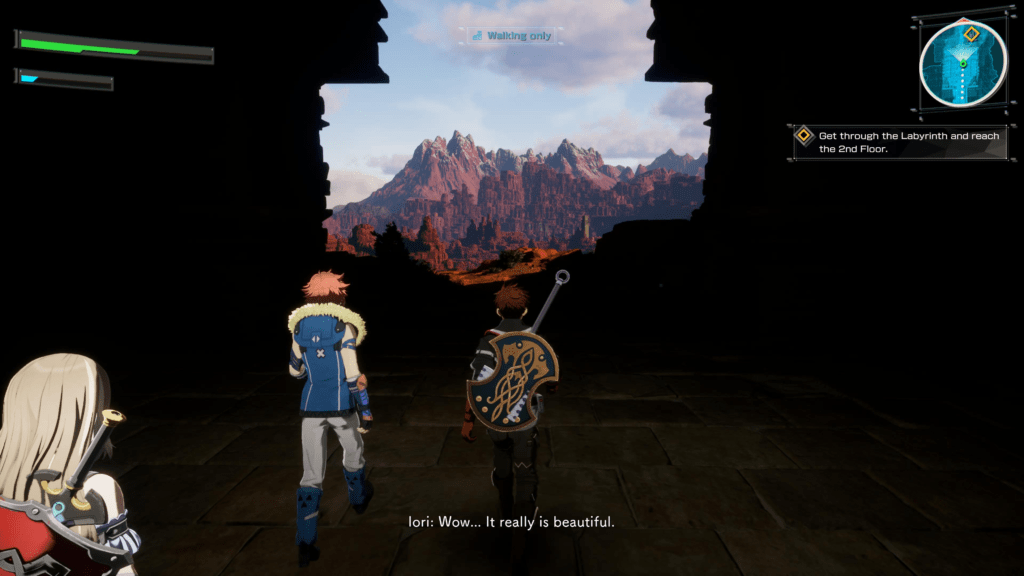
Partners also come with their own set of sword skills. You can either command them to do their Support Skills, which can heal you or applies defensive or offensive buffs or you can command them to do Combination skills, which result in a cool cinematic attack with your own character that deals massive damage and helps a lot to clear out adds during boss fights.
While roaming around your companion also points out treasure chests, enemies and there is some fun chatter during story heavy quests as well.
Sword Art Indeed
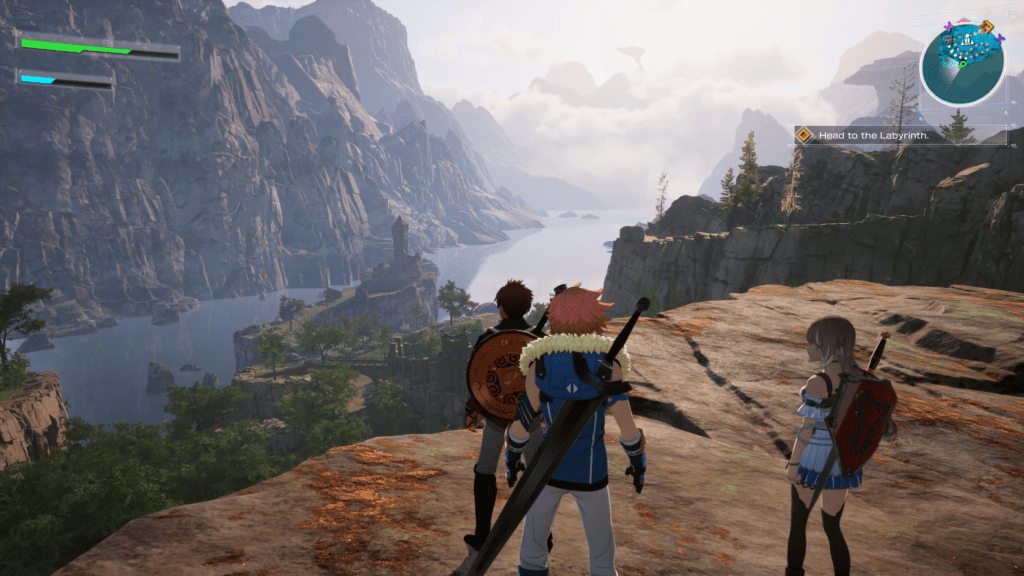
Where Echoes of Aincrad really shines is the graphics. The transition to Unreal Engine feels like a giant leap for the franchise. Playing on PS5 Pro the environments are genuinely stunning. Stepping out onto the plains of Floor 1 for the first time, seeing the massive curvature of the floor above you stretching across the sky, creates a profound sense of scale. Giant elven ruins, vast cliffs and mountains, towns in the background, create an atmosphere that reminds me of the Xenoblade series. The visual design beautifully balances the serene beauty of the virtual world with the terrifying reality of the death game. The art style, reminiscent of other Bandai Namco titles such as Scarlet Nexus or Tales game, make the anime-style character models pop naturally against the realistic environments.
A Flawed but Vital Step Forward
Echoes of Aincrad is a game with incredible highs and frustrating lows. It successfully catches the atmosphere of Sword Art Online and the rather dark and desperate atmosphere of the earlier parts of the story. The cast surrounding your custom character, is fun and they all have their baggage to carry and deal differently with the brutal reality of being able to die and never escaping the game. The souls-lite combat is solid, and the world of Aincrad has never looked more impressive and beautiful.
However, it is impossible to ignore the problems the game has. The overworld often feels empty for a VRMMORPG with 10000 players, and the restriction to only one set companion feels weird. Especially with no coop mode, which would have been ideal. Why not add some NPC parties roaming around the overworld while you are questing?
Another point is the repetitiveness, which not only comes down to the quest activities, but also to things like dungeons and structure. And the big question is why there is no proper exploration mode to just roam around on your own. And then there are the weird loadout restrictions and basically four points of interest in each hub area.
We would like to thank Bandai Namco for providing us with a copy of the game for review purposes.
Echoes of Aincrad (PlayStation 5)
Despite its flaws, I enjoyed my over 50 hours with Echoes of Aincrad. It is an easy recommendation for fans of the franchise and a cautious recommendation for people who enjoy action JRPGs and are looking for a MMO feeling. Developer Game Studio Inc. created a solid foundation that they can hopefully build upon in the DLC or a sequel covering the higher floors of Aincrad. It may not be the perfect simulation of the death game fans have been dreaming of, but it is closest we have ever gotten outside of Kirito’s story.


