




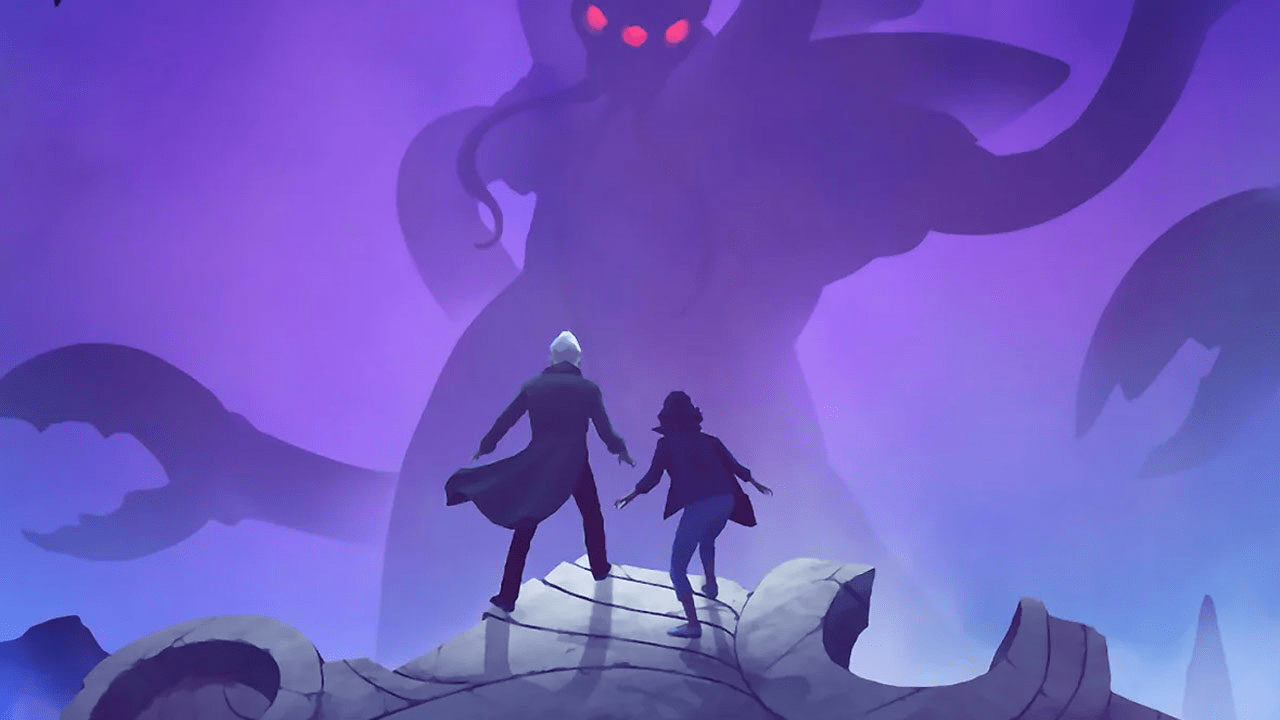


Are you ready to throw yourself straight into the tentacles of Lovecraftian creatures and finally confront the answers to the questions that have haunted you for so long?
Call of the Elder Gods is the sequel to Call of the Sea, the game first introduced by the Out of the Blue team back in 2020. Both games are inspired by the works of H. P. Lovecraft, but despite that, the goal here is not to traumatize you with pure cosmic horror. Instead, both games focus primarily on exploration and puzzle solving, rather than mysterious creatures luring people into an endless spiral of madness. Of course, themes involving cults, strange beings, and forgotten places hiding terrible secrets are still woven throughout the experience, constantly keeping you on edge while awakening your curiosity. The game consists of several chapters, with the first one currently available as a demo.

The game begins with our protagonist, Evie Drayton, waking up in an unknown place while being haunted by a mysterious voice telling her she must find an ancient statue and save a civilization from destruction. After this unsettling, yet recurring dream, Evie wakes up in her room. As you wander around and learn more about her, she receives an urgent call from a professor of archaeology demanding that she come see him immediately.
Shortly afterward, the game shifts perspective and places you in the role of the professor himself, Harry Everhart. During the opening scenes, Harry speaks with his psychologist, describing horrifying oily shadows that constantly stalk him. As the session progresses, it becomes increasingly clear that the psychologist is far from trustworthy. In reality, he is a fraud who is also searching for the mysterious statue.
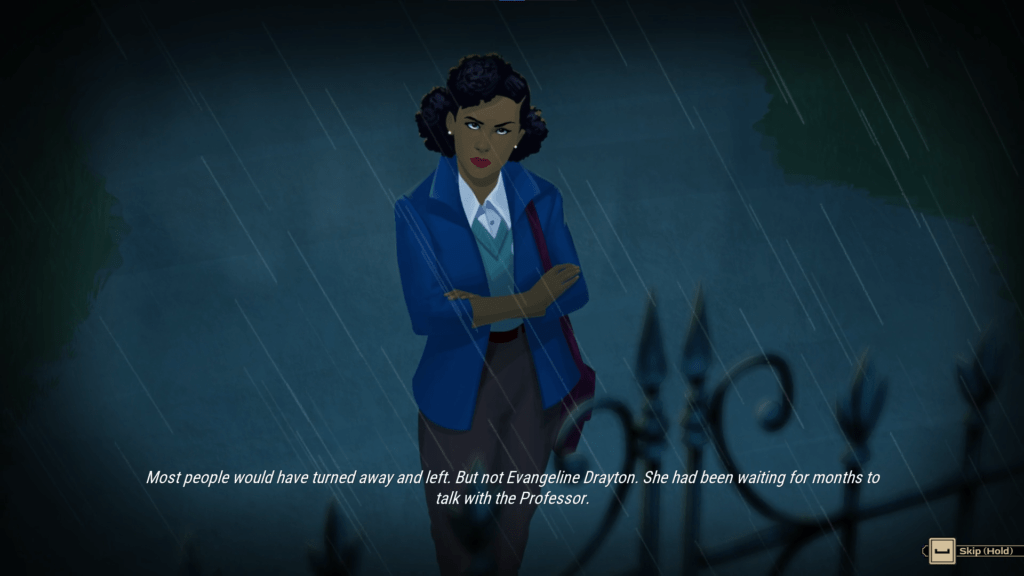
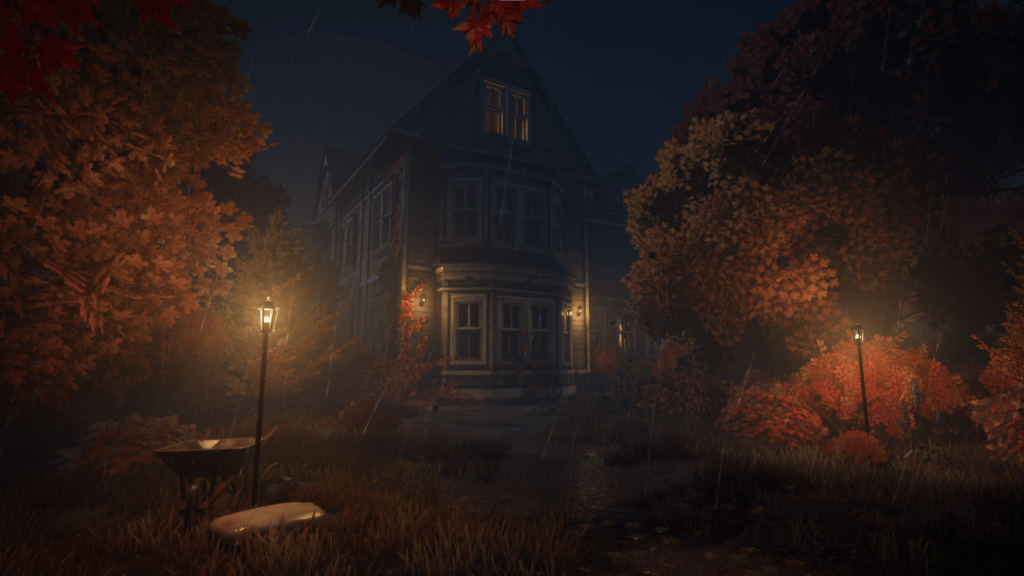
When you finally arrive at the professor’s mansion as Evie, you are greeted only by eerie silence. The professor has vanished, and it is up to you to uncover what happened, search through the enormous estate, and step into the first puzzles that slowly pull you deeper into a web of mystery.
The game can best be described as a walking simulator focused heavily on puzzle solving. And the puzzles are far from simple, despite what I initially expected. After spending so much time recently playing Saros, however, the gameplay in Call of the Elder Gods felt like the perfect change thanks to its much calmer pace. Right from the beginning, the game offers a Hard Mode, which removes the journal you normally use to collect clues and notes that help solve puzzles. Even the game itself does not particularly recommend this mode. Gameplay revolves mostly around exploration.
Every important object you discover, whether it is a note, photograph, symbol carved into stone, or anything relevant to a puzzle is automatically recorded in your journal. This gives you a visual reference of everything you have seen or read, so you never need to manually take notes yourself. At first, the puzzles are fairly straightforward, rotate statues correctly, find missing objects, follow clues to arrange items properly, and unlock new paths. But as the game progresses, the puzzles become increasingly complex. At times, you will genuinely struggle and probably spend hours trying to solve a single challenge. Still, they are designed so creatively that finally figuring them out delivers an incredible sense of accomplishment.
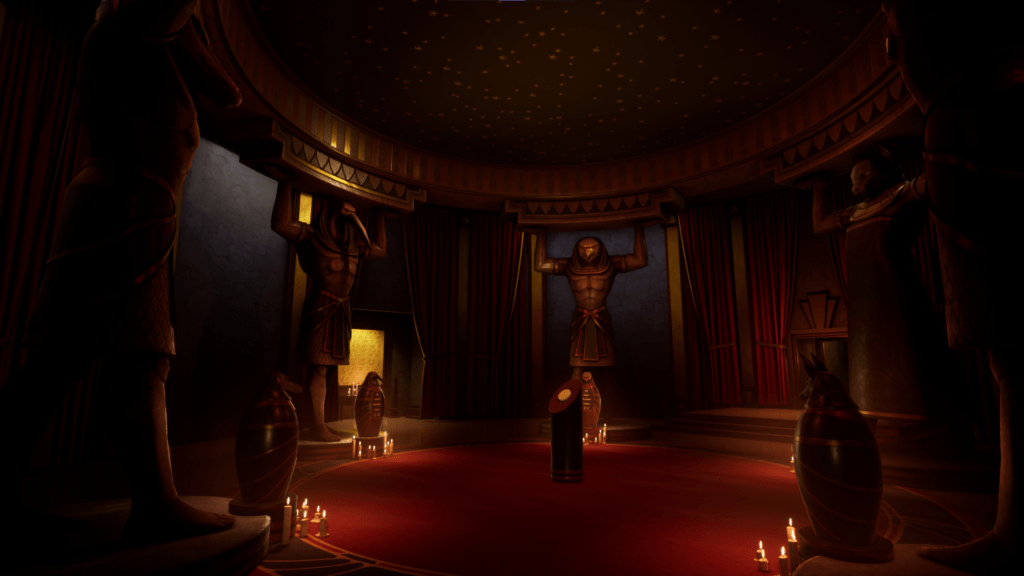
The puzzles also cover a wide variety of themes. Sometimes it helps to know a bit of Latin, other times it is useful to recognize ancient Egyptian gods, or even understand how the Enigma (a machine for decoding messages) worked. Thankfully, if you ever become truly stuck, the game includes a Request A Hint option that can guide you toward the next step, or even provide the full solution if necessary.
My favorite puzzles are definitely found in the third chapter. In fact, the entire third chapter was easily the most interesting part of the game for me. Since the story follows two protagonists, you sometimes play as Evie and other times as Harry, occasionally switching back and forth when each character has their own separate task to complete. During conversations, you can also choose between multiple dialogue options and questions, which sometimes leads to genuinely funny scenes while also helping you uncover more about the mystery unfolding around you.
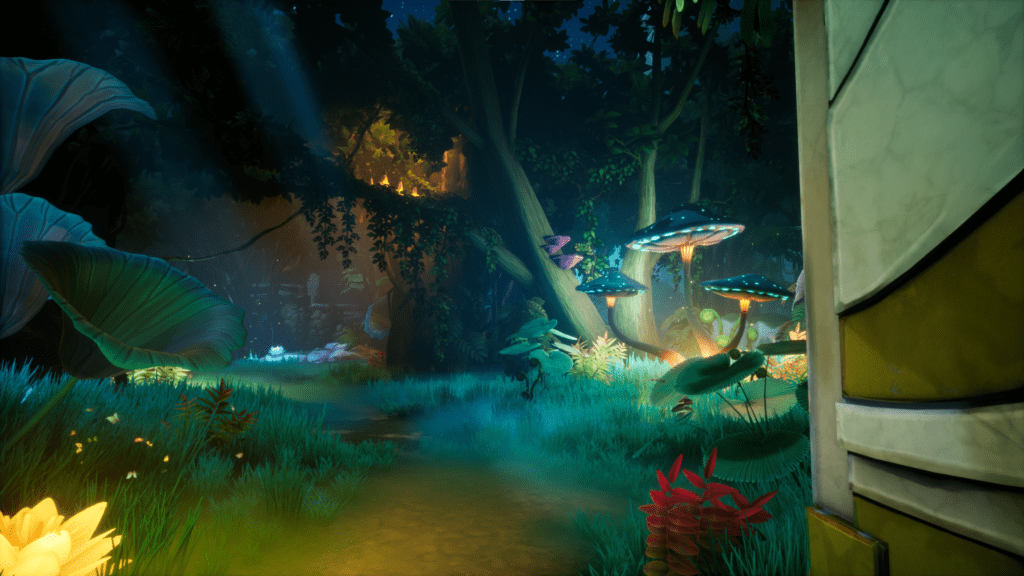
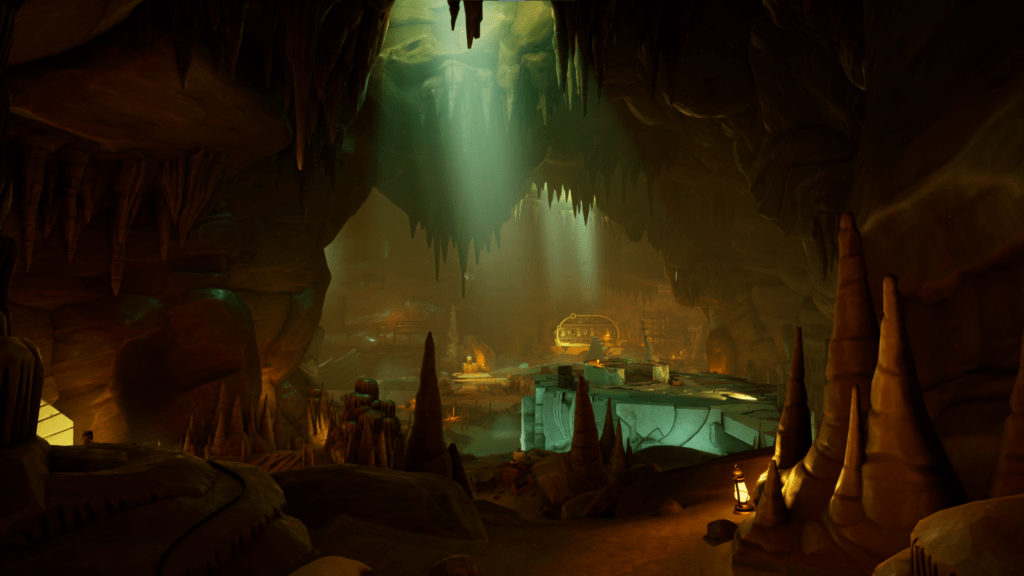
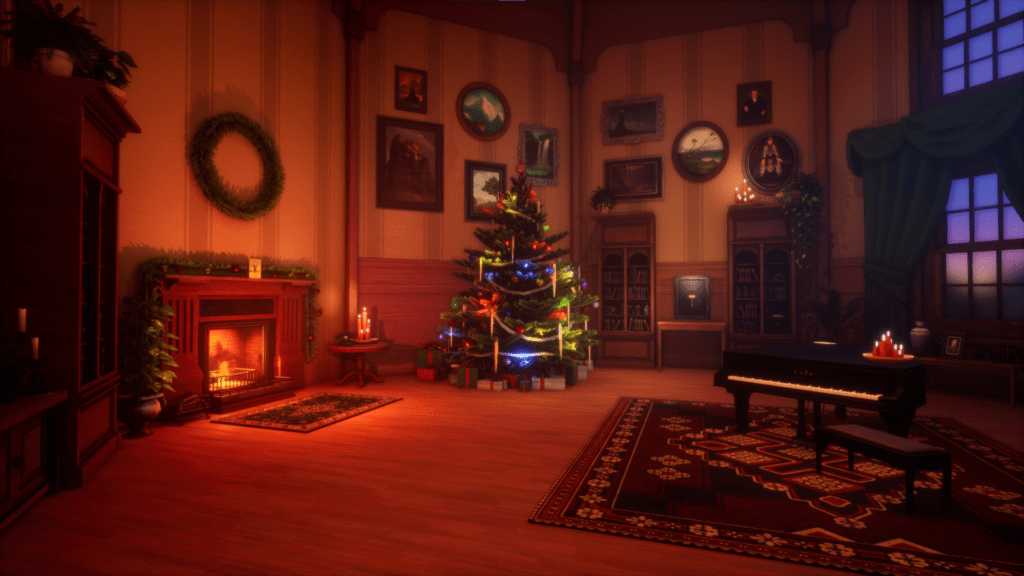
Visually, the game feels like a blend of whimsical fantasy and cosmic horror. Its vibrant colors and warm lighting make every environment feel as though it exists within a dream or hallucination. Rather than relying on traditional dark horror aesthetics, the game uses beautiful and inviting colors that somehow still manage to feel alien and unsettling at the same time. The environments are packed with detail, from breathtaking gardens illuminated by glowing leaves and flowers, to caves bathed in fluorescent light, and even strange alien gardens filled with shimmering plants and fascinating architecture.
The atmosphere is incredibly immersive, supported by a soundtrack that perfectly complements the experience and often feels strangely magical and dreamlike. Every location you visit feels unique, never repetitive or predictable. The voice acting is fantastic, clearly conveying the dynamic between Evie and the professor. While Evie is determined, slightly naive, and full of life, the professor often seems exhausted, cautious, and lost in thoughts. Alongside them, you are also accompanied by the familiar voice of the narrator.
Out of the Blue is clearly a team that pours an enormous amount of love into their games, stories, and characters, but also into the sense of fun and reward their games provide. Not only through the puzzles themselves, but through the emotional impact of the complete story they tell.
We would like to thank Kwalee for providing us with a copy of the game for review purposes.
Call of the Elder Gods (PC)
By the end of the game, it became difficult not to tear up a little. Call of the Elder Gods is a beautiful adventure that, alongside Call of the Sea, absolutely should not be missed, especially if you are a fan of games like this. Beyond offering excellent challenges, these six chapters deliver a truly heartfelt ending that feels like a warm hug at the end of a long day and that's why I have one request - please don't quit the game during the end credits. Let them play through completely, because Out of The Blue has something important to say, but you will also get a beautiful final scene at the very end.


