





….on an emotional journey where you will follow the light through a world filled with beauty, mystery, and memories.
WILL: Follow The Light is an indie title developed by a small team known as TomorrowHead. Although the game is essentially a ,,walking simulator”, TomorrowHead drew inspiration from titles such as Death Stranding and Alan Wake, as well as classics like Syberia and Myst, and that influence is clearly noticeable throughout the experience.

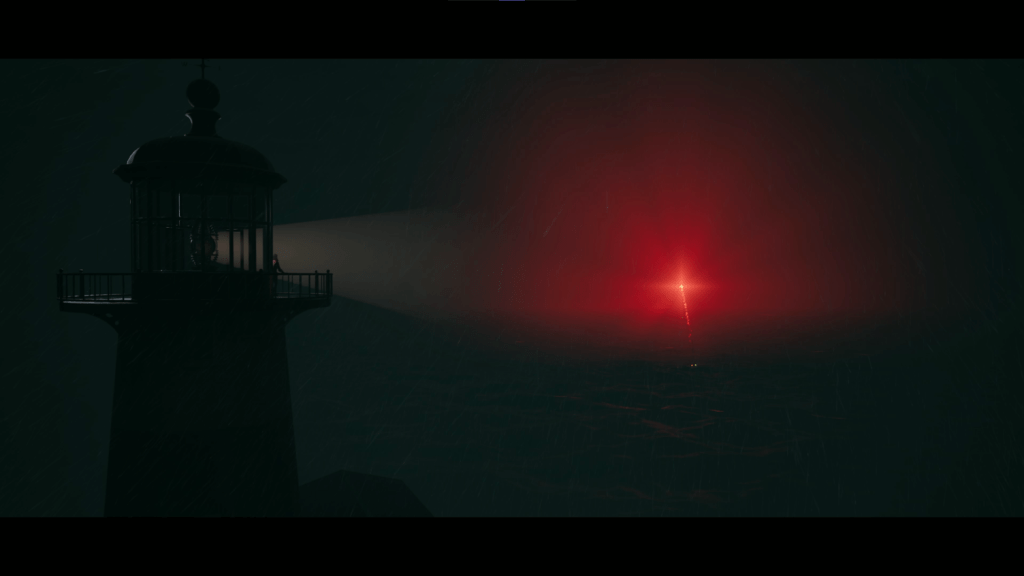
The game begins like a nightmare for anyone suffering from thalassophobia. If you have ever wondered how terrifying it would be to wake up in the middle of an endless ocean, the opening scene places you in a situation very close to that. Just before a gigantic wave swallows you whole, you awaken in a lighthouse and receive a radio call. On the other end is a woman named Cassandra, who informs you that a powerful storm is approaching and assigns you several tasks to help prepare for it. Your name is Will, and you are the lighthouse keeper. The tasks you perform seem entirely like a routine, yet it is difficult not to notice that Will appears detached from the world around him, trapped within his own thoughts and memories, as though he is desperately trying to escape something that continues to haunt him.
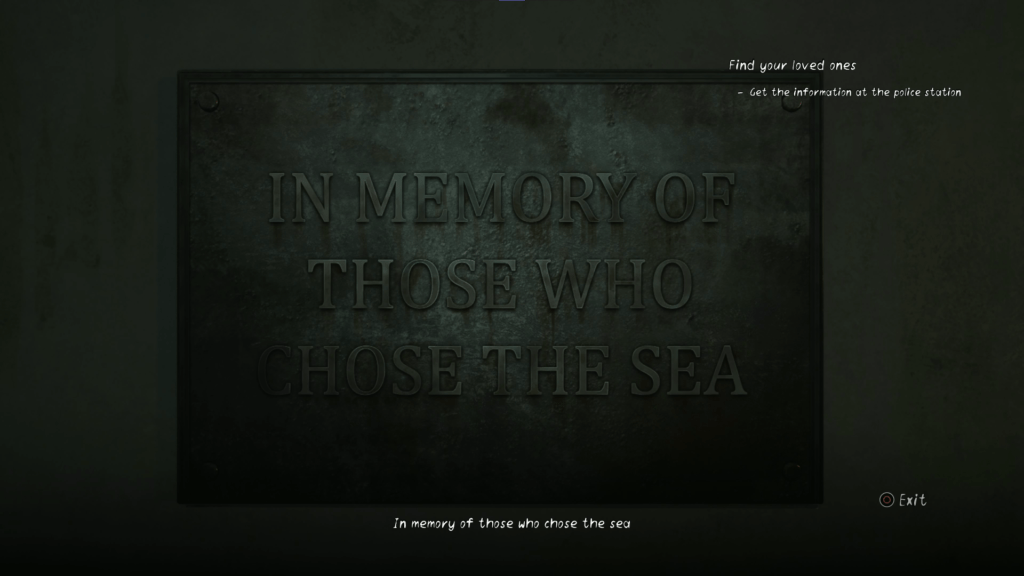
Before you have time to dwell on this longer, the storm grows stronger and increasingly relentless. Soon, a man named Greg arrives to take you back to a town almost ruined by the storm. There, you learn that your son Thomas and your father have vanished without a trace. From that moment on, the journey transforms into a powerful narrative whirlwind, an emotional and turbulent adventure filled with puzzles, dangers, and breathtaking landscapes. As you search for answers, you will face not only external obstacles but also something Will has been carrying deep within himself for a very long time.
The gameplay is fairly straightforward. It revolves around exploration and puzzle solving, with the puzzles themselves being relatively simple. Most require you to recognize patterns, find codes to unlock doors or mechanisms, press buttons in the correct sequence, or assemble objects needed to progress further. At one point, the game introduces a special lantern that offers three different colors. By using it on various drawings scattered throughout the world, you can ,,unlock” certain memories.
The lantern also becomes very useful while navigating through dense fog or melting ice to access previously blocked areas. It gradually introduces a touch of fantasy into the story, making the narrative even more intriguing. Eventually, you will also be required to master the sea itself. The game naturally and gradually introduces boat mechanics, carefully teaching you how to navigate the waves and safely travel between locations. Thanks to this approach, sailing feels like far more than a means of transportation, it becomes an integral part of the adventure and further strengthens your connection to the world and its atmosphere.
In fact, some of the most enjoyable gameplay segments may be found near the end of the game, as they were for me. In addition to all of this, you can collect model boats previously crafted by Will, various types of tea, and miniature planets left behind by your wife. Together with the drawings, these serve as optional collectables that completionists may wish to gather in pursuit of every trophy. One trophy requires completing the game in under five hours, which is entirely achievable considering my playthrough lasted around six hours while exploring thoroughly, reading documents, and collecting most of the previously mentioned items.
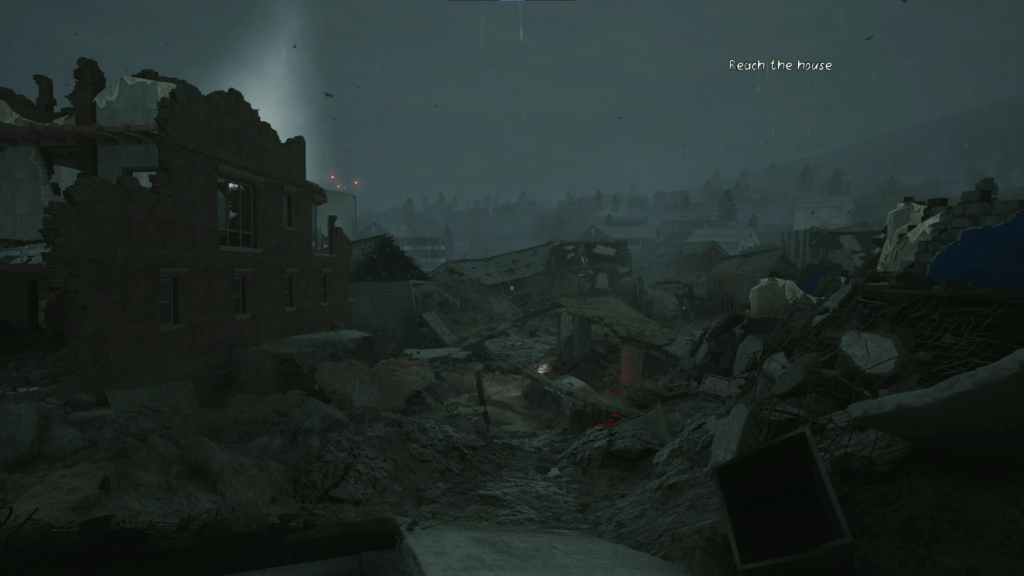
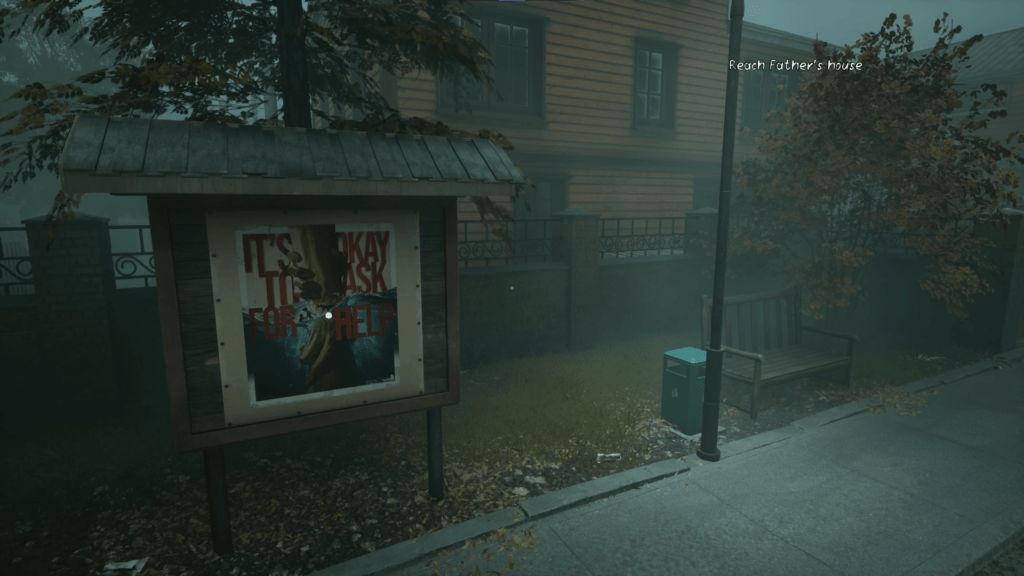
The developers make it very clear that this is a game driven primarily by its narrative, atmosphere, and soundtrack.WILL: Follow The Light presents a world painted in cold tones that perfectly complement its setting, gray skies, restless seas, and landscapes that often seem suspended between reality and dreams. Every location conveys a profound sense of loneliness, whether it is the lighthouse, the fog covered town that at times evokes memories of the opening sections of Silent Hill 2, or the northern regions illuminated by the aurora. A deep sense of melancholy, loss, and longing can be felt everywhere. Because of this, the game frequently resembles an interactive postcard which is beautiful yet deeply sorrowful, accompanying the player with a quiet sadness throughout the entire journey.
Music plays a crucial role and perfectly complements the tone of the story, elevating its emotional moments and significantly enhancing the overall experience. Trevor Kowalski, together with a full orchestra, created an original score built around themes of memory, nature, and melodies that do not demand attention but gradually earn it. However, one element that could have added even more emotional weight to the story is the performance of the protagonist, in some of the game’s most touching moments, Will’s voice sounds almost indifferent, slightly diminishing their impact.

If you are looking for a heartfelt experience that can be completed in a single afternoon, this is definitely a game that’s worth your time. It explores themes such as loss, suppressed emotions, and burdens passed down through generations, examining how the past continues to shape our lives even when we attempt to escape it. Whether you will ultimately find peace and bring everything to an end is something you will discover at the end of this journey.
Will: Follow The Light (PlayStation 5)
WILL: Follow The Light may not be a title that redefines the genre, but it is a game that leaves a lasting impression through its stunning landscapes, memorable atmosphere, and phenomenal soundtrack. Its greatest strength lies in its silence. In a brief, melancholic journey that invites you to follow the light through thick fog and storms, perhaps only to discover something about yourself along the way.


