




The Gears of War franchise holds a very special place in my heart. Aside from the fact that I couldn’t wait to play the somewhat clunky PC port of the first game, stepping into the second one with a friend back in 2011 completely blew me away. In fact, just as Halo was the sole reason I bought the original Xbox, Gears of War 2 was the driving force behind my Xbox 360 purchase. It was completely unplanned and impulsive. One evening, we had nothing to play on PC, and he casually asked, “Let’s play Gears of War 2.” I replied, “I don’t have an Xbox 360,” to which he just said, “Then go buy one.” And guess what? That’s exactly what I did. I went out, bought the console, Gears 2, and Ninja Gaiden 2, came home, and we spent the entire night tearing through the co-op campaign. Good old times. Even playing it on a massive CRT TV back then, the enjoyment was absolutely maxed out.

The Birth of a Brotherhood Under Horrific Circumstances
Because of that history, the initial reveal for Gears of War: E-Day generated sheer, unadulterated hype. Mostly because The Coalition decided to abandon the path they were carving with Gears 4 and 5 and return to the franchise’s roots. Gears of War was always dark—not exactly survival horror, but eerie, uncomfortable, and unapologetically raw. That specific tone got somewhat lost in the last two installments; or rather, after the original trilogy and Judgment. Don’t get me wrong, the fourth and fifth entries are good games, but they simply feel lukewarm compared to the first three. What makes E-Day even more fascinating is that this prequel doesn’t just return to those roots in terms of aesthetics, story, and design; it finally explicitly details how the Locust actually attacked—or rather, emerged—on Sera.
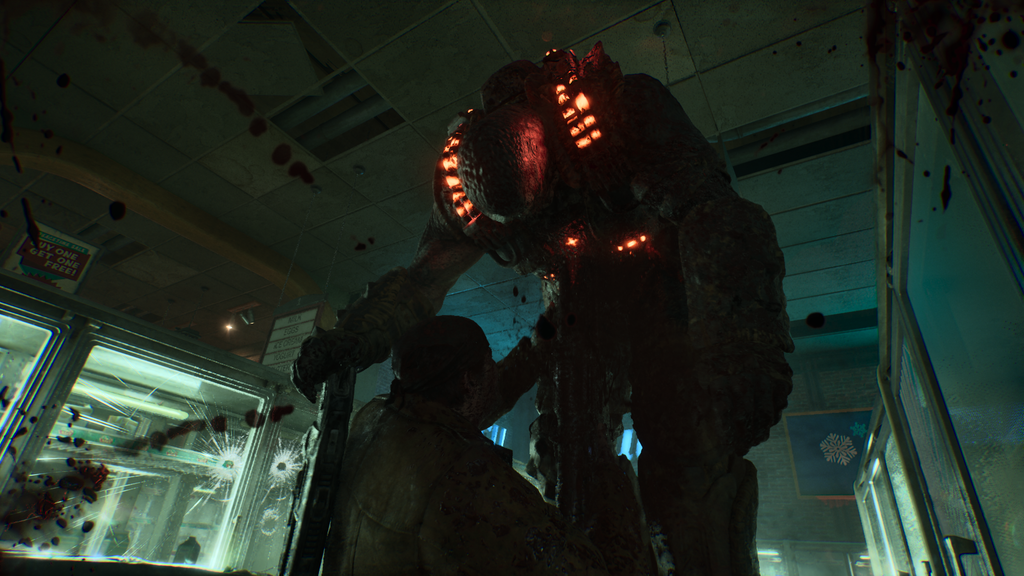
Specifically, the story takes place 14 years before the events of the very first game. The Pendulum Wars—a global conflict that engulfed Sera as human factions slaughtered each other over energy resources—had finally ended after a grueling 79 years. Everyone thought they could finally relax and enjoy the hard-won peace. But that wasn’t the case. Without warning, a mysterious, subterranean race began violently bursting from the earth: the Locust, the primary antagonists of every Gears game. It’s incredibly exciting that The Coalition finally decided to tackle the Locust origin story. Even better, at this point in the timeline, nobody has a clue what these things are, what they are capable of, where they came from, or how they even exist on this planet. That pervasive confusion and the terrifying process of discovering each Locust variant for the first time is one of the game’s greatest charms. It’s not just the player discovering them; witnessing the sheer terror of the characters as they encounter these monstrosities—or worse, massive Locust siege units obliterating everything in their path—is genuinely chilling.
As I mentioned, the game is noticeably darker and more brutal than any previous entry, and I’d easily include the original trilogy in that statement. And there is a good reason for it: nobody remains calm when they see a grotesque, subterranean race erupting from sinkholes to massacre everyone in sight. That moment of raw fear, dread, and disbelief is executed flawlessly in Gears of War: E-Day. And it doesn’t just happen at the beginning. The shocks for our main characters never cease. As time goes on, they only grow more horrified, bewildered, and completely overwhelmed by the atrocities unfolding before their eyes. Even though this is a third-person shooter—a highly brutal one at that—the rush of emotions and the overwhelming sense of helplessness are transferred to the player brilliantly.
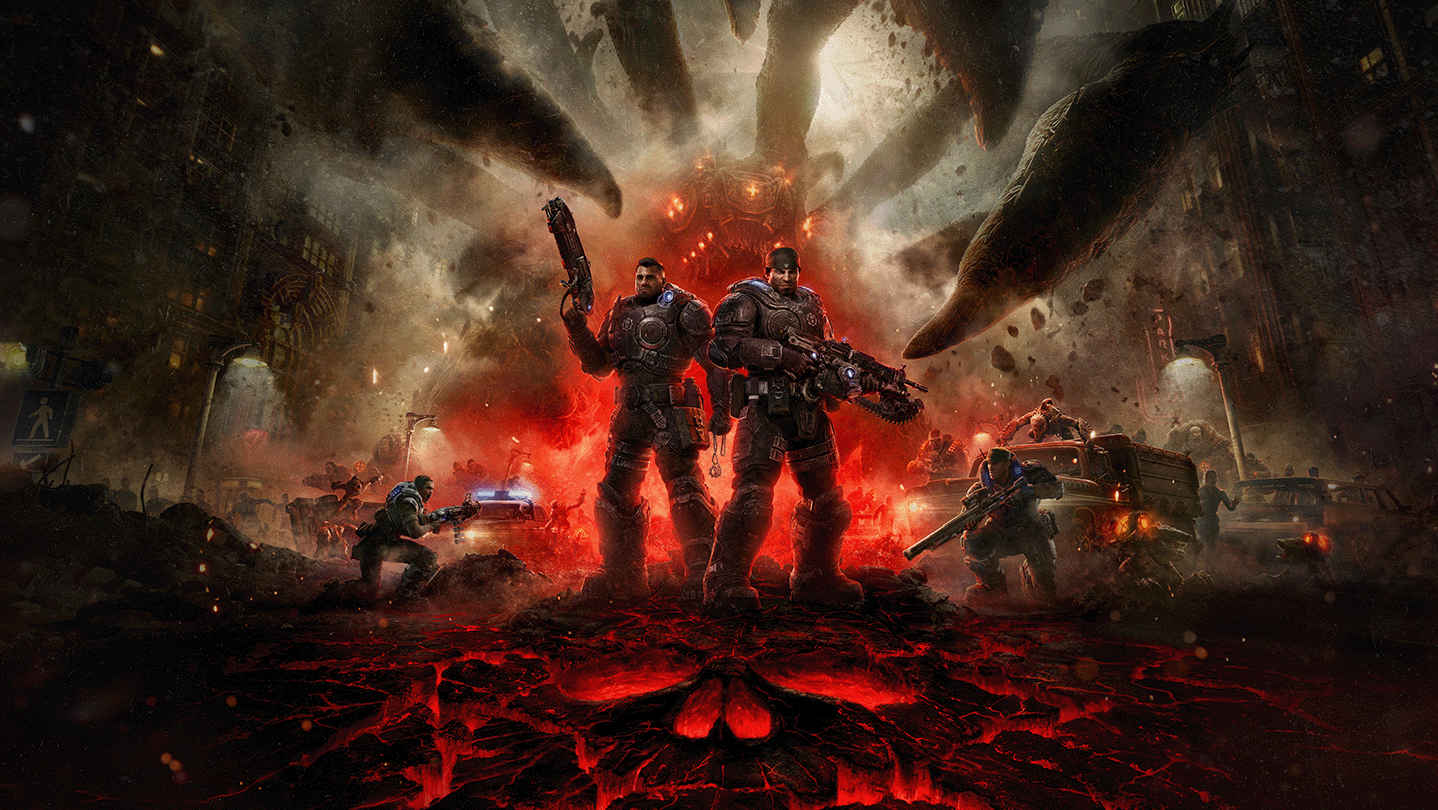
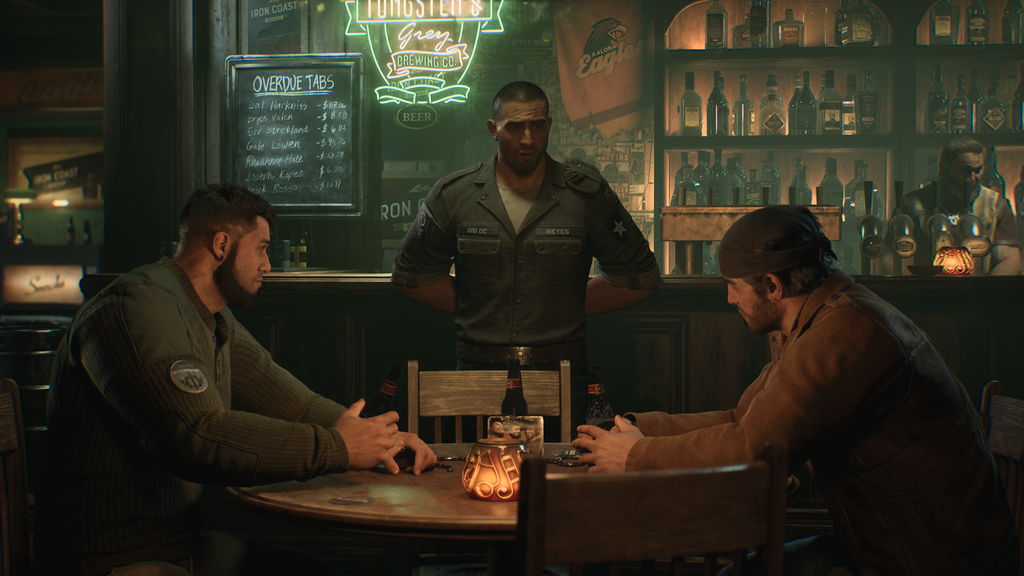
Taking center stage is Bravo Squad, led by none other than Marcus Fenix alongside Dominic Santiago—the iconic duo that defined the first trilogy, showcasing a friendship that forged itself into true brotherhood. If you played the first three games, you know the tragic trajectory of their story. Seeing Marcus and Dom together again is deeply emotional, incredibly profound, and genuinely beautiful. But here’s the catch: the Marcus and Dom we see here don’t yet share that unbreakable bond from the original trilogy. They are friends, yes, but not “brothers.” That bond is violently forged through the crucible of E-Day. Alongside the legendary duo are Lucas and Mags, two exceptionally well-written and flawlessly realized characters. You will never experience a dull moment guiding this squad through their desperate fight for survival in Kalona, the planet’s largest city.
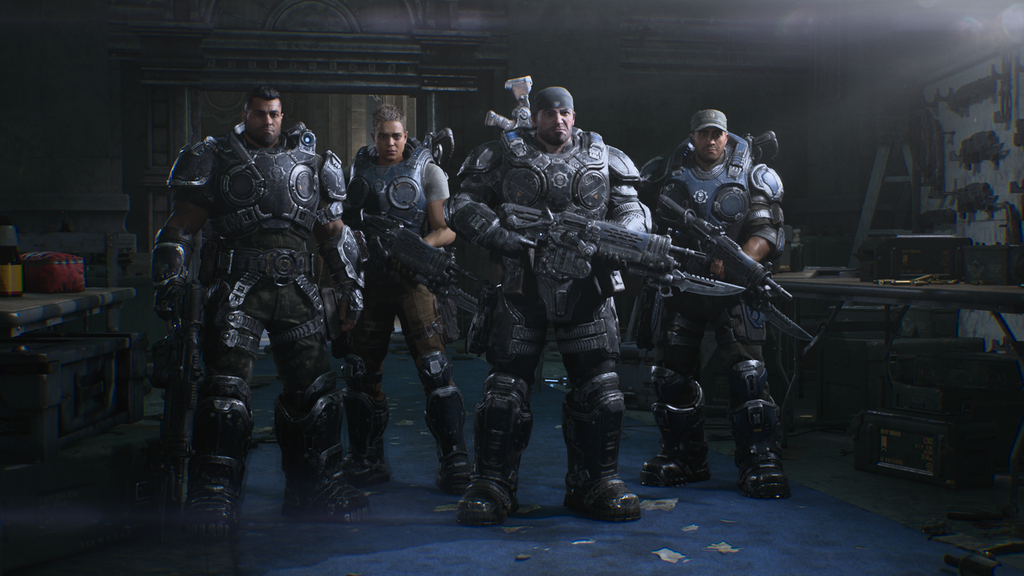
So, the Locust begin erupting everywhere across the capital, shattering the peace and the celebrations marking the end of the Pendulum Wars. Nobody expected this. Not another war. Not more suffering. What’s truly remarkable is how effectively this descent into hell is conveyed through the gameplay itself. You get to see Kalona like never before. You see civilians desperately trying to evacuate; you help those you can, and you are forced to leave others behind, fully aware of the horrific fate awaiting them. You watch the city practically collapse around you with every passing mission. The environmental storytelling is phenomenal. What begins as a relaxed evening with friends at a café spirals into a living nightmare. A city that finally thought it could exhale is suddenly twisted, destroyed, and consumed by panic.
New and Classic Mechanics Defining the Gears Experience
While the story is excellent—perhaps not flawless, but infinitely more compelling than what we got in the fourth and fifth games—everything ultimately orbits around the mechanics and gameplay. There’s no need to overthink it: anyone who has ever played a Gears game knows exactly what to expect. This is a third-person cover-based shooter, just like the five mainline entries before it, and the core mechanics remain fundamentally identical. I can completely understand why this might not appeal to everyone. Some might think, “What’s so fun about crouching behind a concrete block and popping out to shoot like it’s a shooting gallery?” But while the foundation is “simple,” the game offers vastly more depth than just playing whack-a-mole from behind cover. Even in older entries, being a cover shooter didn’t mean you or your enemies were static; you had to use that cover to flank and attack from the sides. The Locust do the exact same thing, slowly, methodically pushing and pressuring you until you are boxed into a corner or forced to the edge of an arena. However, in previous games, those encounters took place in highly linear, strictly predefined levels, which was expected.
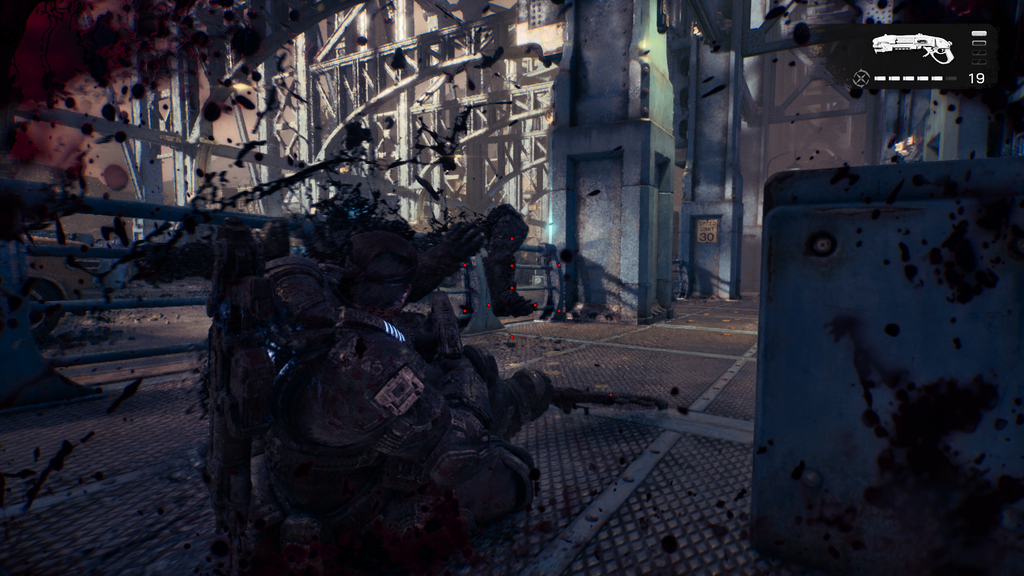
Gears of War: E-Day features two distinct types of missions, or rather, two ways encounters unfold. You have classic, focused missions akin to previous games, featuring a fixed beginning and end, and naturally, they function flawlessly. On the other hand, you have open-ended missions. A significant portion of the game takes place within the city of Kalona, and this open-level design is easily the most crucial innovation in this entry. During these segments, you are given a sprawling section of the city and specific objectives to complete within it. I have to admit, I absolutely loved this. Yes, you have critical path missions you must finish to advance the narrative, but you also have enough breathing room to walk through the streets and admire the jaw-dropping architecture and visual presentation. While exploring, you’ll naturally stumble upon dynamic side missions. You can assist civilians with evacuations, rescue ambushed COG squads, or set up traps for advancing enemy patrols. The best part is that none of these encounters feel forced or artificially injected just to pad the runtime.
The progression during these open segments feels incredibly organic. If you don’t want to help the civilians, you don’t have to. If you feel strapped for time, you can ignore the distress calls. If you just want to sprint straight through the critical path, the game lets you. It is entirely up to you how you want to play Gears of War: E-Day and how much you want to invest in its world.
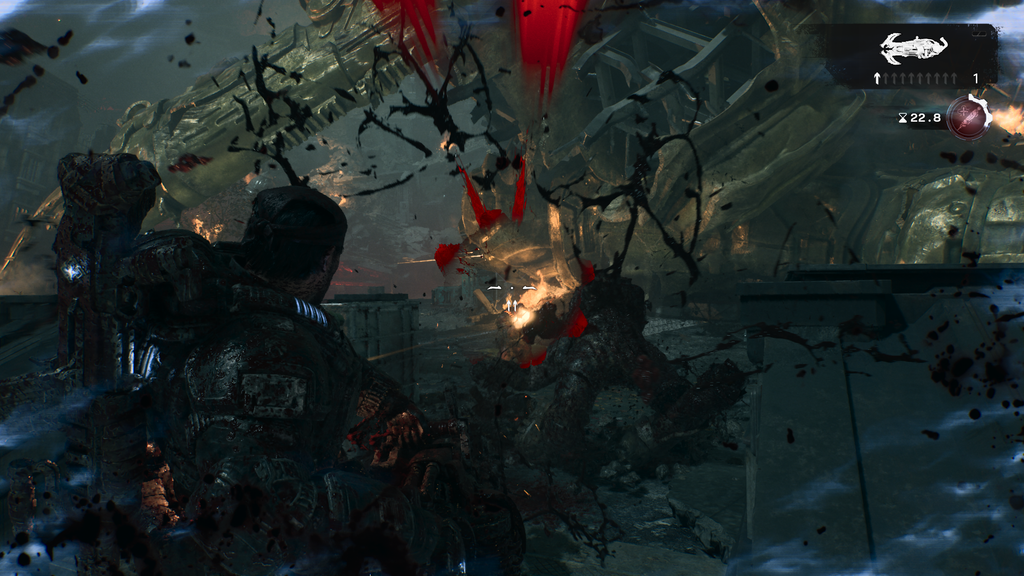
I must emphasize that the already stellar cover mechanics feel even tighter here, and best of all, the firefights with the Locust are exponentially more dynamic, especially in the open-city segments. You can actively watch the Locust advance, attempting to outflank and crush you. You genuinely feel a ticking clock pushing against you during every shootout. I have to admit, the Locust in E-Day look and act vastly more decisive and brutal than in any previous game. I heavily prefer their behavior here, even though it isn’t perfect—occasionally they’ll take a path or make a tactical decision mid-fight that doesn’t make much sense. But it’s the little details that truly impress.
Being a third-person shooter doesn’t mean you won’t witness some gloriously gruesome combat framing. When a Locust charges you, and you blast their legs with the Gnasher, their torso carries the momentum forward while their severed legs stay exactly where you shot them. Those microscopic details and the franchise’s signature brutality work in perfect harmony to deliver incredibly dynamic combat where something is always happening, forcing you to constantly stay on the move. This is heavily amplified in the open-city sections, because you aren’t the only one utilizing the sprawling urban arenas—the Locust do too. If you are playing on a higher difficulty, they will systematically flush you out of your position if they decide they want that ground.
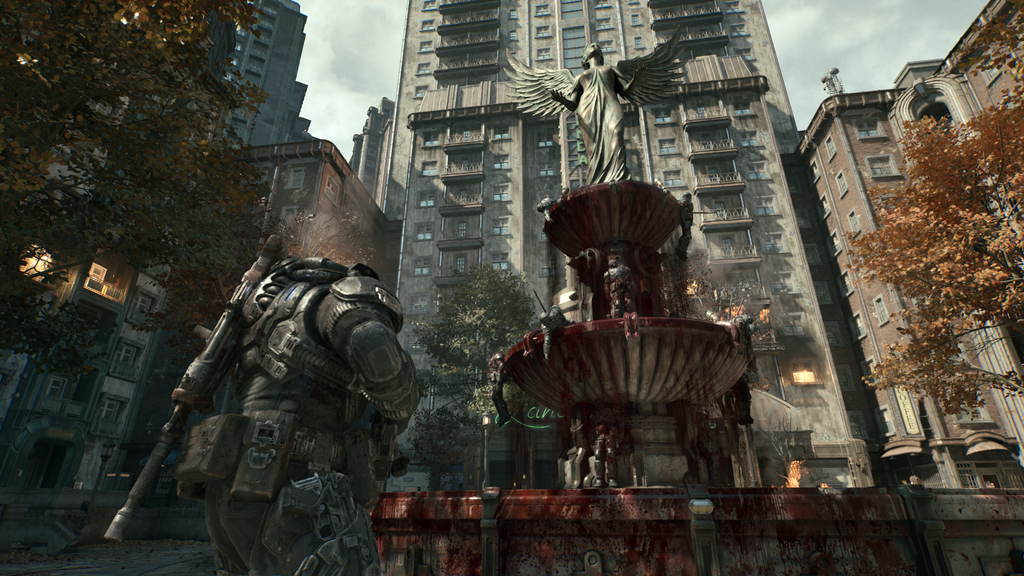
Since you are encouraged to move more, the franchise has finally introduced some new traversal mechanics, specifically jumping and sliding. Yes, it is highly uncharacteristic for a Gears game, but I must admit it works beautifully when chained together. Because of this, the control scheme feels slightly different from legacy titles, but it’s nothing you won’t completely master within the first hour of play. These new mechanics allow for far greater mobility during combat, letting you secure firing angles and positions you previously couldn’t reach. Simply put, these additions make the game significantly more dynamic and fast-paced, which is a massive plus.
It is genuinely fascinating how The Coalition managed to retain the heavy, grounded mechanics that make Gears what it is, while simultaneously injecting fresh ideas that make everything feel new and exciting—without ever shattering the illusion of what a Gears game is supposed to be. It’s a very smart balancing act.
And just as a quick note: as with all previous mainline entries, the entire campaign can be played in co-op with up to four players. The game also supports local split-screen, which is a glorious sight to behold in 2026.
Upgrades, Weapons, and the Birth of a Legend
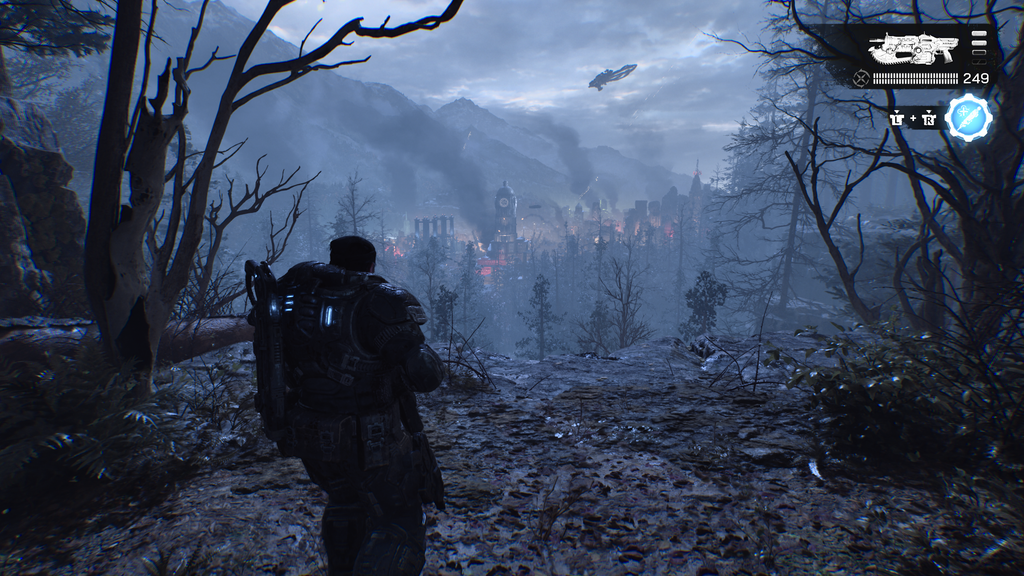
Another feature I loved is the return of the classic arsenal, spiced up with a few new additions that further elevate every firefight. However, weapons are no longer entirely static in their utility. As you progress, you will discover mods for both your firearms and your armor. Yes, you can upgrade your weapons. This doesn’t magically turn the game into a complex RPG—far from it—but these mods enhance the handling, provide a better feel during use, or grant crucial perks that you will desperately need in certain encounters.
E-Day also chronicles the birth of the legendary Chainsaw Lancer. But what I loved even more is the subtle narrative of how that iconic weapon eventually replaced the Retro Lancer—or as it’s called here, the Lancer Mk1—which happens to be my absolute favorite assault rifle from previous games.
What remains incredibly satisfying is just how punchy and visceral firing every single weapon feels. You can feel the sheer kinetic weight of every bullet, whether you are wielding a Breechshot or a Lancer. You feel the deep, guttural thud of the Gnasher, immediately followed by the wet crunch of a Locust tearing apart right in front of you. It is astoundingly satisfying, no matter how relentlessly bloody and brutal the action gets.
Multiplayer Modes
As magnificent as the campaign is, it eventually ends. And when the credits roll, you will inevitably crave more. The multiplayer modes in this game are the perfect avenue to continue your E-Day adventure.
Right out of the gate, you have the classic Versus mode, which is more polished than ever before. My only grievance is that it launches with only six maps and lacks the ability to select specific game-mode playlists, like Objective or Team Deathmatch. Veteran players generally prefer Objective modes because they simply flow better than standard TDM. However, the massive influx of new players frequently results in lobbies overwhelmingly voting for TDM. This can lead to serious frustration for hardcore fans. I understand the decision, though; the game is brand new, and The Coalition likely wants to avoid fracturing the player base across niche playlists early on. Still, I firmly believe we will eventually get dedicated playlists so everyone can queue exactly for what they want to play.
Interestingly, the new traversal mechanics haven’t ruined the classic Gears multiplayer feel; they’ve simply added another layer to the skill ceiling that you must master. Veterans who already know how to wall-bounce and maneuver in Gears will quickly adapt to jumping and sliding, while newcomers will likely struggle a bit more.
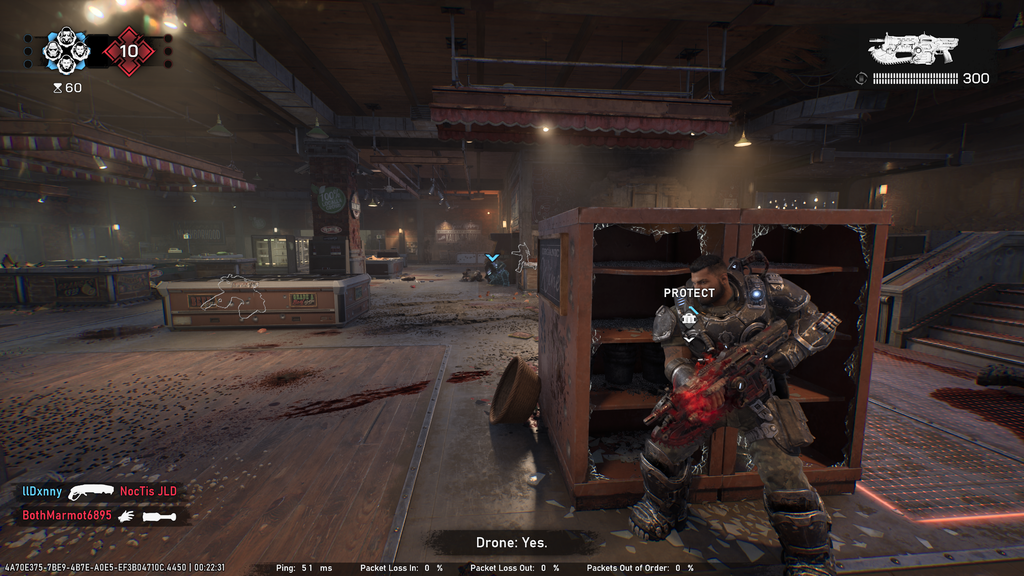
Having said that, I think the learning curve is the game’s biggest multiplayer hurdle. Gears has a massive, dedicated fanbase that has been rabidly waiting for a new title to jump into modernized maps with gorgeous graphics. Then you throw a wave of completely new players into the mix, and the reality is that the Gears multiplayer learning curve is notoriously steep. And veterans show absolutely zero mercy to rookies. If someone genuinely wants to learn and become competitive, they have to put in serious effort and possess a mountain of patience, because the game can be incredibly frustrating if you don’t understand the movement tech. I genuinely think The Coalition should have implemented some form of “Rookie” playlist specifically for newcomers who want to learn the ropes without getting constantly bodied by ten-year veterans.
On the flip side, we have Horde Siege—the next evolution of the iconic Horde mode. Unlike Versus, this is purely PvE, and the best part is that your four-player squad is no longer alone on the map. You are joined by two other four-player squads, meaning every match features 12 players in total.
There is a brilliant reason for this expansion. Unlike the static Horde modes of the past, Horde Siege takes place across an open section of the Kalona map, utilizing that fantastic “open level” design philosophy. And I have to admit, it works absolutely flawlessly! Each squad receives specific objectives they must complete before they are allowed to extract. You can scavenge weapons and build fortifications tied to specific tasks. But the best part is the organic camaraderie; if your squad gets pinned down, the other teams can push in and bail you out. Naturally, when massive siege bosses spawn, all three squads must converge and coordinate to bring the colossal Locust down.
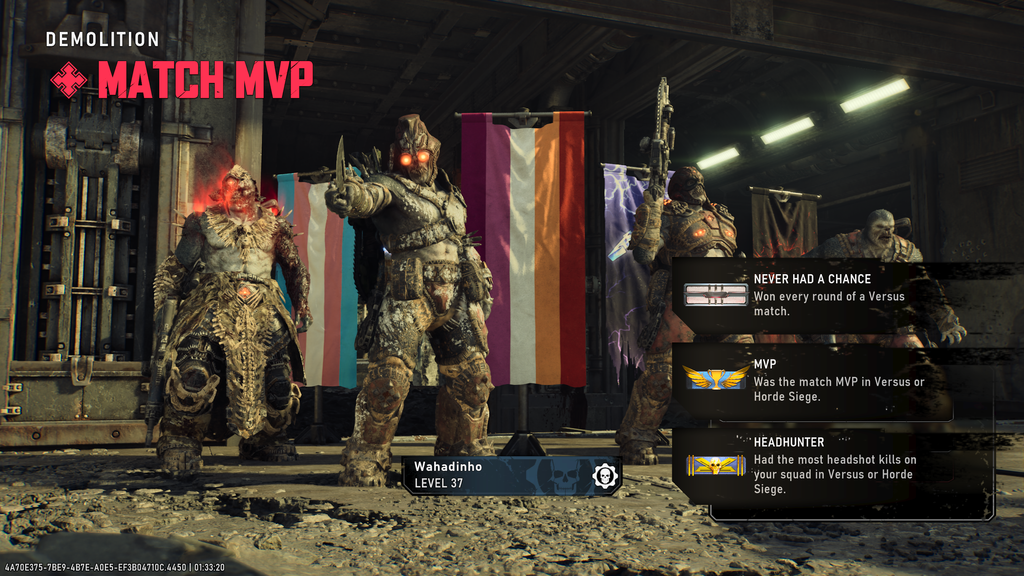
For newcomers, I think Horde Siege is the perfect extension of the campaign experience. Because it’s strictly PvE and heavily focuses on team cooperation, it’s a much less toxic environment to learn the mechanics—especially if you have a full squad of friends to play with.
Graphics, Presentation, and Megalights
Gears of War: E-Day was built using the latest iteration of Unreal Engine 5. That isn’t exactly shocking news, considering the Gears franchise has historically served as the definitive benchmark for the Unreal Engine back when Epic Games helmed the series. What is shocking is just how breathtakingly gorgeous the game looks and how (nearly) flawlessly it runs. The secret is that E-Day utilizes tech we didn’t even think was viable on this console generation. One of those technologies is Megalights.
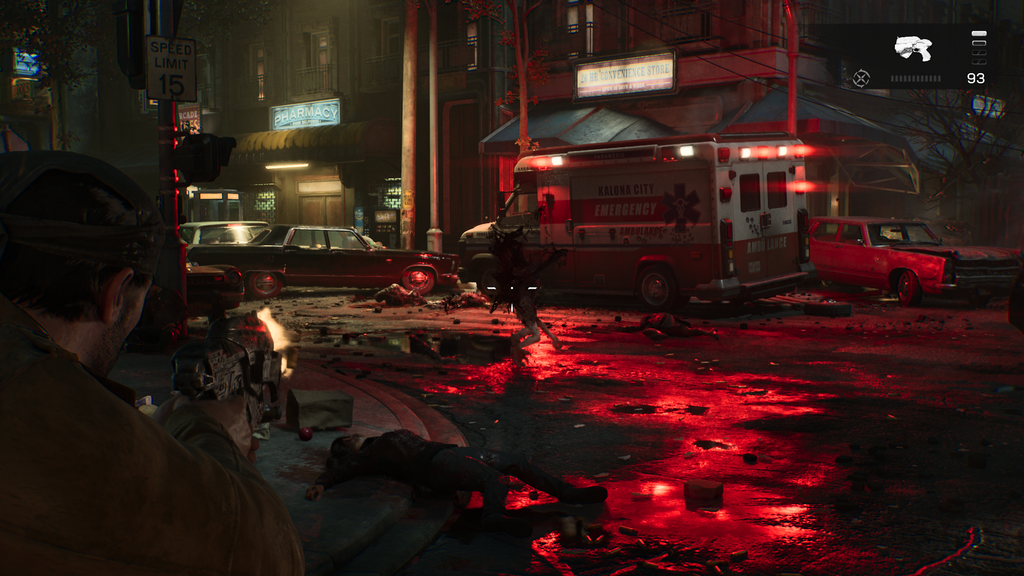
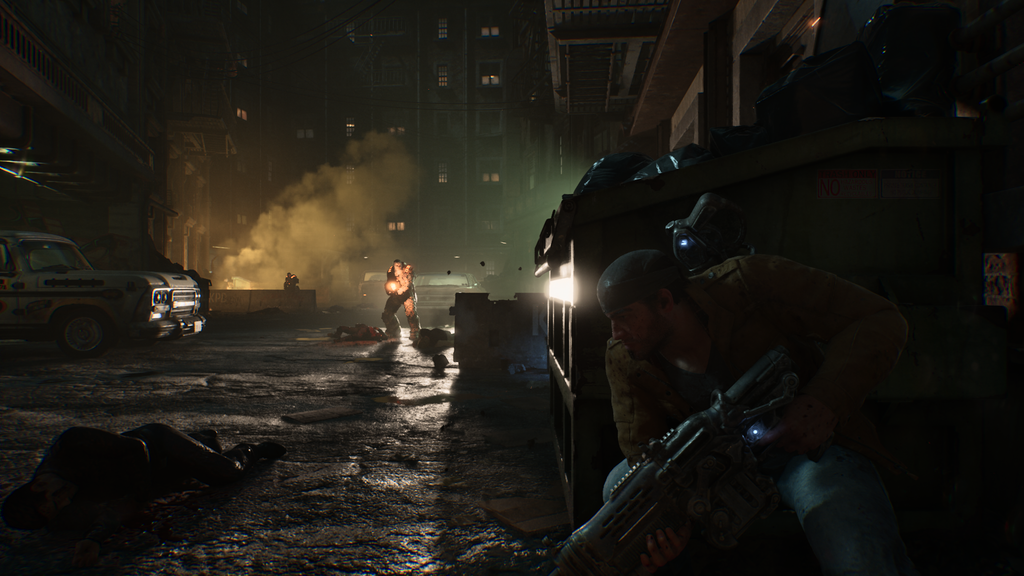
So, what exactly does Megalights do? It essentially does for lighting what MegaTextures did for geometry. In practical terms, the game can render an unbelievably massive number of dynamic light sources, and best of all, every single light casts its own accurate shadow on characters and objects within the world. Now, because a significant chunk of the game takes place during the day, this tech isn’t always immediately obvious. But the first hour or two of the campaign takes place in pitch darkness, and that is where this technology truly flexes its muscles. It elevates the scene in every conceivable way.
It’s only when you play Gears of War: E-Day that you realize just how crucial lighting is to a game’s atmosphere and how much life it breathes into a scene. Megalights, combined with MegaTextures and Raytracing support on consoles, creates the illusion that the city of Kalona is a genuinely living, breathing place even as it is violently torn apart. No matter how horrific and brutal the on-screen action gets, it is undeniably gorgeous.
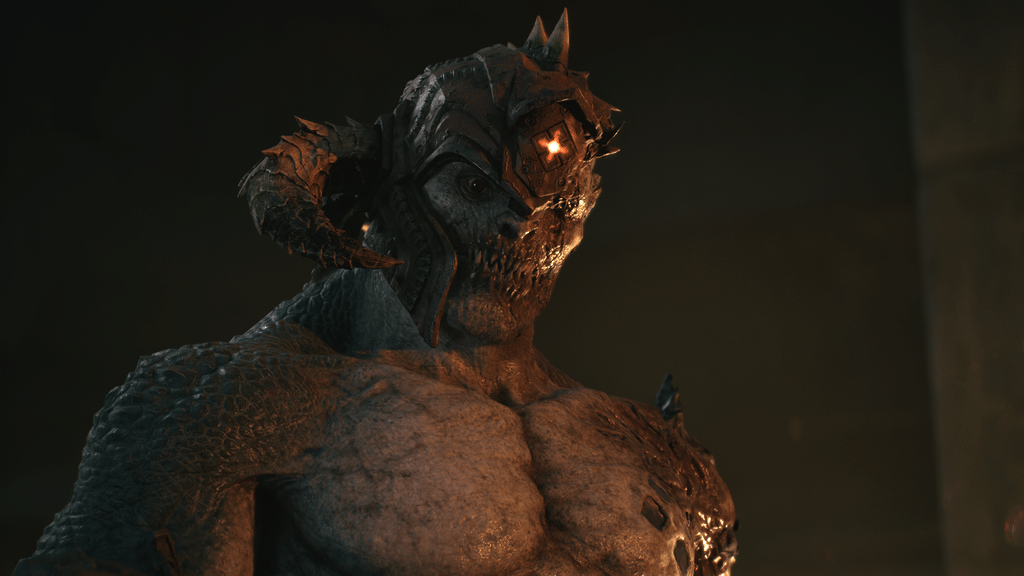
Alongside Megalights, the aforementioned MegaTextures essentially eliminate texture pop-in. The difference compared to standard texture streaming is night and day; it is incredibly refreshing to play a massive AAA game where pop-in is eradicated in 99% of scenarios.
When you combine all these elements, Gears of War: E-Day is easily the most beautiful game I have ever played. Yes, it’s Gears, and everyone knows the visual pedigree associated with that name, but the sheer volume of micro-details and the flawless execution are staggering. The textures, the facial animations, the particle effects, the jaw-dropping lighting—everything is genuinely perfect.
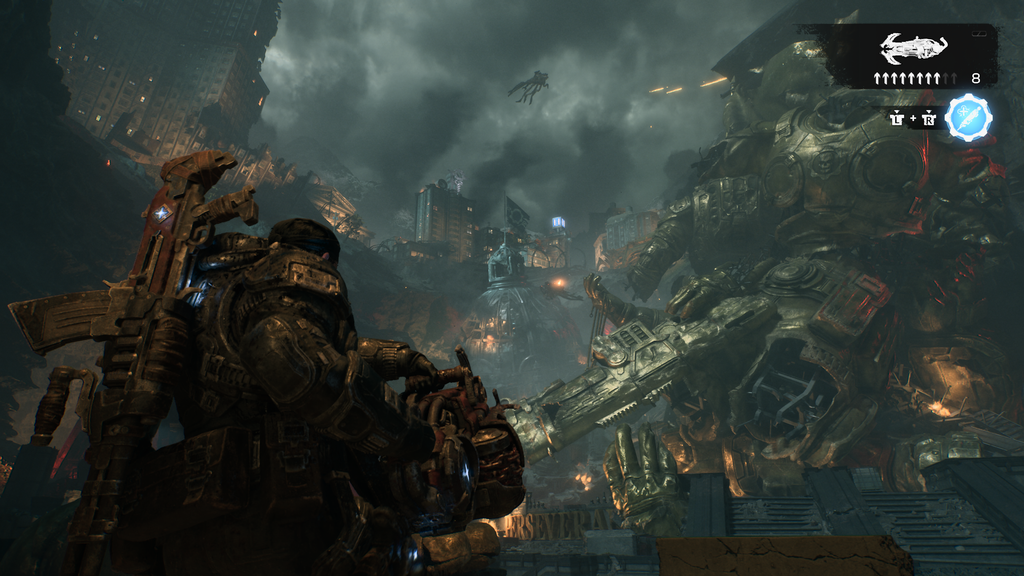
Of course, Unreal Engine 5’s cutting-edge tech does the heavy lifting, but none of it would be nearly as effective if the core art design wasn’t utterly masterful. Kalona is a city dominated by retro-futurism blended with heavy gothic architecture, and it is a sight to behold. Gears has always excelled at cramming a lot of detail into a single frame, particularly with those massive gothic structures. But E-Day takes it to an entirely different level. In certain vistas, you can practically see the entire city skyline, towering rooftops, and breathtaking horizons. Screenshots might convey a fraction of what I’m talking about, but it’s only when you actually play it that you comprehend how phenomenal it is in every regard. I am completely blown away by the graphics, and honestly, I don’t think I could find a single visual flaw. I doubt anyone else could, either.
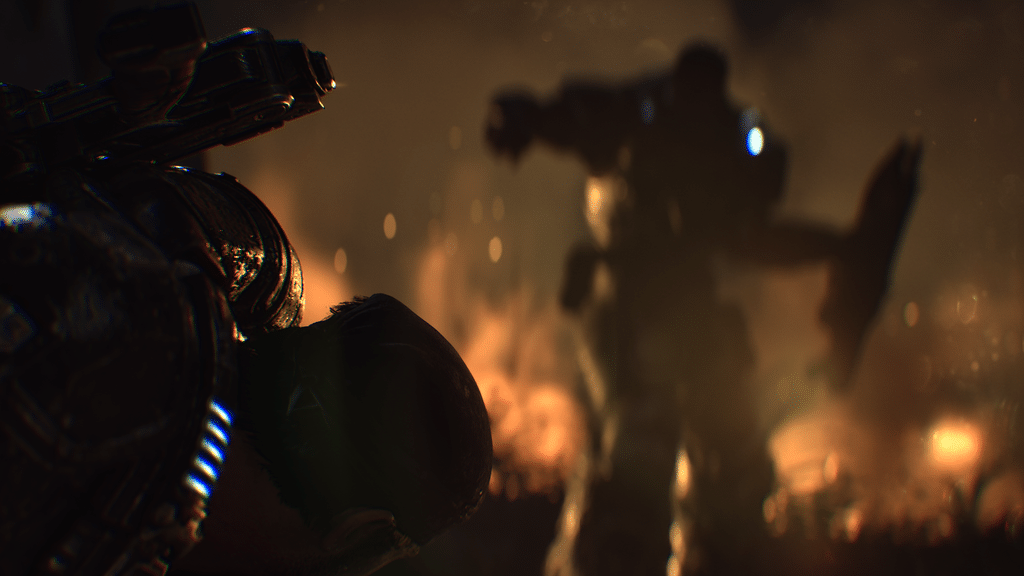
We would like to thank Xbox Game Studios for providing us with a copy of the game for review purposes.
Gears of War: E-Day (Xbox Series X)
Gears of War: E-Day is an absolute masterpiece and the perfect return to form for the franchise. Xbox and The Coalition made the brilliant decision to plug a massive narrative hole that fans have been wondering about for nearly two decades: how did Emergence Day actually happen? E-Day answers that question flawlessly. Thanks to smart mechanical tweaks and new traversal options, the gameplay is never dull; it is constantly engaging, always pushing you to see what horrific set-piece comes next. Because of all this, I firmly believe this is yet another massive win for the Xbox exclusive lineup. I know it’s been a long time since Gears 5, but we couldn't have asked for a better resurrection of the franchise. The only question now is: where does The Coalition take this fantastic series next? We will have to wait and see, but until then, this incredible package will easily keep us occupied for hundreds of hours, whether in the co-op campaign or the addictive multiplayer modes.


