






When Tides of Annihilation was first announced, it seemed promising, though I genuinely didn’t know what to expect because everything looked a bit too… artsy. Because of that, I couldn’t wait to play the demo at Gamescom, but my lack of clear expectations meant I approached it with a heavy dose of reservation. I figured it was better to be pleasantly surprised than completely disappointed if it didn’t match whatever I’d built up in my head. Thankfully, Tides of Annihilation turned out to be a fantastic experience—arguably one of the best at this year’s Gamescom!

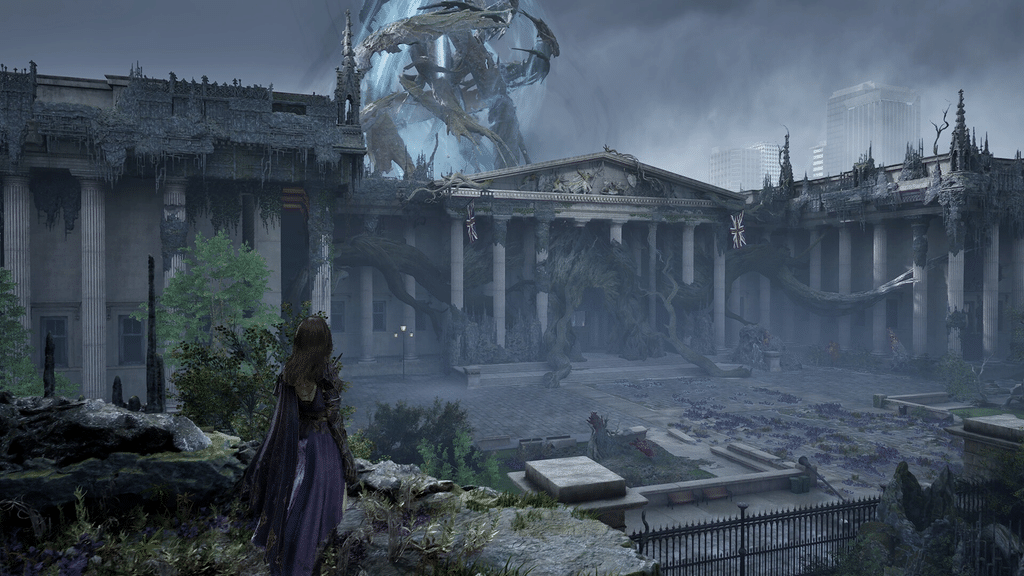
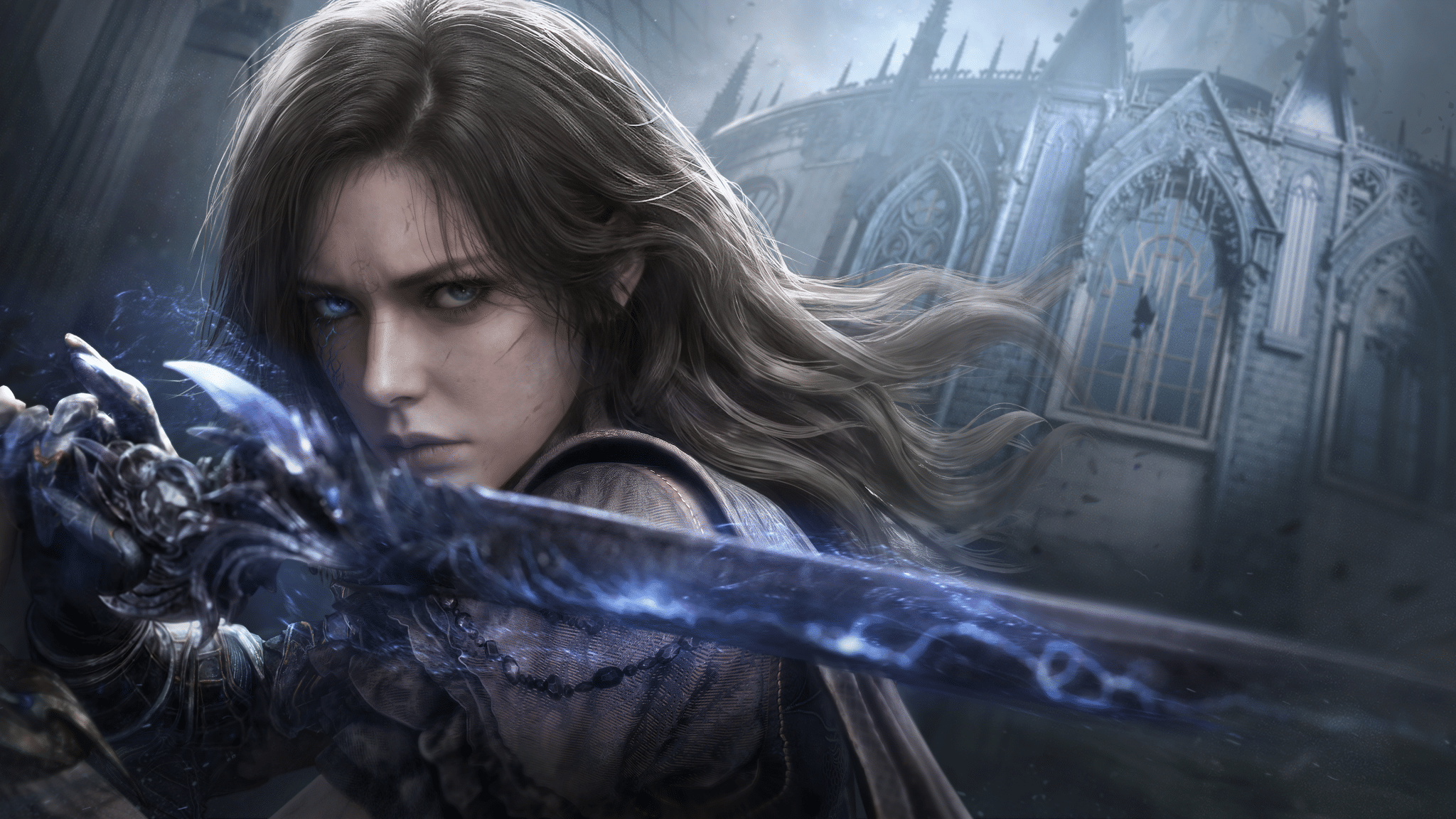
The first thing that blew me away was the setup and the overall atmosphere. The story takes us to an alternate, ruined London swallowed by a mysterious “Otherworld” invasion. Gwendolyn is one of the few survivors, setting out to find her sister and uncover the truth behind what happened to the world. Tangled up in all this is the legend of King Arthur, the Holy Grail, and the Knights of the Round Table, but Eclipse Glow didn’t just craft a classic medieval fantasy. Instead, they took recognizable modern London landmarks and completely warped them, causing reality and fantasy to overlap. The London we know no longer exists. Buildings are shattered, streets are twisted, and the Otherworld bleeds over everything. One moment you are traversing the ruins of a modern city, and the next, it feels like you’ve stepped straight into some version of Camelot. That exact contrast gives the game an identity far stronger than just “another dark fantasy action RPG.” The Gamescom demo showcased a slice of this world through the Great Russell Museum—a completely mutated version of the British Museum. Here, Gwendolyn was hunting for the Book of the Dead, and the path to it was a mix of combat, exploration, platforming, and light puzzle-solving. One section of the demo even took us through an Egyptian mythology exhibit, perfectly illustrating how eager Eclipse Glow is to blend different mythologies with their Arthurian foundation.
If I’m being honest, though, the exploration isn’t what surprised me the most. It was the combat! Tides of Annihilation utilizes a system the studio calls the Dual Frontline Battle System, and its core concept is brilliantly simple. Gwendolyn never fights alone. During combat, she can summon spectral versions of the Knights of the Round Table, weaving their attacks seamlessly into her own combos. The absolute best part is that the Knights aren’t just assist characters that pop in, throw a punch, and vanish. You actively build your combos using their abilities. In the demo, you could equip different pairs of Knights and inject their moves directly into your attack string. One might deliver a heavy strike that launches an enemy into the air, while another slows down time around them, giving you a massive window to extend your combo. On the surface, it feels reminiscent of Devil May Cry, Bayonetta, or even certain parts of Final Fantasy XVI. Gwendolyn has light and heavy attacks, she can dodge, parry, and chain her strikes with the Knights’ abilities. But once you start experimenting with different loadouts, you realize the Knights aren’t just there for visual flair—they are genuine, deep layers of combat mechanics.
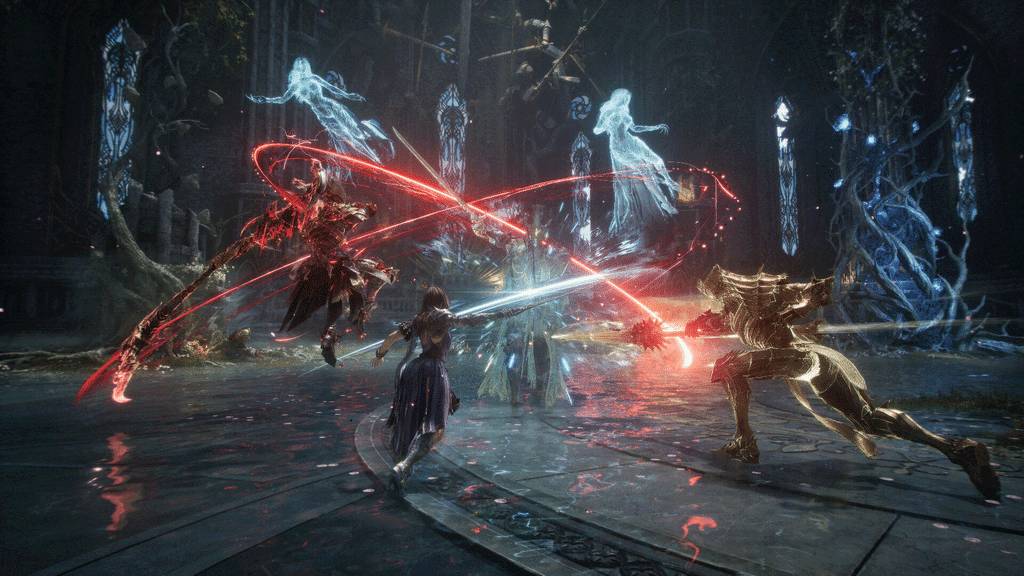
When all of this comes together, the combat is SPECTACULAR, and best of all, incredibly fluid and natural. It never gets boring; it constantly demands your focus, pushing you to execute the best combos possible. Fights get hectic very quickly, meaning positioning is critical. You have to watch what the enemy is doing, actively try to parry when necessary, dodge when you can, and remain as aggressive as possible. The demo lasted about 45 minutes, but there wasn’t a single dull moment. As soon as my time was up, I immediately wanted to stay and play the whole thing over again, but I simply didn’t have the time, nor was I allowed to.
Then there is the exploration, which is excellently executed and adds a wonderful layer of depth to the game—almost functioning as a standalone pillar of the experience. The Great Russell Museum was beautifully designed, featuring several interesting routes, hidden collectibles, platforming sections, and light puzzles. In certain areas, you use the Knights’ abilities to move heavy objects or shoot targets with a bow to open new paths. You can also hunt down cosmetic items, skins for Gwendolyn and her weapons, as well as upgrades for your Knights.
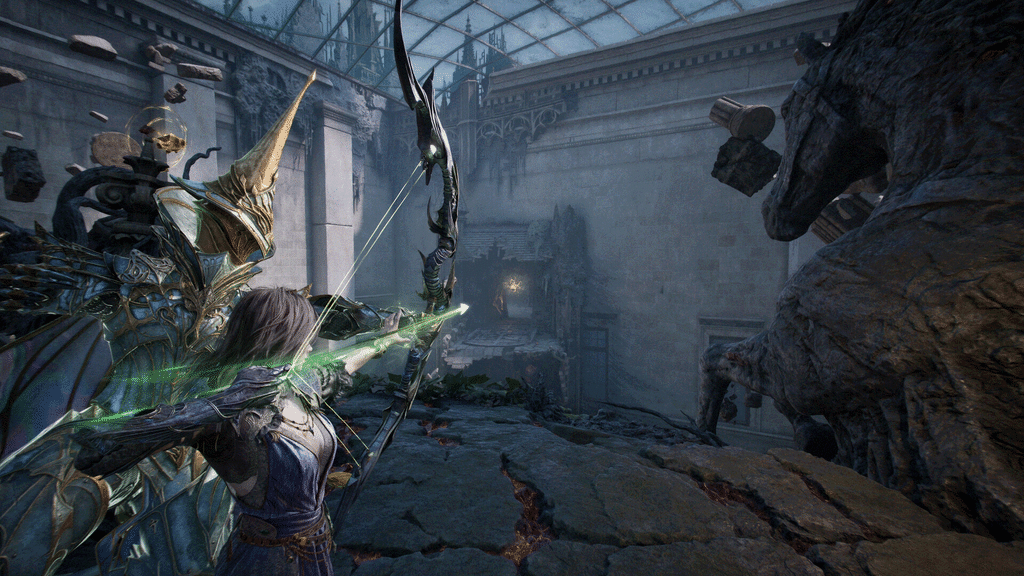
However, as fun as the exploration is, I have to circle back to the combat to highlight the boss fights, which are absolutely phenomenal. Each boss was drastically different from the last. One featured a brilliant mechanic where your health constantly drains if you aren’t attacking, practically begging you to stay on the offensive so you don’t have to reload a checkpoint. Best of all, the boss fights are genuinely challenging; they aren’t just there to pad the runtime. You can clearly see the development team poured a lot of care into designing them.
On top of all that, Tides of Annihilation boasts a fantastic visual identity—the game looks simply GORGEOUS. Now, I know all of us lucky enough to play it were running it on some monstrous PC (which was actively roasting my legs under the desk), but the game truly looks spectacular. The level of detail, the complexity of the scenes, and everything rendered on screen deserves high praise. Not to mention the character models, which are also phenomenally crafted. I literally couldn’t find a single flaw in my 45 minutes of playtime, which is highly commendable.
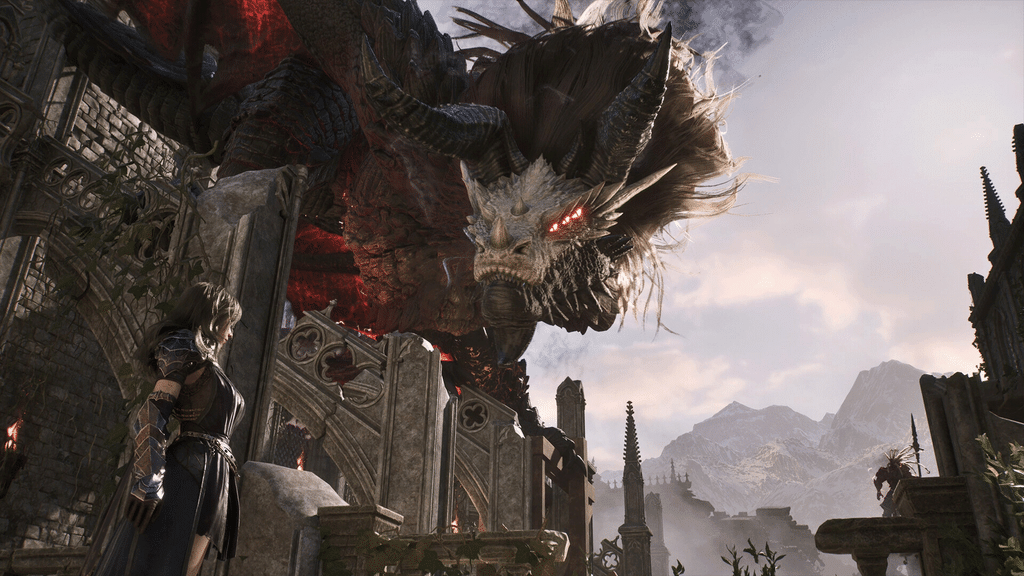
Tides of Annihilation is easily one of the most pleasant surprises for me at this year’s Gamescom. We don’t have a firm release date yet, but I’m hoping it drops shortly after 2027 kicks off. I firmly believe that any player who enjoys fast-paced, high-octane action games is going to absolutely love this one.


