





Cinder City was one of those games I couldn’t wait to check out at this year’s Gamescom. Mostly because the core premise hooked me right away, and on top of that, the reveal trailer was more than enough to pique my curiosity about what this game actually is. What that trailer showed looked genuinely appealing, but I certainly didn’t expect it to be a horror third-person shooter featuring a shared world with other players. All in all, let’s dive into our impressions, and maybe you’ll find something to love in what you read here.

The narrative transports us to an alternate future where 23rd-century technology violently collides with the world of the 21st century. The arrival of people from the future triggers massive ripples through history, irrevocably altering it, and Seoul becomes one of the central focal points of a completely devastated world. Players step into the boots of a Cinder Knight, a sort of supersoldier augmented with futuristic technology. One of the core narrative drivers is the search for a missing daughter alongside the desperate struggle to reclaim control of the city. We were told the game will feature a substantial narrative component, but this Gamescom showcase was deliberately almost entirely focused on gameplay, leaving the story as one of the biggest question marks for now.
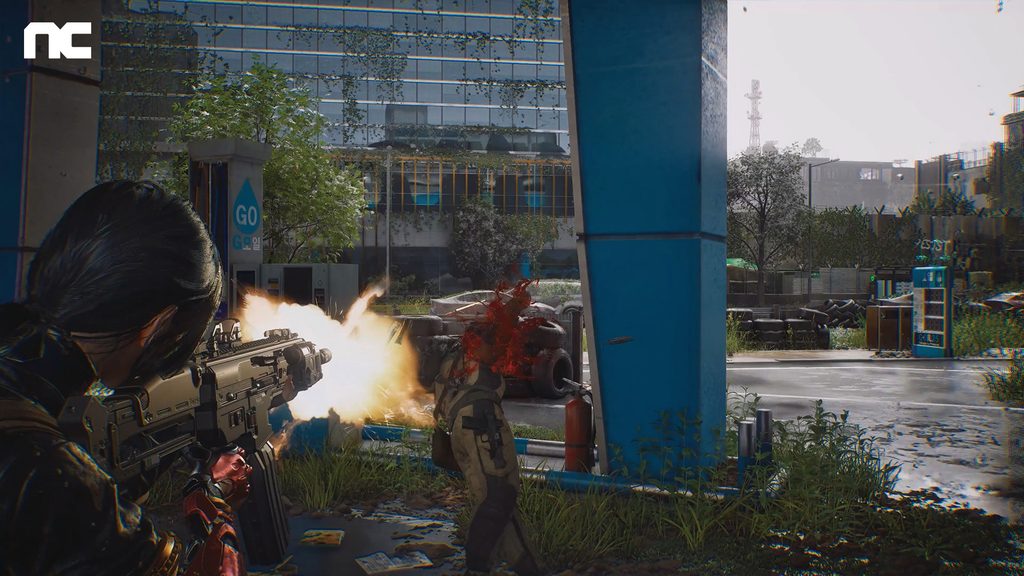
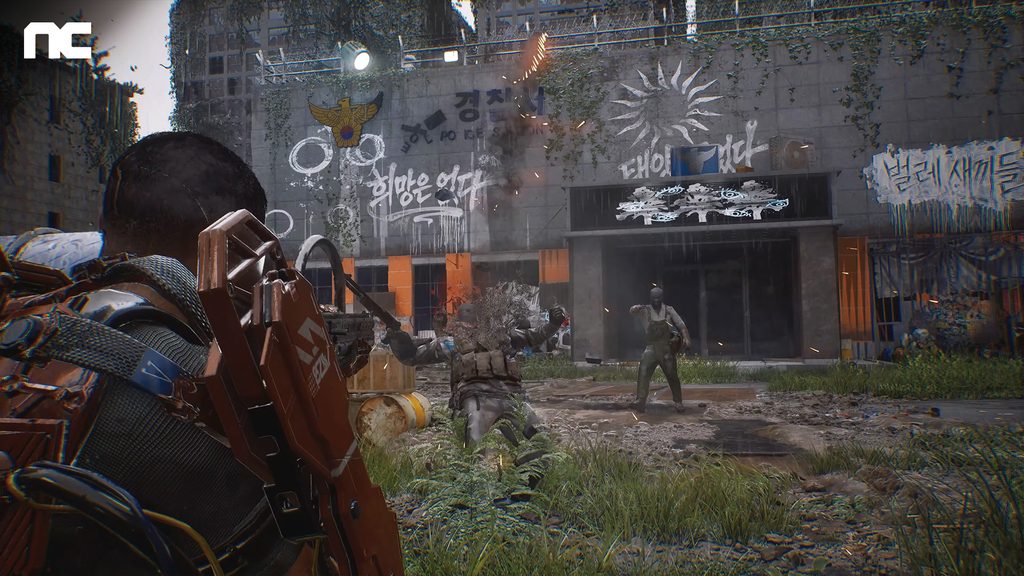
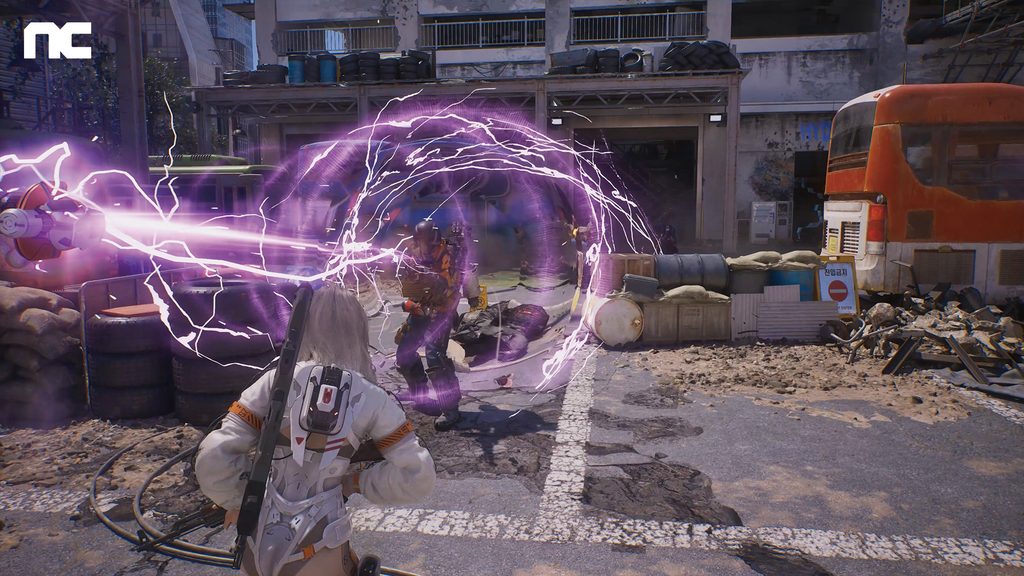
What was far clearer was the way Cinder City intends to function as a shooter. The demo we witnessed, spanning several distinct sequences, focused exclusively on action. One showcased segment kicked off with a helicopter drop straight into a fierce firefight against waves of adversaries. What immediately stood out was just how heavily the game emphasizes cover mechanics. Practically every arena shown featured ample structures to hunker down behind, rotate positions, and line up your next offensive angle while enemies rained fire from multiple directions. Concurrently, the arsenal is quite diverse, encouraging you to bring the right tool for the job. A shotgun is ideal when an enemy closes the distance, while a sniper rifle or precision rifle allows you to pick off targets from afar. However, the most profound departure from a conventional third-person shooter occurs when boss encounters enter the fray. Cinder City clearly aims to model its boss battles after MMO raids, evident in the distinct roles players assume during encounters as well as the bosses’ intricate attack patterns. In one demonstrated battle, the boss altered his attack routines based on the players’ approach vectors, requiring the squad to coordinate blocks, parries, defensive shields, and expose the enemy’s weak points so the rest of the team could dish out serious damage.
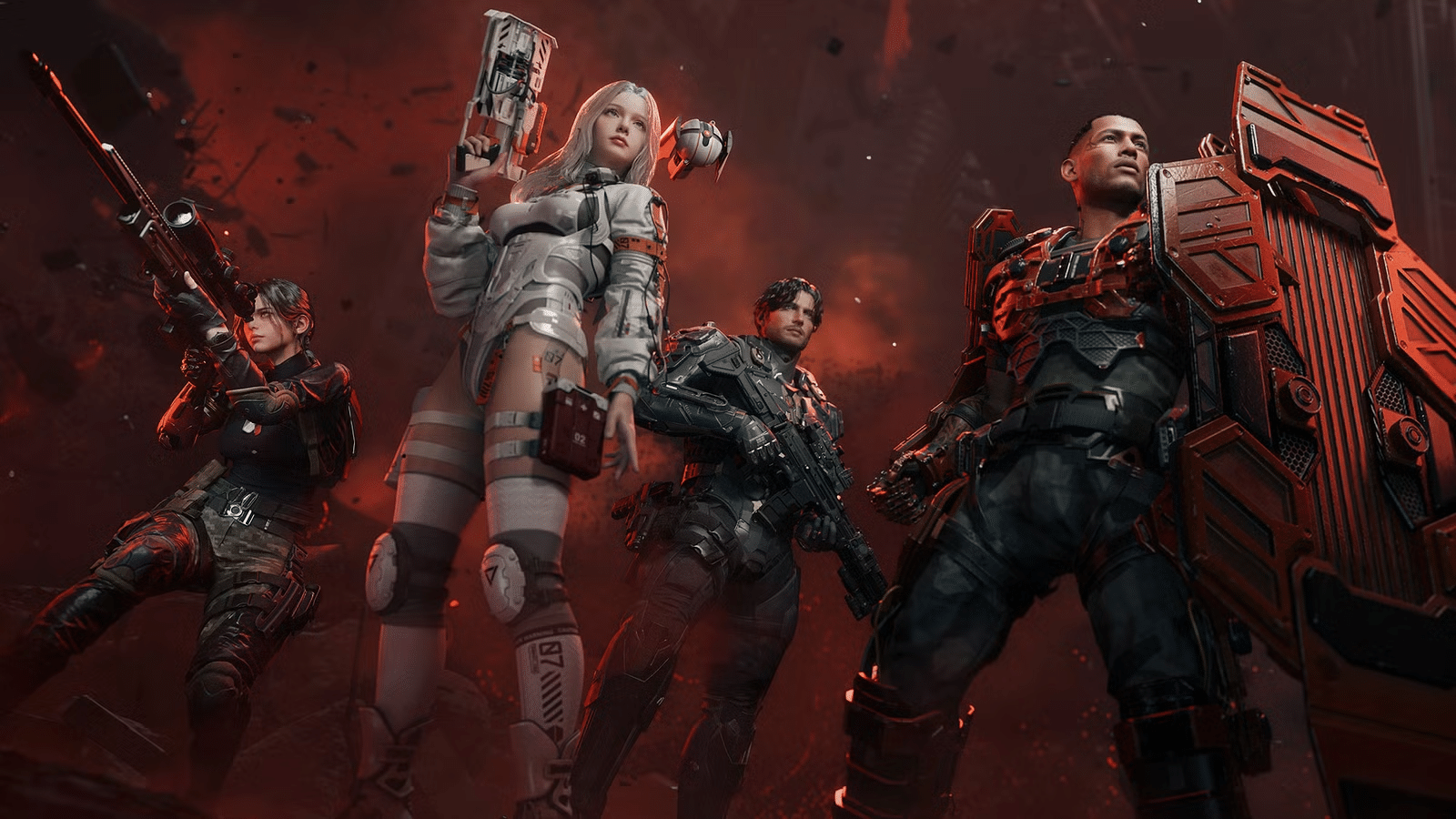
This is where Cinder City becomes far more compelling than it might appear at first glance. If you were expecting yet another shooter where you mindlessly sprint from one waypoint to another mowing down fodder, there is a concerted effort here to build a structured team dynamic. The game will feature five distinct Cinder Knight classes, each fulfilling a specific role. Seven serves as an assault-type combatant, Vulcan acts as the tank, Arang specializes in long-range engagements, Cipher deploys combat drones and area-of-effect attacks, while Angel represents the support class tasked with healing and reviving fallen teammates. Even more interesting is that these classes aren’t rigid, locked-in archetypes. Each possesses its own progression path and ability tree, allowing you to tailor your playstyle through various perks and attachments. There is also a wide assortment of weapon mods that tweak key stats like magazine capacity, accuracy, or effective range. At the same time, the number of active perks is strictly capped, meaning the goal isn’t just to stack every overpowered option, but rather to craft a cohesive build suited to your personal style. This could prove vital for cooperative play. If multiple players pick the same Cinder Knight, their characters won’t automatically be carbon copies, as differing perks and builds can steer them down completely divergent paths. Another welcome touch is the ability to swap to another class without having to restart your progression from scratch. That’s a crucial quality-of-life feature for a title aiming for long-term retention; no one wants to invest dozens of hours developing a character only to realize they have to start back at square one just to test out a different role.
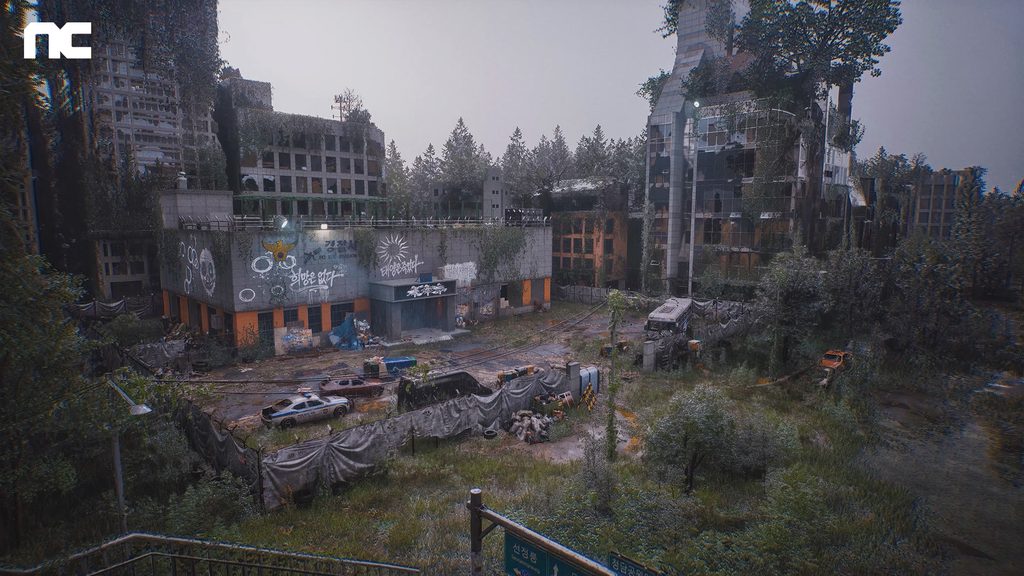
The open world is a different story. Cinder City is set in a sprawling, post-apocalyptic Seoul, painstakingly modeled after real-life districts such as Samseong-dong and Nonhyeon-dong. Unreal Engine 5 empowers the developers to deliver a visually dense presentation, and the game certainly doesn’t lack the ambition to look and feel like a high-budget AAA project. You have main quests, side activities, and dynamic world events, with exploration and open-world encounters serving as the primary avenue to score better loot. The lingering question is how the development team plans to make Cinder City truly stand out from the competition. We’ve seen similar systems in plenty of games by now, and I’m eager to see what unique surprises Cinder City holds that will set it apart from its genre rivals.
One aspect that was largely absent from this presentation was the promised horror element. The game essentially operates across two planes: the surface of Seoul, and the subterranean depths beneath it. It’s those underground missions and raids that are supposedly meant to inject a heavier dose of horror into both the gameplay and atmosphere. Truth be told, that was the hook that intrigued me the most, so it was a bit disappointing not to see more of those spine-chilling moments during this preview. The concept is undoubtedly neat: while human adversaries pose a tactical firefight challenge, monstrous creatures lurking below are intended to exert an entirely different psychological pressure. Still, it remains to be seen how they will solve one fundamental hurdle: when you’re piloting an agile, heavily armed supersoldier capable of shredding through waves of enemies, inducing genuine terror is an uphill battle.
What was shown at Gamescom is definitely more intriguing than how the game appeared during its initial reveal. I particularly like the ambition of marrying a classic third-person shooter framework with MMO-style mechanics and raid-tier boss encounters. If executed properly, Cinder City could easily become much more than just another online shooter. The biggest hurdle will be ensuring the rest of the game lives up to that ambition. The open-world structure currently feels quite familiar, the horror elements failed to leave a distinct impression because they barely showed them, and the narrative took a complete backseat during this showcase. On the other hand, the five distinct Cinder Knight classes, deep build crafting, gear variety, cooperative play, and intricate boss encounters provide plenty of reasons to keep this title on your radar. Cinder City might not look like an undeniable slam dunk just yet, but it’s definitely no longer a game I would readily dismiss.
The game is currently confirmed for PC, PlayStation 5, and Xbox Series X/S, though an exact release date has yet to be announced. NCSoft was previously targeting the second half of 2026, so stay tuned with us to learn more about this title as soon as more information becomes available.


