




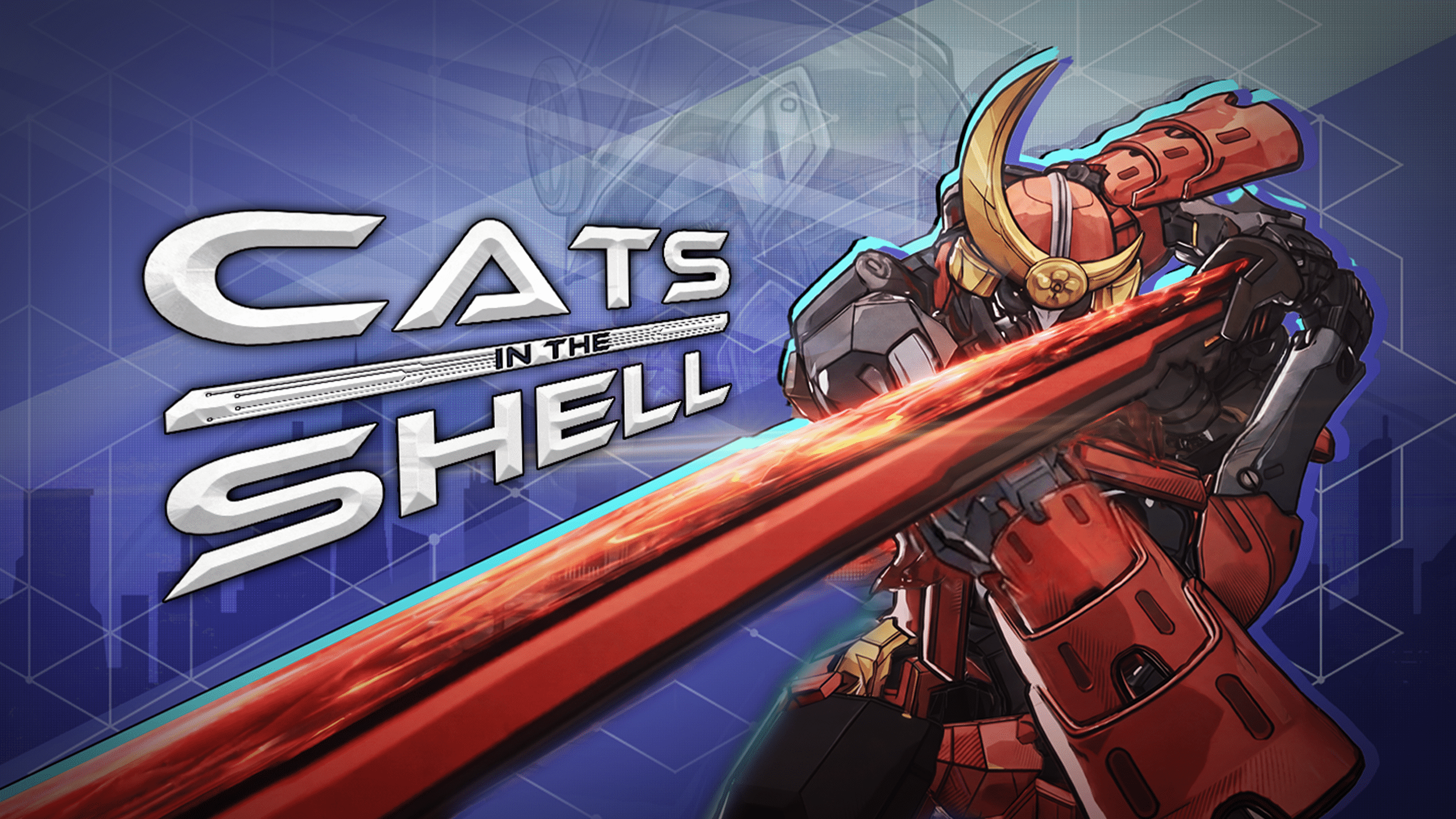


Gamescom isn’t just about giant booths and triple A titles. Hall 10.2 is the home of the indie games. Passionate indie developers are presenting their games and demos. Among those you could find Cats in the Shell, an upcoming title by developer Raven Studio and publisher Infini Fun that takes the familiar auto-battler genre and injects it with a heavy dose of roguelike progression, drafting mechanics and feline controlled mechas.

Set to launch into Steam Early Access in Q4 2026, Cats in the Shell plays in a world where humanity was wiped out during a devastating war and cats evolved into humanoid hybrids, controlling mechas and fight each other for glory. The premise sounds quite silly, but after my hands-on with the game, it is clear that RavenStudio isn’t just relying on that. Their gameplay mix heavily inspired by titles like Backpack Battles and Bazaar, is more than just another auto-battler. It is full of strategic choices and a deep socket system.
In the Gamescom build we were able to play, we played the Gauntled mode, in which your goal is to win 10 fights in total before losing three times.
The developers are also working on a purely PvE Expedition mode with challenges, a Simulation mode, where you can let different builds fight each other and a fully fledged story mode mixing up the Gauntlet gameplay quite a bit and exploring the world of Cats in the Shell.
Starting you Gauntlet run, you choose one of multiple pilots. Each feline pilot comes with unique active and passive abilities, dictating the early strategy of your drafting. Some pilots offer economic advantages, allowing you to gain extra experience or secure financial bonuses. It incentivizes specific synergies and playstyles, but during other playthroughs of the running Playtest after Gamescom, it showed that your strategy isn’t set in stone just from your pilot choice, but you are able to transition into other builds as well.


After choosing your pilot, the run gets going. You can either choose from a bunch of mecha bodies and a starting weapon or let the game give you a random mecha body and weapon and a little bit of money. Each piece of gear your mecha has, comes with a cooldown to activate and weapons with the number of times they attack each activation.
The gameplay loop itself is highly structured. At the start of a round, you draft equipment for your mech. You then fight against a computer-controlled enemy. If you win the fight, you are rewarded with an opportunity to draft more weapons, gear, drones, upgradeable chips, sockets and usable items. Finally, the loop begins again, and you throw your upgraded mecha into the next battle. From then on however, you fight against AI controlled version of mechas of other players, who were at the same win/lose level as you are right now.
It is up to you how to upgrade your robot fighter throughout the gauntlet. You can swap out or upgrade your mech’s frame, add heavy shoulder cannons, beam sabers or drones. You can focus on making super tanky mechs, that sustain tons of damage and just wait for you opponents to die or scale your equipment with certain damage types such as might or parasitic damage, which add other effects to your attacks.
Similar to games like Teamfight Tactics, you can also choose to spend your money to level up your pilot, which increases the chance of getting rarer equipment to draft or save your money to gain an interest, a bonus income, every turn. The feedback of your choices is immediate, as the next fight shows, if your mech became stronger and can beat the opponent. If you fail, you can quickly change up equipment in the next draft or use items. And if you can’t find the right one, you can always reroll the shop.


While the first couple of fights are quite easy, the further you get, the more the game relies on synergies of damage types, shields and specific status effects. Might boosts the percentage of damage your mech deals for example, while the cold effect slows down the cooldown timer of the enemy equipment.
But it doesn’t stop here. The most interesting aspect of the game comes from the sockets on the equipment. Equipment can come with sockets placed on them, which you can slot modules into. Modules can come in singles, but can extend to two pieces and three pieces, as far as I have seen. They give all kinds of different active and passive bonuses to your equipment, depending on where they are slotted in. Large modules can span across multiple cards or in one card multiple times. During my run at Gamescom for example, I got a three-piece module that added +400% might damage to the equipment I used it on. I had a cool might beam saber at that point in the run and a giant laser cannon. The beam saber had two slots and the giant laser cannon one at the same height, so the beam saber scaled two times with the +400% might damage increasing its damage exponentially. And if that wasn’t enough, in the next store I got another one of the beam sabers and pushed its rarity up one level as well to further increase the damage.
Placing your equipment order and using powerful modules to enhance your equipment even further, became one of my favorite things to do in every run of the Playtest. It almost felt like a puzzle in itself and truly opened up the potential of the mech on another level.
One thing I haven’t talked about is the presentation of Cats in the Shell. The games art style is just sublime. The artworks of your feline hybrid pilots look cool and ooze character, and I can’t wait to get to know them more in the story mode. But the true highlight and what caught my eye in the first place was the mecha design in the game. From Japanese inspired samurai like mechs to giant heavy more western inspired ones, the several different mech designs already look super cool. Adding different cannons, flags, pistols and melee weapons to them makes them even cooler. They are not hyper realistic but have an almost cel-shaded anime style to them.


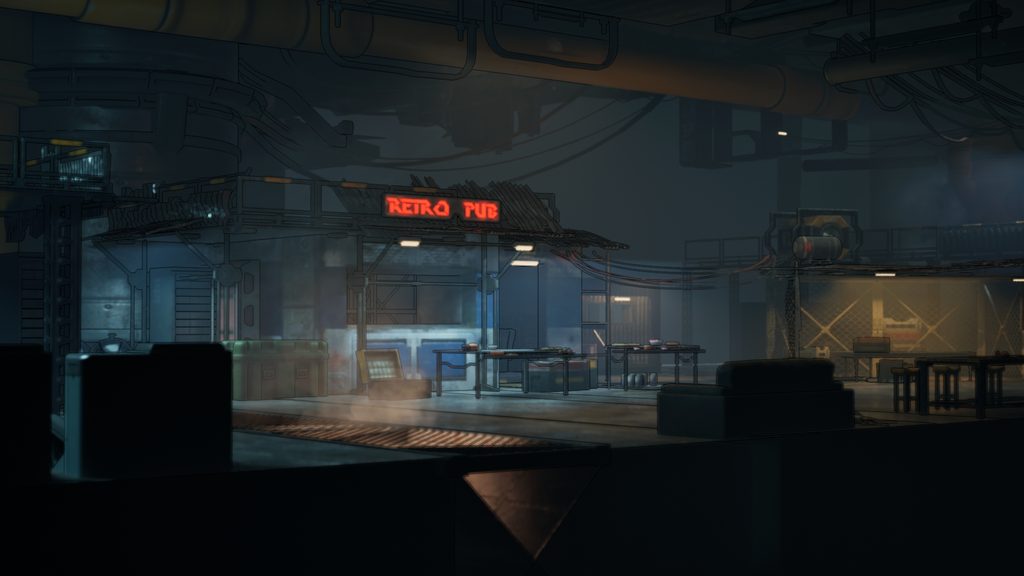
Combined with the different stages, such as Japanese temples, urban streets with multi-level houses and many more, the actual fights almost look straight out fighting games. Supporting this is the combat UI with its giant health bars and the fluid animations of the mechs.
Cats in the Shell is taking the right lessons from other auto-battlers and is giving the genre its own unique twist. Understanding the various synergies and effects and diving into the almost puzzle like modules and socket system, is super rewarding and the action-heavy and highly reactive gameplay does the rest.
The Gauntlet Mode already shows tons of potential for theory-crafting and broken synergies and looking at the other modes that are coming out in the future, I can’t wait to dive into the story as well.
As Q4 2026 is just around the corner, I can’t wait to play more Cats in the Shell in the near future!


