

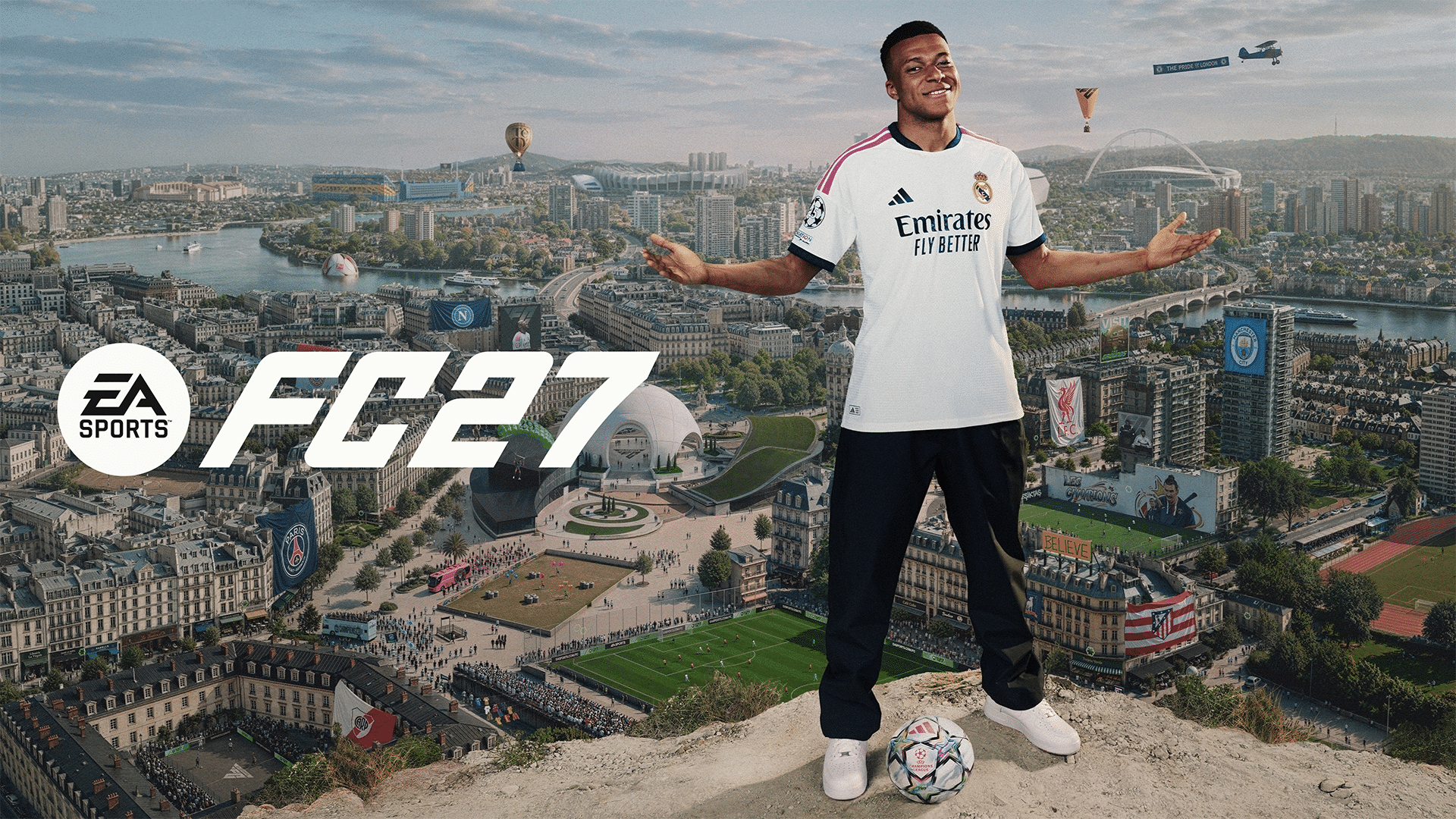


Every September brings the same question. Has the new EA FC finally introduced enough changes to justify a purchase, or is it just another seasonal kit swap, roster update, and a few new animations that will blend into all previous editions within a month? Ever since Electronic Arts parted ways with the FIFA brand, they’ve positioned EA FC quite well on the market. However, while some installments managed to introduce intriguing improvements, others left the impression that we are increasingly running in circles. Therefore, EA FC 27 has a rather thankless task: it must offer enough novelties to attract long-time players while fixing the underlying issues that have plagued virtual football for years. So, did EA FC 27 finally bring enough innovation to justify the price tag? Honestly, I don’t think it matters, because EA FC has such a massive player base that no matter what they release, people will buy it. Still, the good news is that EA FC 27 is actually fun, engaging, and interesting, but once again, heavily flawed.

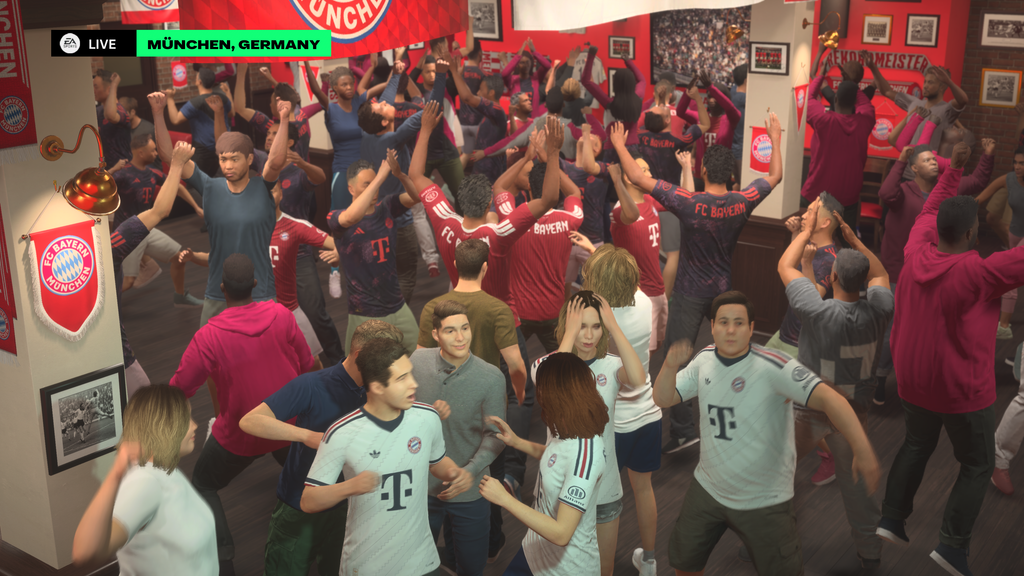
This year’s edition brings several significant changes, including upgraded on-pitch controls, overhauled defensive mechanics, a richer Manager Career mode, and The Grounds—a new social space attempting to bridge street football with classic stadium matches. Naturally, Football Ultimate Team, Player Career, and Clubs are all here; practically everything you’d expect and everything that keeps players coming back year after year is present. On paper, the offering is highly solid, and I must admit it’s not just on paper. Having so many modes and ways to play means EA FC 27 rarely gets boring.
However, what interests me most with every new FC release isn’t the sheer number of bullet points on the back of the box, but whether the actual matches are more fun and if the changes fundamentally impact how we play. It is in this exact arena that FC 27 makes some of its best, yet most problematic, decisions. The biggest gameplay shift is a heavier emphasis on player control and decision-making, particularly on defense. Previous editions frequently leaned heavily on artificial intelligence assistance, making it all too easy to rely on teammates you weren’t directly controlling. FC 27 tries to flip that script, forcing you to actively participate in defending. Simply holding down the jockey button and expecting your player to automatically do the dirty work is no longer a smart tactic. You have to read the opponent’s intentions, manually close down space, position your defenders properly, and judge the exact right moment to tackle or intercept.
In theory, this change makes perfect sense. Quality defending now relies heavily on your decisions rather than how much the game is helping you in the background. When you successfully intercept a pass or force the opponent to redirect their attack, it feels incredibly rewarding. You feel responsible for the successful play, rather than a system that decided to auto-position your defender at the last millisecond. Yet, there is a flip side to this coin. When you are forced to constantly switch players, and the AI-controlled teammates fail to react appropriately to the unfolding play, the situation quickly becomes controller-breakingly frustrating—reminiscent of my old Xbox 360 days. Sometimes an opponent will break through your defensive line because of your own mistake, which is totally understandable. But other times, the problem stems purely from off-the-ball defenders failing to recognize the danger in time.
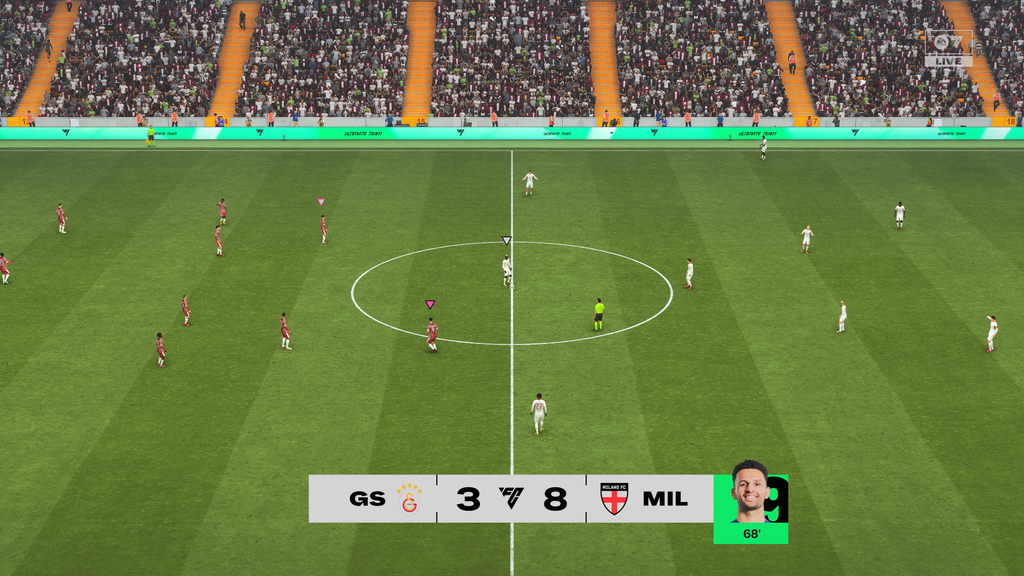
This is an issue for both teams and is painfully obvious in multiplayer matches. If you haven’t mastered manual defending, the scorelines often resemble handball or water polo. For instance, during the first two seasons of Online Seasons I played, the average goals per match was around seven. So, the issue wasn’t just my skill level; it’s a systemic adjustment. The concept of manual defending is great, but players simply aren’t used to it. Watching your defenders fall out of position can be infuriating, and matches frequently devolve into a shootout of who has better attackers and who can score more goals. Naturally, the dynamic shifts once you finally learn how to defend, but that raises a lingering question: will this defensive overhaul remain next year, or will EA drastically change it again, rendering everything you learned this year practically useless? We shall see. If nothing else, football without defense certainly looks… attractive.
I can’t even imagine how this looks in Ultimate Team, where the gameplay was practically a pinball machine of high-scoring matches even before this change. Actually, I can imagine it—the scorelines are probably so absurd it’s hard to comprehend it as a football game. The situation is slightly different when playing against the CPU, as the AI plays more cautiously, naturally forcing you to adapt to a more measured pace. Though, let’s be real, who plays EA FC just to play against the CPU?
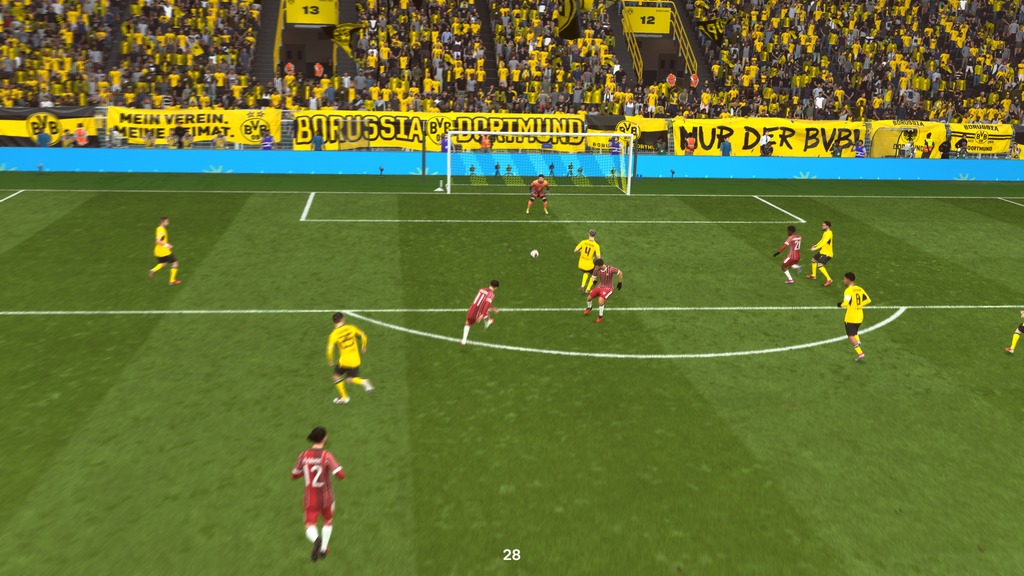
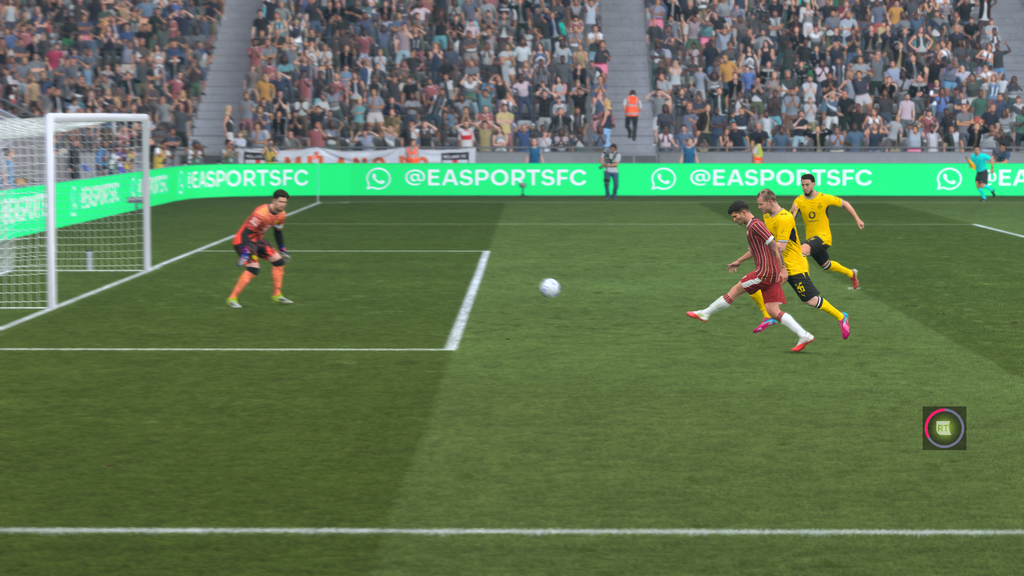
The attack has also received several highly useful upgrades. Off-the-ball movement finally makes a degree of sense, and new types of runs combined with upgraded passing mechanics give you far more control while building up plays. It is now crucial to gauge exactly when to thread a through ball, how to exploit a striker’s run, and how to pry open the opponent’s defense. The through ball is no longer a magical button you press while hoping the ball somehow magnetically finds your winger. It requires precise aiming and a solid reading of the pitch, especially when the opposing defense leaves very little margin for error. I have to admit, launching an attack is genuinely fun. You feel a far greater sense of agency compared to defending.
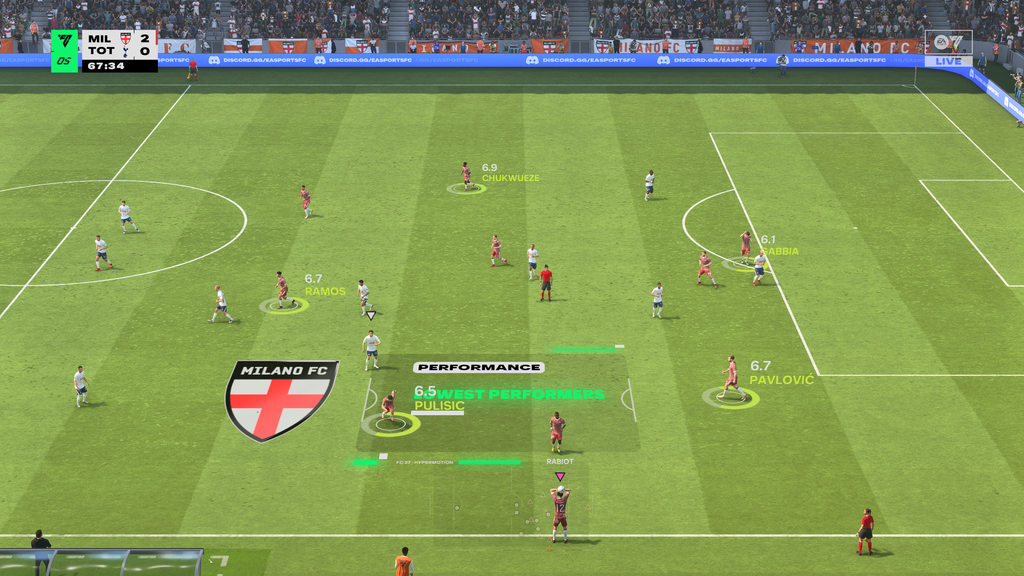
Additionally, the tweaks to corners and crosses grant you much more manual control over set pieces. Instead of constantly relying on predetermined ball trajectories and automated animations, you have multiple options to tailor the delivery to the specific situation. It’s particularly cool that manual control and positioning of the attacker during corners is enabled by default. Naturally, the defending team can also manually mark the target. When everything clicks, attacking feels deliberate, and a successfully orchestrated play is vastly more rewarding than simply exploiting a known meta mechanic. This doesn’t magically turn every match into a tactical masterpiece, but it clearly opens up the pitch for players who love to combine passes, dictate the tempo, and patiently probe for cracks in the defense. Once you master it, offensive build-ups can look like genuine works of art.
Still, FC 27 can be highly frustrating because the underlying systems are what they are, dragging along legacy issues from years past. Player switching is still imprecise, often handing you control of a footballer who is completely unsuited for the current situation. Teammates can make bizarre decisions, and goalkeepers still suffer from moments where you are left wondering what on earth they were trying to do. This is the biggest shame because, in the brief windows where the mechanics work flawlessly, you see exactly how brilliant this system could be. When a clumsy animation or an unexpected goalkeeper blunder ruins a beautifully constructed attack, it’s hard not to feel that the game could have been vastly superior with just a bit more attention to detail. Don’t even get me started on the referees.
How football is played here heavily depends on the mode you choose. The more authentic pacing in Career Mode actively rewards tactical, patient build-ups and outsmarting the AI, whereas the competitive sliders in Ultimate Team frequently result in hyper-fast, wide-open matches with endless chances on both ends. That disparity makes sense; playing a 15-year career with your favorite club shouldn’t feel the same as sweating against a player trying to exploit every micro-advantage online. The problem arises when the tempo accelerates so much that matches devolve into a chaotic string of counter-attacks, bizarre deflections, and goals that feel more like accidents than executed tactics.
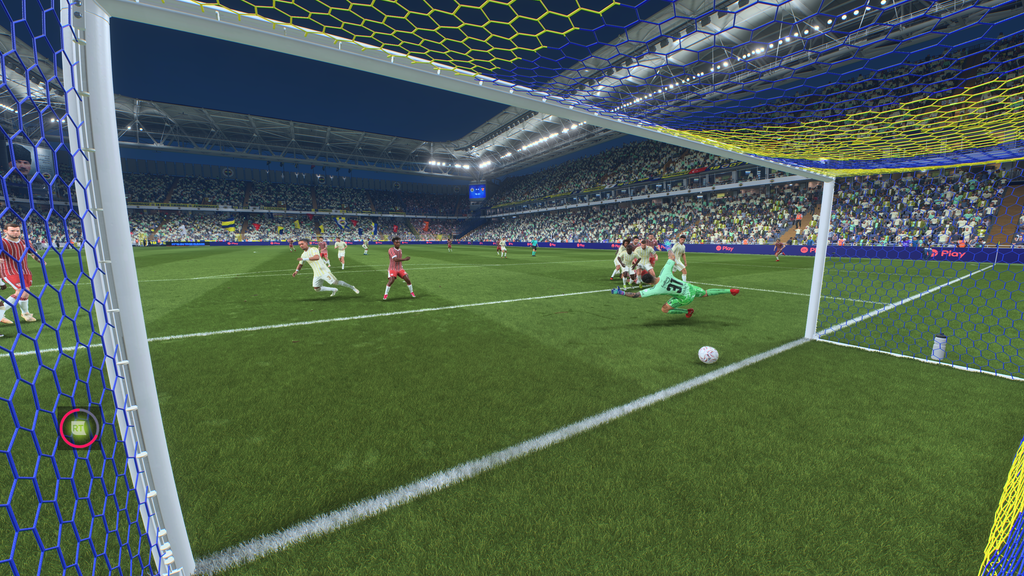
FC 27 manages to provide enough breathing room for tactical outmaneuvering, but it still hasn’t resolved scenarios where the AI acts as the weakest link in the entire chain. I honestly do not understand why this is still the case. How many years have passed without EA being able to code a competent AI that actually benefits the player? On the flip side, players who want to seriously dedicate themselves to virtual football and hone their skills have plenty of mechanics to sink their teeth into, but they will have to accept the occasional nonsensical decision made by the game’s engine.
While the on-pitch tweaks are important for every player, the biggest novelty in this year’s edition is The Grounds. This is a brand-new social space attempting to unify various forms of football entertainment into a single hub. You create your own avatar, explore the environment, encounter other players, and jump into small-sided matches, mini-games, and various challenges. The concept is to move away from traditional static menus and provide a space where football is experienced as a social activity, rather than just a sterile queue of matches. The Grounds offers 1v1, 2v2, and 3v3 matches, different variants of Rush, bite-sized football challenges, and side activities designed to break up the usual rhythm of classic 11v11 gameplay.
For those who prefer shorter, highly dynamic bursts of gameplay, this can be a very pleasant change of pace. You don’t have to commit a large chunk of time to a full match, and the reduced player count opens the door for a different playstyle heavily focused on direct duels. The Grounds also serves as the new staging area for Clubs, functioning as the central hub for the game’s social side. If you have a dedicated squad of friends you play with regularly, the idea of hanging out in a shared environment before hitting the pitch has serious potential.
Yet, at present, I can’t shake the feeling that The Grounds is more of a foundational stepping stone for something bigger, rather than a fully realized feature that justifies buying the game on its own. You learn the layout of the environment very quickly, and then everything starts to feel a bit samey. Instead of constantly discovering new things, you easily fall into a routine of hitting your few favorite mini-games and realize the rest of the space doesn’t have much to offer. The fact that the space is open doesn’t automatically mean the content is deep. The Grounds has the potential to become a vital pillar of future releases, especially if EA continues to inject new activities, but right now, it is hard to call it a revolution. It is also important to note that this mode, alongside the Clubs content, is exclusively available on the PlayStation 5, Xbox Series X|S, PC, and Nintendo Switch 2, while legacy console versions miss out entirely.
If you primarily play EA FC solo—meaning you love managing a team—Manager Career has received significant overhauls regarding how the transfer market operates. Negotiations now actively attempt to mirror real-world football business. Clubs have more strictly defined player valuations, and negotiating doesn’t always devolve into an automated process where you simply pinpoint a target, throw enough money at them, and wait for the ink to dry. New negotiation levers have been introduced, including performance-based clauses and release clauses, opening up more room for strategic planning and varied negotiation tactics.
I particularly loved the implementation of the Dynamic OVR system, which factors in a player’s form, morale, and match fitness. Player ratings are finally no longer just a static snapshot of their abilities; they now actively reflect fluctuations in performance throughout the season. When building your squad, you aren’t just looking at a player’s base rating; you have to consider their developmental trajectory and how much they can genuinely contribute over the coming months. The transfer market also features more aggressive bidding wars from rival clubs, meaning the hunt for reinforcements can be highly unpredictable. Negotiations can be demanding, and clubs are not always eager to accept your opening bid. This forces you to think long-term and establish contingency plans.
Player Career remains the go-to option for those who want to focus entirely on the development of a single footballer. Progression is still rooted in on-pitch performance, skill development, and completing objectives, but this mode doesn’t feature nearly as many impactful overhauls as the managerial side. There is still an inherent satisfaction in guiding a benchwarmer into a crucial first-team star, but the system desperately needs more meaningful rivalries and off-pitch scenarios to make the journey feel personal.
However, FUT remains the absolute pillar of this entire package for the vast majority of players. The core premise remains untouched. The biggest novelty is the FUT Gallery, a system designed to give additional purpose to card collecting and hoarding your favorite players. By completing collections of various Player Items, you level up your gallery and earn rewards, while special card variants and Hall of FUT content further expand the collector aspect of the mode.
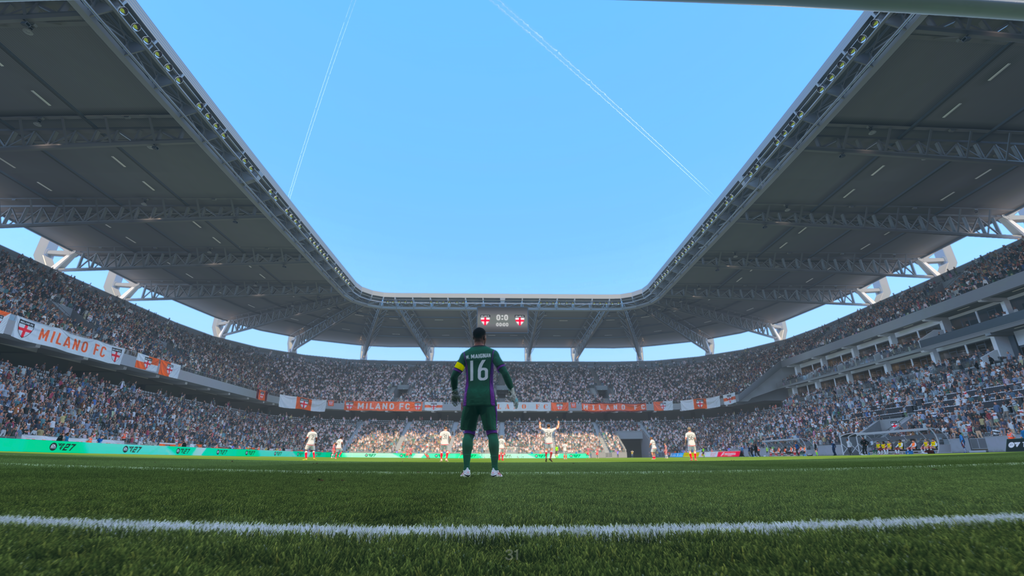
Visually, everything looks great. I can’t say it looks drastically better than last year’s iteration, but it is highly satisfactory. It seems EA is biding its time, waiting for the Next-Gen consoles to debut before truly overhauling the engine powering EA FC. Realistically, the graphics and presentation aren’t a major issue, as sports games don’t need a massive visual identity shift every twelve months. However, it is a shame that more attention wasn’t diverted to ironing out the technical shortcomings that are still glaringly present. Animations can sometimes look jarringly unnatural, goalkeepers occasionally execute baffling movements, and player behavior in specific situations doesn’t always align with what you’d expect from a realistic football simulation. As for the audio, it is stellar as always. A fresh soundtrack is the main novelty; the rest is the standard, high-quality broadcasting flair.
We would like to thank EA Games for providing us with a copy of the game for review purposes.
EA FC 27 (Xbox Series X)
Drawing a line under it all, EA FC 27 is an incredibly fun game, perhaps largely because it currently acts more as a goal-scoring simulator than a true football simulator. That doesn't inherently make it good or bad, just different. As time goes on, and players finally learn how to manually control their defense, hold their defensive lines, and react appropriately, I firmly believe multiplayer clashes will improve drastically. For now, this feels like a very solid, if slightly shaky, foundation for the future. However, the game's long-term success doesn't solely depend on the cocktail EA mixed with FC 27; it relies entirely on how the community receives these mechanical shifts, and whether they ultimately decide this new direction is worth adapting to. EA FC 27 is a fun time, and whether you want to jump on the bandwagon is entirely up to you.