



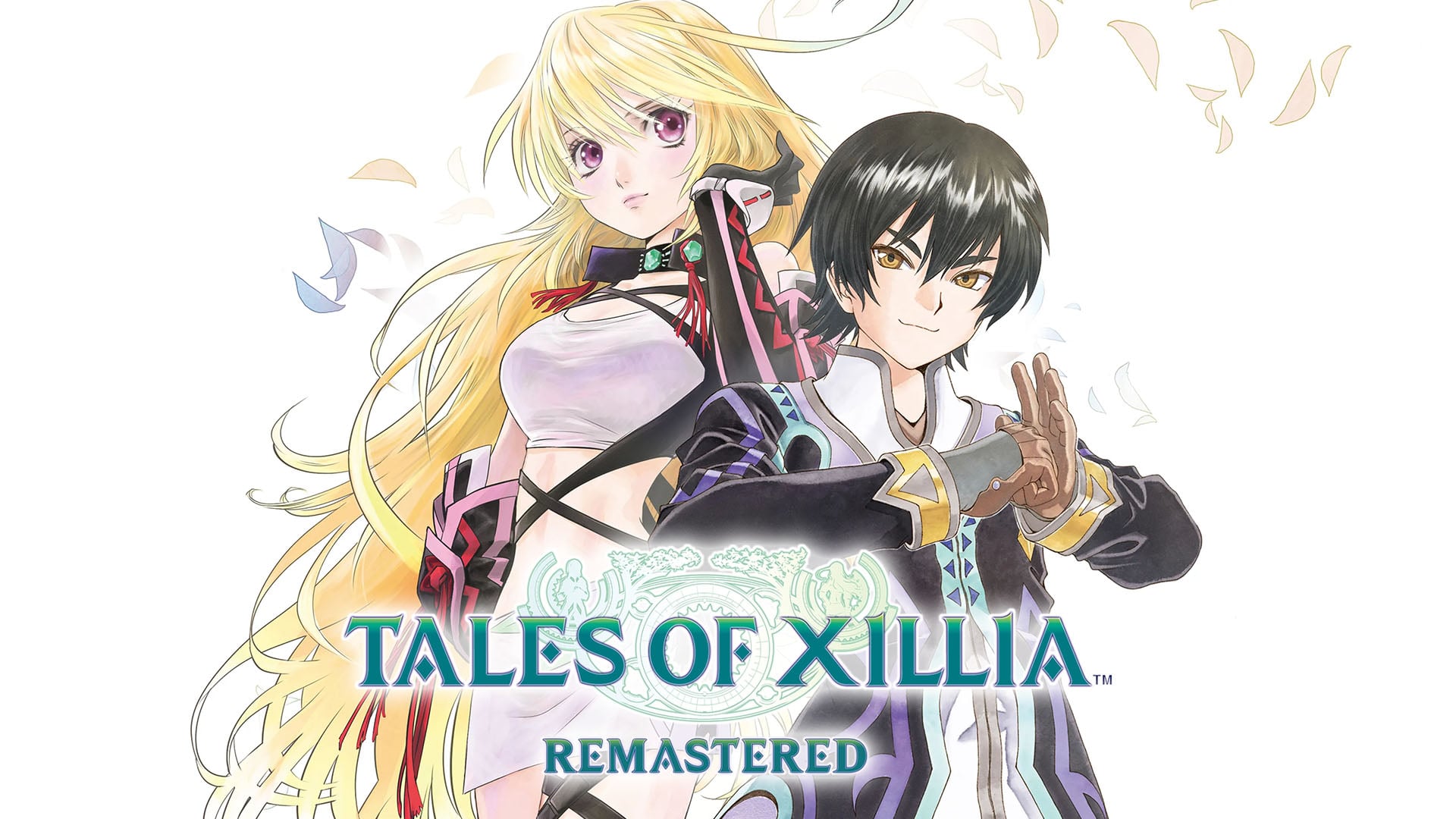


When I booted up Tales of Xillia Remastered again, I had that feeling you get when you open an old box of toys you swore you’d outgrown, only to realize you never actually did, you just forgot how much they meant to you. And honestly, that might be the best possible way to describe this remaster: it’s not a game trying to reinvent the wheel or chase some modern trend, but that kind of jRPG that pulls you back into a time when things felt a little simpler, a little warmer, a little more human. And yet it’s all wrapped up just fresh enough that you never feel like you’re digging through a museum exhibit.

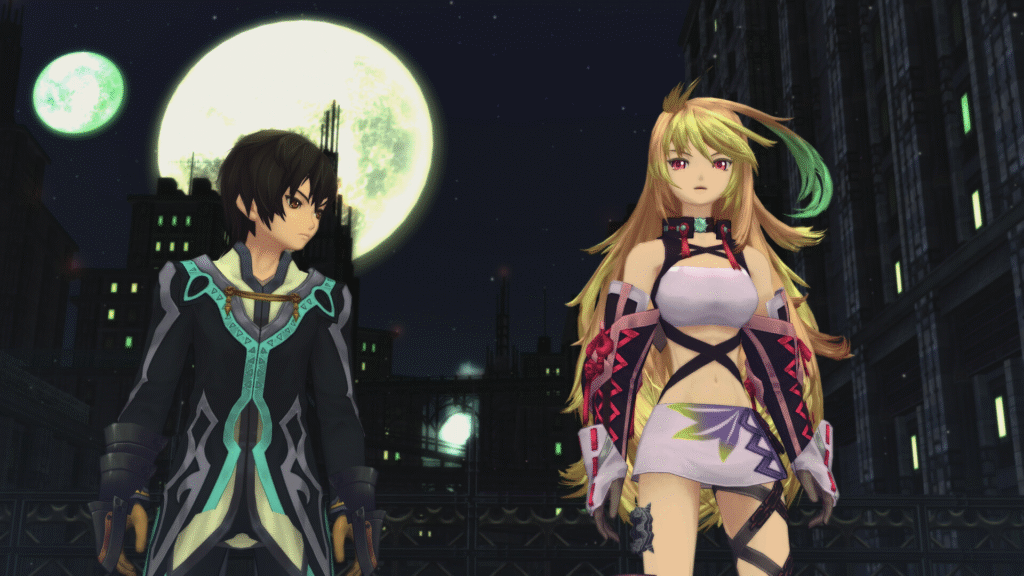
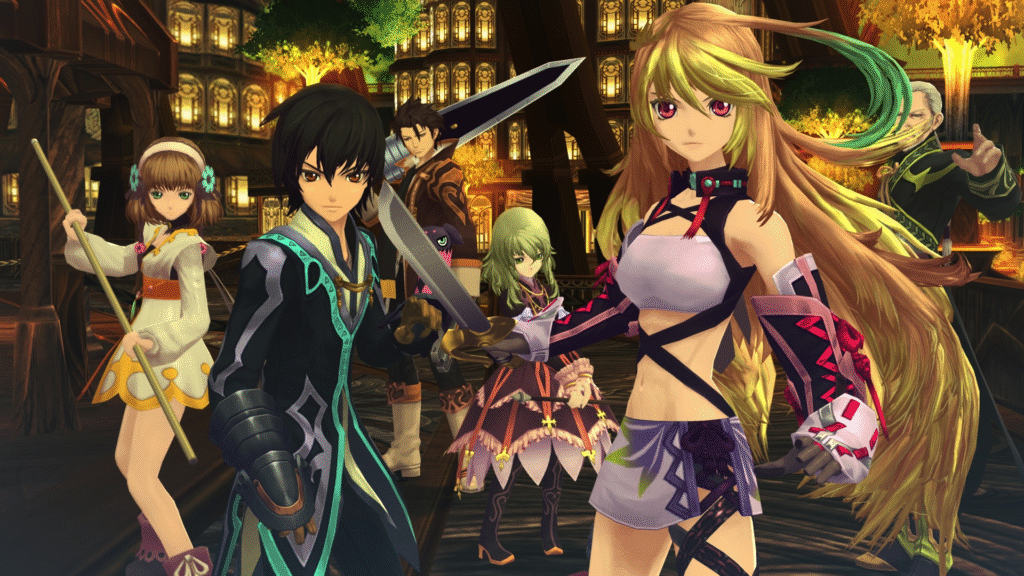
Xillia has always been one of the weirder, bolder Tales entries because it did something very few JRPGs at the time dared to do: it gave you two protagonists, Jude and Milla, and let you choose who you’d follow. Not in the “here’s the same story but with a different camera angle” kind of way, but in the very real sense of two perspectives, two routes through all that chaos surrounding the Spirits, mana conflict, and the whole philosophical tug-of-war about the balance of the world. And when I say chaos, I mean the soft JRPG flavor of chaos where everyone’s carrying around their own emotional baggage, and everything eventually escalates into a planet-shattering confrontation. In this remaster, the story remains untouched, which is a good thing, because Tales of Xillia still works shockingly well today. That mix of light anime aesthetics, melodrama, and characters who are so charming you wish you could actually hang out with them — it all holds up.
But what stood out to me more this time is just how much the game leans into party dynamics. There’s no walking from town to town without at least a few jokes, arguments, and tiny emotional detours. Bandai Namco has always been good at those “skits,” but here they shine especially bright, especially now that they’re cleaner, better paced, and no longer feel like they’re shoved in as filler.
As for the main plot, I still think Xillia is one of those stories that start simple enough, and then suddenly grabs your hand and drags you way further than you expected. First you get the classic JRPG mix of mysterious energies, divided worlds, political games, then things twist, betrayals flare up, moral dilemmas spark, and the game pulls off something Tales titles have always done better than most: the characters evolve right in front of you. Not just their stats or gear, them, as people. And that, even now, remains Xillia’s strongest quality: the feeling that you’re watching a group of strangers slowly, inevitably grow into a family.
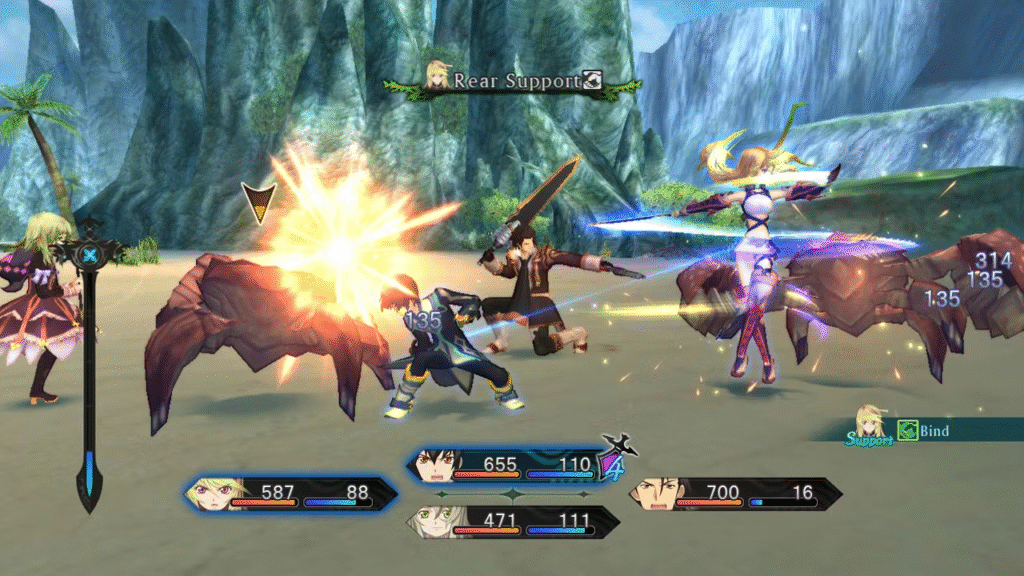
And now we get to the big one, the gameplay. Tales games have always lived in that half-action, half-tactics space, and honestly, Xillia was the moment when the system fully clicked. This remaster smooths it out even more, to the point where battles are ridiculously fluid. You step into a fight casually, and thirty seconds later you’re chaining a twenty-hit combo, forgetting to breathe because you don’t want to drop the link.
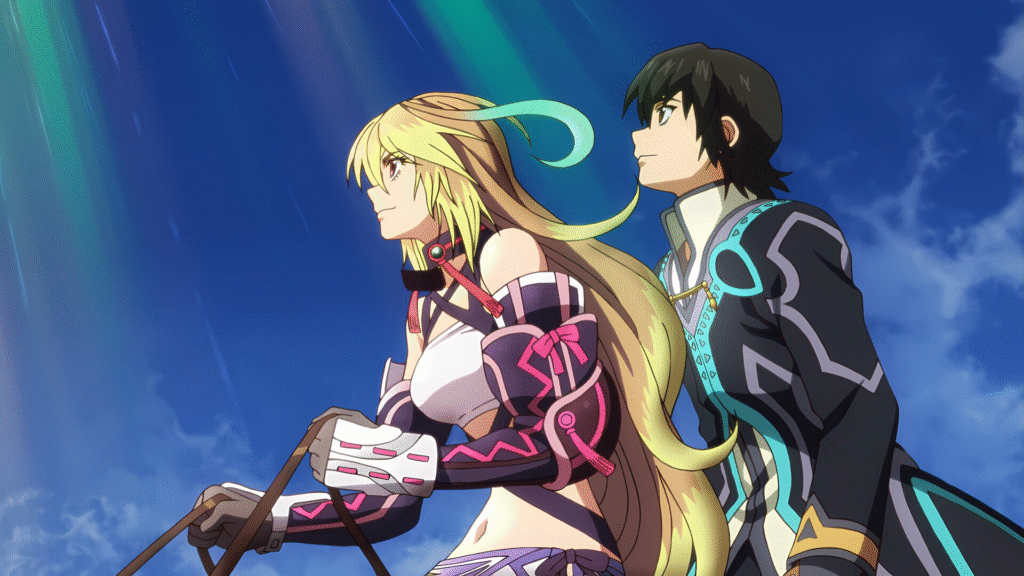
The standout mechanic is still the Link System, pairing two characters to unlock special abilities and tag-team moves. In the remaster, it feels even tighter, with cleaner visual cues and more responsive timing. I keep intentionally pairing the “wrong” duos just to see what weird synergy they produce. And that’s where Xillia shines in a way modern JRPGs sometimes forget: it encourages experimentation without punishing you for not being optimal. You can play half the game with a completely chaotic setup and still have a blast because the system wants you to play, not to crunch spreadsheets.
And the boss fights? Still those little mini-dramas Tales loves so much. It’s never just about whether you’ll survive an attack, it’s about the character reactions, the mid-fight lines, the perfectly-timed activation of a linked strike. With the remaster’s improved visual effects, all of that lands even harder, giving you this wonderful blend of nostalgia and polished presentation.
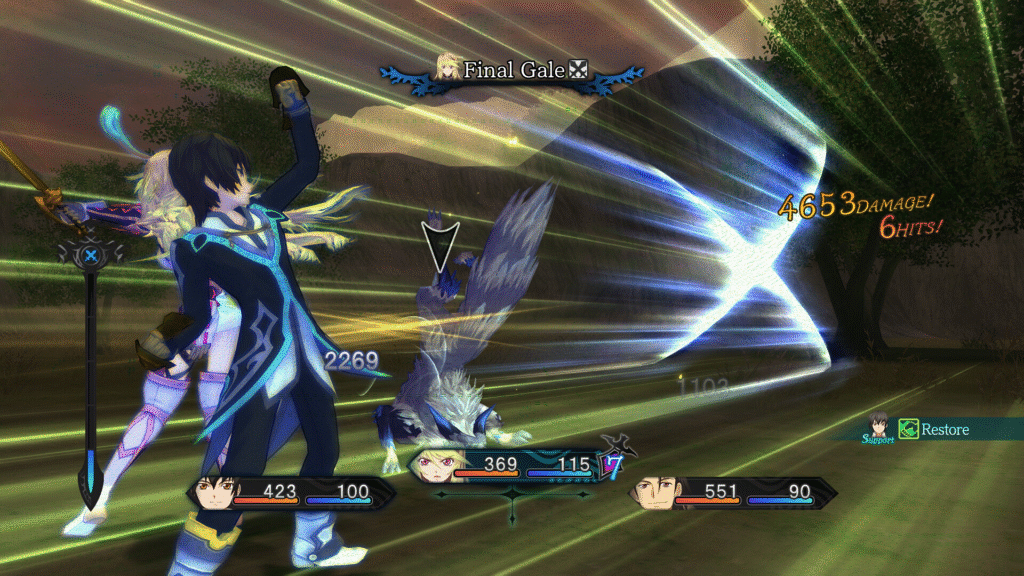
Progression is still tied to the iconic Lilium Orb system, a kind of spherical grid where you distribute points in different directions to develop your characters. It’s not complicated, but it’s just deep enough to keep things interesting, and intuitive enough to not get in your way if all you want is to continue the story. In the remaster, everything loads instantly, with none of the old hiccups the PS3 version occasionally struggled with.
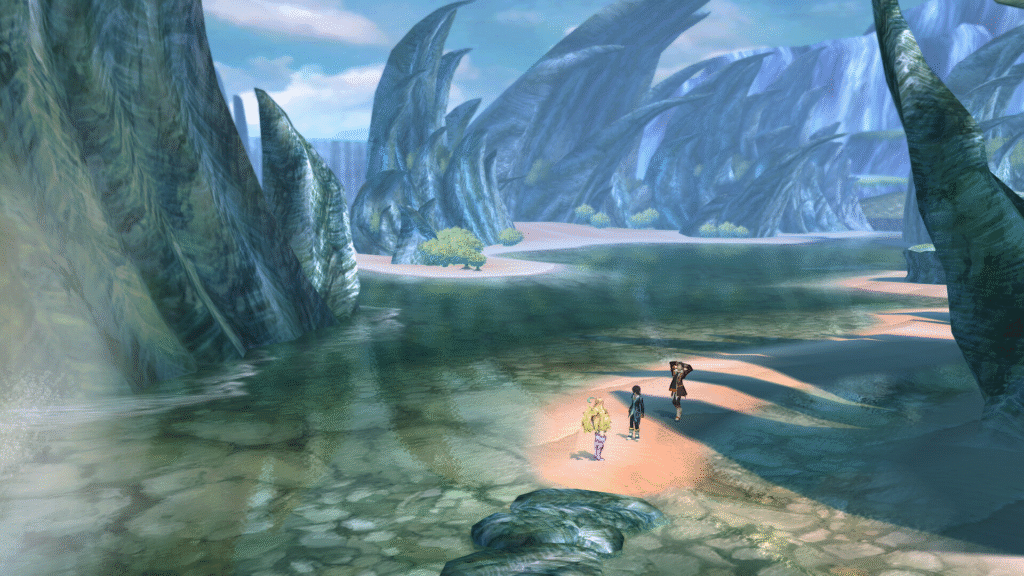
Structurally, the game is still that classic Tales combination of semi-open zones, linear progression, and the occasional detour from the main path. It’s not open world, nor does it pretend to be, but every area has its own little details, secrets, and micro-encounters. The remaster helps a lot here, because everything is cleaner and easier to read, so you spend less time staring at the map. Even the UI has been modernized, still familiar, but refreshed enough to not feel trapped in the PS3 era.
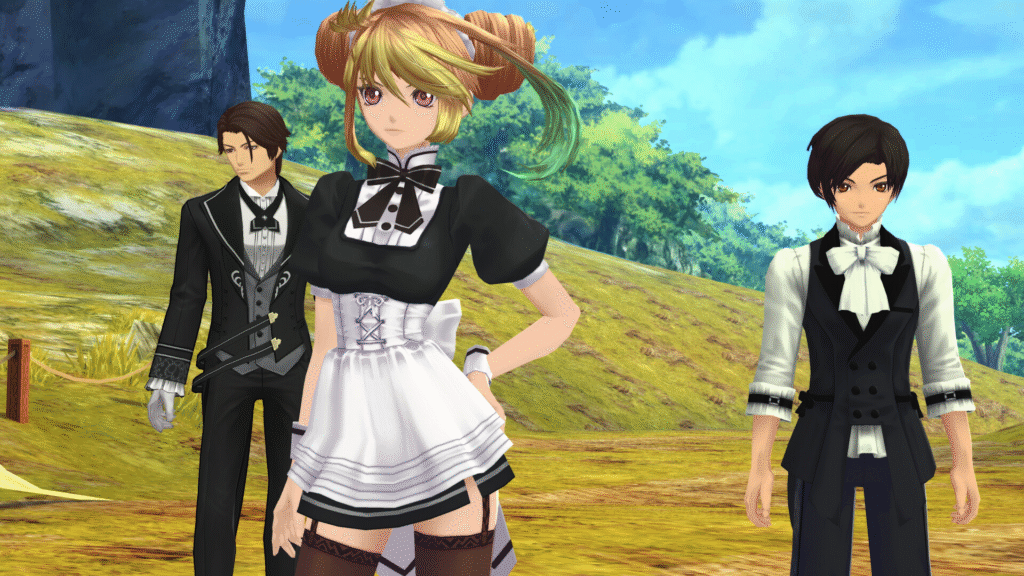
Visually, the Remaster doesn’t overhaul the game, but it does improve it just enough to justify the name. Sharper textures, cleaner models, a stable 60 fps — all of it helps the game look almost like something released only a few years ago rather than more than a decade back. Sure, some stiff animations remain, especially in side scenes, but honestly? Xillia now looks the way we remember it, just without that blurry haze older games tend to have.
The audio upgrade surprised me even more. The music in Xillia was already good, but with improved mixing and better dynamic range, some tracks genuinely sound fantastic now. Boss fights in particular feel bigger and more dramatic simply because the soundscape finally has room to breathe.
One tiny but delightful detail is that some character portraits and animations have been lightly refreshed — not enough to lose their original charm, but just enough to make them feel more alive. Sometimes a little change in lighting or eye sharpness does more than a full redesign ever could.
When I put everything together, Tales of Xillia Remastered becomes one of those games that reminds you why you fell in love with JRPGs in the first place. Not because of graphics, not because of flashy trailers, but because of that perfect storm of characters, story, and heartfelt combat. This remaster doesn’t try to become something else — it simply takes what worked and polishes it enough to make it relevant again.
Is it perfect? Of course not. Some old, slightly stiff segments remain, a few scene transitions expose the game’s age, and now and then you hit a design choice that hasn’t aged all that gracefully. But honestly? Once you fall back into the rhythm of the game, all of that fades away.
If you’re new to the Tales series, this is the perfect entry point — not too long, not too demanding, full of charm. If you’ve played it before, the remaster is exactly what you need to relive it without dusting off old hardware. And if you’re a JRPG fan in general, Xillia Remastered is simply one of those titles you shouldn’t skip because it represents everything warm and genuine this genre can be when it’s done right.
We would like to thank Bandai Namco for providing us with a copy of the game for review purposes.
Tales of Xillia Remastered (PlayStation 5)
After all these hours, I can say just one thing: it’s great when a studio brings a game back, but it’s even better when they do it with taste, respect for the original, and just enough modern touches. Tales of Xillia Remastered is exactly that.


